

Proceratium mancum
- Scientific Name
- Proceratium mancum
- Tribe
- Proceratiini
- Subfamily
- Proceratiinae
- Author
- Mann, 1922
- Distribution
- Found in 5 countries
Proceratium mancum Overview
Proceratium mancum is an ant species of the genus Proceratium. It is primarily documented in 5 countries , including Costa Rica, Guatemala, Honduras. Detailed taxonomic data and occurrence records can be further explored via authoritative databases such as AntWeb or the Global Biodiversity Information Facility (GBIF).
Proceratium mancum - "Spider Egg Predator Ant"
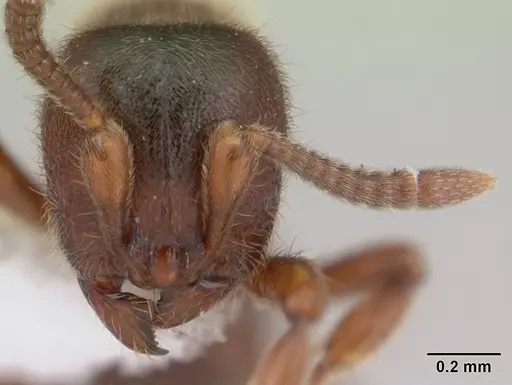
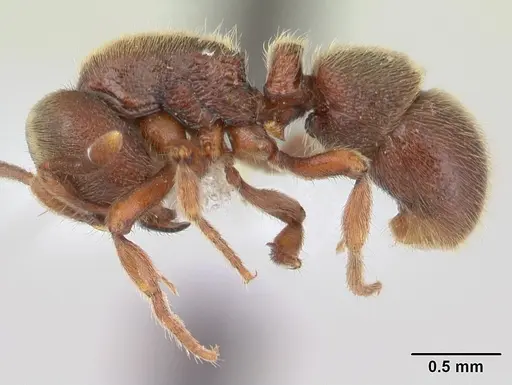
Proceratium mancum is a cryptic and somewhat rare ant species known for its specialized diet. These ants are generally small, dark reddish-brown, and have a unique physical characteristic: their petiolar node (the segment connecting the thorax to the gaster) is thick and scale-like with parallel anterior and posterior faces. They are not commonly encountered due to their subterranean and leaf litter dwelling habits. Very little is known about the specific biology of Proceratium mancum.
- Difficulty: Hard
- Origin & Habitat: Central America (Mexico, Belize, Guatemala, Honduras, Costa Rica, Colombia). in Wet forest habitats, typically found in leaf litter, soil, rotten wood, and under deep-set stones or tree branches in forest shade, old moist gardens, or other consistently moist environments.,.
- Colony Type: Monogyne, claustral founding.
- Size & Growth:
- Queen: 3.58-4.27mm
- Worker: 2.62-3.02mm
- Colony: Small (tens to hundreds). Colonies are usually small, often containing fewer than 200 individuals, with some reports of 10-50 workers, and occasionally up to 200.,,. Slow, due to their specialized diet and small colony sizes. growth.
- Antkeeping:
- Temperature: Ideal temperature range is likely between 22-26°C. Given their tropical and subtropical origins, maintaining a stable, warm environment is crucial. Avoid extreme fluctuations..
- Humidity: High humidity, ideally 70-90%, is necessary to mimic their natural moist forest floor and rotten wood habitats. Keeping a part of the nest consistently damp is vital..
- Diapause: Not required. Not specified at Not specified.
- Nesting: These ants prefer nesting in soil, rotten wood, or under deep-set stones., For captive setups, naturalistic nests such as plaster or Ytong nests with good hydration, or even natural wood setups, would be suitable. They form small, rounded chambers..
- Behavior: Low (towards handler, primarily defensive if provoked) aggressiveness.
- Common Issues: Lack of suitable food source (spider eggs), Humidity fluctuations leading to desiccation, Nest mold due to excessive humidity without proper ventilation, Colony stalling due to stress or improper feeding, Difficulty in observing due to cryptic nature.
One of the most fascinating aspects of Proceratium mancum, and the genus in general, is their highly specialized diet. These ants are known to be dedicated predators of arthropod eggs, particularly spider eggs.,, This unique feeding habit means that providing appropriate food sources will be the primary challenge for any ant keeper looking to maintain a healthy colony. Successful keepers will need a reliable and consistent supply of various spider eggs to sustain their colony.
Queens of some Proceratium species have a unique feeding behavior, often described as 'vampirism', where they feed exclusively on the hemolymph (blood) of their own larvae. While workers forage for prey (like spider eggs), the queen sustains herself by tapping into the larvae. This intricate relationship means that maintaining a healthy brood is not just about feeding the workers; it's also crucial for the queen's survival and the colony's overall well-being. Ensuring larvae are consistently present and healthy is key.
Due to their cryptic lifestyle and small colony sizes, Proceratium mancum can be incredibly challenging to locate and collect in the wild, and consequently, to keep in a captive setup., Their rarity in collections isn't solely due to their elusive nature but also hints at the specific conditions and specialized care they require. Patience and a deep understanding of their ecological niche will be crucial for anyone attempting to keep this unique ant species.
Humidity is paramount for this species. Their natural nesting sites are consistently moist, often in shaded forest areas, rotten wood, or under deep-set rocks. Replicating this high humidity within a formicarium is critical to prevent desiccation and ensure the colony thrives. Regular monitoring and maintaining a consistent moisture gradient within the nest will be essential for their survival and development, especially for the delicate brood.
The 'hammer-shaped' second joint of the maxillary palps in Proceratium ants is a distinctive morphological feature for both female castes and males., This unique adaptation might play a role in their specialized feeding habits, perhaps aiding in the manipulation or extraction of contents from arthropod eggs. Observing this unique physical trait, while not directly impacting care, adds to the intrigue of keeping such a unique and evolutionarily interesting species.

This caresheet is licensed under CC BY-SA 4.0 .
CASENT0603528
View on AntWeb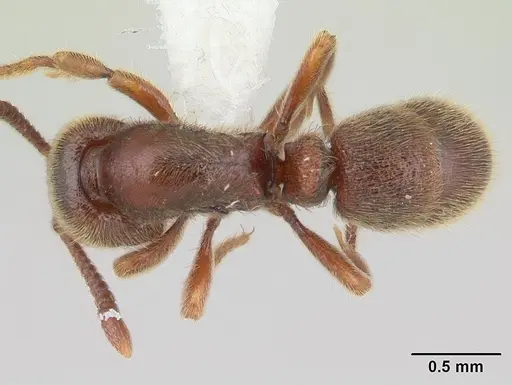
Literature
Loading...Loading products...