

Proceratium longigaster
- Scientific Name
- Proceratium longigaster
- Tribe
- Proceratiini
- Subfamily
- Proceratiinae
- Author
- Karavaiev, 1935
- Distribution
- Found in 2 countries
Proceratium longigaster Overview
Proceratium longigaster is an ant species of the genus Proceratium. It is primarily documented in 2 countries , including China, Lao People's Democratic Republic. Detailed taxonomic data and occurrence records can be further explored via authoritative databases such as AntWeb or the Global Biodiversity Information Facility (GBIF).
Proceratium longigaster
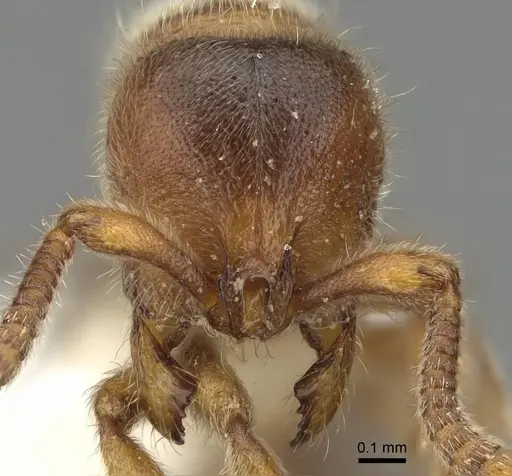
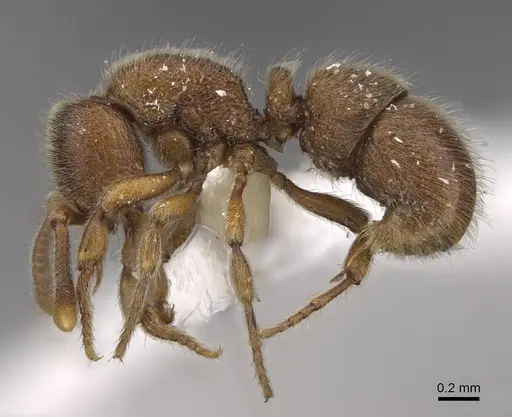
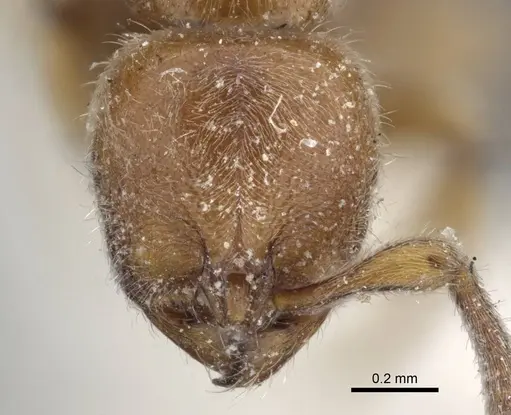
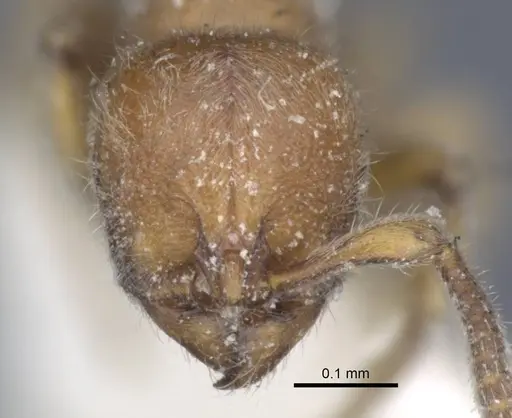
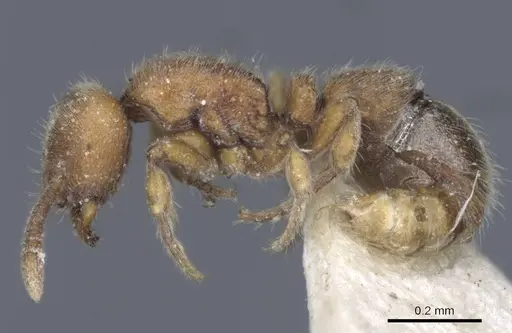
Proceratium longigaster is a tiny, very hairy ant species native to Vietnam. Workers measure just 2.66-3.10 mm in total length, making them one of the smaller ant species you'll encounter [1]. They belong to the subfamily Proceratiinae, which contains some of the most cryptic and poorly studied ants in the world. The species has distinctive features including a squamiform petiole that narrows dorsally, deeply impressed sculpture, and long shaggy hairs projecting from the abdomen [1]. This ant is a habitat specialist found exclusively in primary forest environments, typically collected from rotten logs in rain forest or subtropical mixed forest [2]. The species was described in 1935 and remains poorly known with no direct observations of its biology or natural history in the scientific literature [1].
Quick Summary
- Difficulty: Expert
- Origin & Habitat: Vietnam (central Annam region near Đà Nẵng) at approximately 1400m elevation. Found in evergreen broadleaved forest and rain forest habitats, typically collected from rotten logs [1][2].
- Colony Type: Colony structure is unconfirmed. Proceratium species typically form small colonies with single queens, but this has not been documented for P. longigaster specifically.
- Size & Growth:
- Queen: Unknown, no queen caste has been described in the literature [1]
- Worker: 2.66-3.10 mm total length [1]
- Colony: Unknown, Proceratium colonies are typically small (likely under 100 workers based on genus patterns)
- Growth: Unknown, likely slow based on genus patterns
- Development: Unknown, estimates based on similar small Proceratiinae suggest 6-10 weeks at optimal temperature (No direct development data exists for this species. Proceratium species typically develop slowly.)
- Antkeeping:
- Temperature: Keep at room temperature (20-24°C). This species comes from a subtropical Vietnamese forest at moderate elevation, so moderate temperatures are appropriate. Avoid temperatures above 28°C or below 18°C.
- Humidity: High humidity is essential. These ants live in rotten logs in rain forest environments, keep the nest substrate consistently moist but not waterlogged. Provide a water source.
- Diapause: Unknown, Proceratium species from similar latitudes may have reduced activity periods but true hibernation is unlikely. Maintain stable conditions year-round.
- Nesting: Naturalistic setup works best, they nest in rotten wood in the wild. A Y-tong nest or plaster nest with tight chambers scaled to their tiny size works well. Provide damp substrate and minimal ventilation to prevent drying.
- Behavior: Proceratium ants are cryptic and slow-moving. They are likely predatory on small arthropods like other Proceratium species. Workers are not aggressive and rarely leave the nest area. Escape prevention is critical due to their tiny size, they can squeeze through the smallest gaps. They are not known to sting and pose no danger to keepers.
- Common Issues: tiny size makes escape prevention difficult, use fine mesh and tight-fitting lids, slow growth and small colony size means colonies are fragile and slow to develop, no documented captive breeding success, this species may not thrive in captivity, wild-caught colonies may have high mortality due to stress and unknown requirements, requires high humidity that can lead to mold problems if not managed
Why This Species Is Challenging
Proceratium longigaster is not a species we can recommend for most antkeepers. It is one of the least studied ants in the world with absolutely no documented captive breeding success. The scientific literature provides only morphological descriptions of workers, nothing about their biology, colony structure, founding behavior, or dietary needs [1]. This means you're essentially pioneering captive care for a species with no prior guidance. Proceratium ants are notoriously difficult to keep in captivity even for experienced keepers, and this species has additional complications including its tiny size and specific habitat requirements. Only attempt to keep this species if you're an expert antkeeper with experience in maintaining delicate, cryptic forest-dwelling species and have access to a reliable source of small live prey.
Housing and Nest Setup
If you attempt to keep this species, a naturalistic setup closely mimicking their natural environment is essential. In the wild, P. longigaster has been collected from rotten logs in rain forest and subtropical mixed forest [2]. This means they need damp, decaying wood material in their nest. A Y-tong nest or plaster formicarium with very small chambers scaled to their tiny 2.66-3.10mm worker size would be appropriate. The chambers should be tight-fitting, these are very small ants that can escape through gaps that would not concern larger species. Provide a water reservoir to maintain humidity, but ensure ventilation is adequate to prevent mold. The outworld should be simple with minimal space, as these ants rarely forage far from the nest. Use fine mesh on any openings, escape prevention must be excellent.
Feeding and Diet
Dietary requirements are entirely unconfirmed for this species, but must be inferred from genus patterns. Proceratium ants are typically predators that hunt small arthropods in leaf litter. Based on related species, you should offer small live prey such as springtails, fruit flies, and other micro-arthropods. These ants are far too small to tackle anything larger than minute prey. Sugar sources may or may not be accepted, some Proceratium species show little interest in carbohydrates. Start with live prey and experiment cautiously with very dilute sugar water, but do not rely on sugar sources. The key is offering a constant supply of appropriately-sized live prey. Given how little we know about this species, expect a steep learning curve and be prepared to try various small prey items.
Temperature and Humidity
Keep the nest at moderate temperatures, aim for 20-24°C. This species comes from central Vietnam at approximately 1400m elevation in evergreen broadleaved forest [1], so they prefer stable, moderate conditions rather than extreme heat. Avoid temperatures above 28°C or below 18°C. Humidity is critical, these ants live in rotting wood in rain forest environments, meaning they need consistently damp conditions. The nest substrate should feel moist to the touch at all times, but avoid standing water which can drown colonies. A water reservoir connected to the nest chamber helps maintain humidity. Monitor for mold, which can be a problem in high-humidity setups. Room temperature within this range is typically suitable if humidity can be maintained.
Behavior and Colony Care
Proceratium longigaster workers are tiny, slow-moving, and cryptic. They are not aggressive and do not pose any sting risk to keepers. Based on genus patterns, they likely spend most of their time within the nest or immediately surrounding area, hunting small prey in the leaf litter. Colonies are probably small, perhaps only a few dozen workers at maturity. Growth will likely be very slow, which can be frustrating for keepers expecting rapid development. Do not disturb the colony frequently, these are stress-sensitive ants that may abandon or abandon brood if disturbed too often. There is no documented information about what triggers reproduction in this species or how many queens a mature colony contains. Be patient with slow progress and expect a long timeframe for any colony development. [1]
Frequently Asked Questions
Is Proceratium longigaster a good species for beginners?
No. This is an expert-level species that we cannot recommend for beginners or even most experienced antkeepers. There is absolutely no documented captive breeding success for this species, and almost nothing is known about its biology. Keeping it would essentially be pioneering captive care for a species with no prior guidance. The combination of tiny size, unknown requirements, and likely specialized needs makes this extraordinarily challenging.
How big do Proceratium longigaster colonies get?
Colony size is unknown. Based on genus patterns for other Proceratium species, colonies are likely small, probably under 100 workers at maturity. These are cryptic ants that live in small colonies in rotting wood, not the large, conspicuous colonies seen in genera like Camponotus or Formica.
What do Proceratium longigaster ants eat?
Diet is unconfirmed, but based on related Proceratium species, they are likely predatory on small arthropods. You should offer small live prey such as springtails, fruit flies, and other micro-arthropods. They are far too small to tackle larger prey. Sugar acceptance is unknown, some Proceratium species show little interest in carbohydrates. Start with live prey and experiment cautiously.
Do Proceratium longigaster ants sting?
No significant sting risk exists. These are tiny, non-aggressive ants that pose no danger to keepers. Their small size means any sting would be imperceptible to humans even if they could sting.
What temperature do Proceratium longigaster ants need?
Keep them at moderate temperatures around 20-24°C. This species comes from central Vietnam at moderate elevation in evergreen forest, so they prefer stable, moderate conditions. Avoid temperatures above 28°C or below 18°C. Room temperature within this range is typically suitable.
How long does it take for Proceratium longigaster to develop from egg to worker?
This is completely unknown, no development data exists for this species. Based on similar small Proceratium species, estimate 6-10 weeks at optimal temperature, but this is a rough guess. Expect slow growth and be patient.
Can I keep multiple Proceratium longigaster queens together?
This is unknown. Colony structure has not been documented for this species. Proceratium species typically have single-queen colonies, but we have no specific data for P. longigaster. Do not attempt combining unrelated queens without documented evidence that this works.
What is the best nest type for Proceratium longigaster?
A naturalistic setup with damp rotten wood material works best, this mimics their natural nesting in rotten logs. A Y-tong nest or plaster formicarium with very small chambers scaled to their tiny 2.66-3.10mm size is appropriate. Tight chambers are essential because they are so small.
Does Proceratium longigaster need hibernation?
Diapause requirements are unknown. This species comes from central Vietnam, a tropical to subtropical region, so true hibernation is unlikely. Maintain stable conditions year-round rather than attempting hibernation.
Why are my Proceratium longigaster dying?
Without documented captive care, any colony failure is difficult to diagnose. Likely causes include: stress from disturbance, improper humidity (too dry or too wet), inappropriate temperature, lack of suitable live prey, or simply that this species does not survive in captivity. This is an extremely challenging species with no proven captive protocol.
References

This caresheet is licensed under CC BY-SA 4.0 .
CASENT0790844
View on AntWeb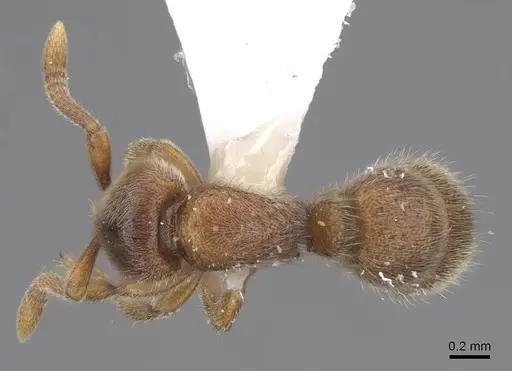
CASENT0916806
View on AntWeb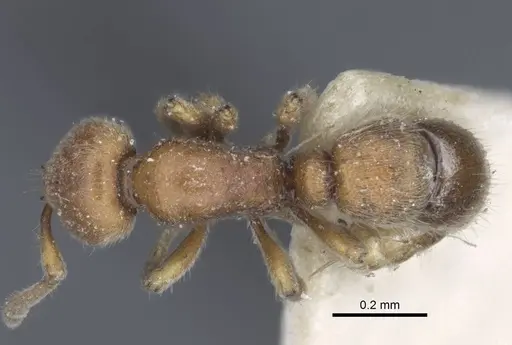
Literature
Loading...Loading products...