

Proceratium foveolatum
- Scientific Name
- Proceratium foveolatum
- Tribe
- Proceratiini
- Subfamily
- Proceratiinae
- Author
- de Andrade, 2003
- Distribution
- Found in 1 countries
Proceratium foveolatum Overview
Proceratium foveolatum is an ant species of the genus Proceratium. It is primarily documented in 1 countries , including Malaysia. Detailed taxonomic data and occurrence records can be further explored via authoritative databases such as AntWeb or the Global Biodiversity Information Facility (GBIF).
Proceratium foveolatum
Proceratium foveolatum is a small, cryptic ant species native to the rainforests of Borneo, including Sarawak in Malaysia and Brunei. Workers measure approximately 5.5mm and are dark brown to black with distinctly lighter antennae and legs. This species is immediately recognizable by its dense covering of deep foveae (tiny pit-like depressions) across the head, mesosoma, petiole, postpetiole, and gaster, the feature that inspired its scientific name 'foveolatum' meaning 'covered in small holes'. The first gastral segment has a distinctive broad, strong angle on its curvature, setting it apart from related species. Males are slightly smaller at approximately 5mm and have been tentatively described. This is a rarely encountered leaf-litter ant that was described relatively recently in 2003 and remains poorly studied in both the wild and captivity.
Quick Summary
- Difficulty: Expert
- Origin & Habitat: Lowland rainforest of Borneo (Sarawak, Malaysia and Brunei Darussalam). In the wild, these ants are found in leaf litter on logs in humid, shaded forest environments [1][2].
- Colony Type: Colony structure is unconfirmed. Based on typical Proceratium genus patterns, likely single-queen colonies with relatively small colony sizes.
- Size & Growth:
- Queen: Approximately 5.5mm based on worker size, queen measurements not specifically documented [3].
- Worker: 5.52mm total length [3].
- Colony: Unknown, but Proceratium colonies typically remain small, likely under 100 workers based on genus patterns.
- Growth: Unknown, likely slow to moderate based on typical Proceratium development patterns.
- Development: Unconfirmed, estimates based on related Proceratium species suggest 2-4 months at warm temperatures. (Development timeline has not been directly studied for this species. Proceratium genus generally has slower development than many common ant species.)
- Antkeeping:
- Temperature: Based on its lowland rainforest origin, keep warm at approximately 24-28°C. A gentle gradient allowing cooler areas around 22°C is recommended. Avoid temperatures below 20°C.
- Humidity: High humidity is essential, maintain 70-85% relative humidity. Keep the nest substrate consistently moist but not waterlogged. These ants naturally live in damp leaf litter environments.
- Diapause: Unknown, as a tropical species from Borneo, diapause may not be required. However, a slight reduction in temperature during winter months (cooling to around 20-22°C for 2-3 months) may be beneficial if the colony shows reduced activity.
- Nesting: Naturalistic setup with moist substrate (soil/peat mix) works best. These cryptic ants prefer dark, enclosed spaces, provide deep leaf litter layers, small cavities under stones or logs, or a Y-tong/plaster nest with tight chambers. They are not arboreal and prefer ground-level nesting.
- Behavior: Proceratium foveolatum is a cryptic, slow-moving ant that forages primarily in leaf litter and rotting wood. Based on genus patterns, they are likely predatory on small soil arthropods (springtails, mites, small insects) rather than being scavengers. Workers are non-aggressive and likely shy, retreating when disturbed. Escape prevention is important despite their moderate size, they can squeeze through small gaps. The small eyes (0.06mm in workers) indicate they rely more on chemical cues than vision.
- Common Issues: this species is extremely rare in the antkeeping hobby and captive colonies are virtually non-existent, finding established colonies is the primary challenge, high humidity requirements make mold prevention a constant concern, ensure adequate ventilation while maintaining moisture, slow growth and development can lead to keeper impatience and overfeeding, which causes mold and colony loss, as a cryptic species, they are easily stressed by disturbance, minimize nest inspections during founding and early colony stages, wild-caught colonies may carry parasites that can devastate small captive populations
Discovery and Description
Proceratium foveolatum was described relatively recently in 2003 by Baroni Urbani and De Andrade based on a single worker specimen collected in 1977 from G. Mulu National Park in Sarawak, Borneo. The specimen was found in leaf litter on a log in lowland rainforest during the RGS (Royal Geographical Society) Expedition. The species name 'foveolatum' comes from the Latin word 'fovea' meaning 'small hole', referring to the distinctive foveae (pit-like depressions) that cover its body, this is the most striking visual characteristic that separates it from related species. Males were tentatively described in the same publication but with less certainty. This remains one of the rarest Proceratium species in collection, with confirmed records only from Borneo and Brunei. [3][1]
Identification and Distinguishing Features
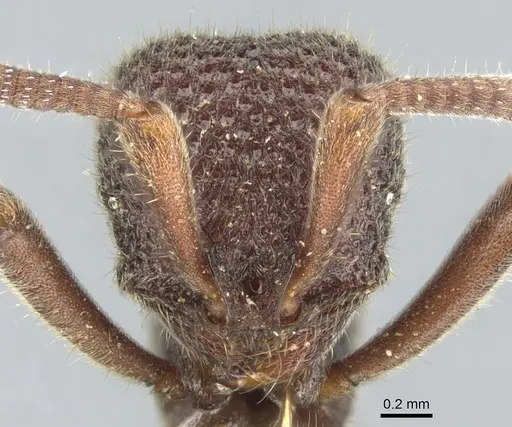
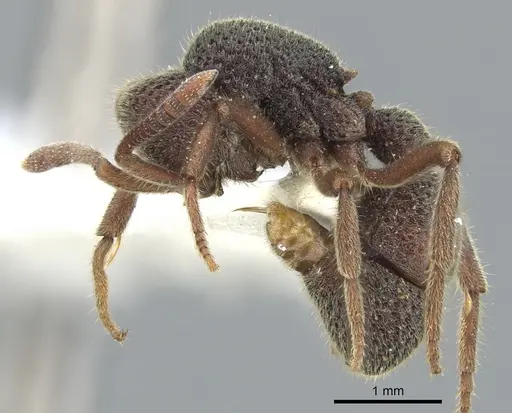
Proceratium foveolatum can be identified by several unique characteristics. The most distinctive is the dense covering of foveae (deep, relatively large, slightly irregular pits) across the head, mesosoma, petiole, postpetiole, and gaster. The first gastral tergite has a broad, strong angle on its curvature, this is different from species like P. gibbosum which has a rounded gastral dorsum. Workers measure approximately 5.52mm with a cephalic index (CI) of 100,meaning the head is exactly as broad as it is long. The eyes are extremely small (0.06mm), placed slightly below the midline of the head. The propodeum bears a pair of relatively long, broad spines between the basal and declivous faces. Color is dark brown to black with noticeably lighter antennae and legs. [3][2]
Natural History and Habitat
This species is known only from the lowland rainforests of Borneo, specifically from Sarawak in Malaysia and Brunei Darussalam. The single known collection was made in leaf litter on a fallen log, indicating a cryptic, ground-dwelling lifestyle typical of the genus Proceratium. These ants are part of the leaf-litter ant community, living in the humid, shaded microhabitats found in tropical rainforest floors. The Proceratium genus contains what are sometimes called 'cowboy ants' or 'armored ants' due to their distinctive appearance, and they are known for being cryptic foragers that hunt small prey in the leaf litter layer rather than foraging openly. [3][1][2]
Feeding and Diet
The diet of Proceratium foveolatum has not been directly studied, but based on typical Proceratium genus behavior, they are likely predatory on small soil-dwelling arthropods. In captivity, you should offer small live prey such as springtails, tiny isopods, and small insects. Frozen fruit flies and small mealworm pieces may be accepted. Proceratium ants are not typically sugar-feeding species, they derive nutrition primarily from protein sources. Avoid sugary liquids unless the ants clearly accept them. Feed small amounts of live prey 2-3 times per week, removing any uneaten prey within 24 hours to prevent mold. The slow-moving nature of these ants means they may take longer to capture prey than more active species.
Housing and Nest Setup
Proceratium foveolatum requires a naturalistic or semi-naturalistic setup that mimics the damp leaf-litter environment of Borneo. A setup with a deep substrate layer (at least 5-7cm) of moist soil or peat moss works well. Add leaf litter, small pieces of rotting wood, and small stones to create hiding spots and foraging areas. The nest area should be dark, these ants avoid light and will not forage in exposed areas. A Y-tong (AAC) or plaster nest with tight chambers can also work if kept consistently moist. Whatever setup you choose, maintain high humidity (70-85%) while ensuring some ventilation to prevent mold. Provide a water reservoir or mist regularly to maintain moisture levels.
Care Challenges and Considerations
This is an expert-level species primarily because captive colonies are essentially non-existent in the antkeeping hobby. The greatest challenge is simply obtaining a colony, they are not commercially available and would require field collection in Borneo, which presents significant legal and practical obstacles. For those fortunate enough to obtain wild-caught specimens, expect significant challenges: these ants are highly sensitive to environmental changes, prone to stress from disturbance, and require precise humidity control. Growth is slow, and colonies may take years to reach even 50 workers. The cryptic nature of this species means they are easily overlooked and may die from what would be minor stressors in more hardy ant species. Do not expect to find established care protocols or community knowledge for this species.
Frequently Asked Questions
Is Proceratium foveolatum available in the antkeeping hobby?
No, this species is essentially unavailable in the antkeeping hobby. It is extremely rare with a limited distribution in Borneo, and no commercial breeding or established captive colonies are known to exist. This is not a species you will find for sale.
How big do Proceratium foveolatum colonies get?
Colony size is not documented, but based on typical Proceratium genus patterns, colonies likely remain small, probably under 100 workers. This is not a species that produces large, impressive colonies.
What do Proceratium foveolatum ants eat?
Based on genus patterns, they are predatory on small soil arthropods. In captivity, offer small live prey like springtails, tiny isopods, and small insects. They are not typical sugar-feeders and likely rely on protein sources.
Do Proceratium foveolatum ants sting?
Proceratium ants have a stingers but are not known for aggressive behavior or painful stings. Given their cryptic, shy nature, they will likely retreat rather than defend when threatened.
What temperature and humidity do they need?
Keep them warm at approximately 24-28°C with high humidity of 70-85%. These are lowland rainforest ants that need consistently moist conditions. A gradient allowing slightly cooler areas (around 22°C) is recommended.
How long does it take for first workers to emerge?
The development timeline is unconfirmed for this species. Based on related Proceratium species, expect 2-4 months from egg to first worker at warm temperatures. Proceratium species generally have slower development than common ant species.
Can beginners keep Proceratium foveolatum?
No, this is an expert-level species. They require precise humidity control, are extremely rare in the hobby, have slow growth, and are highly sensitive to environmental changes. There are no established captive protocols for this species.
Do they need hibernation?
Diapause requirements are unknown. As a tropical species from Borneo, they likely do not require true hibernation. However, a slight temperature reduction during winter months (cooling to around 20-22°C for 2-3 months) may be beneficial if the colony shows reduced activity.
Where does Proceratium foveolatum live in the wild?
They are found only in the lowland rainforests of Borneo, specifically Sarawak in Malaysia and Brunei Darussalam. The only known specimen was collected from leaf litter on a fallen log in humid, shaded forest.
How do I identify Proceratium foveolatum?
The most distinctive feature is the dense covering of foveae (tiny pit-like depressions) across the body. Workers are approximately 5.5mm with a head that is exactly as broad as long (CI 100). The first gastral segment has a distinctive broad angle on its curvature. They are dark brown to black with noticeably lighter antennae and legs.
References

This caresheet is licensed under CC BY-SA 4.0 .
CASENT0902414
View on AntWeb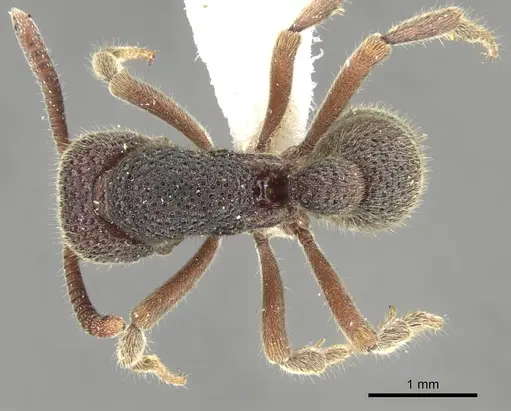
Literature
Loading...Loading products...