

Proceratium deelemani
- Scientific Name
- Proceratium deelemani
- Tribe
- Proceratiini
- Subfamily
- Proceratiinae
- Author
- Perrault, 1981
- Distribution
- Found in 3 countries
Proceratium deelemani Overview
Proceratium deelemani is an ant species of the genus Proceratium. It is primarily documented in 3 countries , including Indonesia, Malaysia, Singapore. Detailed taxonomic data and occurrence records can be further explored via authoritative databases such as AntWeb or the Global Biodiversity Information Facility (GBIF).
Proceratium deelemani
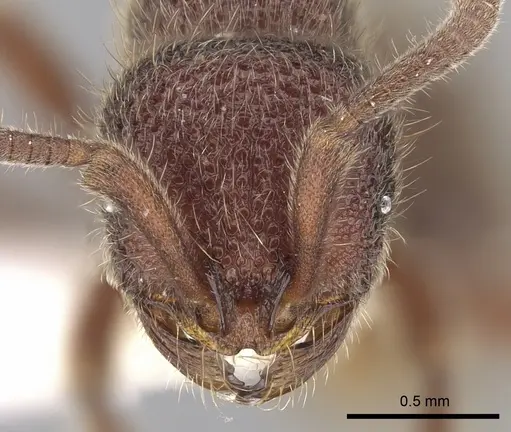
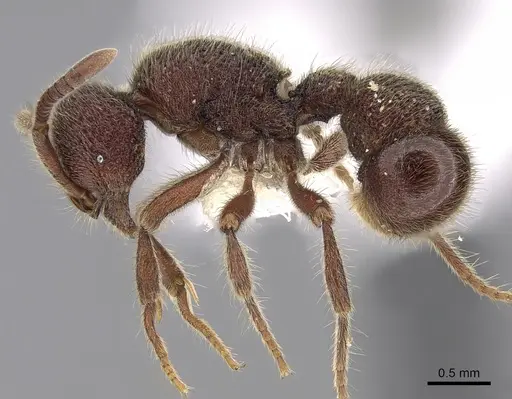
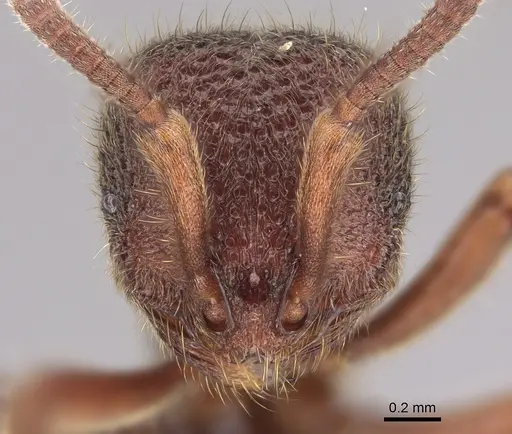
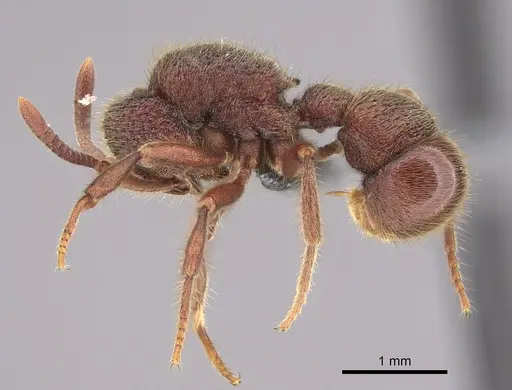
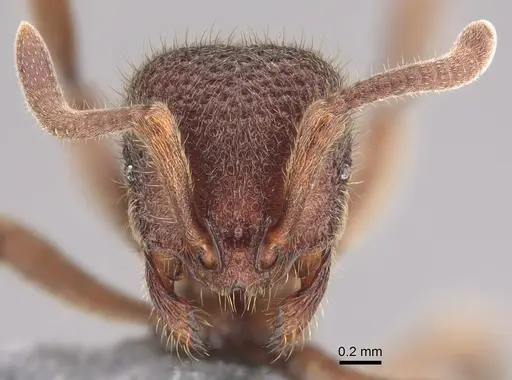
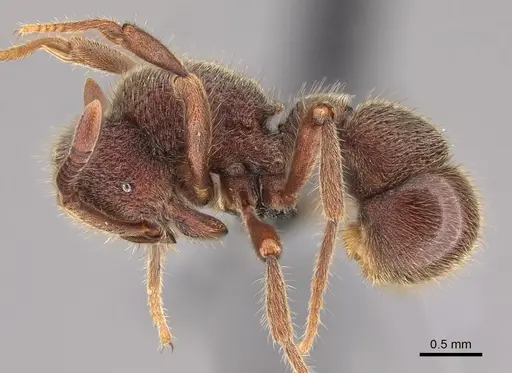
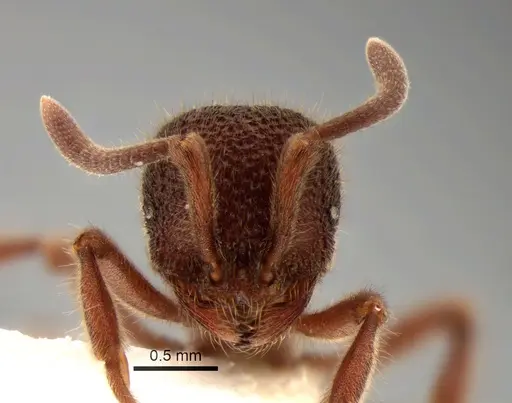
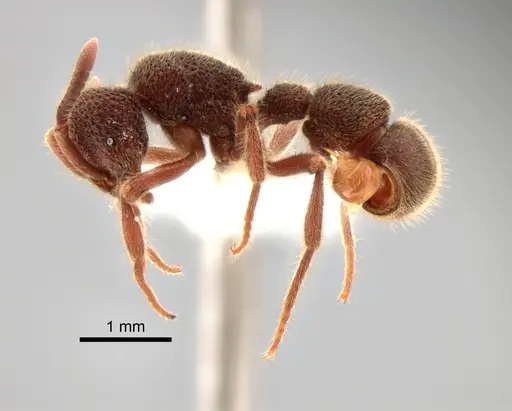
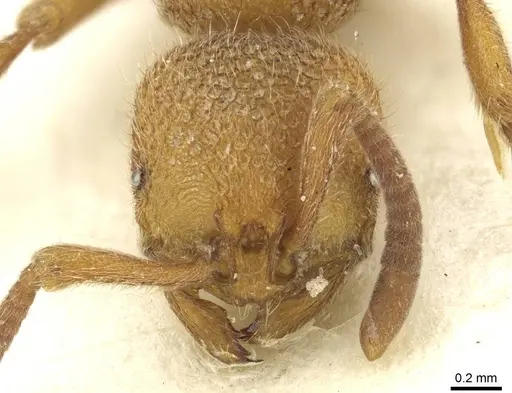
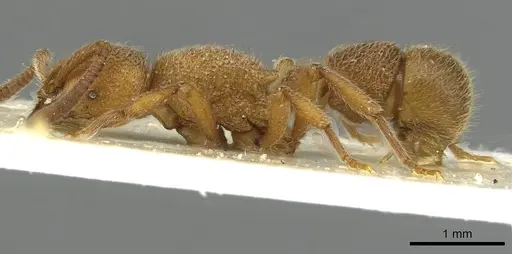
Proceratium deelemani is a small, cryptic ant species belonging to the goliath group within the Proceratiinae subfamily. Workers measure 3.87-4.68 mm and have a distinctive appearance with a dark fenugineous-brown body, strongly diverging frontal carinae, and relatively long spines on the propodeum [1]. The head, mesosoma, petiole, and postpetiole feature deep, irregular foveae (small pits) with superimposed granulation, while the gaster is notably smoother [1]. This species is native to Southeast Asia, with confirmed records from Borneo, Brunei, Malaysia (Sabah and Sarawak), Thailand, Singapore, and southern China (Yunnan) [2][3]. In the wild, they are habitat specialists found exclusively in primary rainforests, typically collected from sifted leaf litter at elevations around 820m [2][4].
Quick Summary
- Difficulty: Medium
- Origin & Habitat: Southeast Asia, Borneo, Brunei, Malaysia, Thailand, Singapore, and southern China (Yunnan). This is a primary forest specialist found exclusively in old-growth rainforest leaf litter at elevations around 820m [2][4]. They are not found in secondary forest or rubber plantations, indicating strict habitat requirements [4].
- Colony Type: Colony structure is unconfirmed. Based on typical Proceratium patterns, likely single-queen colonies, but no specific documentation exists for this species.
- Size & Growth:
- Queen: 5.66 mm [1]
- Worker: 3.87-4.68 mm [1]
- Colony: Unknown, no colony size data available for this species
- Growth: Unknown, no development timing data available for this species
- Development: Unknown, no direct development data available. Based on related Proceratium species and typical small ant development, estimate 6-10 weeks at warm temperatures. (Development timeline has not been directly studied. Estimates based on genus-level patterns for small cryptic ants.)
- Antkeeping:
- Temperature: Keep at 22-26°C. This range aligns with their tropical rainforest origin in Southeast Asia. A gentle gradient allowing workers to self-regulate is recommended.
- Humidity: High humidity required, these are leaf litter ants from humid rainforest environments. Keep substrate consistently moist but not waterlogged. Provide a gradient from damp to slightly drier areas.
- Diapause: Unknown, no specific data on overwintering requirements. Given their tropical distribution (Borneo, Thailand, Singapore), they likely do not require a true diapause but may show reduced activity during cooler periods.
- Nesting: Natural nesting occurs in leaf litter and rotting wood within primary forest floors. In captivity, they do well in naturalistic setups with moist substrate (soil/peat mix) or in test tube setups with access to a humid outworld. Y-tong or plaster nests with small chambers work well given their small size.
- Behavior: These are cryptic, slow-moving ants that forage primarily in leaf litter and soil. They are not aggressive and likely have modest escape abilities given their small size. Workers are probably nocturnal or crepuscular, typical for cryptic forest-floor species. They are likely predatory or omnivorous, feeding on small invertebrates and likely engaging in specialized feeding behaviors typical of Proceratium (including puncturing brood of other ant species to feed on hemolymph, a behavior documented in related species).
- Common Issues: habitat specialist, wild colonies may struggle if not provided with primary forest-like conditions, escape prevention is important due to their small size, use fine mesh and tight-fitting lids, high humidity requirements mean mold can be an issue if ventilation is poor, slow growth and cryptic nature means colonies may appear inactive, this is normal behavior, not a problem, wild-caught colonies may have parasites or stress from collection that causes colony failure in captivity
Natural History and Distribution
Proceratium deelemani is found across Southeast Asia, with confirmed records from Borneo, Brunei, Malaysia (specifically Sabah and Sarawak on Borneo, plus peninsular Malaysia), Thailand, Singapore, and recently documented in China's Yunnan province [2][3]. This represents the northernmost extent of their known range. They are strict habitat specialists, research in Xishuangbanna, China specifically found this species only in primary forest, with zero occurrences in secondary forest or rubber plantations [4]. The type specimen was collected from sifted leaf litter in primary rainforest, and all subsequent records confirm this preference for old-growth forest environments [5]. The elevation record from Yunnan shows them at approximately 820m in rainforest leaf litter [2]. This specialized habitat requirement is a critical consideration for antkeepers, they are not adaptable to degraded habitats.
Identification and Morphology
Workers of P. deelemani measure 3.87-4.68 mm in total length, making them small but not tiny [1]. They belong to the goliath group of Proceratium species and share similarities with P. stictum and P. foveolatum, though they can be distinguished by their more diverging frontal carinae (the ridges near the antennae), shorter hind basitarsi relative to hind tibiae, and deeper head sculpture [1]. The body is dark fenugineous-brown with lighter legs. Their most distinctive features include strongly diverging frontal carinae that extend posteriorly, a pair of relatively long spines on the propodeum (the middle body section), and foveolate (pitted) sculpture covering the head, mesosoma, petiole, and postpetiole [1]. The gaster is notably smoother than the rest of the body. Queens are larger at 5.66 mm and have well-developed eyes and ocelli [1].
Housing and Nest Setup
Given their natural habitat in leaf litter and rotting wood on the forest floor, these ants do best in naturalistic setups that mimic primary rainforest conditions. A setup with a moist soil/peat substrate layer allows them to forage naturally. Test tube setups with a humid outworld also work well, the test tube provides a secure founding chamber while the outworld allows for natural foraging behavior. Because they are small (under 5mm), ensure escape prevention is adequate, fine mesh on any ventilation is recommended. Y-tong nests with small, tight chambers can work, but given their preference for leaf litter environments, a naturalistic setup with substrate may be more appropriate. Regardless of nest type, maintain consistently high humidity, these are forest-floor species that desiccate quickly in dry conditions.
Feeding and Diet
Proceratium ants are known for their unusual feeding behaviors, many species in this genus are predatory or feed on the hemolymph (blood) of other ant species' brood by puncturing them, earning them the common name "Dracula ants." While specific feeding behavior for P. deelemani has not been documented, they likely follow similar patterns. Offer small live prey appropriate to their size: springtails, fruit flies, small mealworms, and other micro-arthropods. Sugar sources like honey water may be accepted but should not be the primary food. Given their cryptic nature and small size, focus on providing varied small protein sources rather than large prey items. Feed conservatively, small amounts of live prey 2-3 times per week, adjusting based on colony consumption.
Temperature and Humidity Requirements
As a tropical species from Southeast Asian rainforests, P. deelemani requires warm and humid conditions. Target temperatures in the 22-26°C range, which aligns with their native habitat in Borneo, Thailand, and surrounding areas. Room temperature within this range is acceptable, if your space is cooler, use a heating cable on one side of the nest to create a gentle gradient. Humidity is critical, these are leaf litter ants from humid primary forests. Keep the nest substrate consistently moist but not waterlogged. The substrate should feel damp to the touch. Allow for some variation with slightly drier areas available so ants can self-regulate. Poor humidity will quickly stress these ants.
Colony Development and Expectations
Because this species has not been kept commonly in captivity and specific development data is lacking, expectations should be tempered. Based on their small size and typical Proceratium patterns, colony growth will likely be slow compared to faster-growing genera like Lasius or Camponotus. Founding colonies may take several months to produce their first workers (nanitics), and reaching significant colony sizes (50+ workers) could take a year or more. These are cryptic ants, do not be alarmed if workers spend considerable time hidden in the substrate or if the colony appears inactive during daytime hours. This is normal behavior for forest-floor species. Patience is essential with this species.
Frequently Asked Questions
How long does it take for Proceratium deelemani to produce first workers?
The exact timeline is unknown as this species has not been studied in captivity. Based on related Proceratium species and typical development for small ants, expect 6-10 weeks from egg to first worker at optimal temperatures (22-26°C). However, this is an estimate, actual timing may vary.
What do Proceratium deelemani ants eat?
While specific feeding behavior is unconfirmed for this species, Proceratium ants are typically predatory or feed on the hemolymph of other ant species' brood. Offer small live prey like springtails, fruit flies, and tiny insects. Small amounts of sugar water may be accepted but should not be the primary food source.
Can I keep Proceratium deelemani in a test tube?
Yes, test tubes work well for founding colonies. Provide a humid outworld for foraging and ensure the test tube has constant access to fresh water. Given their small size and humidity needs, consider a test tube setup with a moist cotton ball and a small outworld container with leaf litter or soil substrate.
Are Proceratium deelemani ants aggressive?
No, these are cryptic, non-aggressive ants. They are small and likely play a more secretive role in the ecosystem rather than defending territory aggressively. They pose no danger to keepers.
Do Proceratium deelemani ants need hibernation?
Probably not. As a tropical species from Southeast Asia (Borneo, Thailand, Singapore), they likely do not require a true diapause. However, they may show reduced activity during cooler periods. If kept in a room that cools significantly in winter, slight temperature reduction is acceptable, but a full hibernation is not necessary.
Why is my Proceratium deelemani colony not active?
This is normal behavior. These are cryptic forest-floor ants that are often nocturnal or crepuscular. They spend much of their time hidden in substrate and may appear inactive, especially during the day. This does not indicate a problem, simply observe during evening hours or provide low-light conditions to see more activity.
What is the difficulty level for keeping Proceratium deelemani?
Medium. The main challenges are providing appropriate primary forest-like conditions (high humidity, specific habitat), their slow growth rate, and the fact that they are not commonly kept so there is less husbandry knowledge available. They are not recommended as a first ant but are manageable for experienced keepers.
How big do Proceratium deelemani colonies get?
Colony size is unknown, no data exists on maximum colony sizes for this species. Based on related Proceratium species and their cryptic, leaf-litter lifestyle, colonies likely remain relatively small (likely under 100-200 workers) rather than forming large supercolonies.
Do Proceratium deelemani ants sting?
Proceratium ants have stingers but are too small to penetrate human skin effectively. They pose no stinging risk to keepers. Their defense is primarily cryptic behavior (hiding) rather than aggression.
When should I move my colony to a formicarium?
Wait until the colony has reached a moderate size (at least 20-30 workers) and shows active foraging behavior. Proceratium deelemani does well in naturalistic setups, so consider a formicarium with soil substrate rather than artificial nests. Moving too early can stress founding colonies.
References

This caresheet is licensed under CC BY-SA 4.0 .
CASENT0281858
View on AntWeb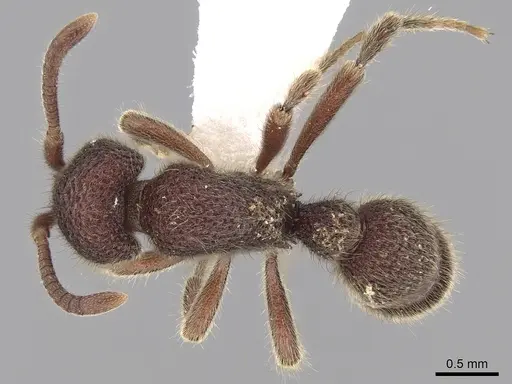
CASENT0746001
View on AntWeb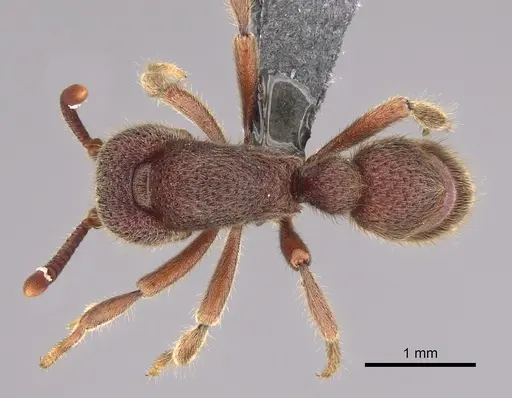
CASENT0746008
View on AntWeb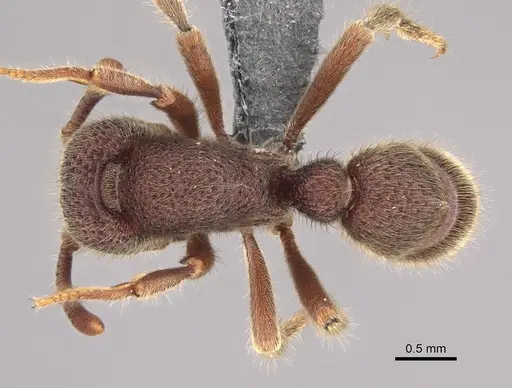
CASENT0882099
View on AntWeb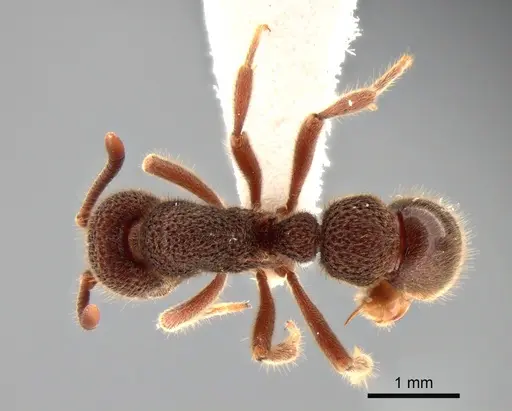
CASENT0915370
View on AntWeb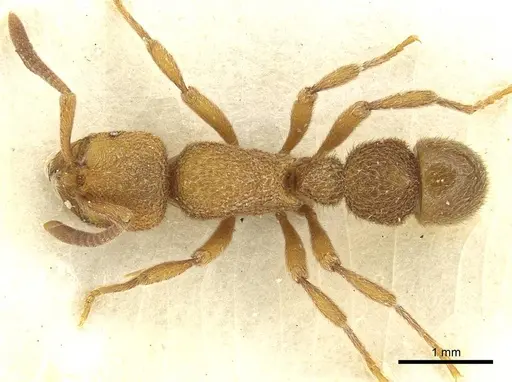
Literature
Loading...Loading products...