

Proceratium croceum
- Scientific Name
- Proceratium croceum
- Tribe
- Proceratiini
- Subfamily
- Proceratiinae
- Author
- Roger, 1860
- Distribution
- Found in 1 countries
Proceratium croceum Overview
Proceratium croceum is an ant species of the genus Proceratium. It is primarily documented in 1 countries , including United States of America. Detailed taxonomic data and occurrence records can be further explored via authoritative databases such as AntWeb or the Global Biodiversity Information Facility (GBIF).
Proceratium croceum
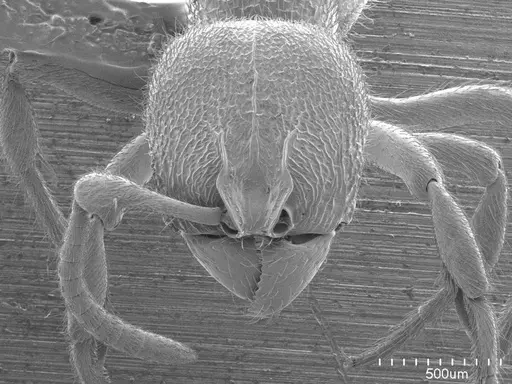
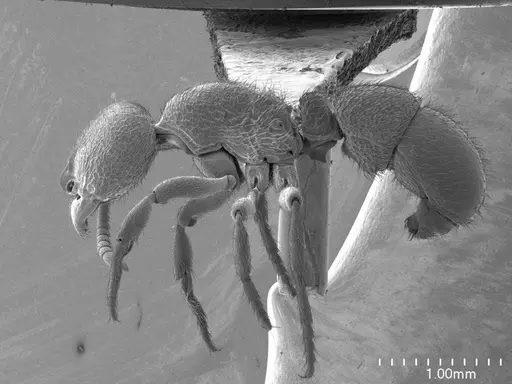
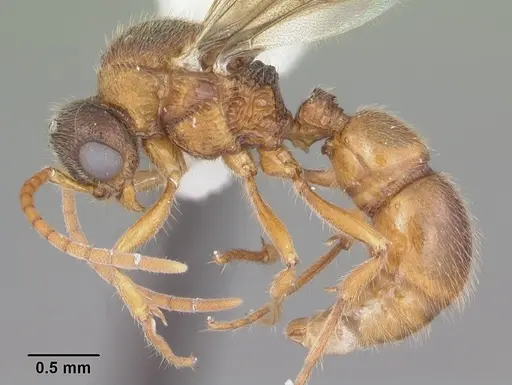
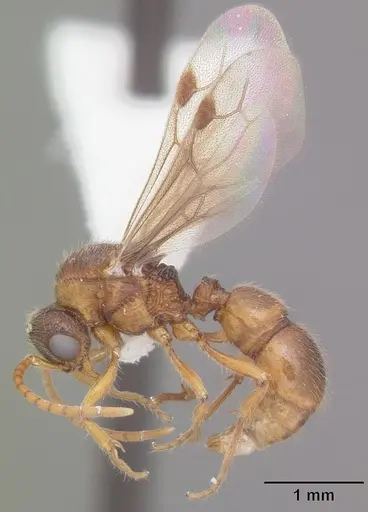
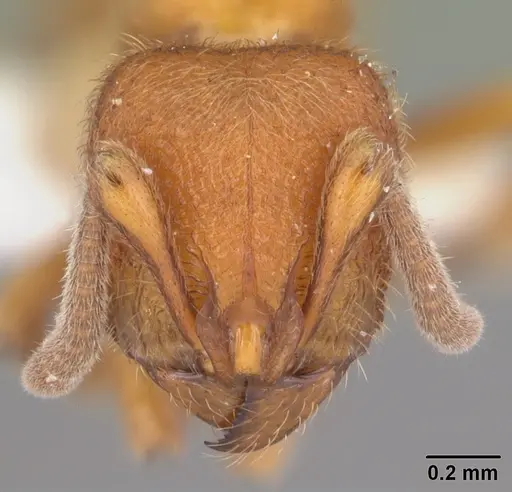
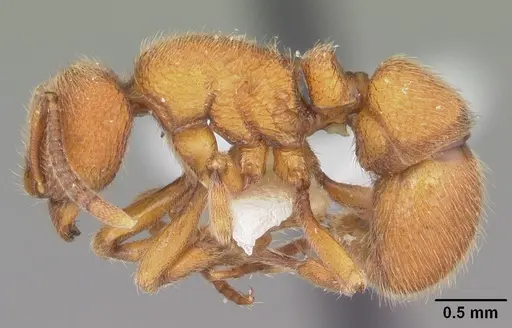
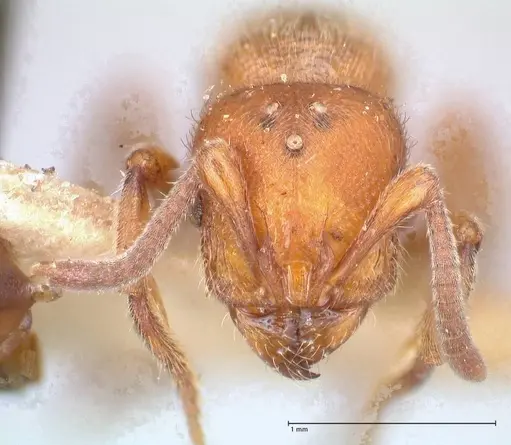
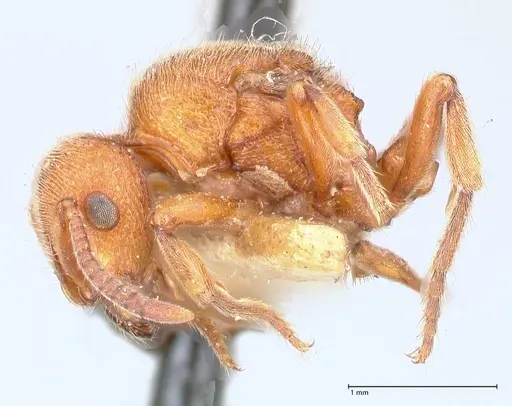
Proceratium croceum is the largest Proceratium species found in the United States, with workers measuring 3.86-5.03mm and queens reaching 5.23-5.43mm [1]. These ants have a distinctive reddish-brown coloration with lighter antennae and legs, and feature a uniquely vaulted abdomen that gives them an unusual appearance. They belong to the subfamily Proceratiinae, characterized by their rectangular petiole and reduced clypeus. This species is rarely collected and lives in hidden nests within rotting wood and stumps in shaded forest areas, making them one of the more enigmatic ants in North America [1][2].
Quick Summary
- Difficulty: Hard
- Origin & Habitat: Eastern United States, ranging from Virginia to Florida and west to Illinois and Texas. They inhabit rotten logs and stumps in shady, damp forest areas, often found beneath the bark of decaying pine logs [1][3][2].
- Colony Type: Single-queen colonies (monogyne). Colonies are small, typically containing around 30 workers [1].
- Colony: Monogyne
- Founding: Claustral
- Size & Growth:
- Queen: 5.23-5.43mm [1]
- Worker: 3.86-5.03mm [1]
- Colony: Approximately 30 workers per colony [1]
- Growth: Slow
- Development: Unknown, likely 8-12 weeks based on related Proceratium species (Development is expected to be slow given their specialized biology and small colony size. No specific studies on development timeline exist for this species.)
- Antkeeping:
- Temperature: Keep at 20-24°C. These are forest-dwelling ants that prefer stable, moderate temperatures. A slight gradient allowing cooler areas is beneficial.
- Humidity: High humidity is essential. They naturally nest in rotting wood which retains moisture. Keep the nest substrate consistently damp but not waterlogged. Mist occasionally and ensure good ventilation to prevent mold.
- Diapause: Likely required. As a temperate species from the eastern US, they probably need a winter rest period of 2-3 months at 10-15°C.
- Nesting: Best kept in naturalistic setups with rotting wood pieces or a Y-tong/plaster nest with high humidity. They prefer tight, enclosed spaces that mimic their natural nest sites in decaying logs.
- Behavior: These ants are very docile and non-aggressive. They are slow-moving and rarely venture far from their nest. Workers are relatively large but show minimal defensive behavior. They are poor climbers and unlikely to escape if given proper barriers, though their size means standard test tube setups work well. They are specialized predators likely targeting arthropod eggs.
- Common Issues: specialized diet makes them difficult to feed, they may refuse standard ant foods, colonies remain small and grow slowly, which can be discouraging, rare in the antkeeping hobby, so established colonies are hard to find, high humidity requirements can lead to mold problems if ventilation is poor, wild-caught colonies may be stressed or have parasites
Housing and Nest Setup
Proceratium croceum requires high-humidity housing that mimics their natural habitat in rotting wood. A Y-tong (acrylic) nest or plaster nest works well, as these materials hold moisture effectively. Alternatively, a naturalistic setup with pieces of rotting wood and damp substrate can replicate their natural conditions. The nest should have tight chambers and narrow passages scaled to their size. Test tubes can work for founding colonies but may need to be modified to maintain higher humidity, consider using a water reservoir and covering part of the tube with a damp substrate. Always provide a foraging area with access to moisture. [1]
Feeding and Diet
This is the most challenging aspect of keeping Proceratium croceum. Based on research into related species, they appear to specialize in eating arthropod eggs [1]. Haskins (1930) attempted to feed captive colonies larvae and pupae of other ants, but the Proceratium larvae died before reaching maturity, suggesting their diet is highly specialized. In captivity, you should attempt to offer small arthropod eggs such as booklice eggs, springtail eggs, or extremely small prey. They may accept tiny live prey like springtails or booklice. Sugar sources are unlikely to be accepted given their predatory nature. This species is challenging to feed and may require culturing appropriate live prey.
Temperature and Seasonal Care
Keep the nest at moderate temperatures between 20-24°C. These forest-dwelling ants prefer stable conditions without major fluctuations. A heating cable on one side of the nest can create a gentle gradient, but ensure temperatures never exceed 26°C. As a species from the temperate eastern United States, they likely require a winter diapause period. Reduce temperatures to 10-15°C for 2-3 months during winter, typically from late autumn through early spring. During this time, reduce feeding significantly and keep the colony slightly drier but not desiccated. [3]
Behavior and Temperament
Proceratium croceum is among the more docile ant species. Workers are slow-moving and show minimal aggression or defensive behavior. They are not known to sting and pose no threat to keepers. Colonies remain small and workers spend most of their time within the nest. They are poor climbers and escape risk is relatively low compared to many other ant species. However, their small colony size and slow growth mean they are best observed rather than handled extensively. They are a observation species rather than an interactive one. [1]
Frequently Asked Questions
What do Proceratium croceum ants eat?
They are specialized predators that likely target arthropod eggs. In captivity, you should attempt to offer tiny live prey such as springtails, booklice, or their eggs. Standard ant foods like mealworms are likely refused. This is one of the most difficult aspects of keeping this species.
How long does it take for Proceratium croceum to produce first workers?
The exact timeline is unknown, but based on related Proceratium species, expect 8-12 weeks from egg to worker at optimal temperature (around 22°C). Growth is slow and colonies remain small.
Are Proceratium croceum ants aggressive?
No, they are very docile and non-aggressive. Workers are slow-moving and show no defensive behavior. They pose no threat to keepers and are considered a peaceful species.
Do Proceratium croceum ants need hibernation?
Likely yes. As a temperate species from the eastern United States, they probably require a winter rest period of 2-3 months at 10-15°C. Reduce feeding during this time and maintain slight moisture.
How big do Proceratium croceum colonies get?
Colonies are small. The largest documented wild colonies contain around 30 workers. In captivity, expect colonies to potentially reach 30-50 workers with optimal care.
What humidity do Proceratium croceum require?
High humidity is essential. They naturally nest in rotting wood in damp, shaded forest areas. Keep the nest substrate consistently moist but not waterlogged, and ensure good ventilation to prevent mold.
Can beginners keep Proceratium croceum?
This species is not recommended for beginners. Their specialized diet, high humidity requirements, slow growth, and rarity make them challenging. They are best suited for experienced antkeepers willing to culture specialized prey.
What temperature is best for Proceratium croceum?
Keep them at 20-24°C with a slight gradient if possible. Avoid temperatures above 26°C. Moderate, stable temperatures are ideal for this forest-dwelling species.
References

This caresheet is licensed under CC BY-SA 4.0 .
ANTWEB1008583
View on AntWeb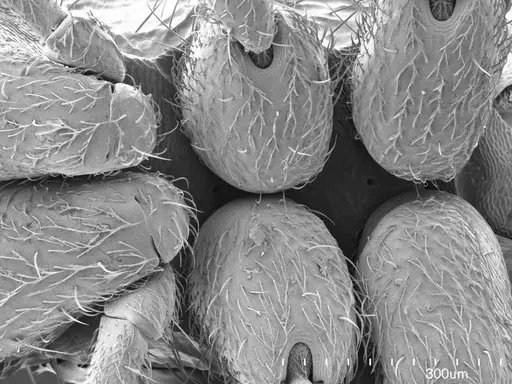
CASENT0104440
View on AntWeb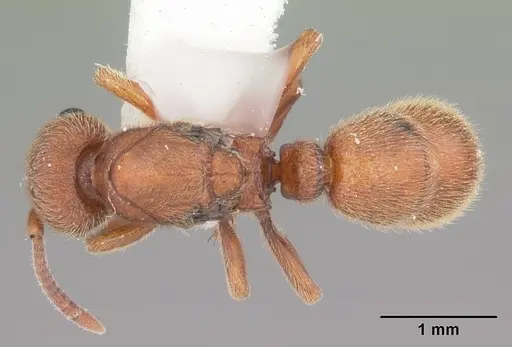
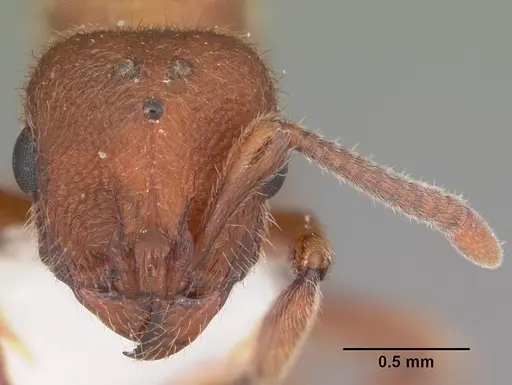
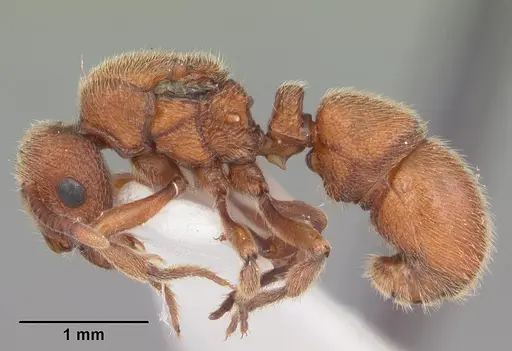
CASENT0104441
View on AntWeb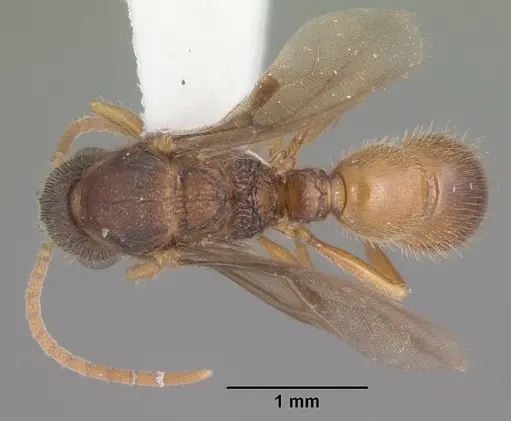
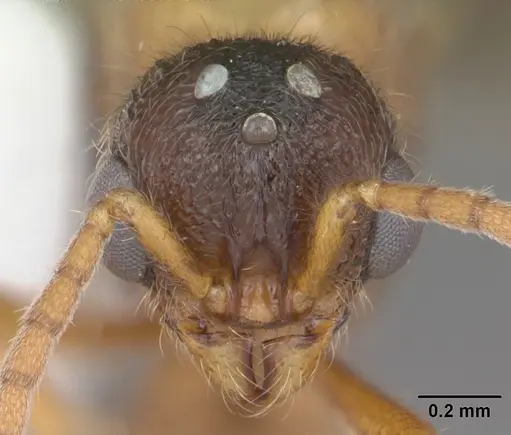
CASENT0104442
View on AntWeb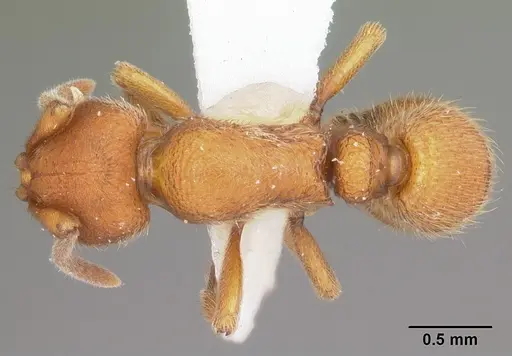
FOCOL0927
View on AntWeb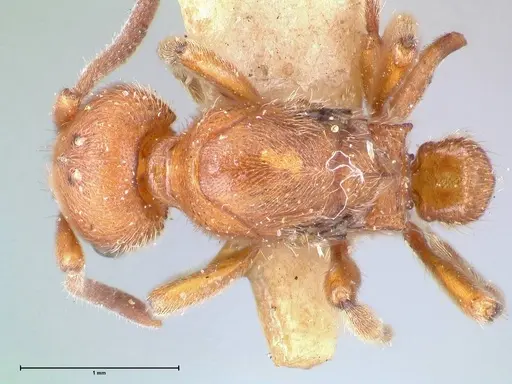
Literature
Loading...Loading products...