

Proceratium crassicorne
- Scientific Name
- Proceratium crassicorne
- Tribe
- Proceratiini
- Subfamily
- Proceratiinae
- Author
- Emery, 1895
- Common Name
- Fat Curltail Ant
- Distribution
- Found in 1 countries
Proceratium crassicorne Overview
Proceratium crassicorne (commonly known as the Fat Curltail Ant) is an ant species of the genus Proceratium. It is primarily documented in 1 countries , including United States of America. Detailed taxonomic data and occurrence records can be further explored via authoritative databases such as AntWeb or the Global Biodiversity Information Facility (GBIF).
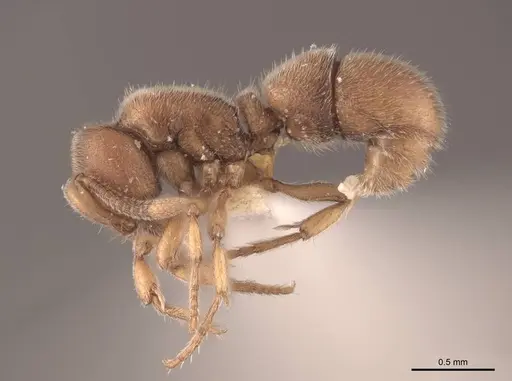
Proceratium crassicorne - "Fat Curltail Ant"
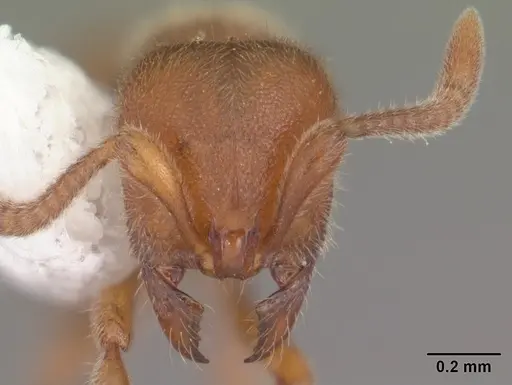
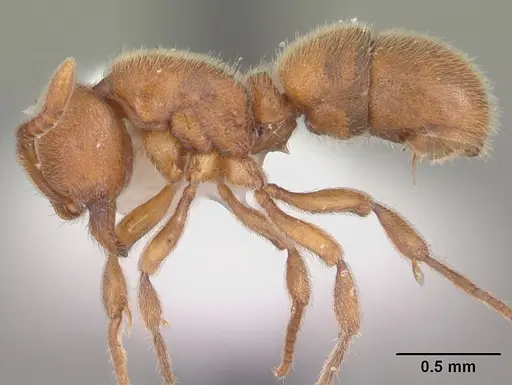
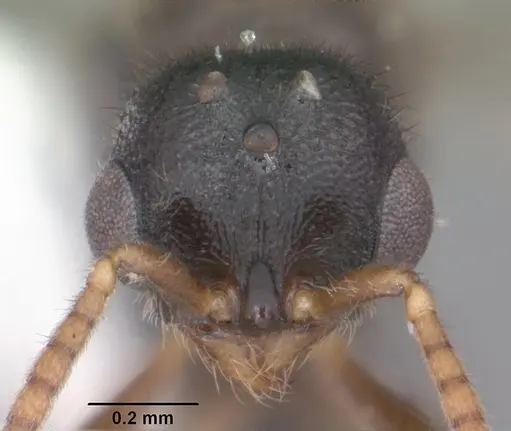
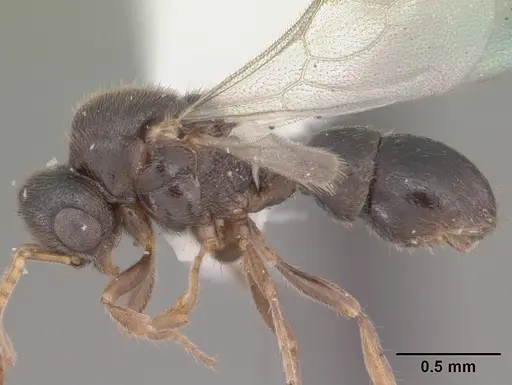
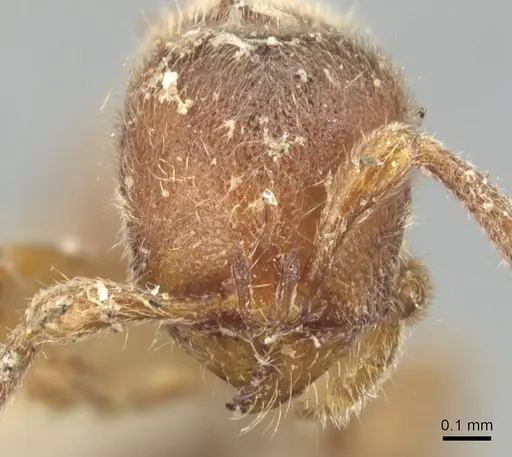
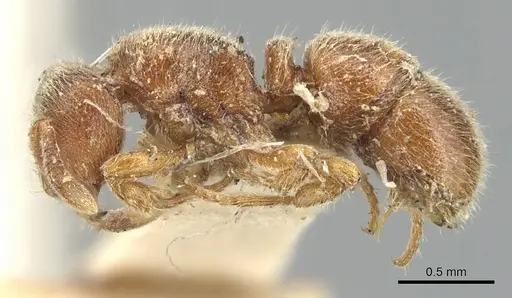
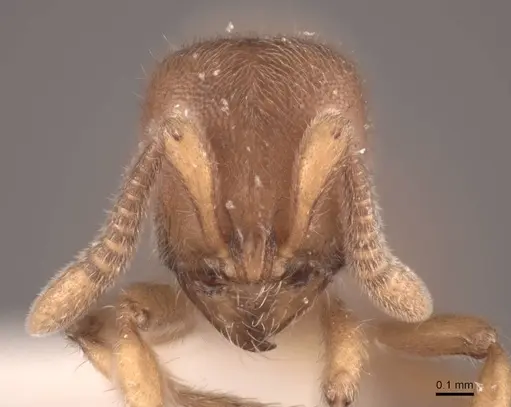
Proceratium crassicorne is a tiny, cryptic ant species native to the eastern United States. Workers measure just 2.7-3.0mm and are dark yellow to light brown with a distinctive high, rectangular petiole (the segment between the thorax and abdomen). These ants are rarely encountered due to their secretive nesting habits in rotting wood, leaf litter, and under stones in hardwood forests. They are specialized predators that hunt the eggs of spiders and other small arthropods, using their unusual body shape to access tight spaces where prey hides. The species was once considered a synonym of Proceratium silaceum but was revived as a valid species in 2003 when detailed morphological study revealed consistent differences in petiole shape, sculpture, and pilosity. This is an expert-level species best suited for antkeepers interested in unusual, predatory ants with specialized diets.
Quick Summary
- Difficulty: Expert
- Origin & Habitat: Eastern United States, from New York south to northwest Florida and west to Missouri and Arkansas. Inhabits hardwood forests including ravines in the Florida Panhandle, typically nesting in rotting wood, leaf litter, dry soil under stones or moss [1][2].
- Colony Type: Likely monogyne (single queen) based on typical Proceratium colony structure. One documented wild colony contained approximately 30 workers plus brood. Small colony size expected, likely under 100 workers at maturity.
- Colony: Monogyne
- Size & Growth:
- Queen: 3.20-3.45 mm [1]
- Worker: 2.74-3.03 mm [1]
- Colony: Likely under 100 workers based on related species and limited field observations [1]
- Growth: Slow, Proceratium species typically develop slowly
- Development: Estimated 8-12 weeks based on related Proceratium species development patterns (Development time is estimated as this species has not been specifically studied. Proceratium ants typically develop more slowly than common house ants.)
- Antkeeping:
- Temperature: Keep around 20-24°C. These are forest-floor ants that prefer moderate, stable temperatures typical of temperate hardwood forests.
- Humidity: Moderate to high humidity. Forest-dwelling species that benefit from moist substrate but not waterlogged conditions. Keep nest substrate consistently damp.
- Diapause: Yes, temperate species requiring a winter rest period. Reduce temperature to 10-15°C for 3-4 months during winter.
- Nesting: Naturalistic setups with rotting wood, cork, or plaster nests work well. They prefer tight, enclosed spaces that mimic their natural nesting sites in decaying logs and under stones. A Y-tong or plaster formicarium with narrow chambers is suitable.
- Behavior: Very secretive and docile. These ants are not aggressive and rarely leave the nest in search of food, instead, they hunt for spider eggs and small arthropods within their nesting material. Workers are slow-moving and spend most of their time in dark, humid spaces. Escape risk is moderate due to their small size, use fine mesh barriers. They do not sting and pose no danger to humans.
- Common Issues: specialized diet makes them difficult to feed, they require spider eggs or very small live prey, small colony size means slow population growth and high vulnerability to stress, escape prevention is important due to their tiny size, wild-caught colonies may have parasites that are difficult to detect, slow development can lead to keeper abandonment if expectations are not set
Housing and Nest Setup
Proceratium crassicorne requires a setup that mimics their natural forest-floor habitat. They nest in rotting wood, under stones, and in leaf litter, so a naturalistic setup with cork, decaying wood pieces, or a plaster nest with tight chambers works best. These ants are extremely secretive and will spend most of their time hidden in the darkest areas of the nest. A Y-tong (acrylic) nest with narrow chambers or a custom plaster formicarium both work well. The outworld should be simple since these ants rarely venture out to forage in open spaces. Keep the nest area humid but not waterlogged, the substrate should feel damp but not soggy. Because they are tiny (under 3mm), ensure all connections and barriers use fine mesh to prevent escapes. [1][2]
Feeding and Diet
This is the most challenging aspect of keeping P. crassicorne. They are specialized predators that primarily hunt spider eggs and small arthropod eggs in the wild. In captivity, you will need to provide live spider eggs (difficult to obtain), or experiment with very small live prey such as newly hatched spiderlings, tiny springtails, or fruit fly eggs. Some keepers have had success offering small live insects like fruit fly larvae, but acceptance is uncertain. Do not rely on sugar water or honey, these ants are predatory and unlikely to accept carbohydrate sources. Feed small amounts of appropriate prey every few days and remove any uneaten prey to prevent mold. This species is not a scavenger like many common ants, they are active hunters. [1]
Temperature and Seasonal Care
Keep your colony at room temperature, ideally between 20-24°C. These are temperate forest ants that do not require heating in most homes. Avoid temperature extremes or sudden fluctuations. During winter (roughly November through February in the Northern Hemisphere), reduce temperatures to 10-15°C to allow for a diapause (winter rest) period. This mimics their natural seasonal cycle and is important for colony health long-term. Do not feed during diapause and reduce moisture slightly. Return to normal temperatures gradually in spring to trigger renewed activity and breeding. [1]
Behavior and Observation
Proceratium crassicorne is one of the most cryptic ant species kept in captivity. Workers are slow-moving, rarely leave the nest, and spend most of their time hunting within the nesting material. You will see less activity than with almost any other ant species. Queens are reclusive and may seal themselves in during founding. Colonies remain small, even mature colonies likely have fewer than 100 workers. They are completely harmless to humans and do not sting. Observation requires patience and a well-designed nest that allows viewing into their chambers. Do not disturb the colony frequently, as this can stress them and cause queen abandonment of brood. [1]
Frequently Asked Questions
How long does it take for Proceratium crassicorne to produce first workers?
Estimated 8-12 weeks from egg to worker at optimal temperature (around 22°C). This is an estimate based on related Proceratium species, as this specific species has not been studied in detail.
What do Proceratium crassicorne eat?
They are specialized predators that hunt spider eggs and small arthropod eggs in the wild. In captivity, you need to provide live spider eggs, tiny springtails, or very small live prey. Sugar sources are unlikely to be accepted.
Are Proceratium crassicorne good for beginners?
No. This is an expert-level species due to their specialized predatory diet, slow growth, small colony size, and secretive nature. They are much more difficult to keep than common ants like Lasius or Camponotus.
Do Proceratium crassicorne ants sting?
No. These ants are completely harmless and do not possess a functional stinger. They pose no danger to humans.
How big do Proceratium crassicorne colonies get?
Colonies remain small, likely under 100 workers at maturity based on field observations of around 30 workers per colony.
Can I keep multiple Proceratium crassicorne queens together?
Not recommended. This species is likely monogyne (single queen). Combining unrelated queens has not been documented and would likely result in fighting.
Do Proceratium crassicorne need hibernation?
Yes. As a temperate species, they require a winter diapause period of 3-4 months at reduced temperatures (10-15°C) to maintain healthy seasonal cycles.
Why can't I see my ants?
This is normal. Proceratium crassicorne is extremely secretive, workers stay hidden in the nest and rarely venture into the outworld. This is not a display species.
When should I move them to a formicarium?
Wait until the colony has at least 20-30 workers and is actively foraging. Given their secretive nature, they may do better remaining in a test tube setup with a moist cotton chamber for longer than other species.
Is Proceratium crassicorne invasive?
No. This is a native species restricted to the eastern United States and is not considered invasive anywhere.
References

This caresheet is licensed under CC BY-SA 4.0 .
CASENT0104436
View on AntWeb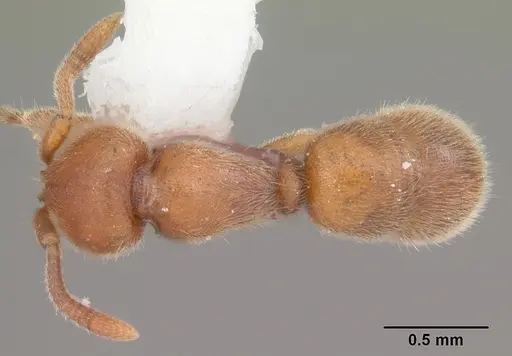
CASENT0104437
View on AntWeb
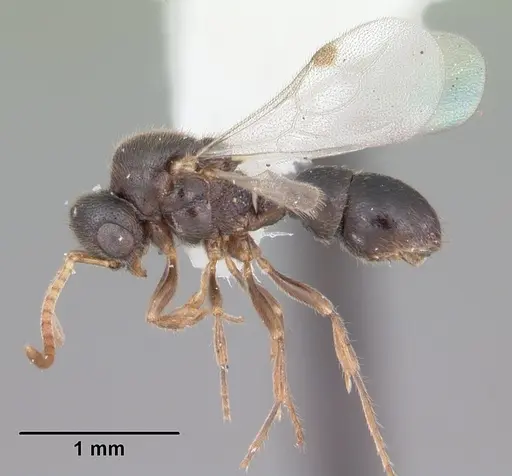
CASENT0903852
View on AntWeb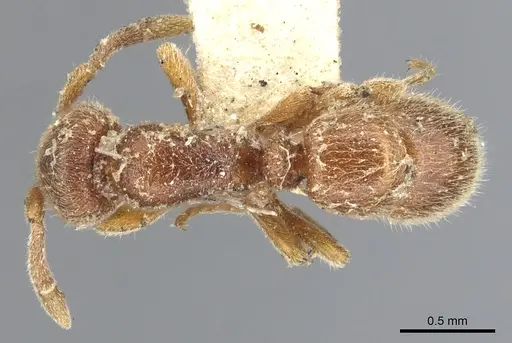
FMNHINS0000057119
View on AntWeb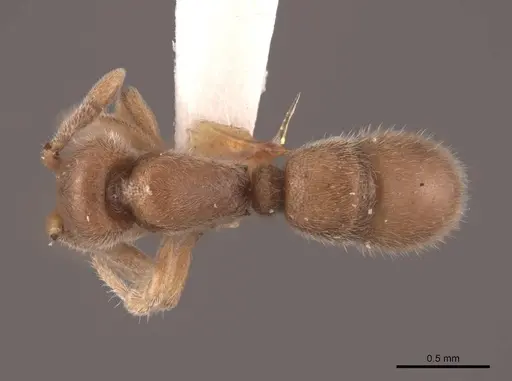
Literature
Loading...Loading products...