

Proceratium chickasaw
- Scientific Name
- Proceratium chickasaw
- Tribe
- Proceratiini
- Subfamily
- Proceratiinae
- Author
- de Andrade, 2003
- Distribution
- Found in 1 countries
Proceratium chickasaw Overview
Proceratium chickasaw is an ant species of the genus Proceratium. It is primarily documented in 1 countries , including United States of America. Detailed taxonomic data and occurrence records can be further explored via authoritative databases such as AntWeb or the Global Biodiversity Information Facility (GBIF).
Proceratium chickasaw
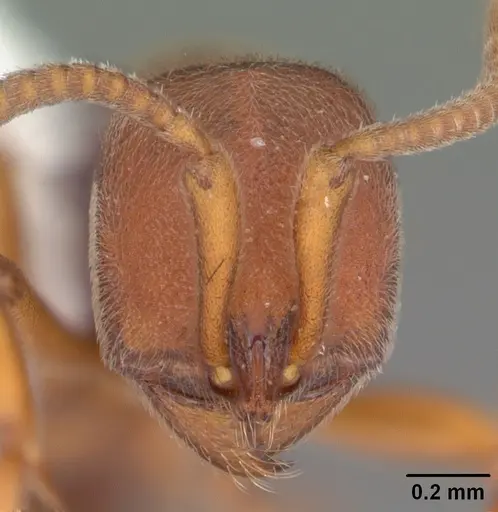
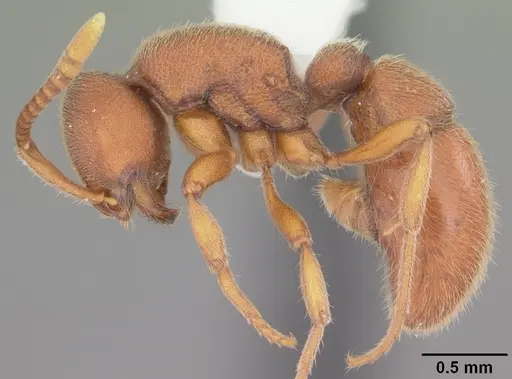
Proceratium chickasaw is a small, cryptic ant species native to the southeastern United States. Workers measure 3.79-4.41mm and have a light brown coloration with an elongated, shiny gaster featuring long, spaced hairs that stand up from the surface. The species was only described in 2003,previously being confused with the similar Proceratium pergandei. They inhabit deep ravines and leaf litter in the Apalachicola River drainage region, which serves as a refuge for southern Appalachian flora and fauna. This is a rarely encountered species in the wild, making captive colonies quite unusual.
Quick Summary
- Difficulty: Hard
- Origin & Habitat: Southeastern United States (Tennessee, Alabama, Mississippi, Georgia, Florida). Found in leaf litter within deep ravines in the Apalachicola River drainage, humid, shaded forest habitats [1][2][3].
- Colony Type: Unconfirmed colony structure. Proceratium species are typically monogyne (single queen) but this has not been specifically documented for P. chickasaw.
- Size & Growth:
- Queen: Unknown, not described in original species description
- Worker: 3.79-4.41mm [1]
- Colony: Likely small, Proceratium colonies typically remain modest, likely under 100 workers based on genus patterns
- Growth: Slow, Proceratium are slow-growing ants
- Development: Unknown, estimated 8-12 weeks based on related Proceratium species at optimal temperature (No direct development data exists for this species. Estimates based on genus-level patterns for Proceratiinae.)
- Antkeeping:
- Temperature: Keep around 20-24°C. Found in temperate southeastern US with seasonal variation, provide a gentle temperature gradient
- Humidity: High humidity required, their natural habitat is damp leaf litter in shaded ravines. Keep nest substrate consistently moist but not waterlogged
- Diapause: Likely yes, temperate species requiring a winter rest period. Provide 2-3 months at 10-15°C during winter
- Nesting: Y-tong or plaster nests work well. They prefer tight, humid chambers. Provide deep leaf litter or soil substrate for foraging area
- Behavior: Very cryptic and docile. Workers are slow-moving and spend most of their time underground. They are not aggressive and rarely leave the nest. Escape risk is moderate, use standard barriers but they are not strong climbers. Their small size and cryptic nature make them a challenging species to observe.
- Common Issues: slow growth can lead to keeper impatience and overfeeding, high humidity requirements can cause mold issues if ventilation is poor, wild-caught colonies may be difficult to establish due to their cryptic nature, limited availability means established colonies are rare, their slow movement can be mistaken for illness by inexperienced keepers
Nest Preferences
Proceratium chickasaw naturally nests in leaf litter and soil within humid, shaded forest ravines. In captivity, they do well in Y-tong nests or plaster nests with tight chambers that retain moisture. They prefer dark, humid conditions and will often remain in the lower chambers of the nest. Provide a deep outworld with moist substrate (soil or sand mixed with leaf litter) to mimic their natural leaf litter habitat. They are not arboreal and do not need vertical space, horizontal space is more important. Test tubes can work for founding colonies but transfer to a proper nest once the colony reaches 10+ workers. [1]
Feeding and Diet
Proceratium ants are typically predatory or scavengers, feeding on small invertebrates and their bodily fluids. In captivity, offer small live prey such as fruit flies, pinhead crickets, and small mealworms. They are slow hunters and may struggle to catch fast-moving prey, so offering pre-killed or injured prey can help. Sugar sources are generally not a significant part of their diet, though they may occasionally accept honey water or sugar water. Feed small amounts 2-3 times per week, removing uneaten prey after 24 hours to prevent mold. Their small colony size means they need very little food.
Temperature and Seasonal Care
Keep colonies at room temperature (20-24°C) with a gentle gradient if possible. They come from the temperate southeastern US and experience seasonal temperature changes. During winter (roughly November-February), reduce temperature to 10-15°C to allow for a diapause period. This mimics their natural seasonal cycle and helps maintain colony health. Do not cool them suddenly, reduce temperature gradually over 1-2 weeks. Heating is not typically necessary if room temperature is within their preferred range, but a heating cable on one side of the nest can provide options if your colony shows signs of being too cold. [1]
Behavior and Temperament
This is one of the most docile and cryptic ant species you can keep. Workers are slow-moving and spend most of their time underground. They are not aggressive and do not have a painful sting, their stingers are present but too small to penetrate human skin effectively. Colonies are very secretive and you may go weeks without seeing workers in the outworld. They are not escape artists and standard barriers are sufficient. The main challenge with this species is simply establishing and maintaining a colony, they are slow-growing and sensitive to environmental changes. Patience is essential.
Colony Establishment
Establishing a Proceratium chickasaw colony can be challenging. If starting from a queen, she should be housed in a small test tube setup with moist cotton and kept in darkness. Queens are likely claustral (seal themselves in and live off stored fat) but this is inferred from genus patterns, not confirmed. Expect 4-8 weeks before any eggs appear, and 2-3 months before the first workers (nanitics) emerge. Wild-caught colonies may be difficult to find as this species is rarely collected. If you obtain a colony, minimize disturbances during the founding stage, stress can cause queens to abandon or eat their brood.
Frequently Asked Questions
How long does it take for Proceratium chickasaw to produce first workers?
The exact timeline is unknown for this species, but based on related Proceratium species, expect 8-12 weeks from egg to worker at optimal temperature (around 22°C). The first workers (nanitics) will be smaller than mature workers.
Do Proceratium chickasaw ants sting?
They have stingers but are not aggressive and rarely use them. The stinger is too small to penetrate human skin in most cases. They are completely safe to handle.
What do Proceratium chickasaw ants eat?
They are predatory/scavenging ants. Feed small live or pre-killed insects like fruit flies, small mealworms, or pinhead crickets. They may accept small amounts of honey water occasionally.
Are Proceratium chickasaw good for beginners?
No, this is an expert-level species. They are slow-growing, require high humidity, and are rarely available. Their cryptic nature also makes them uninteresting to observe compared to more active species.
Do Proceratium chickasaw need hibernation?
Likely yes, as a temperate species from the southeastern US, they likely require a winter rest period of 2-3 months at 10-15°C. This helps maintain their natural seasonal rhythm.
How big do Proceratium chickasaw colonies get?
Based on genus patterns, colonies likely remain small, probably under 100 workers. They are not a fast-spreading species and maintain modest colony sizes.
Can I keep multiple Proceratium chickasaw queens together?
This has not been documented. Based on typical Proceratium behavior, they are likely single-queen (monogyne) species. Combining unrelated queens is not recommended.
References

This caresheet is licensed under CC BY-SA 4.0 .
CASENT0104435
View on AntWeb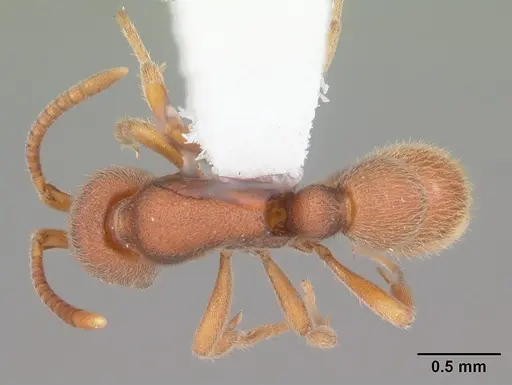
Literature
Loading...Loading products...