

Proceratium austronesicum
- Scientific Name
- Proceratium austronesicum
- Tribe
- Proceratiini
- Subfamily
- Proceratiinae
- Author
- de Andrade, 2003
- Distribution
- Found in 1 countries
Proceratium austronesicum Overview
Proceratium austronesicum is an ant species of the genus Proceratium. It is primarily documented in 1 countries , including Papua New Guinea. Detailed taxonomic data and occurrence records can be further explored via authoritative databases such as AntWeb or the Global Biodiversity Information Facility (GBIF).
Proceratium austronesicum
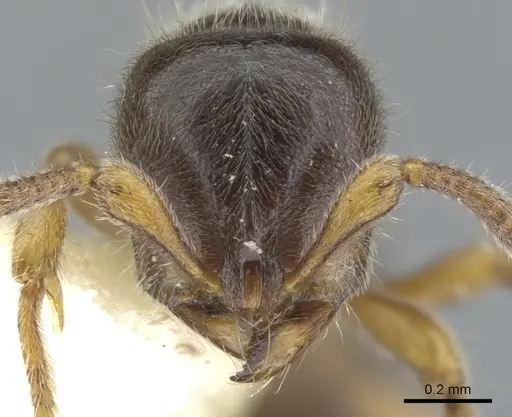
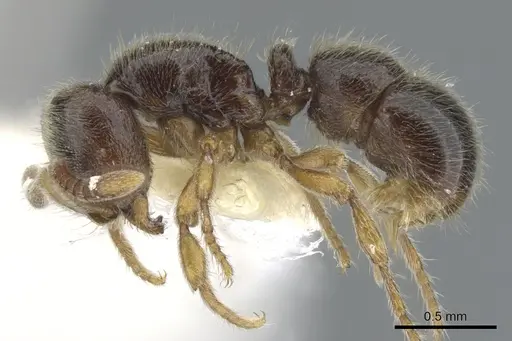
Proceratium austronesicum is a small, cryptic ant species native to Papua New Guinea and the Solomon Islands. Workers measure just 2.7-3.15mm and are dark brown-black with a distinctive lighter coloration on the anterior third of the head, antennae, and legs. This species belongs to the Silaceum Clade and is characterized by narrow frontal carinae, smooth integument, and relatively short hind basitarsi compared to similar species. The genus Proceratium is known for their unusual abdominal structure, the first gastral segment is highly convex and curves upward, giving them a distinctive appearance. These ants are rarely encountered in the wild due to their cryptic nesting habits in soil and rotting wood at higher elevations [1][2].
Nothing is known about the specific biology of P. austronesicum, but Proceratium species in general are slow-moving, predatory ants that hunt small arthropods and their eggs. Colonies remain relatively small, typically under a few hundred workers. Their cryptic nature and limited distribution make them a challenging but rewarding species for experienced antkeepers seeking something unusual [2].
Quick Summary
- Difficulty: Expert
- Origin & Habitat: Papua New Guinea and Solomon Islands (Australasian/Oceania regions). Found at elevations around 1800m in montane forest habitats. The type locality is Mt. Kaindi in Morobe Province, PNG [2].
- Colony Type: Colony structure is unconfirmed. Based on genus patterns, likely single-queen colonies with small worker populations. No data on ergatoid (wingless replacement) queens exists for this species [2].
- Size & Growth:
- Queen: Approximately 3.30mm based on described queen specimen [2]
- Worker: 2.70-3.15mm [2]
- Colony: Unknown, but Proceratium colonies typically remain small, likely under 200-300 workers based on genus patterns [2]
- Growth: Unknown, likely slow based on typical Proceratium behavior and small colony sizes
- Development: Unconfirmed, estimated 8-12 weeks based on related Proceratium species and temperate development patterns (No direct development data exists for this species. Proceratium species typically develop slowly with extended brood stages.)
- Antkeeping:
- Temperature: Keep at room temperature, roughly 20-24°C. Proceratium species prefer stable, moderate temperatures. Avoid overheating, they come from montane habitats and don't tolerate heat well.
- Humidity: High humidity required, these are forest floor ants from damp habitats. Keep nest substrate consistently moist but not waterlogged. Provide a water tube and ensure the nest area maintains humidity around 70-80%.
- Diapause: Unknown, no specific data on overwintering requirements. Montane origin suggests they may tolerate cooler temperatures seasonally. Proceratium species generally do not require formal hibernation but benefit from a slight cooling period in winter.
- Nesting: Proceratium species nest in soil, rotting wood, and under stones in the wild. In captivity, a moist plaster nest or soil-based naturalistic setup works well. They prefer tight, dark chambers and do poorly in exposed or overly bright nests. A test tube setup with moist substrate can work for founding colonies.
- Behavior: Proceratium austronesicum is a cryptic, slow-moving ant species. Workers are not aggressive and lack a functional sting. They are predatory, hunting small arthropods and their eggs. Due to their tiny size, escape prevention is critical, they can squeeze through standard test tube openings. They are primarily nocturnal or crepuscular, with workers rarely visible outside the nest. Foraging is slow and deliberate. Colonies are peaceful and do not exhibit territorial aggression toward other colonies[2].
- Common Issues: escape prevention is critical due to their tiny 2.7-3mm size, standard barriers may not contain them, no biological data exists, keepers must rely on genus-level inference for care, slow growth and small colony sizes mean colonies develop very gradually, high humidity requirements can lead to mold if ventilation is inadequate, predatory diet makes feeding challenging, requires live small prey items
Nest Preferences and Housing
Proceratium austronesicum is a cryptic species that naturally nests in soil, rotting wood, and under stones in montane forest habitats. In captivity, they do best in moist environments that replicate their natural forest floor microhabitat. A moist plaster nest or a soil-based naturalistic setup works well, these allow you to maintain the high humidity they require while providing dark, tight chambers that make them feel secure. Test tubes with cotton-stoppered water reservoirs can work for founding colonies, but watch for escape, their tiny size allows them to squeeze through gaps that would hold larger ants. Avoid bright, exposed nests, these ants are light-sensitive and will retreat to the darkest corners if given the choice. Provide a small outworld connected to the nest for foraging, but keep it simple as they are not active foragers. [2]
Feeding and Diet
Proceratium species are predatory hunters that specialize in capturing small arthropods and their eggs. In captivity, you should offer small live prey such as springtails, fruit fly larvae, tiny crickets, and other micro-arthropods. They are unlikely to accept sugar sources, Proceratium ants do not tend aphids or collect honeydew. Feed small prey items every few days, removing any uneaten prey after 24 hours to prevent mold. Because they are slow-moving hunters, prey must be small enough to be overcome by a single worker. A varied diet of different small invertebrates will help ensure proper nutrition. Do not expect them to scavenge aggressively like many Formica or Lasius species, they are ambush predators.
Temperature and Seasonal Care
Keep Proceratium austronesicum at stable room temperature, ideally around 20-24°C. Their montane origin (type locality at 1800m elevation) suggests they prefer cooler conditions than many tropical ants and may be sensitive to overheating. Avoid placing the nest near direct sunlight or heat sources. A slight temperature drop in winter (to around 16-18°C) may be beneficial but is not required, no specific diapause data exists for this species. Monitor colony activity: if workers become sluggish and cluster together, the temperature may be too low, if they avoid the nest area, it may be too warm. Proceratium species are sensitive to temperature fluctuations, so aim for consistency rather than extremes.
Behavior and Colony Dynamics
Proceratium austronesicum workers are slow-moving and non-aggressive. They do not possess a functional sting and pose no threat to humans. Colonies are small and grow slowly, expect your colony to remain under a few hundred workers even at maturity. Workers are cryptic and spend most of their time within the nest. Foraging is minimal and deliberate, you may not see workers out hunting frequently. This species is not a claustral founder in the traditional sense, queens may require some food during founding, though this is unconfirmed for this specific species. Colony founding is likely slow, with the queen producing a small first brood over several months. Be patient, Proceratium colonies can take years to reach significant size[2].
Frequently Asked Questions
How long does it take for Proceratium austronesicum to produce first workers?
The exact timeline is unconfirmed, but based on related Proceratium species, expect 8-12 weeks from egg to first worker at optimal temperature. Proceratium species are known for slow development, be patient with founding colonies.
Can I keep Proceratium austronesicum in a test tube?
Yes, test tubes work for founding colonies, but escape prevention must be excellent due to their tiny 2.7-3mm size. Use fine mesh barriers and check regularly for gaps. Transfer to a more naturalistic setup once the colony grows.
What do Proceratium austronesicum ants eat?
They are predatory and need small live prey. Offer springtails, fruit fly larvae, tiny crickets, and other micro-arthropods. They are unlikely to accept sugar water or honey. Remove uneaten prey after 24 hours.
Are Proceratium austronesicum ants dangerous?
No, they are completely harmless. They lack a functional sting and are non-aggressive. They pose no threat to humans or pets.
How big do Proceratium austronesicum colonies get?
Colony size is unconfirmed but Proceratium species typically remain small, likely under 200-300 workers at maturity. They are slow-growing and colonies may take years to reach full size.
Do Proceratium austronesicum ants need hibernation?
No specific data exists, but their montane origin suggests they may tolerate cooler winter temperatures. They do not require formal hibernation like temperate species. A slight cooling period in winter may be beneficial.
Why are my Proceratium austronesicum dying?
Common causes include: escape (tiny size allows escapes through standard barriers), low humidity (they need moist conditions), improper feeding (they need live prey, not sugar), and temperature stress (avoid overheating). Also ensure adequate ventilation to prevent mold.
Is Proceratium austronesicum good for beginners?
No, this is an expert-level species. Almost no biological data exists for this species, making care challenging. Their tiny size, specific humidity needs, predatory diet, and slow growth require experienced keepers. Consider starting with more documented species like Lasius or Camponotus.
When should I move Proceratium austronesicum to a formicarium?
Keep them in a test tube or small container for founding. Once the colony reaches 20-30 workers and the test tube becomes crowded, transfer to a moist plaster or naturalistic setup. They prefer dark, tight chambers.
Can I keep multiple Proceratium austronesicum queens together?
Not recommended, no data exists on colony founding behavior for this species. Combining unrelated queens of this species has not been documented. Based on genus patterns, they likely establish single-queen colonies.
References

This caresheet is licensed under CC BY-SA 4.0 .
CASENT0902423
View on AntWeb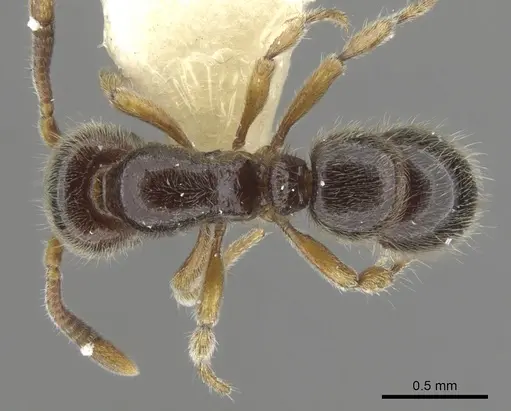
Literature
Loading...Loading products...