

Proceratium arnoldi
- Scientific Name
- Proceratium arnoldi
- Tribe
- Proceratiini
- Subfamily
- Proceratiinae
- Author
- Forel, 1913
- Distribution
- Found in 2 countries
Proceratium arnoldi Overview
Proceratium arnoldi is an ant species of the genus Proceratium. It is primarily documented in 2 countries , including South Africa, Zimbabwe. Detailed taxonomic data and occurrence records can be further explored via authoritative databases such as AntWeb or the Global Biodiversity Information Facility (GBIF).
Proceratium arnoldi
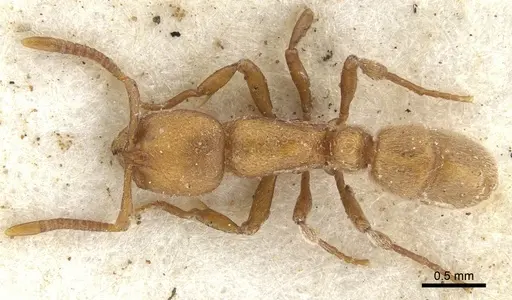
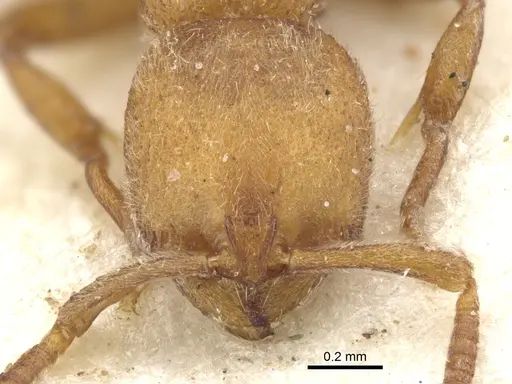
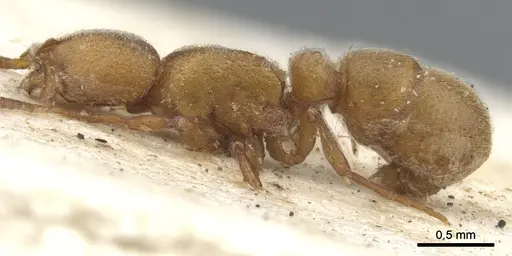
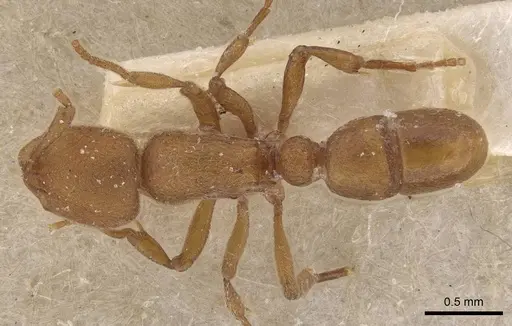
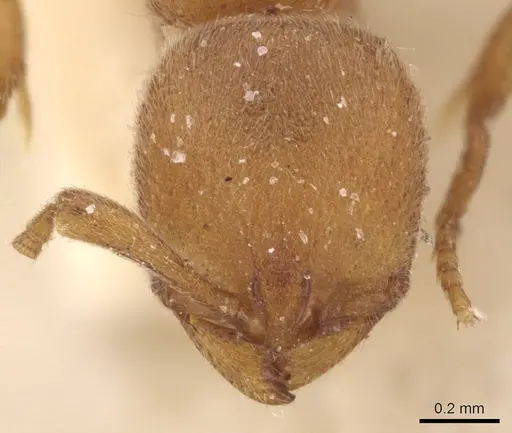
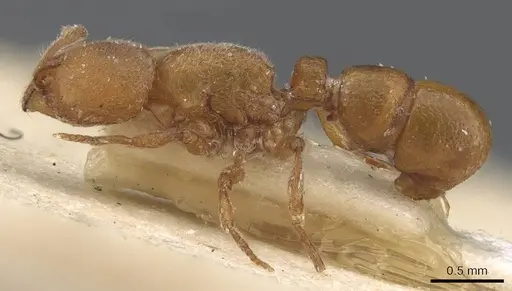
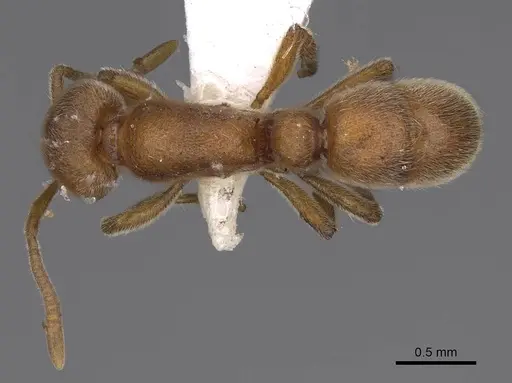
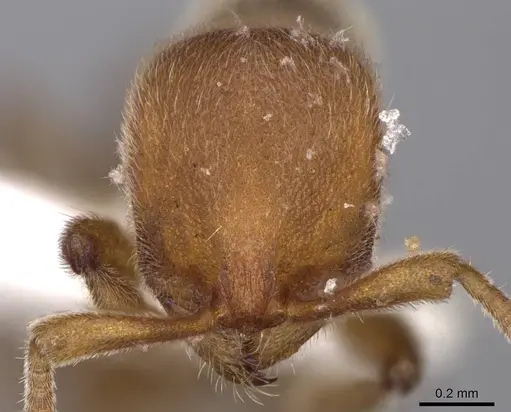
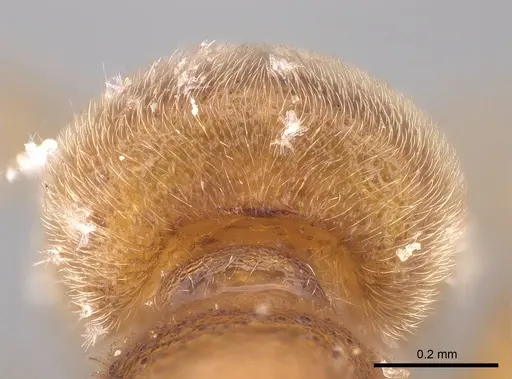
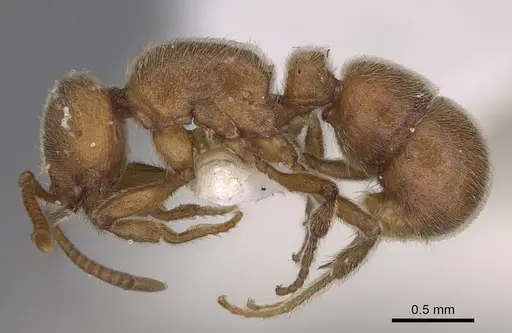
Proceratium arnoldi is a tiny, cryptic ant species native to southern Africa (Zimbabwe and South Africa). Workers measure just 3.2-3.3mm and are light brown in color with a distinctly elongated head that is longer than broad. The most striking feature is their extremely reduced eyes, visible only as a single dark ommatidium beneath the integument, making them effectively blind like many subterranean ants. The genus Proceratium belongs to the subfamily Proceratiinae, known for their cryptic, underground lifestyle. This species is part of the Arnoldi Clade and was described over 100 years ago, yet remarkably no natural history information exists for this ant in the scientific literature [1].
What makes P. arnoldi particularly interesting is its extreme specialization as a subterranean predator. The genus Proceratium is known for hunting springtails and other tiny soil arthropods, using their reduced eyes and slow, deliberate movements to ambush prey in dark microhabitats. This species represents a real challenge for advanced antkeepers, not because of aggression or difficult temperature requirements, but because so little is known about its specific needs that keeping it successfully requires careful observation and experimentation.
Quick Summary
- Difficulty: Expert
- Origin & Habitat: Known only from two widely separated localities in Zimbabwe (Bulawayo) and South Africa. Likely more widespread in the region between. Found in the Afrotropical zoogeographic zone [2][1].
- Colony Type: Colony structure is unconfirmed. Based on genus patterns, likely single-queen (monogyne) colonies with relatively small colony sizes of perhaps 50-200 workers [1].
- Size & Growth:
- Queen: Undescribed, no queen specimens have been documented [1].
- Worker: 3.24-3.29mm total length (HL 0.78-0.79mm, HW 0.68-0.69mm).
- Colony: Unknown, no colony samples have been studied. Based on related Proceratium species, likely 50-200 workers [1].
- Growth: Likely slow, Proceratium species are known for slow development and small colony sizes [1].
- Development: Unconfirmed, no direct observations exist. Based on genus patterns for small Proceratium species, estimate 8-12 weeks at warm temperatures. (No specific development data exists for this species. Estimates based on typical Proceratium genus patterns.)
- Antkeeping:
- Temperature: No specific data exists. Based on the species being from southern Africa (Zimbabwe/South Africa), aim for warm conditions around 22-26°C. Avoid temperatures below 18°C. Provide a gentle thermal gradient so ants can self-regulate.
- Humidity: No specific data exists. Proceratium species typically prefer humid, damp conditions similar to their forest floor and rotting wood microhabitats. Keep nest substrate consistently moist but not waterlogged. Provide a moisture gradient with damp and drier areas.
- Diapause: Unknown, no seasonal data exists for this species. The Zimbabwe location suggests they may tolerate or require a mild winter rest period, but this is unconfirmed [1].
- Nesting: No direct observations of natural nesting. Proceratium species typically nest in rotting wood, under stones, or in soil cavities in shaded, humid locations. In captivity, a Y-tong (AAC) nest with tight chambers or a moist plaster/soil nest works well. Provide small chambers scaled to their tiny size. Keep nesting area dark and undisturbed.
- Behavior: Proceratium ants are cryptic, slow-moving predators. Workers are not aggressive and rarely leave the nest to forage openly. They hunt by ambush, using their reduced eyes to detect movement of springtails and other tiny prey. Escape risk is moderate, while small, they are not particularly active or prone to escaping compared to more mobile ants. However, their tiny size means standard test tube setups should still have proper barriers. They are essentially blind and rely on vibrations and chemical cues [1].
- Common Issues: no natural history data exists, keepers must experiment to discover what works, extremely small size makes escape prevention important despite low activity, slow growth may lead keepers to overfeed or disturb the colony unnecessarily, prey acceptance is unknown, may require specific springtail or micro-arthropod feeding, humidity requirements are uncertain, too dry or too wet could both be fatal
Housing and Nest Setup
Proceratium arnoldi presents a unique challenge because no captive husbandry information exists for this specific species. Based on genus patterns, you should create a dark, humid environment that mimics their natural subterranean habitat. A Y-tong (AAC) nest with small, tight chambers works well, the narrow passages match their slow, deliberate movement style. Alternatively, a moist plaster nest or a naturalistic setup with rotting wood pieces can work. The key is keeping the nesting area dark and undisturbed, these ants are photosensitive and will stress if exposed to bright light. Because they are essentially blind, they rely heavily on chemical and tactile cues, so avoid disturbing the nest once the colony is established. Provide an outworld for foraging that is simple and easy to clean. [1]
Feeding and Diet
The diet of P. arnoldi is completely unstudied, but Proceratium genus members are specialized predators on springtails (Collembola) and other tiny soil arthropods. In captivity, you should prioritize offering live small prey such as springtails, pot worms (Enchytraeidae), and other micro-arthropods. Fruit flies and tiny crickets may be accepted but are likely too large. Do not rely on sugar sources, Proceratium species are not known for honeydew collection or nectar feeding. Some keepers report success with very small pieces of insect flesh, but the key is offering appropriately-sized live prey. Feed sparingly and remove uneaten prey to prevent mold. The cryptic nature of this ant means you may not see active foraging, prey should be offered in the outworld and the colony observed over hours/days. [1]
Temperature and Seasonal Care
No specific thermal data exists for P. arnoldi. The species is known from Zimbabwe and South Africa, which experience warm summers and mild winters. Start with temperatures in the 22-26°C range and observe colony behavior. If workers become sluggish, slightly increase temperature. If they avoid the heated areas, reduce temperature. Provide a thermal gradient by placing a heating cable on only one side of the nest, allowing ants to move to cooler areas if needed. Regarding winter dormancy, no data exists, the safe approach is to maintain stable temperatures year-round unless you observe natural slowing behavior. Some southern African ants do enter a brief quiescence period during cooler months. Monitor the colony closely and adjust based on their response. [2]
Handling and Observation
Proceratium arnoldi is not a display ant, these are cryptic, secretive ants that spend most of their time in darkness. You should expect minimal visible activity. Workers move slowly and deliberately, ambushing prey rather than actively hunting. The extremely reduced eyes (single ommatidium) mean they are nearly blind and navigate primarily through chemical signals. When observing, use red light or dim lighting to avoid stressing the colony. Avoid vibrations and nest disturbances. Because no captive breeding information exists, you should document your observations carefully, what you discover may become the first published information about this species in captivity. This makes P. arnoldi a species for dedicated antkeepers interested in discovery and observation rather than active interaction. [1]
Frequently Asked Questions
How long does it take for Proceratium arnoldi to produce first workers?
This is completely unconfirmed, no captive breeding records exist. Based on typical Proceratium genus patterns for small species, estimate 8-12 weeks from egg to worker at warm temperatures (24-26°C). The queen likely seals herself in (claustral founding) and survives on stored fat reserves until the first workers emerge.
What do Proceratium arnoldi eat?
No feeding observations exist for this species. Based on genus patterns, they are specialized predators on tiny soil arthropods. Offer live springtails, pot worms, and other micro-arthropods. They are unlikely to accept sugar water or large prey items. Start with springtails as the primary food source.
Can I keep Proceratium arnoldi in a test tube setup?
Yes, a test tube setup can work for founding colonies. Ensure the water reservoir is appropriately sized, not too large to cause flooding. Cover the tube with a dark sleeve to simulate the dark subterranean conditions they prefer. However, you may need to transition to a more suitable nest (Y-tong or moist plaster) once the colony grows, as they prefer humid, tight spaces.
Are Proceratium arnoldi good for beginners?
No. This species is rated Expert difficulty precisely because no natural history information exists. There are no care guides, no established feeding protocols, and no known successful captive breeding records. Keeping this species requires experimentation and careful observation. Only experienced antkeepers should attempt this species [1].
Do Proceratium arnoldi ants sting?
Proceratium species have stingers but are not aggressive and rarely use them. Given their cryptic nature and near-blindness, they are extremely unlikely to sting handlers. The stinger is present but these ants are not defensive [1].
How big do Proceratium arnoldi colonies get?
No colony size data exists. Based on related Proceratium species, expect small colonies of 50-200 workers. They are not large colony formers like some Lasius or Camponotus species. Growth is likely slow.
What temperature should I keep Proceratium arnoldi at?
No specific data exists. Start with 22-26°C based on the species' African distribution. Provide a thermal gradient so the ants can self-regulate. Avoid temperatures below 18°C. Observe colony activity and adjust accordingly.
Do Proceratium arnoldi need hibernation?
Unknown, no seasonal data exists. The species is from southern Africa where winters are mild. The safest approach is to maintain stable temperatures year-round unless you observe natural slowing. Some adjustment during cooler months may be beneficial, but this is unconfirmed [1].
Why can't I find any information about keeping Proceratium arnoldi?
This species is extremely rare in both the wild and in antkeeping. It was described in 1913 but has never had its natural history studied. No scientific papers document its behavior, diet, or captive care. This is a species where you may become the pioneer, your observations could be the first information available.
Can I keep multiple queens together?
Not documented. Based on typical Proceratium patterns, single-queen colonies are likely. Combining unrelated queens is not recommended since this has not been studied and could result in aggression. If you obtain a queen, house her alone for founding.
References

This caresheet is licensed under CC BY-SA 4.0 .
Literature
Loading...Loading products...