

Proceratium algiricum
- Scientific Name
- Proceratium algiricum
- Tribe
- Proceratiini
- Subfamily
- Proceratiinae
- Author
- Forel, 1899
- Distribution
- Found in 4 countries
Proceratium algiricum Overview
Proceratium algiricum is an ant species of the genus Proceratium. It is primarily documented in 4 countries , including Algeria, Greece, Morocco. Detailed taxonomic data and occurrence records can be further explored via authoritative databases such as AntWeb or the Global Biodiversity Information Facility (GBIF).
Proceratium algiricum
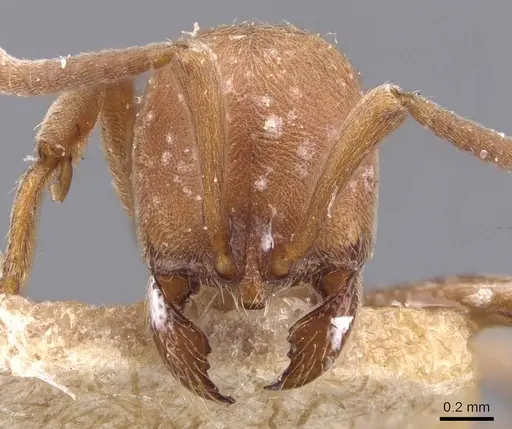
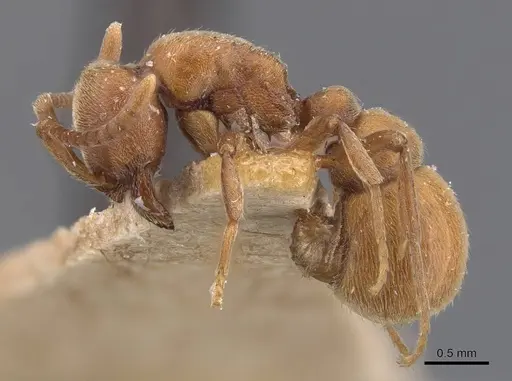
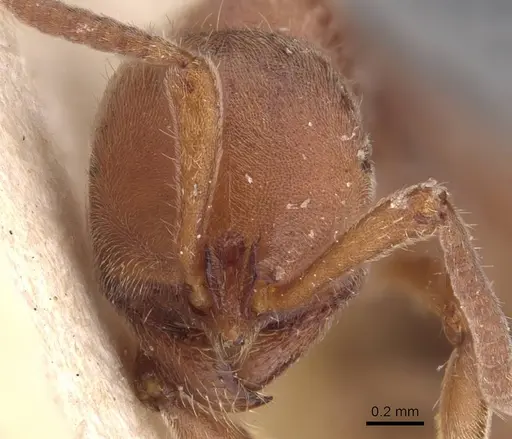
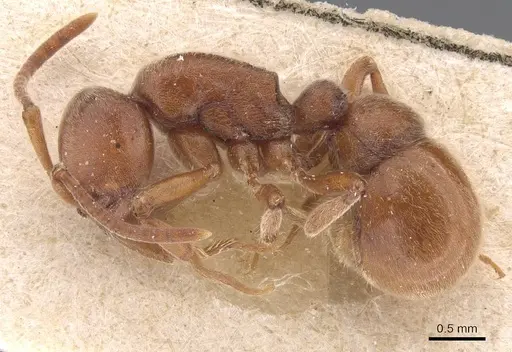
Proceratium algiricum is a small, pale brown ant belonging to the Proceratiinae subfamily. Workers measure 4.3-5.2mm and queens reach about 5.4mm. They have a distinctive appearance with a strongly convex gaster (abdomen), giving them a somewhat hunched look, and their pale yellowish-brown to light brown coloration helps distinguish them from darker related species. This ant is found across the Mediterranean region, from North Africa (Algeria, Morocco, Tunisia) through the Balkans (Croatia, Serbia, North Macedonia) into southern Europe (Italy, Greece) [1][2].
What makes Proceratium ants truly unique is their feeding behavior, they're often called 'dracula ants' because they don't feed their larvae solid food. Instead, queens and workers puncture the larvae's skin and drink their hemolymph (the insect equivalent of blood), a behavior called larval hemolymph feeding. This is why they have unusually large larvae compared to other ants, the larvae serve as a living food source. This unusual biology makes them a fascinating but challenging species to keep [3].
Quick Summary
- Difficulty: Expert
- Origin & Habitat: Mediterranean region, found in Algeria, Croatia, Greece, Italy, Malta, Morocco, Serbia, and Tunisia. They live in humid, shaded environments like gorges with streams and plane forests, typically nesting under stones or in soil at elevations around 300-400m [1][2].
- Colony Type: Likely monogyne (single queen) based on typical Proceratium patterns. Colonies remain small, probably under 100 workers given their specialized biology and slow growth [3].
- Colony: Monogyne
- Founding: Claustral
- Size & Growth:
- Queen: 5.42mm
- Worker: 4.3-5.2mm [1]
- Colony: Likely under 100 workers, Proceratium colonies are typically small [3]
- Growth: Slow, Proceratium species are known for very slow colony development [3]
- Development: Estimated 8-12 weeks based on genus patterns, but unconfirmed for this specific species (Proceratium species develop slowly. The unusual larval hemolymph feeding behavior may affect development timing. Temperature-dependent, warmer conditions speed development somewhat.)
- Antkeeping:
- Temperature: Keep around 20-24°C. Mediterranean origin suggests they prefer moderate warmth. Avoid overheating, they naturally live in shaded, humid microhabitats [1].
- Humidity: High humidity is essential. These ants live in damp gorges and forest floors. Keep nest substrate consistently moist but not waterlogged. Provide a water tube as a humidity source [1].
- Diapause: Likely required. Mediterranean populations probably need a mild winter rest period (around 10-15°C) for 2-3 months. This helps synchronize their annual cycle [3].
- Nesting: Natural nesting: under stones in humid soil, in gorges with stream vegetation. In captivity: test tubes with moist cotton work well for founding colonies. Later stages can use plaster nests or acrylic setups with high humidity chambers. Keep nesting area dark and undisturbed [1].
- Behavior: Very docile and non-aggressive. Workers are slow-moving and rarely venture far from the nest. They are not escape artists due to their moderate size, but standard escape prevention (Fluon on test tube rims) is still recommended. The most notable behavior is their unique larval hemolymph feeding, queens and workers will wound larvae to drink their hemolymph, which is their primary food transfer mechanism. This means they don't hunt or forage for prey like typical ants [3].
- Common Issues: slow growth tests patience, colonies may take months to produce first workers and years to reach moderate size, specialized diet means standard ant food often fails, they need live prey AND the unique hemolymph feeding behavior, high humidity requirements can lead to mold if ventilation is poor, wild-caught colonies may have parasites that are difficult to treat in captivity, disturbance-sensitive, frequent nest checks can cause queens to abandon or eat brood
Housing and Nest Setup
Proceratium algiricum requires high humidity and minimal disturbance. For founding colonies, a test tube setup works well, fill one end with water-saturated cotton, place the queen in the dry portion, and plug with dry cotton. Keep the tube in darkness and avoid vibrations. For established colonies, plaster nests or acrylic formicaria with moisture chambers maintain the damp conditions they need. The nesting area should be kept at 80-90% humidity. Unlike many ants, they don't need a separate outworld, they prefer to stay hidden. If you provide one, keep it small and humid. Avoid direct light and keep the nest in a quiet location [1].
Feeding and Diet - The Dracula Ant Way
This is the most critical and unusual aspect of keeping Proceratium. Unlike typical ants that feed larvae solid prey, this species practices larval hemolymph feeding. Queens and workers wound developing larvae and drink their hemolymph (blood-like fluid). The larvae are not killed but can be fed upon multiple times. This means you cannot simply drop prey into the nest and expect the colony to survive. You must provide small live prey (fruit flies, pinhead crickets, springtails) but understand that the primary food transfer happens through the larvae. Some keepers report success with offering pre-killed prey, but live prey is more likely to be accepted. Sugar water is sometimes taken but is not their primary food source. This specialized diet makes them challenging even for experienced antkeepers [3].
Temperature and Seasonal Care
Keep Proceratium algiricum at moderate temperatures between 20-24°C. They come from Mediterranean regions with hot summers but naturally inhabit shaded, humid microhabitats like gorges, so they should never be overheated. Room temperature (around 21-23°C) is often ideal. During winter, provide a mild diapause at 10-15°C for 2-3 months. This mimics their natural seasonal cycle in the Mediterranean. Place them in a cool basement, unheated room, or refrigerator (not freezer) during this period. Reduce feeding during diapause and keep the nest slightly drier but not dry. Do not feed during the deepest part of winter rest [1][3].
Colony Development and Growth
Proceratium colonies grow extremely slowly. A newly mated queen may take 2-4 months just to lay her first eggs, and another 2-4 months to produce nanitic (first) workers. Even after workers arrive, growth remains gradual. Full colonies may take 2-3 years to reach 50 workers. This slow pace is normal for the genus and reflects their K-selected strategy, they invest heavily in each individual rather than producing many workers quickly. Do not be tempted to increase feeding to speed growth, overfeeding can actually harm the colony because excess prey can introduce pathogens or attract mold in the humid setup they require. Patience is essential with this species [3].
Behavior and Observation
Proceratium algiricum workers are docile and slow-moving. They spend most of their time in the nest, tending to the brood. You will rarely see the dramatic foraging activity common in many ant species. When you do observe them, notice how the queen and workers will occasionally approach larvae and gently wound them to access hemolymph, this is their unique feeding behavior and completely normal. Workers may also lick the wounds afterward, which may help the larvae heal. The colony is highly sensitive to disturbance, frequent nest checks can cause stress, leading to the queen consuming her brood. For observation, use red film over the nest or keep the room dark, as red light doesn't disturb them as much as white light [3].
Frequently Asked Questions
How long does it take for Proceratium algiricum to produce first workers?
Expect 3-6 months from founding to first workers. This is a slow-growing species even by Proceratium standards. The queen will lay eggs, and they develop through larval and pupal stages before emerging as workers. Be patient, disturbing the nest to check can set back development [3].
What do I feed Proceratium algiricum?
This is the most challenging aspect. You must provide small live prey (fruit flies, springtails, tiny crickets) but understand that their unique hemolymph feeding behavior means the larvae are the actual food source. Queens and workers wound larvae to drink their hemolymph. Offer prey 2-3 times per week and remove uneaten remains. Some colonies accept pre-killed prey, but live prey is more reliable [3].
Can I keep multiple Proceratium algiricum queens together?
Not recommended. This species is likely monogyne (single queen) in nature. Combining unrelated queens has not been documented and would likely result in fighting. Even if they tolerate each other initially, stress and conflict would probably reduce colony success [3].
Do Proceratium algiricum ants sting?
They have a stinger but rarely use it. These ants are extremely docile and not aggressive. The stinger is too small to penetrate human skin in most cases. They pose no danger to keepers [3].
How big do Proceratium algiricum colonies get?
Small, likely under 100 workers even in mature colonies. This is typical for the genus. They are K-selected species that invest heavily in each individual rather than producing large worker numbers quickly. A 50-worker colony after several years would be considered well-established [3].
Does Proceratium algiricum need hibernation?
Yes, a mild winter diapause is recommended. Keep them at 10-15°C for 2-3 months during winter (roughly November-February in the Northern Hemisphere). This mimics their natural Mediterranean cycle. Reduce feeding during this period and keep the nest slightly drier but not completely dry [3].
Why is my Proceratium colony not growing?
Several possibilities: (1) Overfeeding, excess prey causes mold in their humid setup. (2) Disturbance, frequent nest checks stress the colony. (3) Temperature issues, too cold slows development, too hot can kill them. (4) Incorrect diet, they need live prey for the hemolymph feeding behavior to work properly. (5) Simply patience, this species is naturally very slow [3].
Are Proceratium algiricum good for beginners?
No, this is an expert-level species. Their unique hemolymph feeding biology, extremely slow growth, high humidity requirements, and sensitivity to disturbance make them challenging even for experienced antkeepers. Start with easier species like Lasius, Tetramorium, or Camponotus before attempting Proceratium [3].
When should I move Proceratium algiricum to a formicarium?
Wait until the colony has at least 15-20 workers and the test tube is becoming crowded. Proceratium prefer to stay in the nest area, so the outworld can be minimal. When moving, use gentle transfer, these ants stress easily. Keep the new setup humid and dark for the first few weeks [3].
References

This caresheet is licensed under CC BY-SA 4.0 .
CASENT0907202
View on AntWeb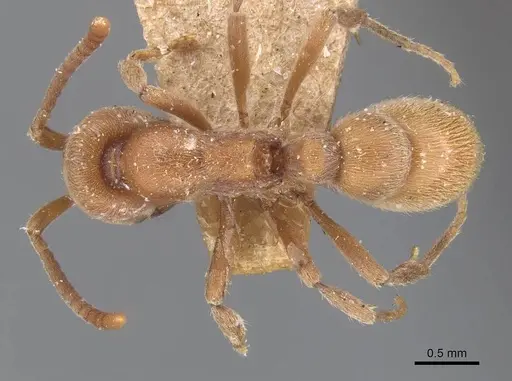
CASENT0907206
View on AntWeb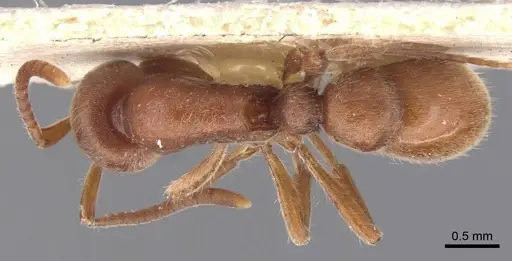
Literature
Loading...Loading products...