

Probolomyrmex watanabei
- Scientific Name
- Probolomyrmex watanabei
- Tribe
- Probolomyrmecini
- Subfamily
- Proceratiinae
- Author
- Tanaka, 1974
- Distribution
- Found in 1 countries
Probolomyrmex watanabei Overview
Probolomyrmex watanabei is an ant species of the genus Probolomyrmex. It is primarily documented in 1 countries , including Malaysia. Detailed taxonomic data and occurrence records can be further explored via authoritative databases such as AntWeb or the Global Biodiversity Information Facility (GBIF).
Probolomyrmex watanabei
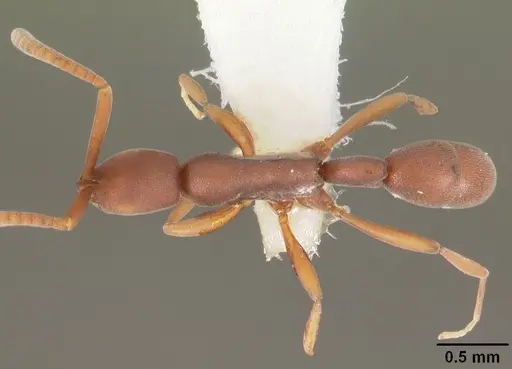
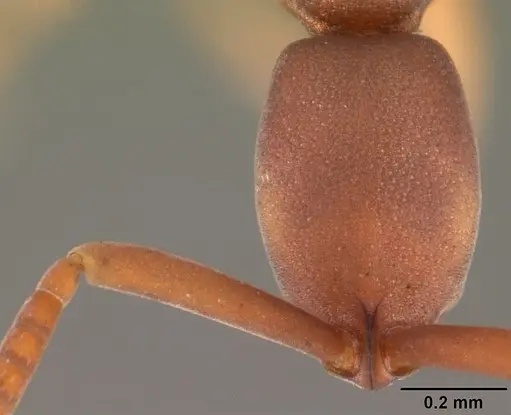
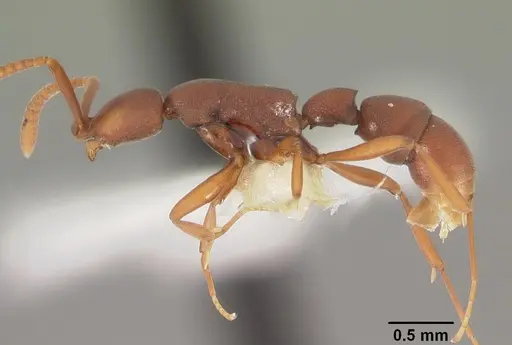
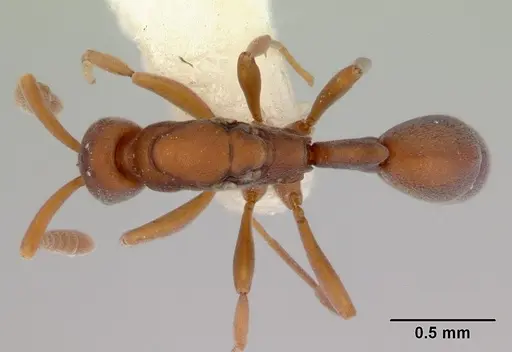
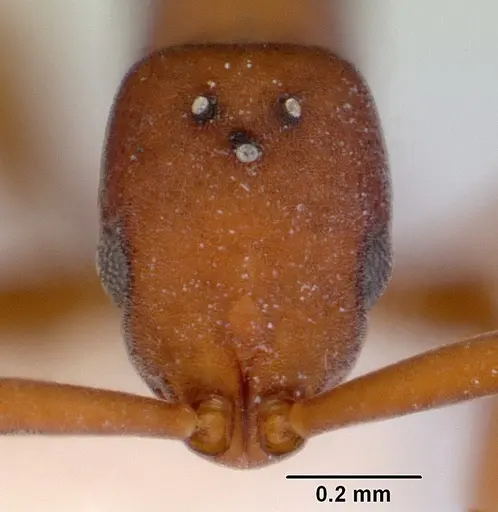
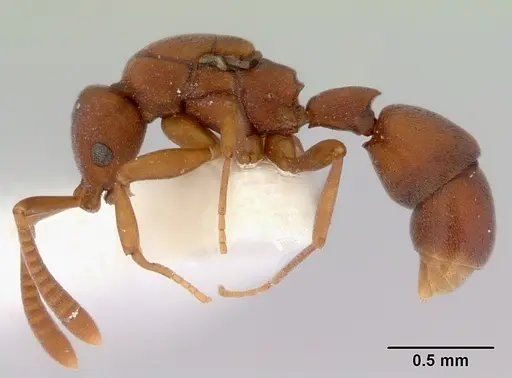
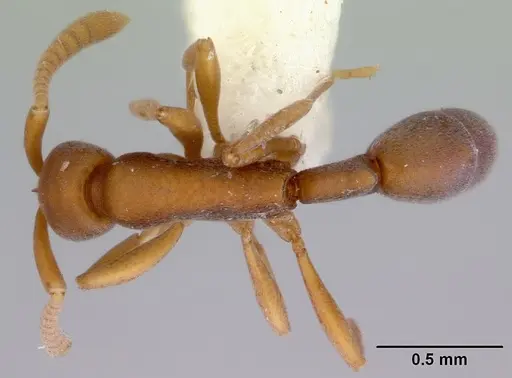
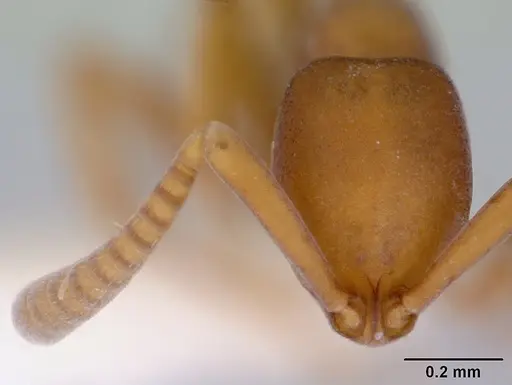
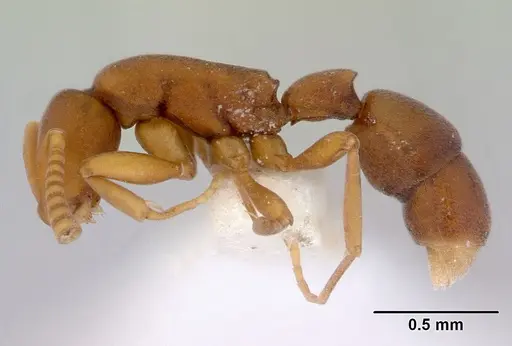
Probolomyrmex watanabei is an extremely tiny subterranean ant species from the Proceratiinae subfamily, found only in the Southern Malay Peninsula (Malaysia and Singapore). Workers measure just 0.64-0.72mm in head length, making them among the smallest ants you can keep [1]. They are entirely eyeless as workers, with a distinctive horn-like projection on the back of their petiole (the segment between their middle body and abdomen) that helps identify this species [1]. Their body is ferruginous brown with yellowish tips on the abdomen [1]. These ants live in primary and mature secondary rainforests, where they inhabit the leaf litter layer on the forest floor [2]. This is a rarely kept species with almost no documented captive care information, most of what we know comes from a handful of museum specimens and field studies.
Quick Summary
- Difficulty: Hard
- Origin & Habitat: Southern Malay Peninsula, Malaysia (Kedah, Selangor) and Singapore. Found in primary and mature secondary rainforest leaf litter [2][1].
- Colony Type: Colony structure is unconfirmed. Based on a related species (P. okinawaensis) having a single dealate queen with 12 workers in one documented colony, single-queen colonies are likely [3].
- Colony: Monogyne
- Founding: Claustral
- Size & Growth:
- Queen: 0.69mm head length [1], estimated
- Worker: 0.64-0.72mm head length [1]
- Colony: Unknown, only small colonies documented (12 workers in one observed colony of related species) [3]
- Growth: Unknown, estimated based on tiny size and tropical habitat
- Development: Unknown, likely 4-8 weeks based on related Probolomyrmex species (No direct development data exists for this species. Tropical Probolomyrmex species typically develop relatively quickly.)
- Antkeeping:
- Temperature: Likely 24-28°C based on tropical rainforest habitat. Start in the mid-range and observe colony activity.
- Humidity: High humidity (70-85%) matching damp forest floor conditions. Keep substrate consistently moist but not waterlogged.
- Diapause: No, this is a tropical species from consistent climate habitats [2].
- Nesting: In nature they nest in dead wood on the forest floor and leaf litter [3][2]. A naturalistic setup with moist substrate (like coco peat or soil mix) and small pieces of decaying wood works best. Their tiny size means they need very small chambers and passages.
- Behavior: These are hypogaeic (subterranean) ants that live almost entirely hidden in leaf litter and decaying wood. Workers are blind (no eyes) and forage through the substrate rather than on open surfaces. They are predatory, feeding on tiny soil arthropods. Their small size makes escape likely without excellent barrier precautions. They are not aggressive and rarely if ever would be able to sting a human [1].
- Common Issues: their tiny size makes escape prevention critical, use fine mesh and tight-fitting barriers, almost no captive care information exists, this is an experimental species for experienced keepers, wild-caught colonies may be stressed from collection and difficult to establish, their subterranean lifestyle means you rarely see the ants, this is not a display species, feeding is challenging, they need tiny live prey like springtails and micro-arthropods
Housing and Nest Setup
Probolomyrmex watanabei requires a naturalistic setup that mimics their forest floor habitat. Use a container filled with moist substrate (a mix of coco peat, sand, and decaying leaf litter works well) with small pieces of dead wood or bark for them to nest in [3][2]. Because they are hypogaeic (subterranean), they will spend most of their time hidden within the substrate rather than visible on surfaces. A shallow container with good depth of substrate (at least 3-4cm) allows them to create galleries. The outworld should be small since these tiny ants rarely venture above ground. Use a secure lid with fine mesh, their small size means they can squeeze through surprisingly tiny gaps.
Feeding and Diet
Like other Probolomyrmex species, these ants are predatory and likely feed on tiny soil arthropods [4]. In captivity, offer small live prey such as springtails, micro-arthropods, and tiny fruit fly larvae. They are too small to tackle larger insects. You may also offer very small amounts of protein paste or honey water, but acceptance is uncertain. Feed small amounts every 2-3 days and remove any uneaten prey to prevent mold. Their tiny size means even a single fruit fly larva is a substantial meal for them.
Temperature and Humidity
Keep these ants warm at 24-28°C, reflecting their tropical rainforest origin in Singapore and Malaysia [2]. Room temperature in most homes should work, but you may need a heating mat on one side of the setup during cooler months. High humidity is essential, aim for 70-85% relative humidity. The substrate should remain consistently moist but never waterlogged. Mist occasionally and monitor for drying. A small water reservoir or damp cotton wool in a test tube can help maintain humidity. Avoid ventilation holes that would let the setup dry out.
Understanding Their Lifestyle
Probolomyrmex watanabei is a hypogaeic species, meaning it lives underground in the leaf litter layer rather than on the surface [4]. Workers are completely blind (no eyes) and navigate through touch and chemical signals [1]. This is not a species you will watch marching around an outworld, they spend most of their time hidden within the substrate, hunting tiny prey. This makes them a 'hands-off' species best suited for keepers who want to maintain a naturalistic setup and occasionally catch glimpses of activity. Their rarity in collections means establishing a captive colony can be challenging.
Frequently Asked Questions
How long does it take for Probolomyrmex watanabei to develop from egg to worker?
The development timeline is unconfirmed for this species. Based on related Probolomyrmex species in tropical habitats, expect roughly 4-8 weeks from egg to first worker at optimal warm temperatures.
Can I keep Probolomyrmex watanabei in a test tube setup?
A test tube setup is not ideal for this species. They are subterranean leaf-litter ants that need substrate to burrow through. A naturalistic setup with moist coco peat/soil mix and small decaying wood pieces works better.
What do Probolomyrmex watanabei ants eat?
They are predatory ants that likely feed on tiny soil arthropods in the wild. In captivity, offer small live prey like springtails, micro-arthropods, and tiny fruit fly larvae. Their tiny size means even small prey is substantial.
Are Probolomyrmex watanabei ants aggressive or do they sting?
These ants are not aggressive toward humans. Their tiny size (under 1mm) means they would not be able to sting a human even if they tried. They are blind, subterranean ants that avoid confrontation.
How big do Probolomyrmex watanabei colonies get?
Colony size is unconfirmed but likely remains small. The only documented colony of a related species (P. okinawaensis) had only 12 workers [3]. Expect colonies probably under 100 workers even when mature.
Do Probolomyrmex watanabei need hibernation or diapause?
No. As a tropical species from Singapore and Malaysia where temperatures remain consistent year-round, they do not require hibernation or winter rest [2].
Is Probolomyrmex watanabei suitable for beginners?
No. This is an expert-level species due to their tiny size, nearly nonexistent captive care documentation, and specialized subterranean lifestyle. They are best attempted by experienced antkeepers who can provide the specific conditions they likely need.
Why are my Probolomyrmex watanabei dying?
Common causes include: drying out (they need high humidity), too large prey items (they need tiny live prey), escape (their tiny size means they can slip through small gaps), and stress from collection since wild colonies are rarely encountered.
Can I keep multiple queens together in one colony?
This has not been documented. Based on the related P. okinawaensis having single-queen colonies, keeping multiple unrelated queens together is not recommended.
References

This caresheet is licensed under CC BY-SA 4.0 .
Literature
Loading...Loading products...