

Probolomyrmex okinawensis
- Scientific Name
- Probolomyrmex okinawensis
- Tribe
- Probolomyrmecini
- Subfamily
- Proceratiinae
- Author
- Terayama & Ogata, 1988
- Distribution
- Found in 1 countries
Probolomyrmex okinawensis Overview
Probolomyrmex okinawensis is an ant species of the genus Probolomyrmex. It is primarily documented in 1 countries , including Japan. Detailed taxonomic data and occurrence records can be further explored via authoritative databases such as AntWeb or the Global Biodiversity Information Facility (GBIF).
Probolomyrmex okinawensis
Probolomyrmex okinawensis is an extremely rare ant species measuring just 1.9-2.0mm for workers and 1.7-1.8mm for queens [1]. These tiny ants are reddish-brown with a distinctive body structure: workers have no eyes, small mandibles covered by a frontoclypeal projection, and a well-developed sting. The subpetiolar process (a projection on the petiole) has a unique shape that distinguishes this species from similar Probolomyrmex species. They are known only from Okinawa-jima in Japan's Ryukyu Islands, making them one of the most geographically restricted ant species in captivity [2].
This species is part of the Proceratiinae subfamily, which includes some of the world's smallest ants. They nest under stones on the floor of evergreen forests in their native habitat. Because they have been found so rarely, almost nothing is known about their captive care requirements or colony behavior. This is truly an expert-level species for advanced antkeepers who enjoy working with poorly documented species.
Quick Summary
- Difficulty: Expert
- Origin & Habitat: Endemic to Okinawa-jima (Central Ryukyus), Japan. Found under stones on the floor of evergreen forests [1][2].
- Colony Type: Colony structure is unconfirmed. Only a handful of specimens have ever been collected.
- Size & Growth:
- Queen: 1.7-1.8mm [1]
- Worker: 1.9-2.0mm [1]
- Colony: Unknown, only a few colonies have ever been documented
- Growth: Unknown
- Development: Unknown, no developmental studies exist for this species (Related Probolomyrmex species suggest development may take several months, but this is unconfirmed for P. okinawensis)
- Antkeeping:
- Temperature: Inferred from native habitat: aim for 22-26°C, mimicking subtropical Okinawa conditions. A gentle temperature gradient allows ants to self-regulate.
- Humidity: High humidity required. Native habitat under stones in evergreen forest suggests 70-85% humidity. Keep the nest substrate consistently moist but not waterlogged.
- Diapause: Unknown for this species. Okinawa has mild winters, so a reduced activity period at 15-18°C for 2-3 months may be appropriate, but this is an estimate.
- Nesting: Natural nesting is under stones in forest soil. In captivity, a small test tube setup or mini Y-tong nest with tight chambers works well. The tiny size means escape prevention must be excellent.
- Behavior: Nocturnal and ground-dwelling. Workers have no eyes, suggesting they navigate primarily through chemical cues and vibrations. The well-developed sting indicates they can defend themselves, though their tiny size makes stinging humans impractical. They are likely predatory on small soil arthropods based on related Proceratiinae species. Their small size and lack of eyes make them excellent escape artists, fine mesh barriers are essential.
- Common Issues: tiny size makes escape likely without fine mesh barriers, no available care information means experimental husbandry with uncertain outcomes, extremely rare in the wild, virtually no captive breeding history, slow or unknown growth rate makes colony establishment difficult, specialized habitat requirements from evergreen forest floor are hard to replicate
Housing and Nest Setup
Probolomyrmex okinawensis is one of the smallest ant species kept in captivity, measuring just 2mm. This tiny size requires specialized housing. A small test tube setup works well for founding colonies, use a test tube with a cotton plug and water reservoir, keeping the tube dark to simulate their natural under-stone habitat. For established colonies, a mini Y-tong (acrylic) nest with chambers scaled to their size is ideal. The chambers should be narrow and tight-fitting, these ants feel secure in compact spaces. Escape prevention is critical, even the smallest gaps will allow escape. Apply fluon or use fine mesh (at least 0.5mm) on any openings. Keep the nest area humid by placing the setup in a larger container with damp substrate, or use a hydration system designed for small nests. [1]
Feeding and Diet
The natural diet of Probolomyrmex okinawensis has not been studied, but related Proceratiinae species are typically predatory on small soil arthropods. Based on this inference, offer small live prey such as springtails, fruit flies, and other tiny insects. Because of their minute size, prey should be appropriately sized, no larger than a few millimeters. Sugar sources may be accepted, but this is unconfirmed. Start with offering tiny live prey twice weekly, removing any uneaten prey after 24 hours. Observe colony response and adjust feeding frequency based on consumption. Do not overfeed, small colonies are easily overwhelmed by excess food that molds and contaminates the nest.
Temperature and Humidity
As a subtropical species from Okinawa, Probolomyrmex okinawensis requires warm, stable conditions. Aim for 22-26°C in the nest area. A heating cable placed on one side of the nest can create a gentle temperature gradient, allowing workers to move between warmer and cooler areas. Avoid temperature extremes, sudden drops or spikes can be fatal. For humidity, maintain 70-85% relative humidity. The native evergreen forest floor habitat is consistently moist but not waterlogged. Use a hygrometer to monitor conditions, and mist or rehydrate the nest setup when humidity drops below the target range. The nest substrate should feel damp to the touch but not show standing water. [1]
Understanding This Species
Probolomyrmex okinawensis represents a significant challenge even for experienced antkeepers. This species has been documented only a handful of times since its description in 1988,making it one of the rarest ants in cultivation. There is essentially no captive breeding history or published care information to draw from. Everything about keeping this species successfully must be inferred from related Probolomyrmex species and general Proceratiinae biology. This makes P. okinawensis a true species for antkeepers who enjoy the challenge of working with poorly documented species and contributing to our understanding of exotic ant biology. Expect experimental results and be prepared to adjust your approach based on colony behavior and survival. [2][1]
Frequently Asked Questions
How long does it take for Probolomyrmex okinawensis to produce first workers?
The development timeline is completely unknown for this species. No scientific studies have documented their egg-to-worker development time. Based on inference from related Proceratiinae species, expect several months, but this is purely speculative.
Can I keep Probolomyrmex okinawensis in a test tube?
Yes, a test tube setup is actually recommended for this tiny species. Use a small test tube with a cotton plug and water reservoir, keeping it dark to simulate their natural under-stone habitat. Ensure the tube has a secure lid and consider adding fluon to prevent escapes.
Are Probolomyrmex okinawensis good for beginners?
No. This species is extremely difficult to keep. There is no available care information, they are among the smallest ants requiring specialized housing, and they are virtually unavailable in the antkeeping hobby. This species is for expert antkeepers only.
Do Probolomyrmex okinawensis queens need to forage during founding?
Unknown. The founding behavior of this species has not been documented. Most Proceratiinae are claustral (queen seals herself in and lives off stored fat), but this is unconfirmed for P. okinawensis.
What do Probolomyrmex okinawensis eat?
The natural diet is unconfirmed, but based on related Proceratiinae species, they are likely predatory on tiny soil arthropods. In captivity, offer small live prey like springtails and fruit flies. Sugar acceptance is unknown.
How big do Probolomyrmex okinawensis colonies get?
Unknown. Only a few specimens have ever been collected, so colony size in the wild is undocumented. Expect small colonies based on the tiny worker size and limited distribution.
Do Probolomyrmex okinawensis need hibernation?
Unknown. Okinawa has mild winters, so a true hibernation may not be necessary. Some keepers recommend a reduced activity period at 15-18°C for 2-3 months during winter, but this is an estimate rather than documented requirement.
Why are Probolomyrmex okinawensis so rare in the antkeeping hobby?
This species is known only from Okinawa-jima and has been found under stones only a handful of times since 1988. They are extremely rare in the wild and have never been exported for the antkeeping trade. Any specimens in captivity would be from very limited collections.
Do Probolomyrmex okinawensis sting?
Yes, they have a well-developed sting [1]. However, at 2mm in size, they are too small to penetrate human skin effectively. The sting is primarily for defense against predators and prey.
When should I move Probolomyrmex okinawensis to a formicarium?
Only move to a larger nest setup (like a mini Y-tong) when the colony reaches at least 20-30 workers and the test tube shows signs of crowding. Given their tiny size and specialized needs, many keepers prefer to keep them in appropriately sized test tube setups long-term.
References

This caresheet is licensed under CC BY-SA 4.0 .
CASENT0172412
View on AntWeb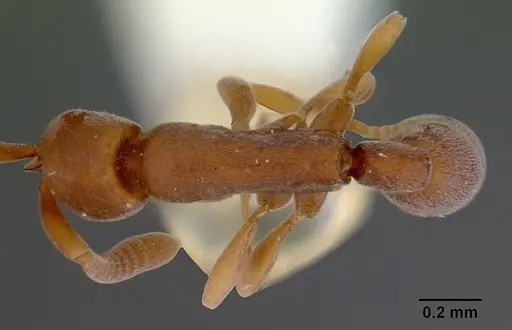
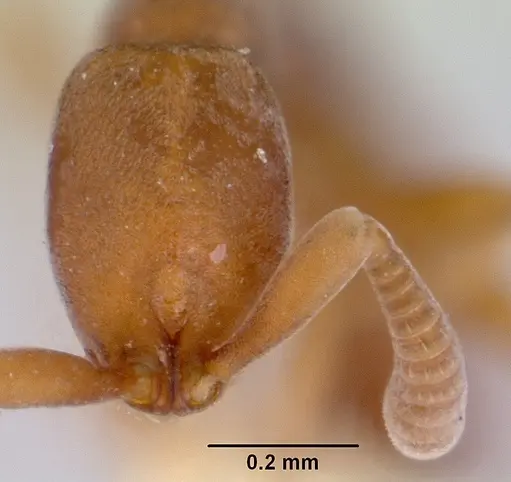
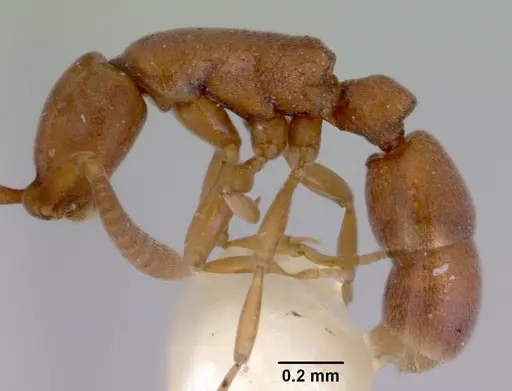
Literature
Loading...Loading products...