

Probolomyrmex greavesi
- Scientific Name
- Probolomyrmex greavesi
- Tribe
- Probolomyrmecini
- Subfamily
- Proceratiinae
- Author
- Taylor, 1965
- Distribution
- Found in 1 countries
Probolomyrmex greavesi Overview
Probolomyrmex greavesi is an ant species of the genus Probolomyrmex. It is primarily documented in 1 countries , including Australia. Detailed taxonomic data and occurrence records can be further explored via authoritative databases such as AntWeb or the Global Biodiversity Information Facility (GBIF).
Probolomyrmex greavesi
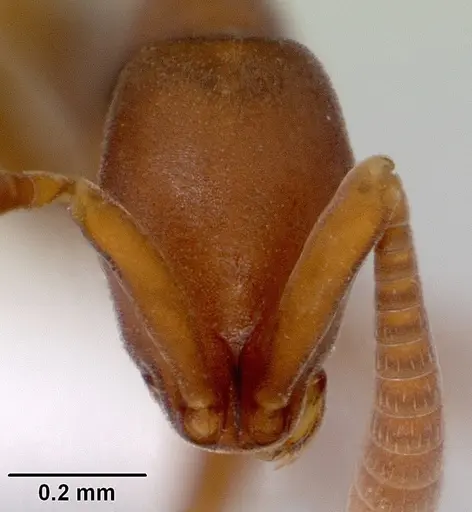
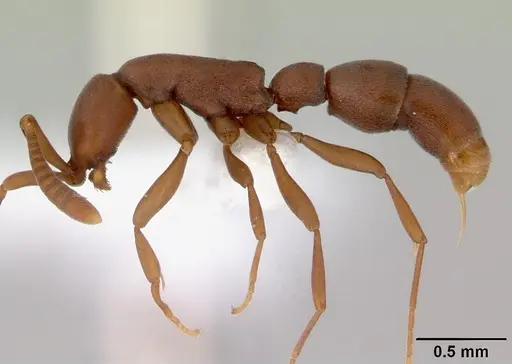
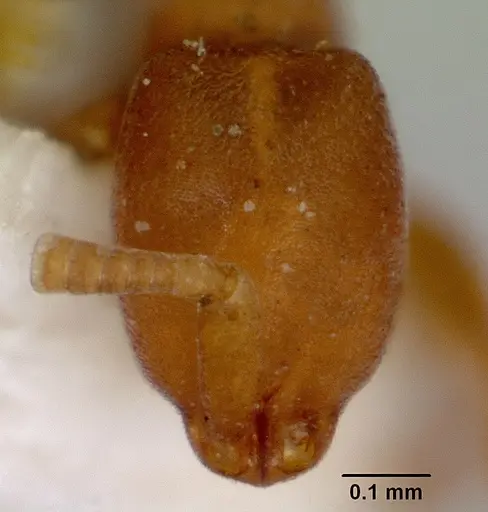
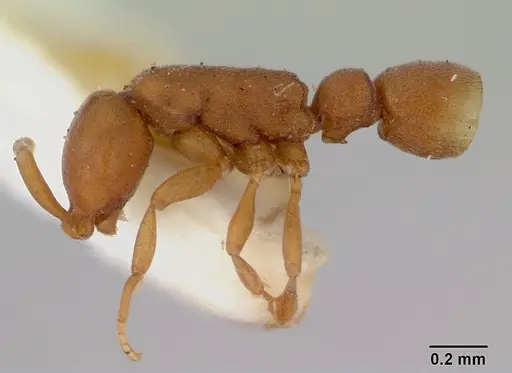
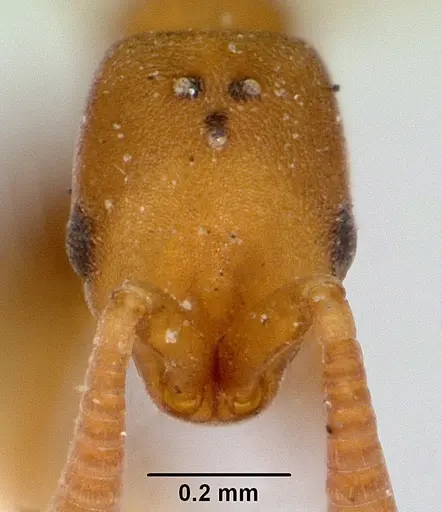
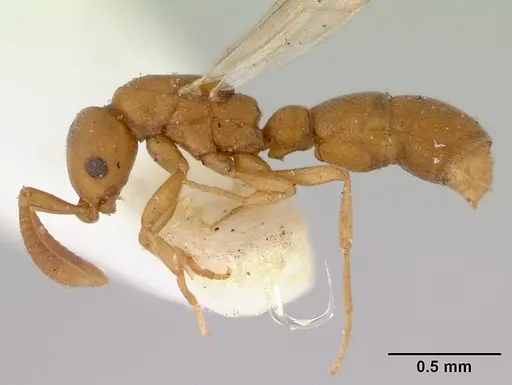
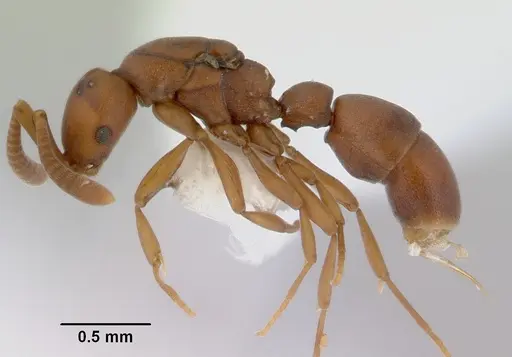
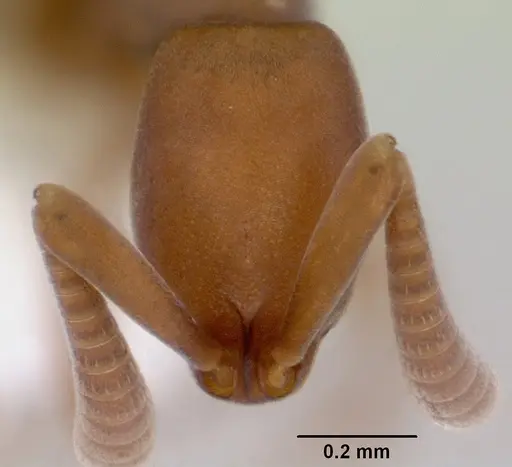
Probolomyrmex greavesi is one of Australia's rarest ant species, belonging to the subfamily Proceratiinae. These tiny ants measure just 0.52-0.58mm in head length, making them among the smaller ants you might encounter [1]. They have a distinctive appearance: a broad head with no eyes (they're completely blind), a relatively short and broad petiolar node, and a light ferruginous brown coloration [1]. The species was first described in 1965 and has been collected only a handful of times, primarily in south-eastern Australia around the Australian Capital Territory and Queensland [1].
This species is notable for its extreme rarity and limited distribution. Found in various forested habitats ranging from non-native pine plantations to dry and wet sclerophyll forests, these ants nest in soil under rocks [1][2]. Their subfamily (Proceratiinae) is known for primitive ant features, and like their relatives, they lack functional stingers, instead relying on chemical defenses from their abdomen. For antkeepers, this species represents a true challenge due to how rarely they're found and how little is known about their captive care.
Quick Summary
- Difficulty: Expert
- Origin & Habitat: South-eastern Australia, including Australian Capital Territory and Queensland. Found in forested sites ranging from non-native pine plantations through dry sclerophyll to wet sclerophyll forest. Nests in soil under rocks [1][2].
- Colony Type: Unknown colony structure. Single-queen colonies are possible but not confirmed. No data on whether they form monogyne or polygyne colonies.
- Size & Growth:
- Queen: 0.54-0.56mm head length [2]
- Worker: 0.52-0.58mm head length,0.36-0.39mm head width [1]
- Colony: Unknown, one of the rarest Australian ants with very few specimens ever collected
- Growth: Unknown, no captive breeding records available
- Development: Unknown, no development data exists for this species. Estimates based on related Proceratiinae suggest 6-10 weeks at optimal temperature, but this is speculative. (No captive colony development has been documented. Growth rate is entirely unconfirmed.)
- Antkeeping:
- Temperature: Likely moderate, similar to other Australian forest ants. Based on their sclerophyll forest habitat in south-eastern Australia, aim for roughly 20-24°C. No direct thermal data exists for this species.
- Humidity: Likely moderate to high, given forest floor nesting under rocks. Keep substrate consistently moist but not waterlogged. Provide a gradient with slightly drier areas for ants to choose.
- Diapause: Unknown, no seasonal data available for this species. Australian temperate ants may require a mild winter rest period, but this is unconfirmed.
- Nesting: Natural nesting is under rocks in soil. In captivity, a small test tube setup or miniature naturalistic setup with a thin soil layer and flat stone or similar cover would mimic their natural conditions. Their tiny size means chambers must be very small scale.
- Behavior: Completely blind (no eyes) and likely slow-moving and docile, as is typical for Proceratiinae. They probably forage slowly through soil and leaf litter, hunting tiny micro-arthropods. No aggression data exists, but their small size and lack of stingers means they pose no threat to keepers. Escape risk is moderate, while small, they're not particularly active or likely to climb aggressively. Standard escape prevention (Fluon on test tube rims) is sufficient.
- Common Issues: extreme rarity makes obtaining a colony nearly impossible, no captive breeding records exist, all attempts are experimental, completely blind and slow-moving may struggle in artificial setups, no data on founding behavior makes claustral vs semi-claustrul status unknown, their tiny size makes feeding appropriate prey items challenging
Discovery and Rarity
Probolomyrmex greavesi was first described by R.W. Taylor in 1965 based on specimens collected from Mt. Stromlo in the Australian Capital Territory and Greenmount in Queensland [1]. The species has been collected only a handful of times, making it one of the rarest Australian ant species. The original collection at Mt. Stromlo was from under rocks in pine litter within a plantation of exotic Pinus radiata (Monterey pine) [2]. This combination of extreme rarity and limited distribution means that virtually no captive husbandry information exists, any antkeeper successfully keeping this species would be working with entirely unverified methods.
Identification and Morphology
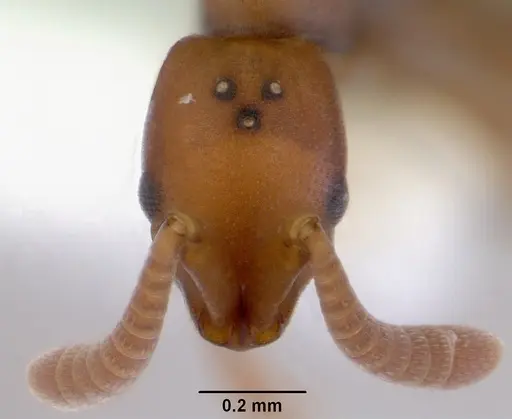
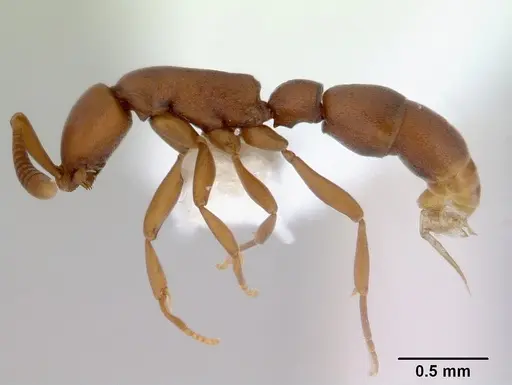
Workers measure 0.52-0.58mm in head length and 0.36-0.39mm in head width, making them small but not microscopic [1]. The most distinctive features are: completely absent eyes (they're blind), a relatively short and broad petiolar node (the segment between thorax and abdomen), and a subpetiolar process that forms a rounded 90° angle at the front with a straight ventral margin [1]. The body is light ferruginous (rusty) brown in color. The head has weakly convex sides and a very shallowly concave occipital border. The antennae are relatively short. These morphological details are important for identification but have no direct bearing on care, they're simply how you identify this species if you somehow obtain one.
Natural Habitat and Nesting
In the wild, P. greavesi has been found in forested sites ranging from non-native pine plantations through dry sclerophyll to wet sclerophyll forest [1][2]. They nest in soil under rocks, a common pattern for many small Australian ants that prefer the stable microclimate beneath stones. The south-eastern Australian climate ranges from cool temperate to warm, with seasonal variation. This suggests they prefer moderate temperatures and consistent moisture rather than extreme conditions. The forest floor habitat implies they likely tolerate moderate humidity and may be sensitive to both drying out and waterlogging.
Subfamily Characteristics
Probolomyrmex belongs to the subfamily Proceratiinae, which contains some of the most primitive living ants. Like other Proceratiinae, these ants lack functional stingers, instead, they defend themselves using chemical secretions from their abdomen (like many Formicidae, they can produce defensive chemicals but don't have an active stinger). They are also characterized by their generally docile nature and slow, deliberate movements. The subfamily includes the well-known trap-jaw ants (Odontomachus), but Probolomyrmex is not a trap-jaw genus, they're far more modest in their defensive adaptations. For keepers, this means no stinging threat, but also that they're not particularly exciting to watch in terms of dramatic behaviors.
Care Challenges and Realistic Expectations
Honest assessment: Probolomyrmex greavesi is NOT a species anyone should actively seek to keep. It is one of the rarest ants in Australia, with so few specimens collected that basic biology remains completely undocumented. There are no captive breeding records, no established protocols, and essentially no information about their diet, development, or social structure beyond basic morphology. If you somehow obtained specimens (which would require fieldwork in remote Australian locations), keeping them alive would be largely experimental. This species represents a gap in antkeeping knowledge rather than a achievable goal. For practical antkeeping, choose species with established husbandry protocols.
Frequently Asked Questions
Can I keep Probolomyrmex greavesi as a pet ant?
No, this species is essentially unavailable to antkeepers. It is one of the rarest Australian ants, collected only a handful of times in nearly a century. No colonies exist in captivity, and no one has documented successful captive breeding. There are no suppliers, no established protocols, and no way to obtain this species legally or ethically.
How big do Probolomyrmex greavesi colonies get?
Unknown, colony size has never been documented. Only a handful of individual specimens have ever been collected, so we have no data on natural colony sizes. Related Proceratiinae species typically form small colonies of a few dozen to a few hundred workers, but this is just an estimate.
Do Probolomyrmex greavesi ants sting?
No, Probolomyrmex belongs to Proceratiinae, a subfamily that lacks functional stingers. Like other ants in this group, they would rely on chemical defenses (spraying formic acid or other secretions) rather than stinging. They pose no stinging threat to keepers.
What do Probolomyrmex greavesi eat?
Unconfirmed, no feeding observations have been documented for this species. Based on related Proceratiinae, they likely hunt tiny soil micro-arthropods like springtails and mites. Their small size suggests they need very small prey items. Sugar acceptance is completely unknown.
Are Probolomyrmex greavesi good for beginners?
Absolutely not. This species is not just difficult, it is effectively impossible to keep because no specimens exist in captivity and no care information exists. Even experienced antkeepers would be completely guessing at how to maintain them. Choose common, well-documented species instead.
Where does Probolomyrmex greavesi live?
Only in south-eastern Australia, specifically the Australian Capital Territory (around Mt. Stromlo) and Queensland (Greenmount area). They are restricted to this region and have never been found anywhere else in the world.
How long do Probolomyrmex greavesi workers live?
Unknown, no lifespan data exists for this or any Probolomyrmex species. Typical ant worker lifespans range from several months to a few years, but this is purely speculative for this species.
Do Probolomyrmex greavesi queens found colonies alone?
Unknown, founding behavior has never been documented for this species. Based on subfamily typical patterns, they are likely claustral (queen seals herself in and lives off stored fat), but this is inferred, not confirmed. The founding process has simply never been observed.
What temperature should I keep Probolomyrmex greavesi at?
No specific data exists. Based on their Australian sclerophyll forest habitat in south-eastern Australia, moderate temperatures around 20-24°C are a reasonable starting guess. However, since no one has kept this species successfully, any temperature recommendation is purely speculative.
References

This caresheet is licensed under CC BY-SA 4.0 .
CASENT0172112
View on AntWeb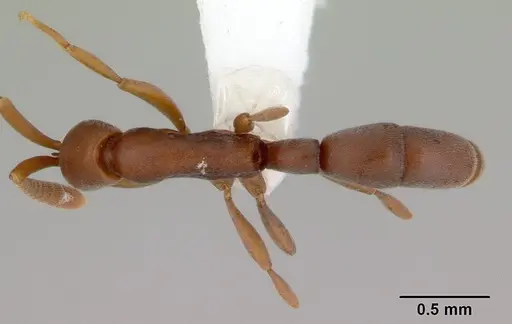
CASENT0172116
View on AntWeb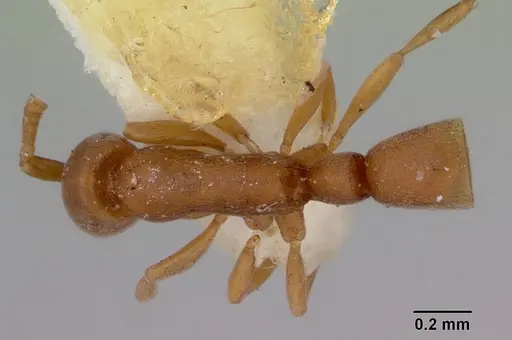
CASENT0172117
View on AntWeb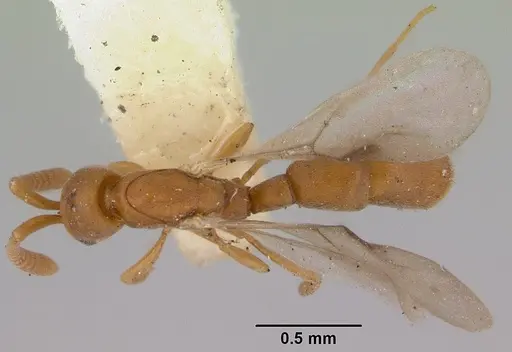
CASENT0172418
View on AntWeb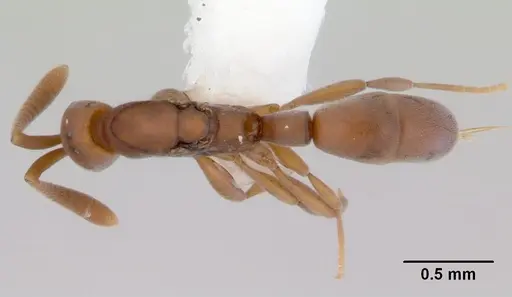
CASENT0172419
View on AntWeb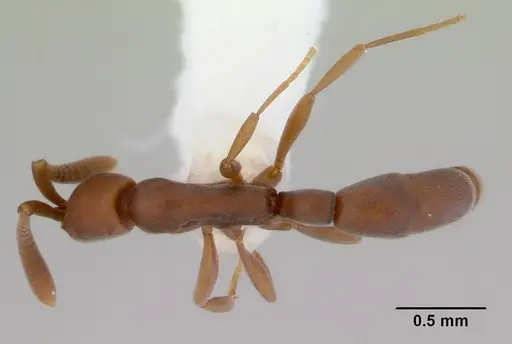
Literature
Loading...Loading products...