

Proatta butteli
- Scientific Name
- Proatta butteli
- Tribe
- Crematogastrini
- Subfamily
- Myrmicinae
- Author
- Forel, 1912
- Distribution
- Found in 5 countries
Proatta butteli Overview
Proatta butteli is an ant species of the genus Proatta. It is primarily documented in 5 countries , including Brunei Darussalam, Indonesia, Malaysia. Detailed taxonomic data and occurrence records can be further explored via authoritative databases such as AntWeb or the Global Biodiversity Information Facility (GBIF).
Proatta butteli
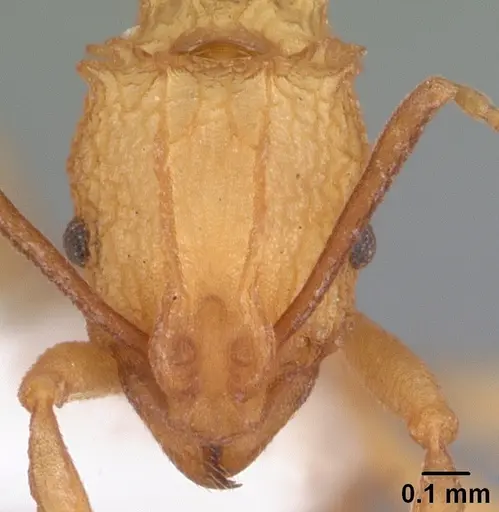
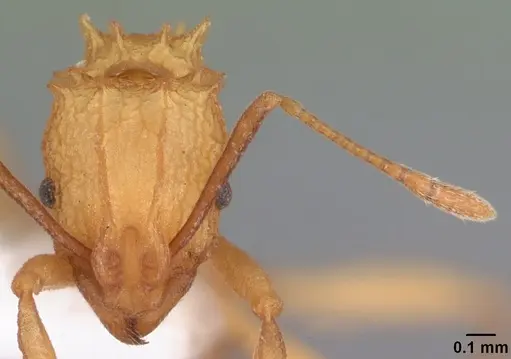
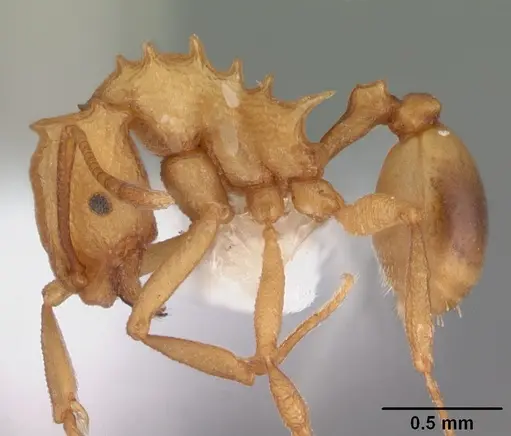
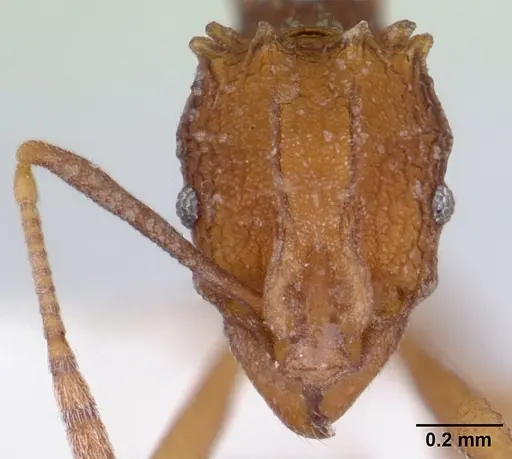
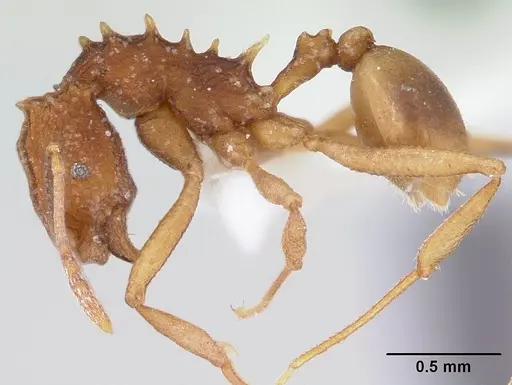
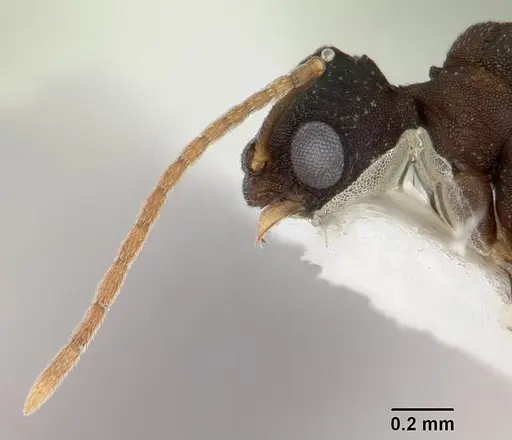
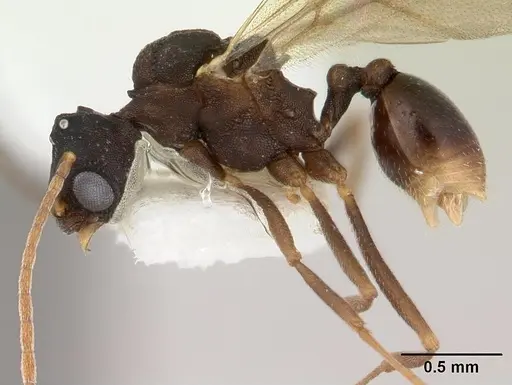
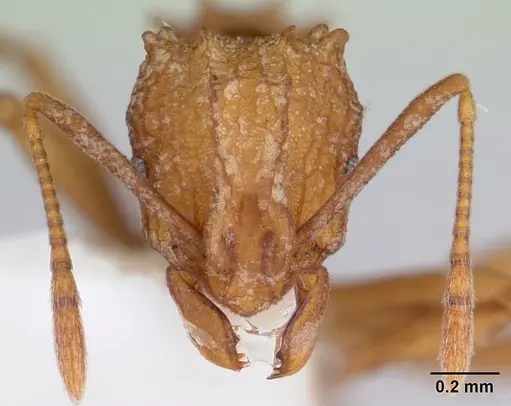
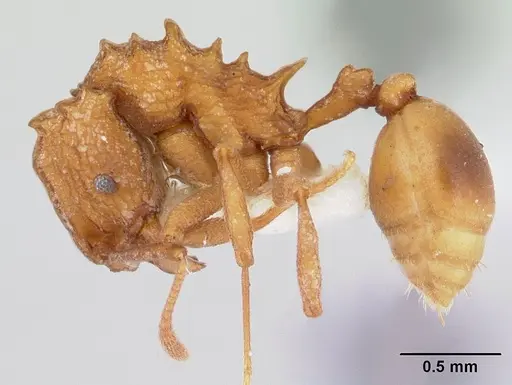
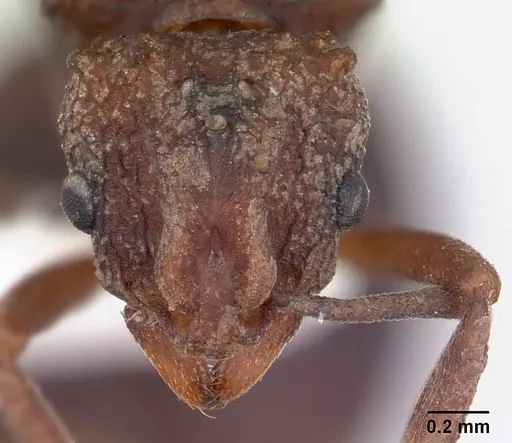
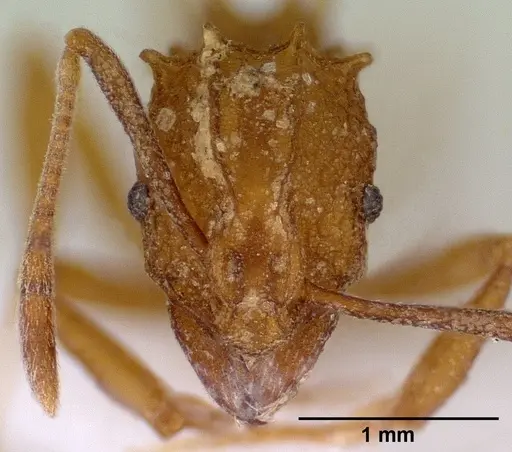
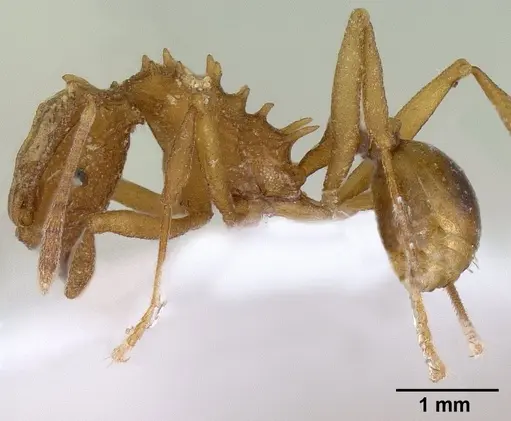
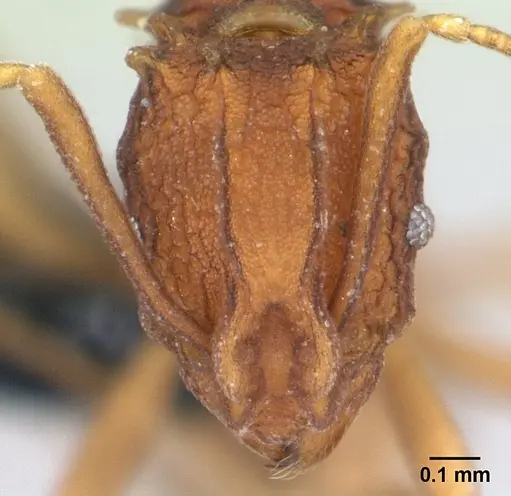
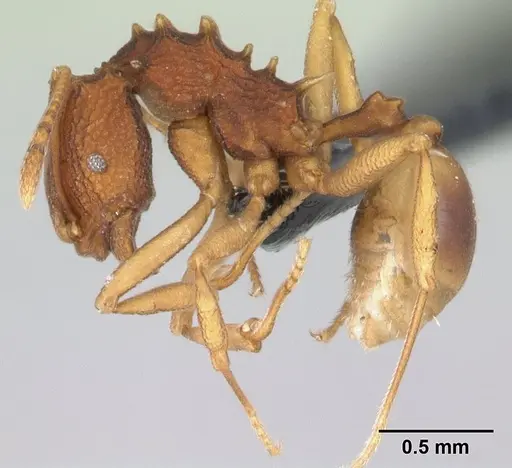
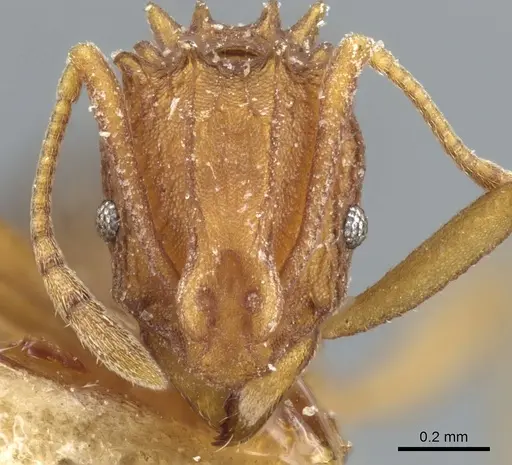
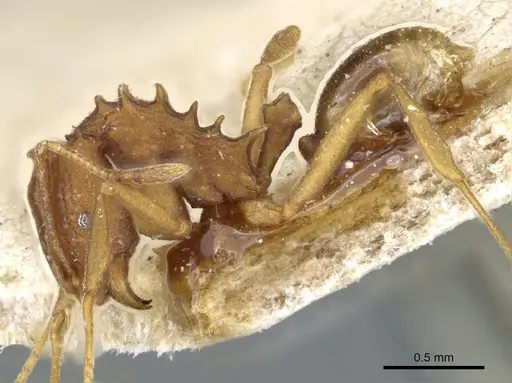
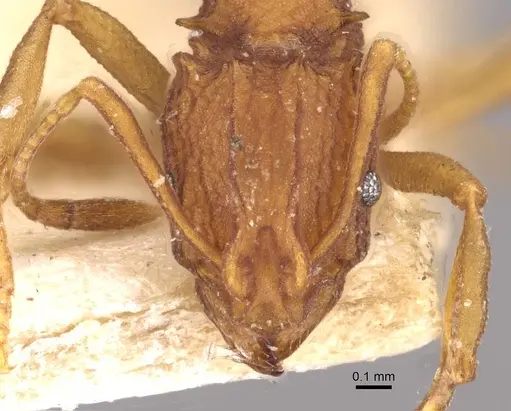
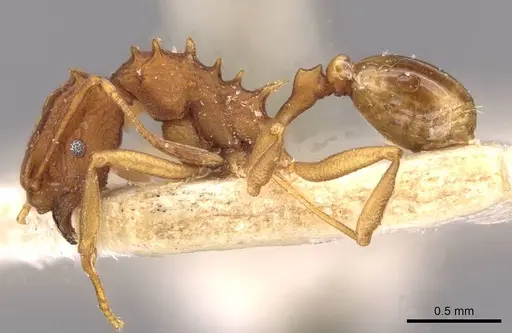
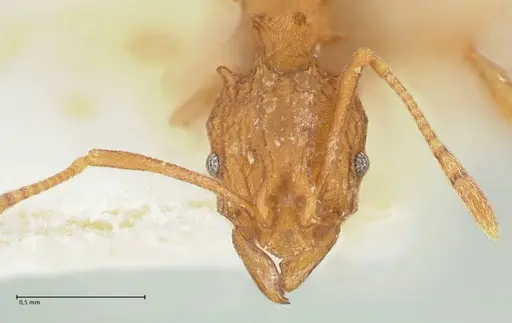
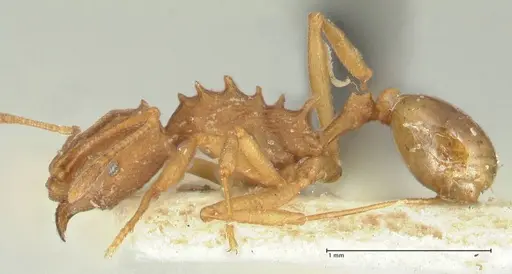
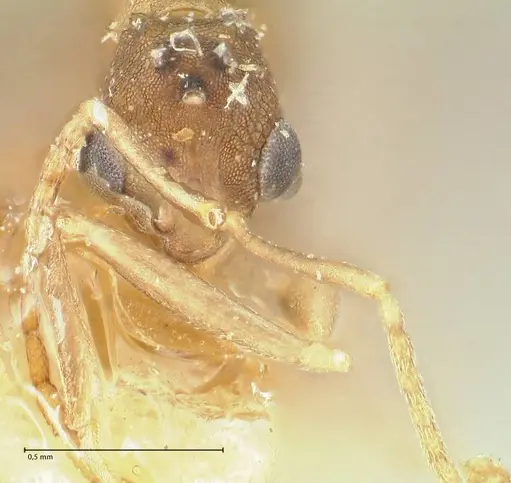
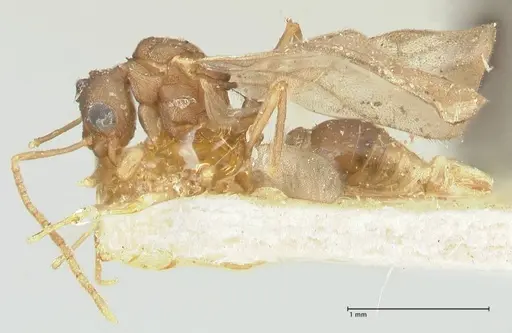
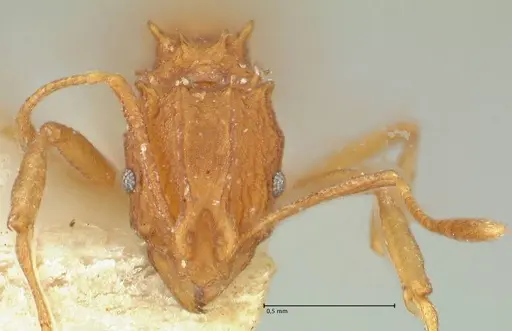
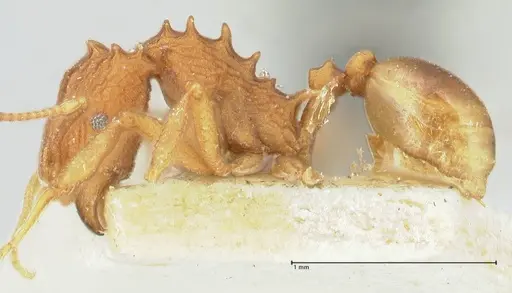
Proatta butteli is a small Myrmicinae ant native to Southeast Asia, found across Borneo, Indonesia, Laos, Malaysia, Singapore, Thailand, and Vietnam. Workers measure approximately 2mm and have a distinctive brick-red coloration with a dull, dirt-covered appearance. They feature 12-segmented antennae with a 3-segmented club and a series of spines along the mesosoma. What makes this species particularly interesting is its striking resemblance to New World Attine ants (the fungus-growing ants), but unlike them, Proatta butteli is a predator and scavenger that does not cultivate fungi [1].
This species is polygynous, with colonies containing multiple queens (roughly one queen per 100-500 workers) and several thousand to potentially over 10,000 workers. They nest in lowland forests under stones, wood fragments, and in soil around tree bases, using existing cavities in rotten roots or abandoned termite nests. Workers are cryptic and freeze when disturbed, making them difficult to detect. They forage solitarily over short distances and use pheromone trails from their poison gland to recruit nestmates to food sources [1].
Quick Summary
- Difficulty: Medium
- Origin & Habitat: Southeast Asia, found in lowland forests of Vietnam, Thailand, Laos, Malaysia, Borneo, Indonesia (Java, Sumatra), and Singapore [2][3]. Nests under stones and wood fragments and in soil around tree bases [2].
- Colony Type: Polygynous (multi-queen) colonies with numerous queens and no aggression between queens or colonies. Roughly one queen for every 100-500 workers throughout the nest [1]. Workers are monomorphic with minimal size variation [3][4].
- Colony: Polygyne
- Size & Growth:
- Queen: Approximately 6mm with little size variation [1]
- Worker: Approximately 2mm (0.51-0.70mm head width) [1][4]
- Colony: Several thousand workers, possibly 10,000 or more [1]
- Growth: Moderate, based on colony size and queen number, growth is steady but not extremely fast
- Development: Unknown, direct development timeline not documented in available research (Development timeline has not been specifically studied. Related Myrmicinae in similar conditions typically develop in 6-10 weeks at optimal temperatures.)
- Antkeeping:
- Temperature: As a lowland tropical species, keep at 24-28°C. Provide a gentle gradient allowing workers to self-regulate. Room temperature in most homes (22-26°C) should be suitable as a starting point.
- Humidity: Requires moderate to high humidity consistent with lowland forest floor conditions. Keep nest substrate consistently moist but not waterlogged. Provide some drier areas within the setup for workers to choose.
- Diapause: No, as a tropical species, they do not require hibernation. Maintain consistent temperatures year-round.
- Nesting: Naturalistic setups work well, they nest under stones, in soil, and use existing cavities. A Y-tong or plaster nest with narrow chambers scaled to their 2mm size works. Provide detritus and small debris in the foraging area as they line chambers with woody material.
- Behavior: Workers are cryptic and tend to freeze when disturbed, making them hard to detect. They forage solitarily over short distances (less than 1 meter from nest entrances) but maintain high forager density, sometimes forming clumps of up to 50 workers. They recruit to food using pheromone trails from their poison gland. They are predators and will tackle prey larger than themselves through group predation. Escape risk is moderate, their 2mm size requires standard barrier precautions but they are not extreme escape artists like some tiny species.
- Common Issues: colonies may fail if kept too dry, they require consistent moisture in nesting areas, their cryptic freezing behavior may make them appear dead or absent when they're simply hiding, predatory nature means they need live or fresh protein prey regularly, sugar alone is insufficient, small colony fragments may struggle without sufficient workers to handle larger prey, they collect plant material but don't eat it, this debris accumulates in nests and is normal behavior
Housing and Nest Setup
Proatta butteli nests naturally under stones, wood fragments, and in soil around tree bases in lowland forests. They infiltrate existing cavities in rotten roots, abandoned termite nests, and other surface-level voids, forming chambers connected by galleries. The chamber surfaces get lined with detritus like woody frass and prey remains. For captivity, a naturalistic setup with a soil layer and flat stones or pieces of wood works well. Alternatively, a Y-tong (AAC) or plaster nest with narrow chambers scaled to their 2mm size provides good visibility. They prefer tight spaces rather than open areas. Multiple small nest entrances scattered across the setup mimic their natural colony structure. Keep the nest area humid but ensure some ventilation to prevent mold. [2][1]
Feeding and Diet
Unlike the Attine ants they resemble, Proatta butteli is a predator and scavenger, not a fungus grower. Their diet consists of live arthropod prey (isopods, centipedes, insects including other ant species) and scavenged invertebrate remains. They also collect plant material and debris but do not consume it, they simply add it to the nest debris that accumulates inside. In captivity, offer small live prey regularly: fruit flies, small crickets, mealworms, and other appropriately-sized insects. They will also accept dead insects and can tackle prey larger than themselves through group predation. A small dish of sugar water or honey can be offered occasionally but protein (live prey) should be the primary food source. Workers forage solitarily but recruit others to large food finds using pheromone trails. [1]
Foraging Behavior
Workers search for food solitarily, typically staying within one meter of any nest entrance. Despite this limited range, forager density is high, you may see clumps of 20-50 workers clustered near food sources. When a worker discovers large prey, it attempts to restrain it, and additional workers arrive quickly (seemingly by chance due to the high density) to help pin and subdue the prey. This is an inchoate form of group predation. Recruitment to food occurs along odor trails formed from a pheromone originating in the poison gland. They readily accept workers from distant colonies with no intraspecific aggression, which is unusual among ants. [1]
Colony Structure
Proatta butteli colonies are polygynous, meaning they have multiple queens living together. There is no evidence of aggression between queens, and workers treat all queens equally. The queen-to-worker ratio is roughly one queen for every 100-500 workers throughout the nest. Colonies can grow very large, several thousand workers, potentially 10,000 or more. Workers are monomorphic, meaning they show little size variation (head width ranges only from 0.51-0.70mm), though there is a modest division of labor with smaller workers being relatively more common in the brood area. This species shows no aggression between colonies, workers transplanted from distant sites are readily accepted. [3][4][1]
Temperature and Seasonal Care
As a lowland tropical species from Southeast Asia, Proatta butteli does not require hibernation or diapause. Maintain consistent temperatures in the warm range: 24-28°C is ideal. They can tolerate slightly cooler conditions but growth and activity will slow. Room temperature (22-26°C) in most homes should work as a starting point. A heating cable on one side of the nest can create a gradient if your room runs cool. Avoid temperature drops below 20°C for extended periods. Since they come from humid lowland forests, they also benefit from ambient humidity, not dry conditions. No seasonal cycling is required. [2]
Handling and Observation
Proatta butteli workers are cryptic and have a unique defense mechanism: when their nest is exposed, they freeze completely, making them very difficult to detect against soil and debris. This can make them seem absent or dead when they are simply hiding. They are not aggressive and do not have a painful sting. Their small size (2mm) means standard escape prevention with smooth surfaces or fluon barriers is advisable, though they are not extreme escape artists. When observing, be patient, they will resume activity once they feel safe. Their fascinating predatory behavior (group attacks on prey larger than themselves) is best observed by offering appropriately-sized live prey. [1]
Frequently Asked Questions
Can I keep Proatta butteli in a test tube setup?
Test tubes can work for founding colonies, but mature colonies do better in naturalistic or Y-tong setups. They naturally nest in soil and existing cavities with multiple entrances. A test tube can serve as a founding chamber, but plan to move them to a more spacious setup as the colony grows.
How long does it take for Proatta butteli to produce first workers?
The exact egg-to-worker development time has not been documented in scientific literature. Based on related Myrmicinae patterns in similar conditions, expect approximately 6-10 weeks at optimal temperature (24-28°C).
Can I keep multiple Proatta butteli queens together?
Yes, this species is naturally polygynous, meaning colonies contain multiple queens. There is no aggression between queens, and workers treat all queens equally. You can keep multiple queens in one colony.
Do Proatta butteli ants sting?
Proatta butteli is not known for having a painful sting. As a small Myrmicinae, they may have a stinger but it is typically too small to penetrate human skin effectively. They are not considered dangerous.
What do Proatta butteli eat?
They are predators and scavengers. Feed them small live prey like fruit flies, small crickets, mealworms, and other appropriately-sized insects. They also accept dead insects and can tackle prey larger than themselves through group predation. Occasional sugar water or honey can be offered but protein should be the primary food source.
Are Proatta butteli good for beginners?
This species is rated as Medium difficulty. They have specific humidity needs and require regular protein feeding, but they are not overly aggressive and tolerate handling reasonably well. Their cryptic nature and freezing behavior may be challenging for observing them actively.
Do Proatta butteli need hibernation?
No, as a tropical Southeast Asian species, they do not require hibernation. Maintain consistent warm temperatures (24-28°C) year-round without seasonal cycling.
Why do my Proatta butteli seem to be hiding all the time?
This is normal behavior, they are cryptic ants that freeze when disturbed. When their nest is exposed, they remain motionless, making them hard to see. They are not dead, they are simply hiding. Give them time and they will resume activity.
How big do Proatta butteli colonies get?
Colonies can reach several thousand workers, with some colonies potentially exceeding 10,000 workers. They are polygynous with multiple queens contributing to colony growth.
When should I move Proatta butteli to a formicarium?
Move them when the test tube or founding setup becomes crowded. Since they naturally have multiple nest entrances and prefer tight spaces, a naturalistic setup with soil or a Y-tong with appropriately-sized chambers works well once the colony reaches several dozen workers.
References

This caresheet is licensed under CC BY-SA 4.0 .
CASENT0007617
View on AntWeb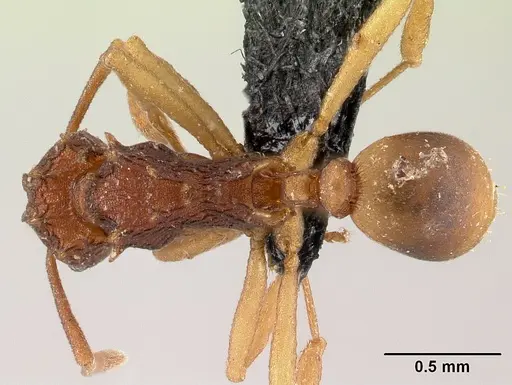
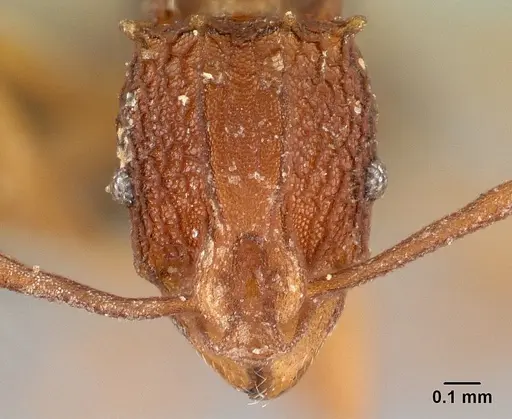
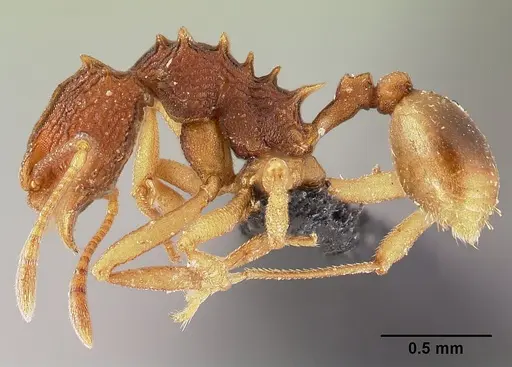
CASENT0010836
View on AntWeb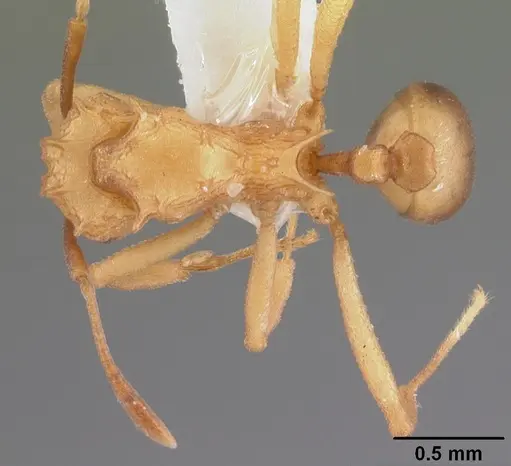
CASENT0178526
View on AntWeb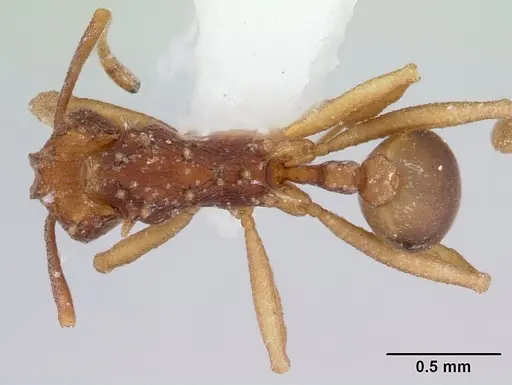
CASENT0178527
View on AntWeb
CASENT0178529
View on AntWeb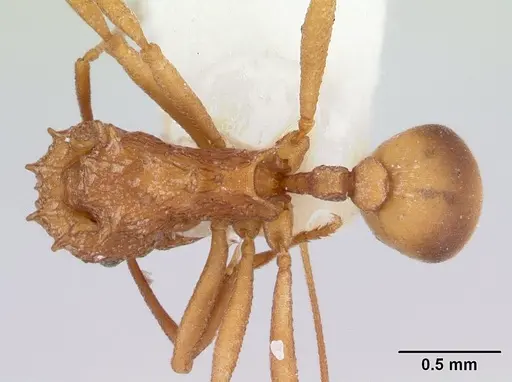
CASENT0178530
View on AntWeb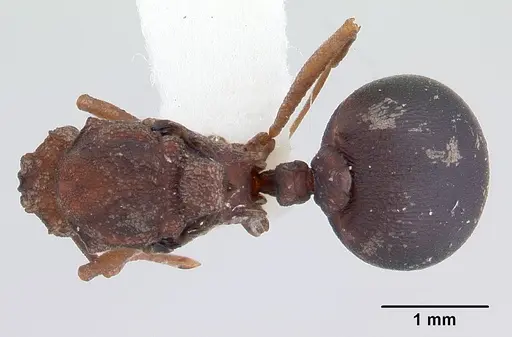
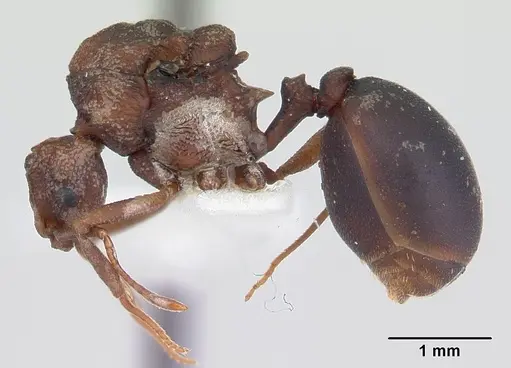
CASENT0178846
View on AntWeb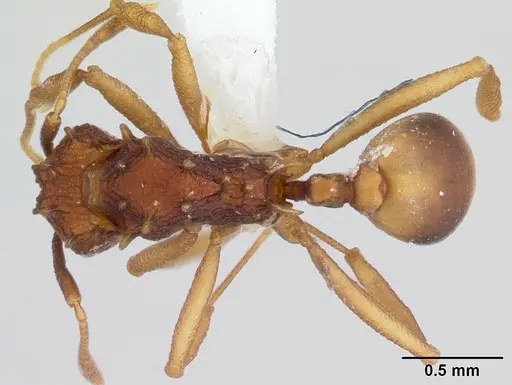
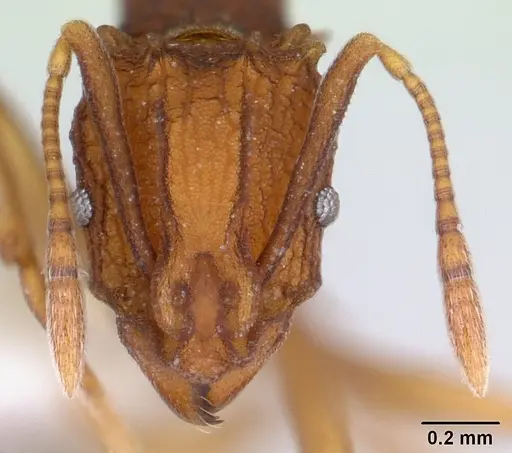
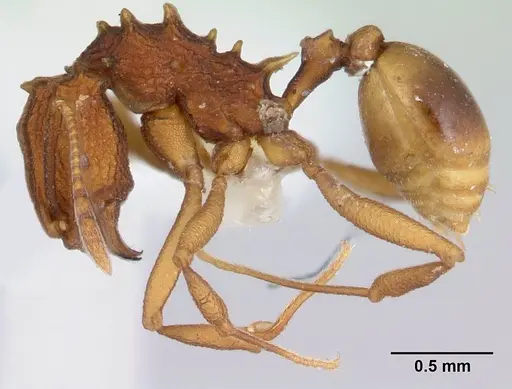
CASENT0179066
View on AntWeb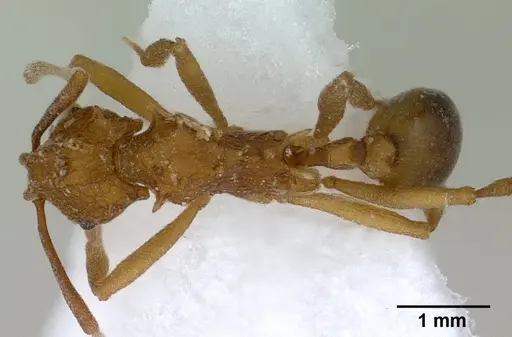
CASENT0179566
View on AntWeb
CASENT0904973
View on AntWeb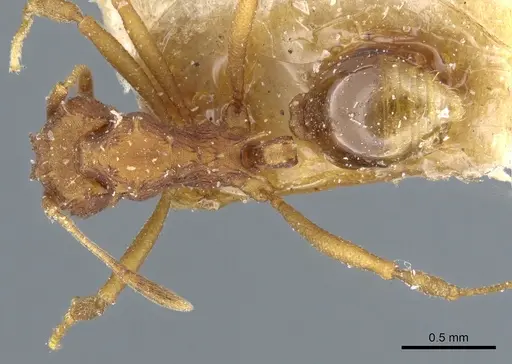
CASENT0909355
View on AntWeb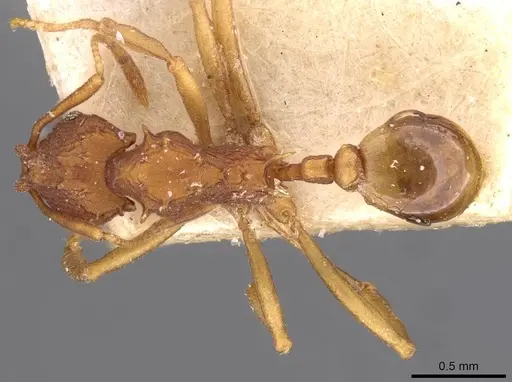
FOCOL2191
View on AntWeb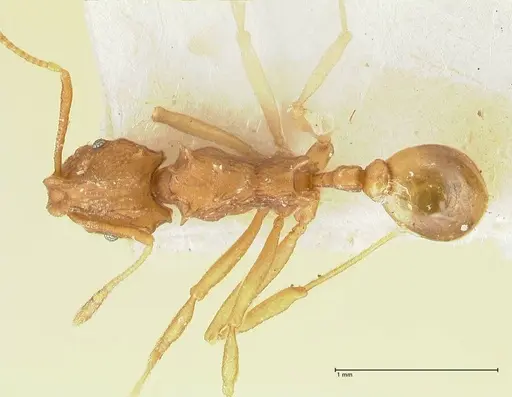
FOCOL2192
View on AntWeb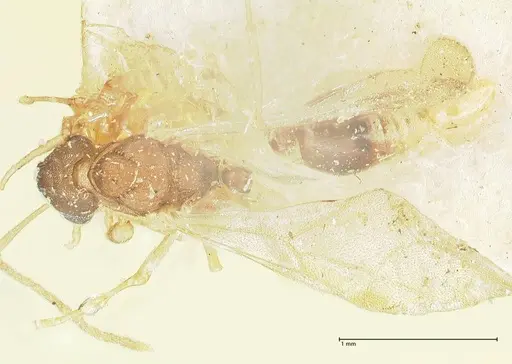
FOCOL2193
View on AntWeb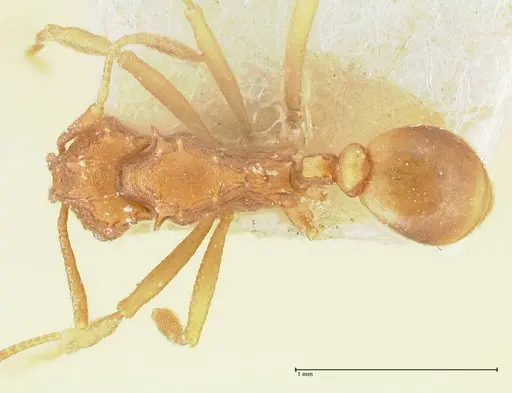
Literature
Loading...Loading products...