

Pristomyrmex umbripennis
- Scientific Name
- Pristomyrmex umbripennis
- Tribe
- Crematogastrini
- Subfamily
- Myrmicinae
- Author
- Smith, 1863
- Distribution
- Found in 2 countries
Pristomyrmex umbripennis Overview
Pristomyrmex umbripennis is an ant species of the genus Pristomyrmex. It is primarily documented in 2 countries , including Indonesia, Papua New Guinea. Detailed taxonomic data and occurrence records can be further explored via authoritative databases such as AntWeb or the Global Biodiversity Information Facility (GBIF).
Pristomyrmex umbripennis
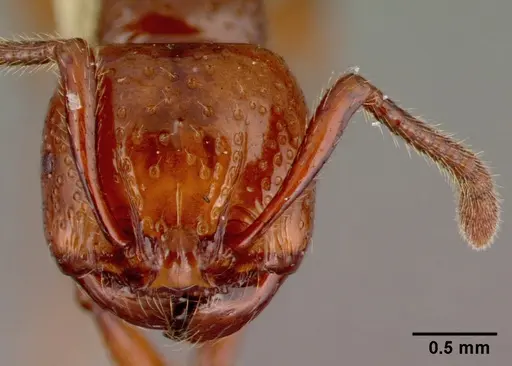
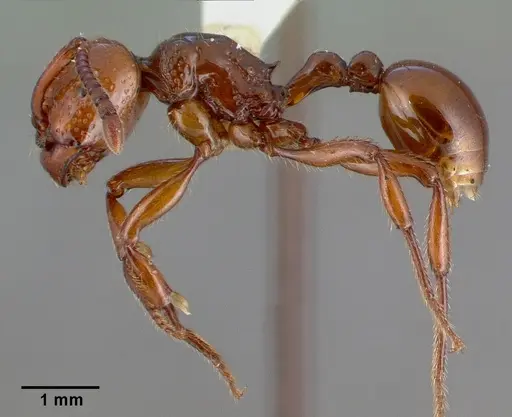
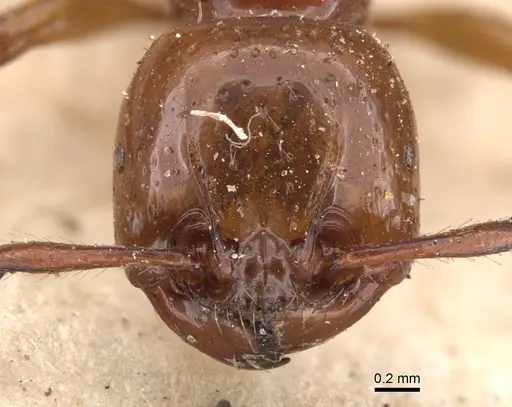
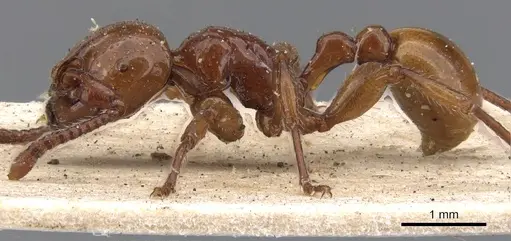
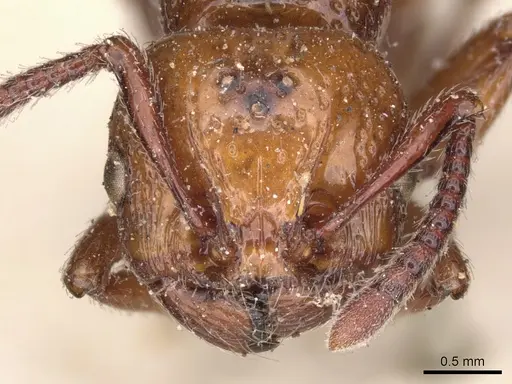
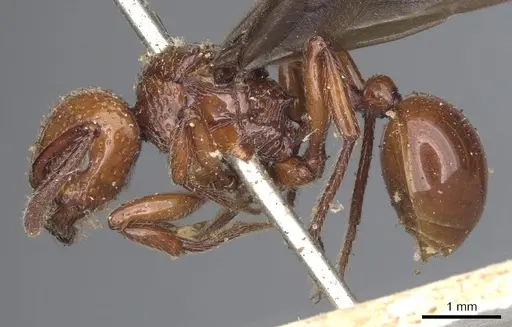
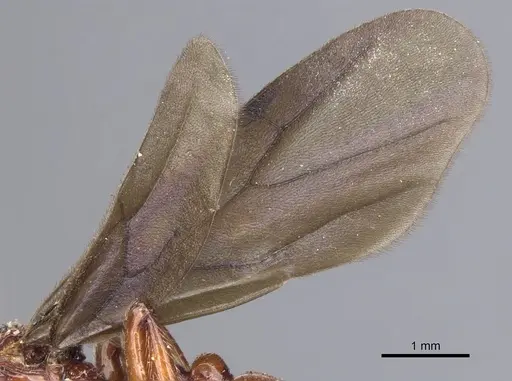
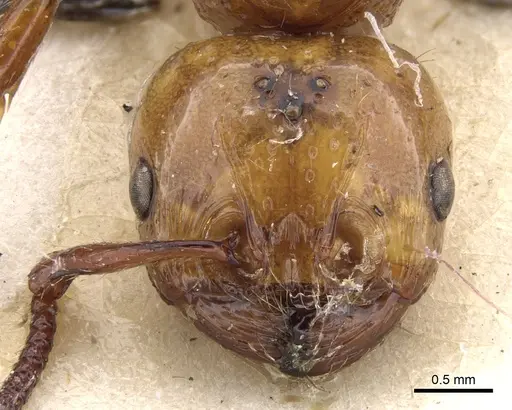
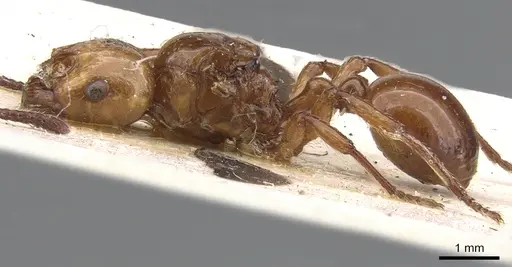
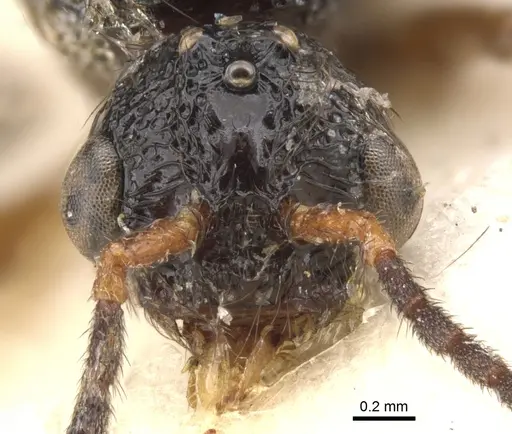
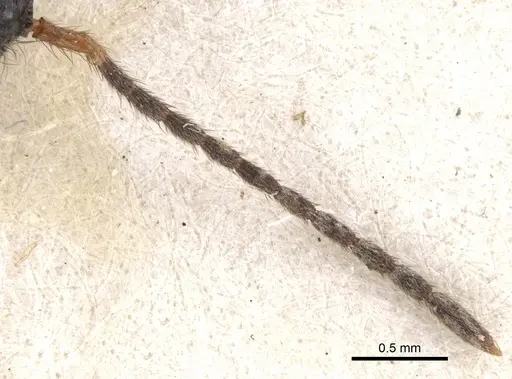
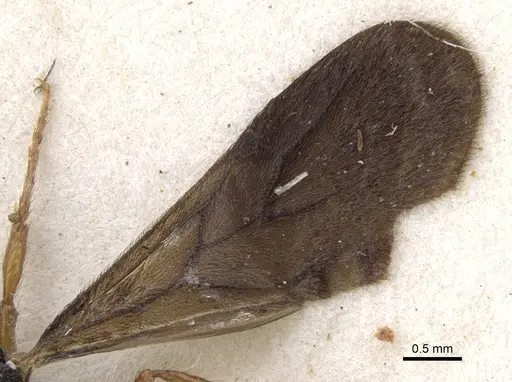
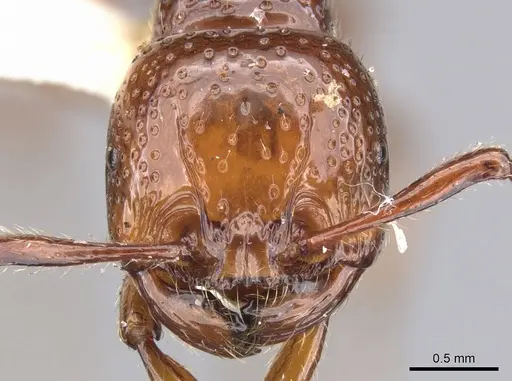
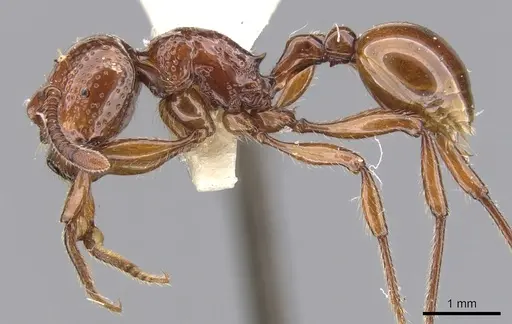
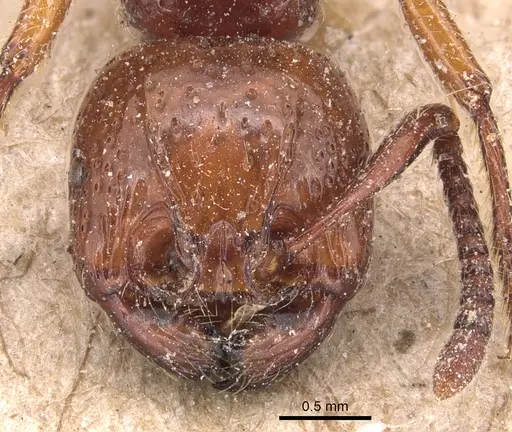
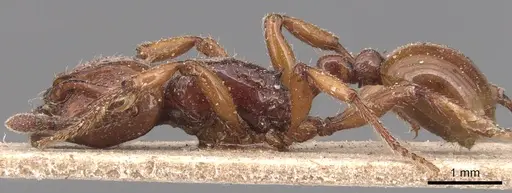
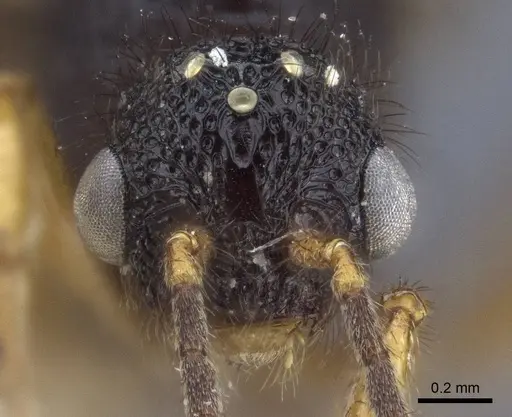
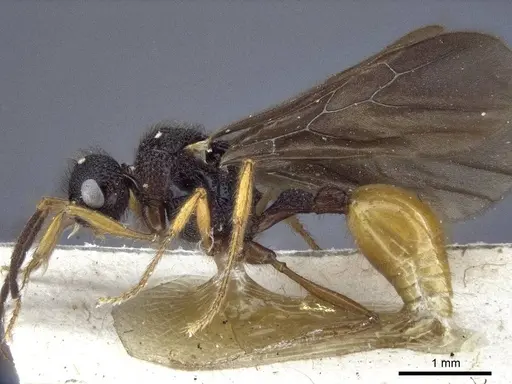
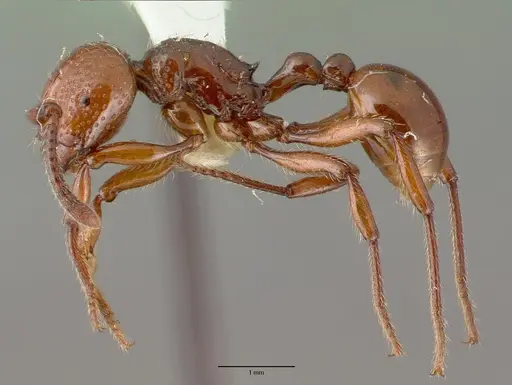
Pristomyrmex umbripennis is a medium-sized ant species native to New Guinea. Workers measure 5.33-6mm and are reddish in color with blackish clypeus and mandibular margins. They have a distinctive smooth, shiny appearance with sparse deep round foveae (small pits) across the head and thorax, each containing a short erect hair. The thorax has a continuous convex dorsum without spines or teeth on the pronotum, though the metanotum bears small erect teeth. Queens are slightly larger at 7mm and are wingless (ergatoid), making them distinct from typical winged ant queens. This species is part of the Pristomyrmex genus, known for their predatory habits and distinctive head morphology.
Quick Summary
- Difficulty: Medium
- Origin & Habitat: New Guinea region, specifically documented from Andai in New Guinea [1]. Found in tropical forest habitats.
- Colony Type: Likely monogyne (single queen) based on typical Pristomyrmex patterns. The queen is ergatoid (wingless), which may indicate specialized colony structure with replacement reproductives.
- Colony: Monogyne
- Size & Growth:
- Queen: 7mm [1]
- Worker: 5.33-6mm [1]
- Colony: Estimated up to 200-500 workers based on typical Pristomyrmex colony sizes
- Growth: Moderate, estimated based on genus patterns
- Development: Estimated 6-8 weeks based on related Myrmicinae species at optimal temperature (Development timeline not directly studied, estimate based on genus patterns for medium-sized Myrmicinae)
- Antkeeping:
- Temperature: Keep at 24-28°C, tropical species requiring warm conditions. A heating cable on one side of the nest creates a suitable gradient.
- Humidity: Maintain moderate to high humidity (60-80%). Keep the nest substrate consistently moist but not waterlogged.
- Diapause: No, tropical species does not require hibernation
- Nesting: Y-tong (AAC) nests or plaster nests work well. Provide moist substrate and narrow chambers scaled to their medium size. They do well in naturalistic setups with some soil depth.
- Behavior: Pristomyrmex umbripennis is predatory by nature. Workers are active foragers that hunt small invertebrates. They are not aggressive toward humans but may bite if handled. Their medium size (5-6mm) makes them visible and engaging colony residents. Escape prevention should be standard, they are not particularly known for escaping but medium-sized ants can climb smooth surfaces.
- Common Issues: tropical humidity requirements mean mold can be an issue if ventilation is poor, predatory diet means they need regular protein input, sugar alone will not sustain the colony, ergatoid queen means colony growth may be slower than typical claustral founders, medium size means they need appropriately sized prey items, tropical species are sensitive to temperature drops, keep away from cold drafts
Housing and Nest Setup
Pristomyrmex umbripennis does well in Y-tong (acrylic) nests or plaster nests with moisture chambers. The queen is ergatoid (wingless), which is unusual and may affect how the colony establishes. Provide narrow chambers scaled to their medium size (5-6mm workers). A naturalistic setup with some soil depth also works well, as this species likely nests in soil or decaying wood in the wild. Keep one side of the nest slightly heated using a heating cable or mat to create a temperature gradient. The nest area should stay consistently moist but avoid standing water. [1]
Feeding and Diet
Pristomyrmex species are predatory by nature. Your colony will need regular protein from small live or frozen invertebrates. Offer small insects like fruit flies, pinhead crickets, mealworms, or waxworms. You can also try small spiders or other micro-arthropods. Sugar sources like honey water or sugar water should be available, though protein is the primary dietary need. Feed protein 2-3 times per week, and keep sugar water constantly available. Remove uneaten prey after 24 hours to prevent mold.
Temperature and Humidity
As a tropical species from New Guinea, Pristomyrmex umbripennis needs warm and humid conditions. Maintain temperatures between 24-28°C. A heating cable on one side of the nest creates a gradient that allows the ants to regulate their own temperature. Humidity should be moderate to high (60-80%). Keep the nest substrate consistently moist, it should feel damp to the touch but not be waterlogged. Good ventilation is important to prevent mold while maintaining humidity. [1]
Colony Development
The queen is ergatoid (wingless), measuring 7mm, this is significantly larger than the workers (5.33-6mm). This suggests the colony may have different founding dynamics than typical ants. Instead of nuptial flights, ergatoid queens may found colonies through different means such as budding or fission from an established colony. Expect slower initial growth compared to claustral species. Maximum colony size is estimated at 200-500 workers based on typical Pristomyrmex patterns. The development timeline from egg to worker is estimated at 6-8 weeks at optimal temperature. [1]
Behavior and Temperament
These ants are active foragers with predatory instincts. Workers will hunt small invertebrates within the outworld. They are not particularly aggressive and pose no real danger to keepers, though they may bite if provoked. Their medium size makes them engaging to watch. Standard escape prevention measures (fluon barriers, tight-fitting lids) are sufficient. They are diurnal and will show regular activity patterns throughout the day. The colony will likely establish a foraging trail once workers mature.
Frequently Asked Questions
How long does it take for Pristomyrmex umbripennis to produce first workers?
Based on typical Pristomyrmex and related Myrmicinae patterns, expect first workers in approximately 6-8 weeks after the queen begins laying eggs. The ergatoid queen may have different founding dynamics, so initial growth could be slower than typical claustral species.
What do Pristomyrmex umbripennis eat?
They are predatory ants that need regular protein. Feed small live or frozen insects like fruit flies, pinhead crickets, mealworms, or waxworms. Sugar water or honey should also be available. Remove uneaten prey after 24 hours.
Do Pristomyrmex umbripennis ants sting?
Pristomyrmex species do not have a functional stinger. They may bite if handled, but they pose no real danger to keepers.
What temperature do Pristomyrmex umbripennis need?
Keep them warm at 24-28°C. A heating cable on one side of the nest creates a suitable gradient. As a tropical species from New Guinea, they are sensitive to cold and should be kept away from drafts or cool rooms.
Do Pristomyrmex umbripennis need hibernation?
No, they do not need hibernation. As a tropical species from New Guinea, they require warm conditions year-round. Do not expose them to temperatures below 20°C for extended periods.
How big do Pristomyrmex umbripennis colonies get?
Based on typical Pristomyrmex patterns, colonies likely reach 200-500 workers at maturity. This is a medium-sized colony for an ant species.
Can I keep multiple Pristomyrmex umbripennis queens together?
This has not been studied for this specific species. Based on typical Pristomyrmex behavior, single-queen colonies are most common. Combining unrelated queens is not recommended without documented success.
Why is the Pristomyrmex umbripennis queen wingless?
The queen is ergatoid, meaning she was born without wings. This is a natural trait for this species and is documented in the original species description. Ergatoid queens often have different colony founding behaviors than typical winged queens.
Is Pristomyrmex umbripennis good for beginners?
This species is rated as medium difficulty. While not extremely difficult, their predatory diet and specific temperature/humidity needs require more attention than simple sugar-feeding species. They are best suited for keepers who have kept at least one other ant species successfully.
When should I move Pristomyrmex umbripennis to a formicarium?
You can keep them in a test tube setup for the founding stage. Once the colony reaches 20-30 workers and you see regular foraging activity, you can move them to a proper nest. A Y-tong or plaster nest with moisture chambers works well.
References

This caresheet is licensed under CC BY-SA 4.0 .
CASENT0010664
View on AntWeb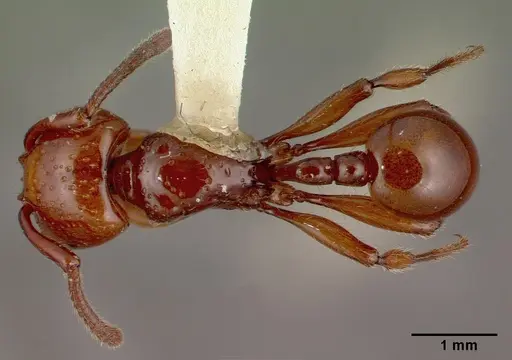
CASENT0901378
View on AntWeb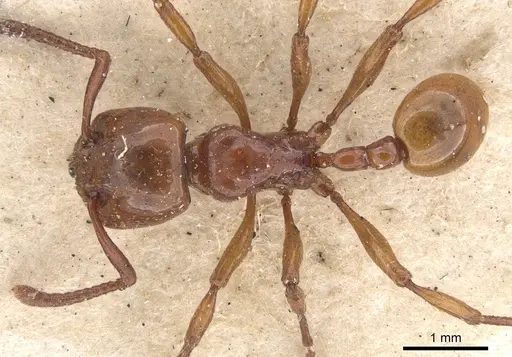
CASENT0901381
View on AntWeb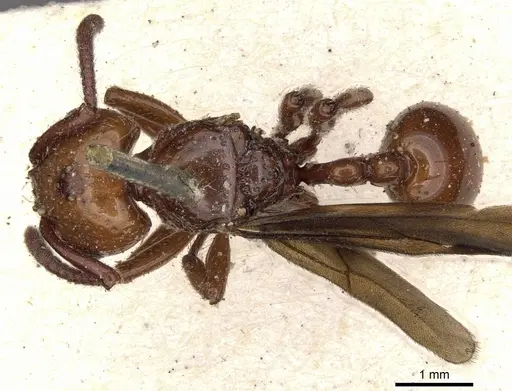
CASENT0901711
View on AntWeb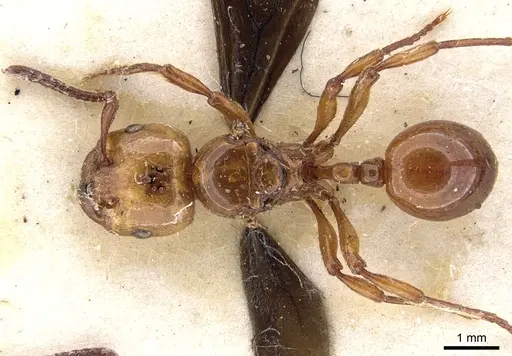
CASENT0901712
View on AntWeb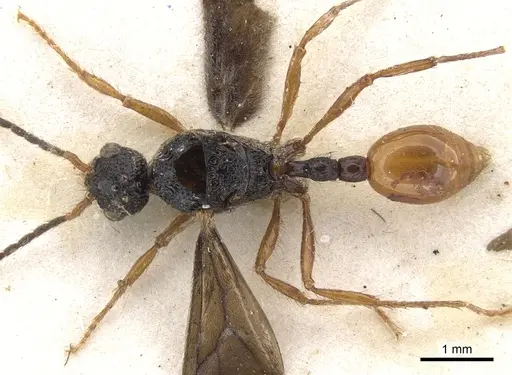
CASENT0901713
View on AntWeb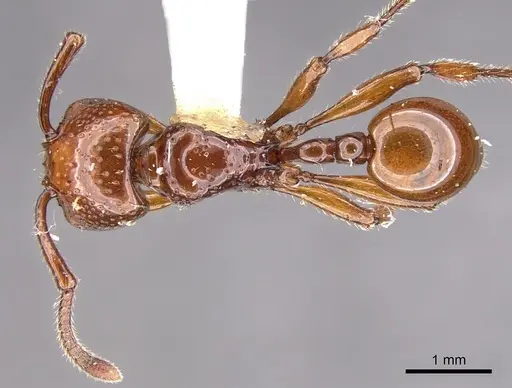
CASENT0904693
View on AntWeb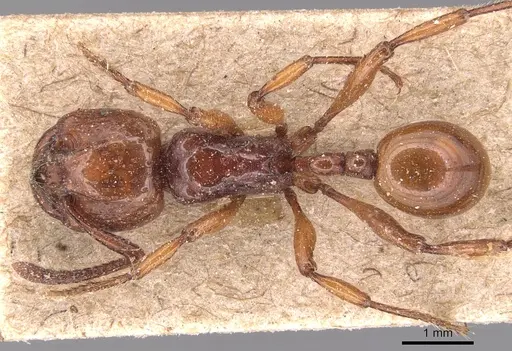
CASENT0916662
View on AntWeb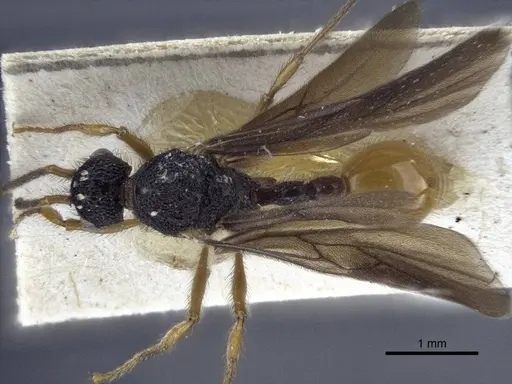
CASTYPE06994
View on AntWeb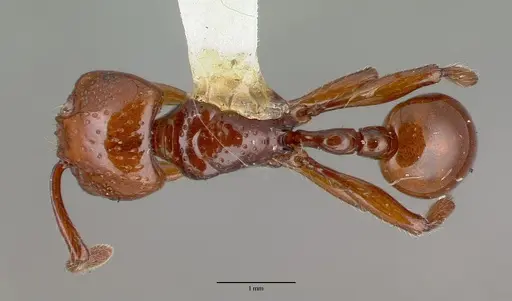

Literature
Loading...Loading products...