

Pristomyrmex trachylissus
- Scientific Name
- Pristomyrmex trachylissus
- Tribe
- Crematogastrini
- Subfamily
- Myrmicinae
- Author
- Smith, 1858
- Distribution
- Found in 1 countries
Pristomyrmex trachylissus Overview
Pristomyrmex trachylissus is an ant species of the genus Pristomyrmex. It is primarily documented in 1 countries , including Malaysia. Detailed taxonomic data and occurrence records can be further explored via authoritative databases such as AntWeb or the Global Biodiversity Information Facility (GBIF).
Pristomyrmex trachylissus
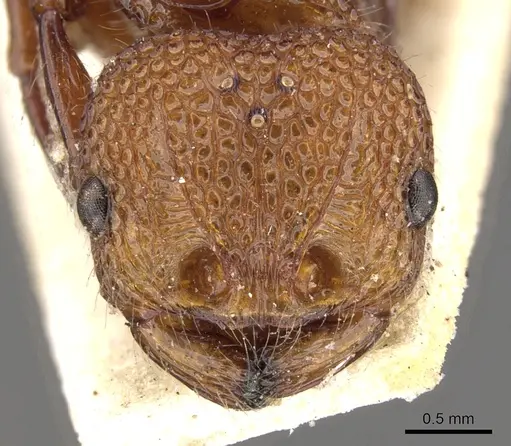
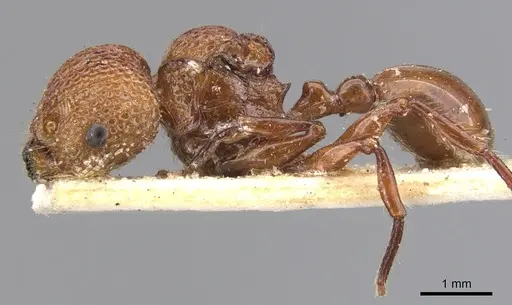
Pristomyrmex trachylissus is a large, striking ant species native to Southeast Asian rainforests. Workers measure 5.58-6.48mm and feature remarkably long pronotal spines that can be as long as the distance between their bases, one of the most distinctive spine lengths in the genus [1]. The head and body are reddish-brown, with darker black-brown mandibles and antennae. Queens are even larger at 7.55mm. This species is extremely similar in appearance to Pristomyrmex bicolor, and they can occur in the same regions of Borneo and Malaysia, though T. trachylissus can be identified by its five-toothed mandible and less distinct diastema [1]. They nest in rotting wood within rainforest habitats.
Quick Summary
- Difficulty: Medium
- Origin & Habitat: Found in rainforest habitats across the Indomalaya region, specifically Borneo, Indonesia (Java, Sumatra), Malaysia, and southern Thailand. Collected from rotting logs in lowland forest areas [2][3].
- Colony Type: Colony structure is unconfirmed. Based on related Pristomyrmex species, likely single-queen colonies, but this requires verification.
- Size & Growth:
- Queen: 7.55mm [1]
- Worker: 5.58-6.48mm [1]
- Colony: Unknown, no colony size data available
- Growth: Unknown, no development data available
- Development: 6-10 weeks (estimated based on typical Myrmicinae development at tropical temperatures) (This is an estimate, no specific development data exists for this species. Related Pristomyrmex species suggest moderate development speed.)
- Antkeeping:
- Temperature: Keep warm at 24-28°C. As a rainforest species from Southeast Asia, they need stable tropical temperatures. A heating cable on one side of the nest can provide a gentle gradient if room temperature is below this range.
- Humidity: High humidity is essential, rainforest ants need 70-85% humidity. Keep the nest substrate consistently moist but not waterlogged. Provide a water tube for drinking water.
- Diapause: No, as a tropical species, they do not require hibernation. Maintain warm temperatures year-round.
- Nesting: In nature they nest in rotting wood within rainforest. In captivity, a Y-tong (AAC) nest or plaster/naturalistic setup works well. Keep the nest material moist and provide a humid outworld. Avoid dry conditions.
- Behavior: Workers are active foragers with strong mandibles. They are likely predatory or omnivorous, hunting small invertebrates. Their large size and distinctive spines suggest they may be more defensive than smaller ant species. Escape risk is moderate, use standard barrier methods but they are not known escape artists like tiny species.
- Common Issues: high humidity maintenance is critical, dry conditions will kill colonies quickly, tropical temperature requirements mean stable heating is needed year-round, limited availability in the antkeeping hobby means established husbandry guidelines are scarce, wild-caught colonies may harbor parasites or struggle to adapt to captive conditions
Housing and Nest Setup
Pristomyrmex trachylissus requires a humid, warm enclosure that mimics their natural rainforest rotting wood habitat. A Y-tong (acrylic and cotton) nest works well, the acrylic provides visibility while the cotton holds moisture. Alternatively, a plaster nest or naturalistic setup with damp soil and rotting wood pieces can replicate their natural conditions. The outworld should be humid as well, consider using a water tube for drinking water and occasional misting of the outworld. Ensure the nest has multiple chambers so they can regulate their position based on humidity preferences. Escape prevention is straightforward since they are a moderately sized ant, but standard barriers like fluon on the rim of the formicarium are still recommended. [3]
Feeding and Diet
Pristomyrmex ants are typically predatory or omnivorous, using their strong mandibles to capture and process prey. Offer small live insects like fruit flies, pinhead crickets, and mealworms. Sugar sources like honey water or sugar water are likely accepted, offer these regularly alongside protein. Based on related Pristomyrmex species, they likely have a varied diet in the wild including honeydew from aphids and small arthropods. Feed protein prey 2-3 times per week and keep a constant sugar water source available. Remove uneaten prey after 24-48 hours to prevent mold.
Temperature and Seasonal Care
As a tropical rainforest species from Southeast Asia, Pristomyrmex trachylissus requires warm temperatures year-round. Maintain the nest at 24-28°C with minimal temperature fluctuations. Room temperature alone may be insufficient depending on your climate, use a heating cable on one side of the nest to create a gentle gradient if needed. Place the heating on top of the nest material, not underneath, to avoid drying out the substrate too quickly. Unlike temperate species, they do not require hibernation or diapause. Consistent warmth is more important than seasonal temperature changes. Monitor colony activity, if workers cluster near the heat source, increase temperature slightly, if they avoid heated areas, reduce heat.
Handling and Temperament
These are moderately large ants with powerful mandibles. While not aggressive toward humans, they can deliver a noticeable bite if handled roughly or threatened. Their distinctive long pronotal spines make them visually striking and relatively easy to identify. Workers are active foragers and will explore their outworld regularly. When caring for this species, avoid sudden movements near the nest and give them time to establish before regular observations. They are not suitable for handling but are fascinating to observe through the nest walls. The long spines may serve a defensive function, making them appear larger to predators. [1]
Colony Establishment
If acquiring a queen or colony, expect a founding period of several months before the first workers (nanitics) emerge. Since founding behavior is unconfirmed for this species, assume claustral founding (queen seals herself in and raises first workers alone) based on typical Myrmicinae patterns. Provide the queen with a moist test tube setup and keep it dark and undisturbed. Do not feed the founding queen, she should have sufficient stored reserves. Once workers emerge, gradually introduce small prey items and sugar water. Growth rate is estimated as moderate, but specific timelines are unknown for this species. Be patient, it may take 6-10 weeks from egg to first worker at optimal temperatures.
Frequently Asked Questions
How long does it take for Pristomyrmex trachylissus to produce first workers?
Exact development time is unknown, but based on typical Myrmicinae development at tropical temperatures, expect 6-10 weeks from egg to first worker. This is an estimate since no specific development data exists for this species.
What temperature do Pristomyrmex trachylissus ants need?
Keep them warm at 24-28°C year-round. As a tropical rainforest species from Southeast Asia, they need stable warm temperatures and do not tolerate cool conditions.
Do Pristomyrmex trachylissus ants need hibernation?
No, they do not require hibernation. As a tropical species, maintain warm temperatures throughout the year. They are active year-round in their native habitat.
What do Pristomyrmex trachylissus ants eat?
They are likely predatory or omnivorous. Offer small live insects (fruit flies, pinhead crickets, mealworms) and sugar sources (honey water, sugar water). Protein should be offered 2-3 times weekly with constant sugar water available.
How big do Pristomyrmex trachylissus colonies get?
Colony size is unknown, no scientific data exists on maximum colony size for this species. Based on worker size and related species, expect moderate-sized colonies.
Are Pristomyrmex trachylissus ants good for beginners?
This species is rated as Medium difficulty. While not the most challenging, their specific humidity and temperature requirements make them better suited for keepers with some experience. Their limited availability in the hobby also means established husbandry guidelines are scarce.
Can I keep multiple Pristomyrmex trachylissus queens together?
Colony structure is unconfirmed for this species. Combining unrelated queens is not recommended since this has not been documented and could result in aggression.
What type of nest is best for Pristomyrmex trachylissus?
A Y-tong (AAC) nest or plaster nest with good moisture retention works well. They naturally nest in rotting wood, so the nest material should hold humidity. Keep the nest consistently moist but not waterlogged.
Do Pristomyrmex trachylissus ants sting?
They have strong mandibles and may bite if threatened, but stings are not commonly reported. Their primary defense is their mandibles and their distinctive long spines which make them appear larger to predators.
Where is Pristomyrmex trachylissus found in the wild?
They occur across the Indomalaya region, Borneo, Indonesia (Java, Sumatra), Malaysia, and southern Thailand. They live in rainforest habitats, typically nesting in rotting wood.
References

This caresheet is licensed under CC BY-SA 4.0 .
CASENT0901717
View on AntWeb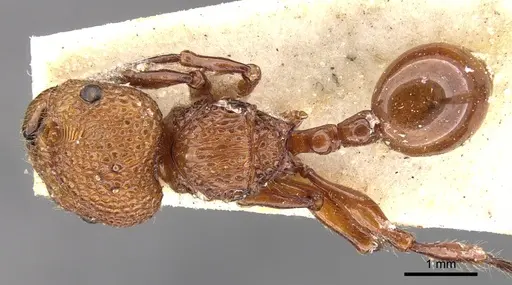
Literature
Loading...Loading products...