

Pristomyrmex simplex
- Scientific Name
- Pristomyrmex simplex
- Tribe
- Crematogastrini
- Subfamily
- Myrmicinae
- Author
- Wang, 2003
- Distribution
- Found in 1 countries
Pristomyrmex simplex Overview
Pristomyrmex simplex is an ant species of the genus Pristomyrmex. It is primarily documented in 1 countries , including Papua New Guinea. Detailed taxonomic data and occurrence records can be further explored via authoritative databases such as AntWeb or the Global Biodiversity Information Facility (GBIF).
Pristomyrmex simplex
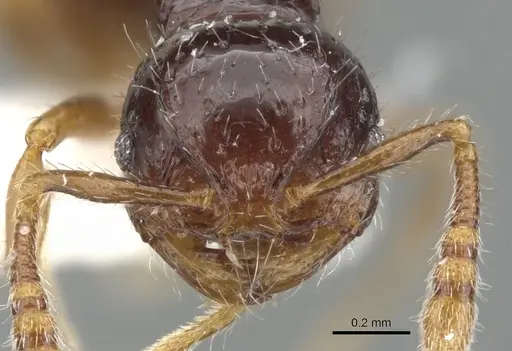
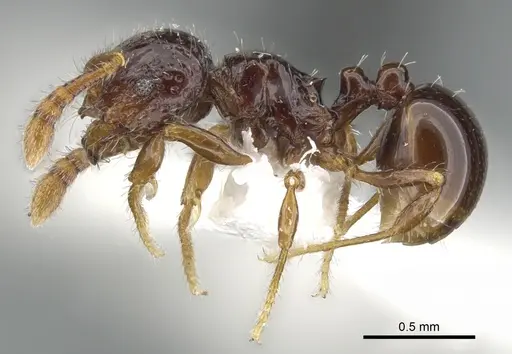
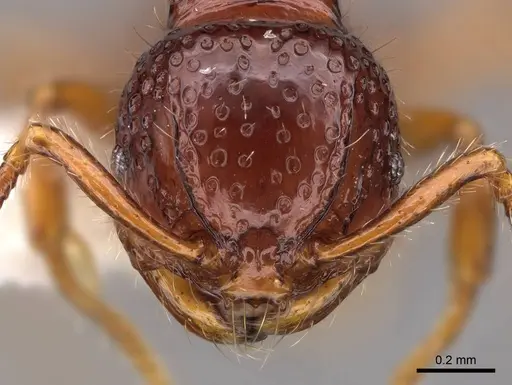
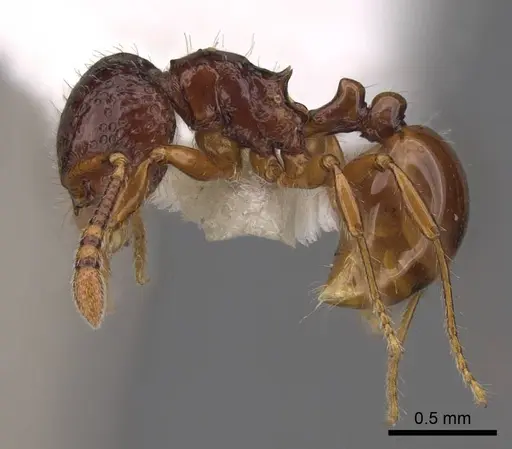
Pristomyrmex simplex is a tiny rainforest ant native to New Guinea and the Philippines. Workers measure just 2.4-2.7mm in total length, making them one of the smaller ant species you'll encounter in the hobby. They have a distinctive reddish-brown coloration and can be recognized by their small eyes (usually 5 ommatidia in the longest row), the four teeth on their mandibles without a gap, and the high petiole node that sits well above a short peduncle. Their dorsal surfaces show scattered foveolate (pitted) punctures, and they have propodeal teeth that are short and triangular [1][2].
This species belongs to the Pristomyrmex genus, which contains around 60 species distributed primarily through the Asia-Pacific region. Pristomyrmex ants are litter-dwelling predators that forage in the forest floor layer. P. simplex is closely related to P. levigatus and P. obesus, and can be distinguished from similar species by its eye structure and the presence of foveolate punctures on the alitrunk [1][2].
Quick Summary
- Difficulty: Medium
- Origin & Habitat: Pristomyrmex simplex is found in the Australasian region (New Guinea) and Indomalaya region (Philippines). It lives in rainforest habitats and has been collected from leaf litter samples, indicating it nests in the forest floor layer [1][2].
- Colony Type: Colony structure is unconfirmed. The genus Pristomyrmex shows variation in colony types across species, with some being monogyne (single queen) and others polygyne (multiple queens). No specific data exists for P. simplex regarding natural colony structure.
- Size & Growth:
- Queen: 2.51-2.84mm [2]
- Worker: 2.42-2.64mm [2]
- Colony: Unknown, no colony size data available for this species
- Growth: Unknown, no development data available for this species
- Development: 6-10 weeks (estimated based on typical Myrmicinae development at tropical temperatures) (This is an estimate based on related small Myrmicinae species. Actual development time is unconfirmed for this species.)
- Antkeeping:
- Temperature: Keep at 24-28°C. This is a tropical rainforest species from New Guinea, so it requires warm, stable temperatures. A heating cable on one side of the nest can create a gentle gradient if your room temperature runs cooler.
- Humidity: Keep the nest substrate consistently moist but not waterlogged. As a litter-dwelling rainforest ant, they need high humidity, aim for substrate that feels damp to the touch with some condensation on the nest walls. Provide a water tube for drinking access.
- Diapause: Unlikely, this is a tropical species from New Guinea where temperatures remain warm year-round. No diapause requirement has been documented, and tropical ants typically remain active throughout the year with stable conditions.
- Nesting: This tiny ant does well in small-scale setups. Y-tong (acrylic) nests with narrow chambers work well, or you can use a naturalistic setup with moist substrate. Because they're so small, ensure chambers and passages are appropriately scaled, avoid large, open spaces. Test tube setups work for founding colonies.
- Behavior: Pristomyrmex ants are small but active foragers. They are likely predatory on small arthropods given their genus habits, hunting through leaf litter. Workers are not particularly aggressive but will defend the nest. Their small size means excellent escape prevention is critical, they can squeeze through tiny gaps. They are diurnal foragers active during the day. The small eye size suggests they may rely more on chemical trails than visual cues.
- Common Issues: escape prevention is critical, their tiny 2.5mm size means they can slip through the smallest gaps, so use fine mesh and tight-fitting lids, slow growth is common, without documented development data, colonies may take longer than expected to establish, overheating is dangerous, being from rainforest understory, they prefer stable warmth rather than high temperatures, wild-caught colonies may struggle with captivity, litter-dwelling ants are often sensitive to habitat changes, small colony size means fewer workers to maintain humidity and tend brood, be patient during founding
Housing and Nest Setup
Because Pristomyrmex simplex is such a tiny ant, housing requires attention to scale. Y-tong (acrylic) nests work well because you can control the chamber size precisely. Use narrow chambers and short tunnels, these ants don't need the extensive tunnel systems that larger species require. A test tube setup works perfectly for founding colonies, use a small test tube with a cotton ball providing water access. For established colonies, a naturalistic setup with moist substrate (a mix of soil and sand that holds humidity) can work well, mimicking their natural leaf litter habitat. Whatever setup you choose, ensure there are no gaps larger than 1mm, these ants are incredibly small and will escape through seams you'd never expect. Cover all connections with tape or barrier gel. [1][2]
Feeding and Diet
Pristomyrmex ants are predatory by nature, feeding on small arthropods in the wild. In captivity, offer small live prey appropriate to their size: fruit flies (Drosophila), springtails, and other tiny insects work well. You can also offer small pieces of mealworms, but live prey is preferred. Sugar sources may be accepted, you can offer a drop of honey water or sugar water occasionally, but don't rely on it as a primary food source since this genus tends toward predatory diets. Feed small amounts every 2-3 days and remove any uneaten prey after 24 hours to prevent mold. A constant water source is essential.
Temperature and Humidity
This is a tropical species, so warmth is important. Keep the nest area at 24-28°C consistently. A heating cable placed on one side of the nest creates a gentle temperature gradient that allows the ants to self-regulate. Avoid temperatures above 32°C or sudden temperature swings. For humidity, aim for moist substrate conditions, the nest material should feel damp but not have standing water. Mist occasionally and check that condensation doesn't disappear too quickly. A water tube connected to the nest helps maintain humidity through evaporation. These ants come from rainforest litter layers where humidity stays consistently high. [1]
Colony Establishment and Growth
Starting a colony of Pristomyrmex simplex requires patience. If you obtain a founding queen, keep her in a small test tube setup with constant access to water. The tube should be dark (covered with an opaque sleeve) to reduce stress. Expect 4-6 weeks for the first eggs to develop into workers, though this is an estimate since no specific development data exists for this species. The first workers (nanitics) will be very small. Growth tends to be slow initially, small colonies of tiny ants simply produce fewer workers per cycle. Don't be alarmed if progress seems slow, this is normal for small Myrmicinae species. Once you have 20-30 workers, you can consider moving to a larger nest setup if needed.
Behavior and Observation
These ants are active foragers that search through the substrate and outworld for prey. Workers are small but numerous in established colonies, and you'll see them actively patrolling and hunting. They're not aggressive toward keepers and rarely bite, but they will defend the nest if threatened. Their small eye size (typically 5 ommatidia) suggests they rely heavily on chemical communication and pheromone trails rather than vision. When foraging, they likely follow scent trails left by nestmates. Watching this tiny ant navigate obstacles and communicate chemically is part of the appeal of keeping these litter-dwelling species. [1]
Frequently Asked Questions
How long does it take for Pristomyrmex simplex to have first workers?
Expect 6-10 weeks from founding to first workers, though this is an estimate since specific development data doesn't exist for this species. Small tropical ants typically develop faster than temperate species, but their tiny size means fewer eggs per cycle.
What do Pristomyrmex simplex ants eat?
They are predatory ants that hunt small arthropods. Feed them small live prey like fruit flies, springtails, or tiny crickets. They may accept honey water or sugar water occasionally, but live protein should be their primary food.
Do Pristomyrmex simplex ants sting?
Given their tiny 2.5mm size, they likely have a stinger but it's too small to penetrate human skin effectively. They're not considered dangerous to keepers.
Are Pristomyrmex simplex ants good for beginners?
This species is rated as Medium difficulty. While not the hardest species, the lack of documented care information and their tiny size means they're better suited for keepers who already have some experience with small Myrmicinae species.
What temperature do Pristomyrmex simplex ants need?
Keep them warm at 24-28°C. This is a tropical rainforest species from New Guinea, so stable warmth is important. Avoid temperatures above 32°C.
How big do Pristomyrmex simplex colonies get?
The maximum colony size is unknown, no published data exists on natural colony sizes for this species. Based on related Pristomyrmex species, colonies likely reach a few hundred workers at most.
Do Pristomyrmex simplex ants need hibernation?
No hibernation is required. This is a tropical species from New Guinea where temperatures remain warm year-round. Keep them at stable tropical temperatures throughout the year.
Can I keep multiple Pristomyrmex simplex queens together?
The natural colony structure is unconfirmed for this species. Without documented information on whether they're monogyne or polygyne, combining unrelated queens is not recommended.
Why are my Pristomyrmex simplex ants escaping?
Their tiny 2.5mm size means they can escape through incredibly small gaps. Check all connections, use fine mesh (at least 1mm gap tolerance), and ensure lid seals are tight. Even a hairline crack is an escape route for these ants.
When should I move Pristomyrmex simplex to a formicarium?
Wait until you have at least 30-50 workers and the test tube setup is becoming crowded. For this tiny species, even small formicariums or Y-tong nests work well, there's no need to wait for large colonies.
References

This caresheet is licensed under CC BY-SA 4.0 .
CASENT0901729
View on AntWeb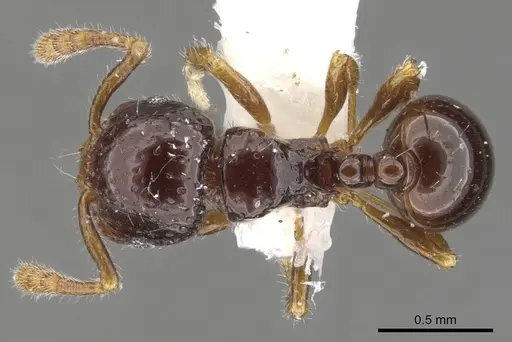
CASENT0923001
View on AntWeb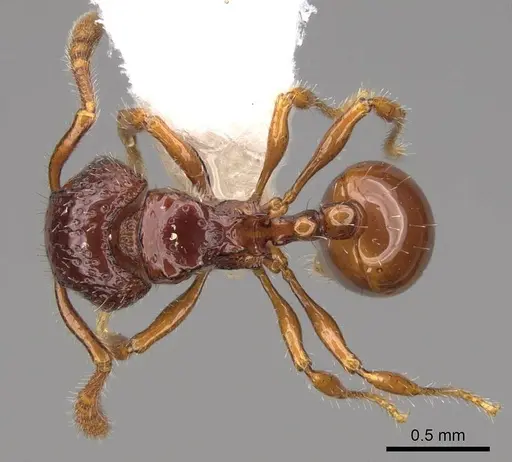
Literature
Loading...Loading products...