

Pristomyrmex quadridens
- Scientific Name
- Pristomyrmex quadridens
- Tribe
- Crematogastrini
- Subfamily
- Myrmicinae
- Author
- Emery, 1897
- Distribution
- Found in 5 countries
Pristomyrmex quadridens Overview
Pristomyrmex quadridens is an ant species of the genus Pristomyrmex. It is primarily documented in 5 countries , including Indonesia, Malaysia, French Polynesia. Detailed taxonomic data and occurrence records can be further explored via authoritative databases such as AntWeb or the Global Biodiversity Information Facility (GBIF).
Pristomyrmex quadridens
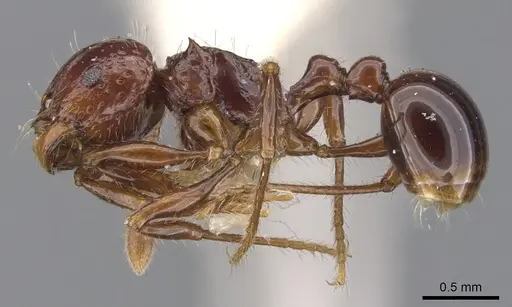
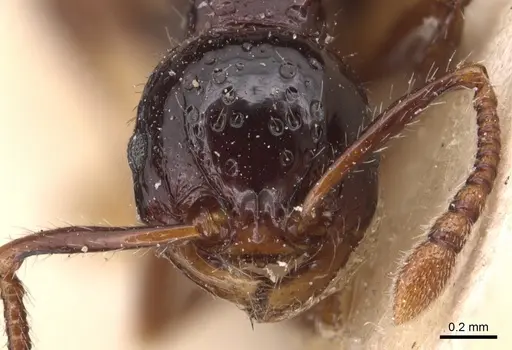
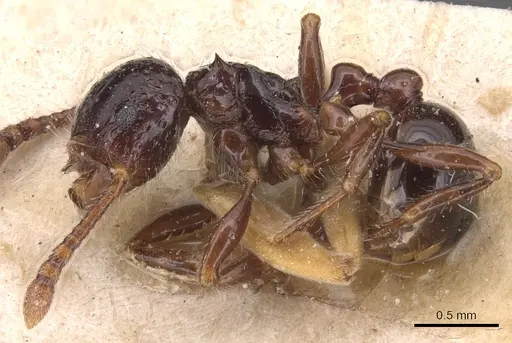
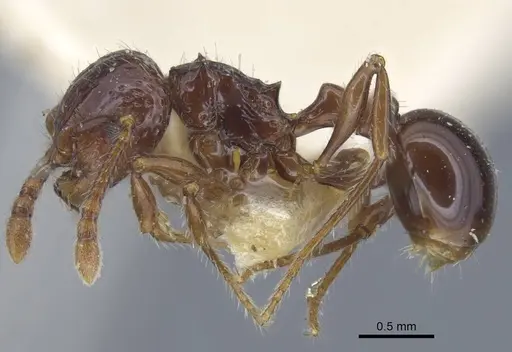
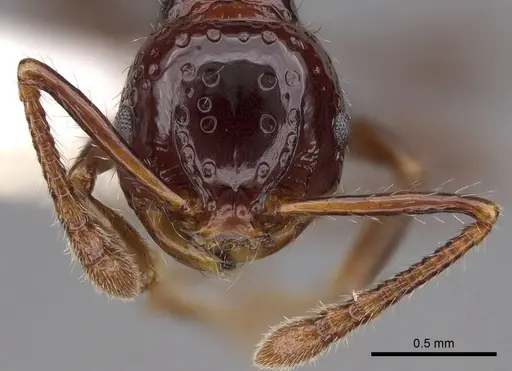
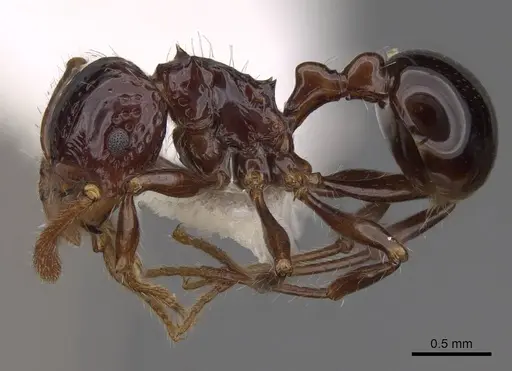
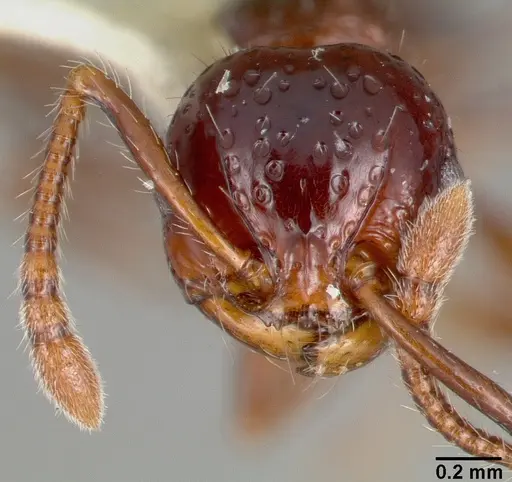
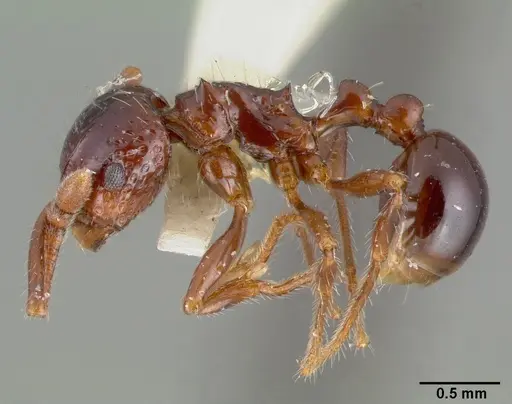
Pristomyrmex quadridens is a small ant native to rainforests of New Guinea, the Philippines, and Micronesia. Workers measure 3.3-4.1 mm in total length [1][2] and have short spines on the pronotum and propodeum. Color varies by region: dark brown in Palau and orange in Pohnpei [3]. They nest in rotting wood on moist river beds [1]. This species shows notable color variation across its range, with specimens from Palau being dark brown and those from Pohnpei bright orange [3].
Quick Summary
- Difficulty: Medium
- Origin & Habitat: Rainforest species from New Guinea, the Philippines (Leyte), Palau, and Pohnpei. Found in litter, rotten branches, and under bark, nests in moist rotting wood on river beds [1][3].
- Colony Type: Colony structure is unconfirmed.
- Size & Growth:
- Queen:{.size-link} ~3.82-4.72 mm [4]
- Worker:{.size-link} ~3.3-4.1 mm [1][2]
- Colony: Unknown
- Growth: Moderate, inferred from related species
- Development: Estimated 6-10 weeks based on typical Myrmicinae development patterns (Development time is unconfirmed, estimates assume tropical temperatures around 26°C.)
- Antkeeping:
- Temperature: Keep at 24-28°C. This is inferred from their tropical rainforest habitat [3].
- Humidity: Keep nest substrate consistently moist but not waterlogged, as they naturally nest in moist rotting wood [1].
- Diapause: Unknown, tropical species may not require formal hibernation.
- Nesting: Prefers moist, rotting wood or similar humid materials. In captivity, use Y-tong nests with moist plaster or naturalistic setups with damp wood [1].
- Behavior: Workers are active foragers, searching for small prey and honeydew. They are small (under 4 mm), so standard escape prevention is needed. Temperament is not well-documented, but Pristomyrmex species are generally not aggressive.
- Common Issues: high humidity requirements can lead to colony stress in dry environments., small size requires attention to escape prevention through tight-fitting lids., moist substrate is critical, drying out can kill colonies., limited availability may mean wild-caught colonies have parasites., slow colony growth may frustrate keepers.
Housing and Nest Setup
Replicate natural conditions by using a Y-tong nest with moist plaster or a naturalistic setup with damp wood pieces. These ants nest in rotting wood on moist river beds, so maintain consistent moisture without flooding [1]. Standard test tube setups can work for founding colonies, but transfer to a more spacious formicarium once the colony grows. Ensure nest chambers are scaled appropriately for their small size.
Feeding and Diet
Offer a mix of protein and sugar sources. Provide small live prey like fruit flies or pinhead crickets, and sugar water or honey. Feed small amounts 2-3 times per week for growing colonies, and remove uneaten prey after 24 hours to prevent mold.
Temperature and Humidity Management
Keep the nest at 24-28°C for optimal activity, as this species is tropical [3]. Use a heating cable to create a temperature gradient. Maintain high humidity by keeping the nest substrate consistently damp but not waterlogged, based on their natural nesting in moist rotting wood [1].
Colony Development and Growth
Queens are about 3.82-4.72 mm and workers 3.3-4.1 mm in total length [4][1][2]. Colonies start slowly during founding, with growth accelerating after the first workers emerge. Expect 6-10 weeks from egg to first worker at optimal temperatures, though this is estimated. Maximum colony size is unknown.
Behavior and Temperament
Workers are active foragers that search for small prey and likely tend aphids for honeydew. Their small size means standard escape prevention measures are sufficient. Color varies by region: orange in Pohnpei and dark brown in Palau [3].
Frequently Asked Questions
How long does it take for Pristomyrmex quadridens to have first workers?
Estimated 6-10 weeks from egg to first worker at optimal tropical temperatures, based on typical Myrmicinae development patterns.
What temperature do Pristomyrmex quadridens ants need?
Keep them at 24-28°C, inferred from their tropical rainforest habitat [3].
What do Pristomyrmex quadridens ants eat?
They are omnivorous. Offer small live prey for protein and sugar sources like honey water.
Are Pristomyrmex quadridens good for beginners?
This is a medium-difficulty species due to humidity and temperature requirements, but manageable with experience.
Do Pristomyrmex quadridens ants sting?
They have a modified stinger for smearing venom, but it is unlikely to penetrate human skin effectively.
How big do Pristomyrmex quadridens colonies get?
Maximum colony size is unknown, but based on related species, they may reach several hundred workers.
What humidity do Pristomyrmex quadridens need?
Keep nest substrate consistently moist but not waterlogged, as they nest in moist rotting wood [1].
Can I keep multiple Pristomyrmex quadridens queens together?
Colony structure is unconfirmed, so combining queens is not recommended.
What type of nest is best for Pristomyrmex quadridens?
A Y-tong nest with moist plaster or a naturalistic setup with damp wood works well [1].
Where is Pristomyrmex quadridens found in the wild?
Native to New Guinea, the Philippines (Leyte), Palau, and Pohnpei, in rainforest habitats [1][3].
Do Pristomyrmex quadridens need hibernation?
Unknown, as a tropical species, they likely do not require formal hibernation.
Why is my Pristomyrmex quadridens colony dying?
Common causes include too dry conditions, temperatures below 24°C, or improper feeding. Check moisture and temperature levels.
Report an Issue
The current care sheet is based fully on literature. See inconsistencies, or something that's incorrect? Please , it will be resolved after review from an admin. Contributing to the blogs tab also helps providing information, to make us be able to further improve the caresheets. Thank you for your support!
References

This caresheet is licensed under CC BY-SA 4.0 .
CASENT0178411
View on AntWeb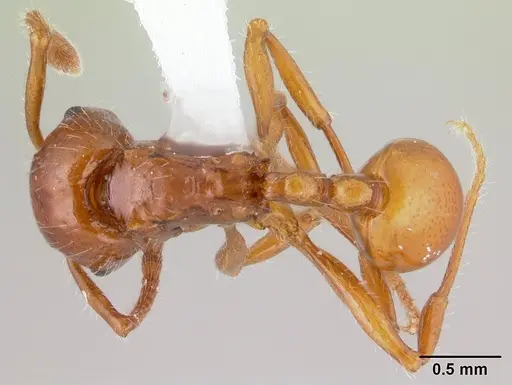
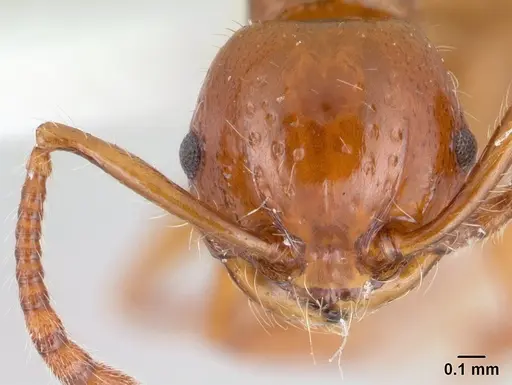
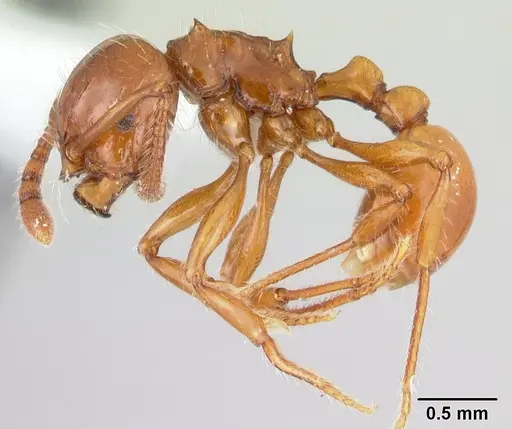
CASENT0178412
View on AntWeb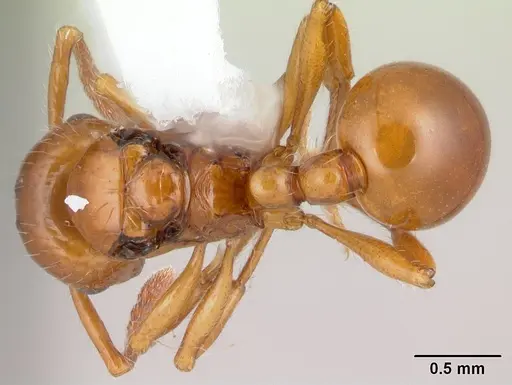
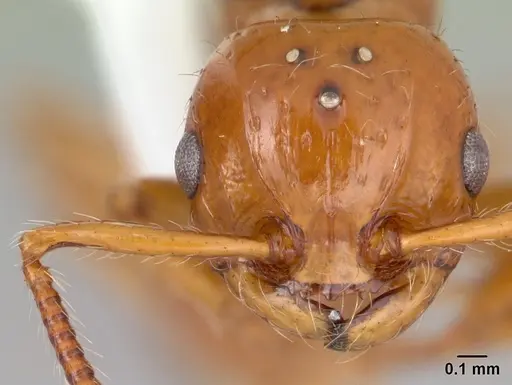
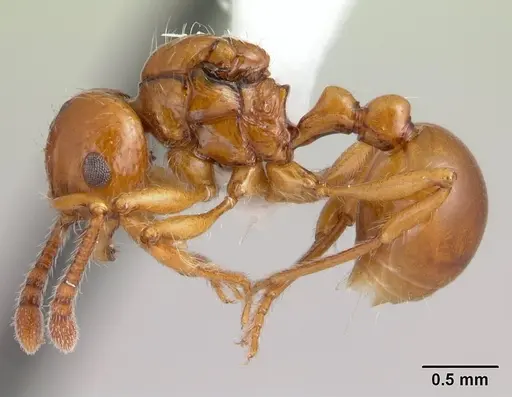
CASENT0178444
View on AntWeb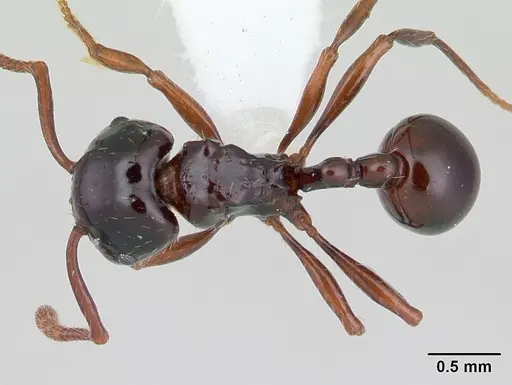
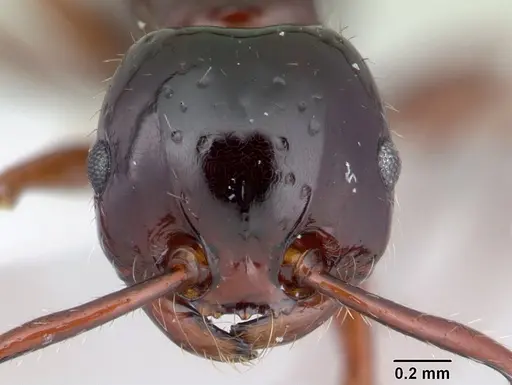
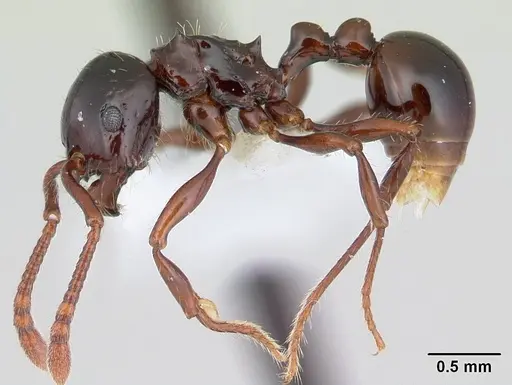
CASENT0901725
View on AntWeb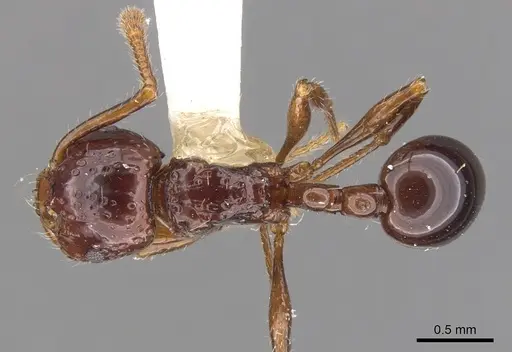
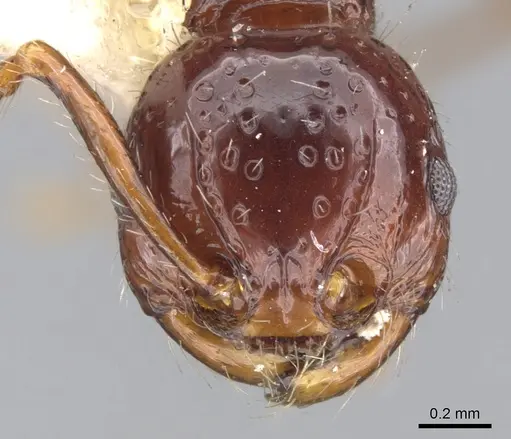
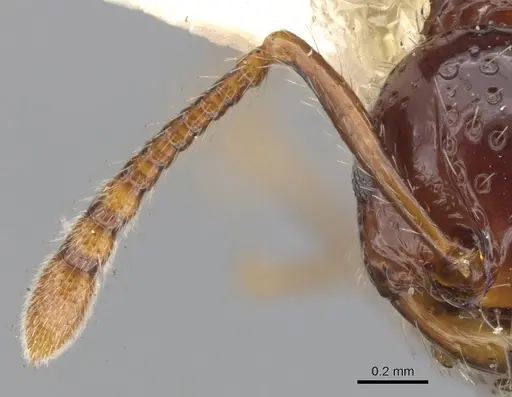
CASENT0904696
View on AntWeb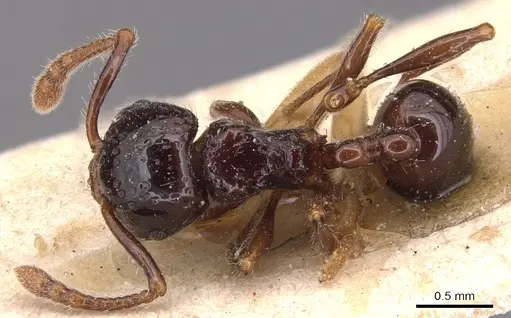
CASENT0917032
View on AntWeb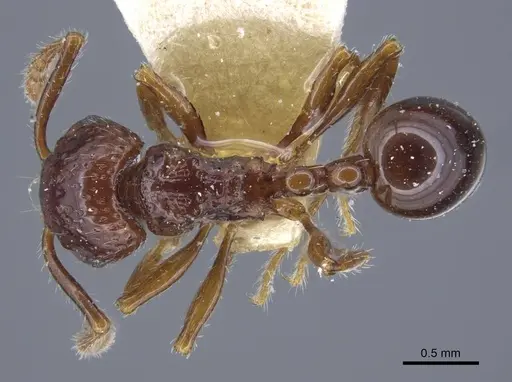
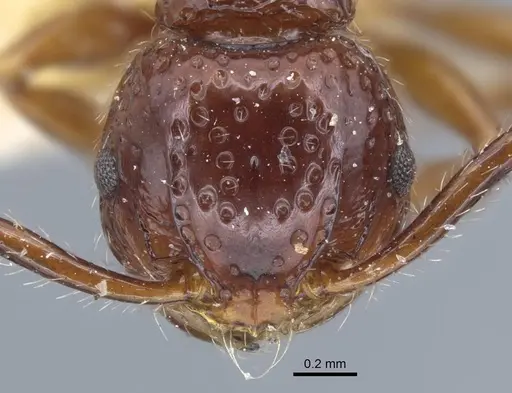
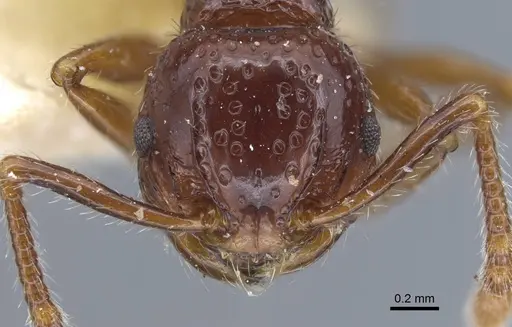
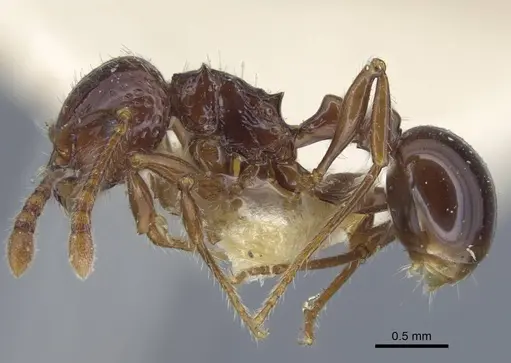
CASENT0922996
View on AntWeb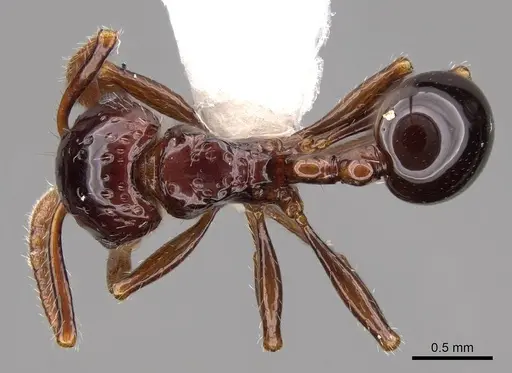
CASTYPE06941
View on AntWeb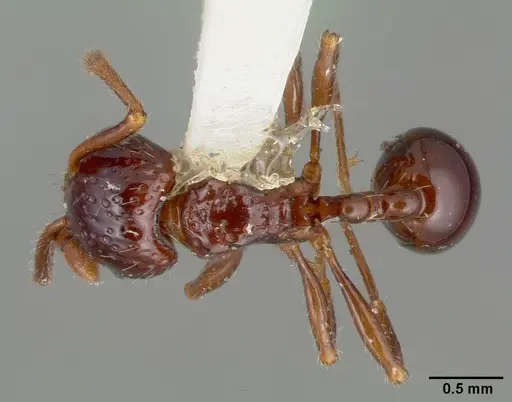
Literature
Loading...Loading products...