

Pristomyrmex pulcher
- Scientific Name
- Pristomyrmex pulcher
- Tribe
- Crematogastrini
- Subfamily
- Myrmicinae
- Author
- Wang, 2003
- Distribution
- Found in 1 countries
Pristomyrmex pulcher Overview
Pristomyrmex pulcher is an ant species of the genus Pristomyrmex. It is primarily documented in 1 countries , including Malaysia. Detailed taxonomic data and occurrence records can be further explored via authoritative databases such as AntWeb or the Global Biodiversity Information Facility (GBIF).
Pristomyrmex pulcher
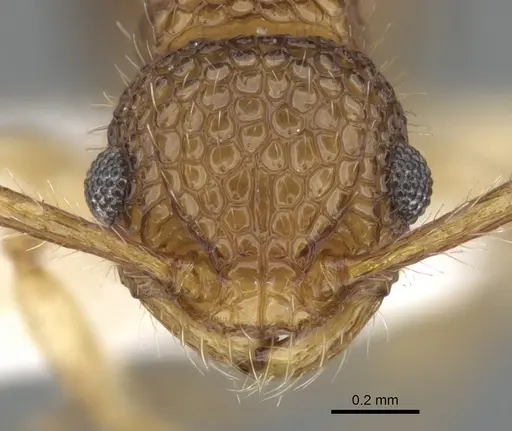
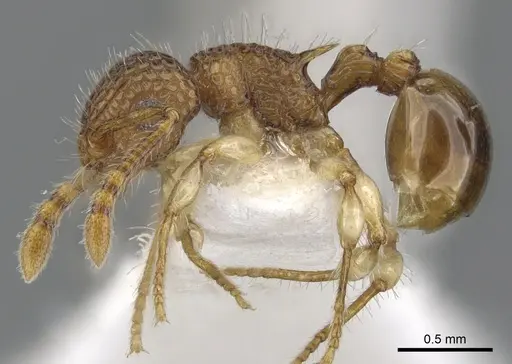
Pristomyrmex pulcher is a tiny myrmicine ant native to the Malay Peninsula and Philippines. Workers measure just 2.7-3.1mm and have a distinctive appearance with coarse rugoreticulum (wrinkled network pattern) on the head and alitrunk, long propodeal spines, and bicolored legs with yellow tibiae contrasting against reddish-brown femurs and tarsi [1]. This species was described in 2003 and is only known from the worker caste, making it a relatively rare find in antkeeping [2]. It belongs to the Punctatus species group and is closely related to P. divisus, though visually similar to P. punctatus [2]. These ants live in primary forest leaf litter in tropical Southeast Asia, where they forage in the damp, shaded microhabitat of the forest floor.
Quick Summary
- Difficulty: Medium
- Origin & Habitat: Native to the Malay Peninsula and Philippines, specifically recorded from Negri Sembilan, Malaysia (Pasoh Forest Reserve). Found in primary forest leaf litter samples [2][1].
- Colony Type: Colony structure is unconfirmed. Only the worker caste has been described. Related species in the Punctatus group typically form small colonies with single queens, but this has not been documented for P. pulcher specifically.
- Size & Growth:
- Queen: Unknown, queen caste has not been described [2]
- Worker: 2.7-3.1mm total length [1]
- Colony: Unknown, estimated small (
- Growth: Unknown, estimated moderate based on small worker size
- Development: Estimated 6-8 weeks at tropical temperatures (25-28°C) (Development timeline is unconfirmed for this species. Estimates based on typical Myrmicinae patterns at optimal temperature.)
- Antkeeping:
- Temperature: Keep at 24-28°C. This species comes from tropical Malaysia where temperatures are consistently warm year-round. A gentle heat gradient allows workers to regulate their temperature.
- Humidity: High humidity required (70-85%). These ants live in forest floor leaf litter where conditions are consistently damp. Keep the nest substrate moist but not waterlogged, with some drier areas available.
- Diapause: No, this is a tropical species from consistent warm climates. No winter dormancy is required.
- Nesting: Prefers humid, enclosed nest spaces. Y-tong (AAC) nests or plaster nests work well. Provide a water reservoir for humidity. Given their tiny size and forest floor origin, they do best in setups that retain moisture while allowing some ventilation.
- Behavior: These are small, active foragers that likely hunt small prey in the leaf litter layer. Temperament is unknown but related species are not particularly aggressive. Their small size (under 4mm) makes them capable of escaping through tiny gaps, excellent escape prevention is essential. They likely form small, discreet colonies.
- Common Issues: escape prevention is critical due to tiny 3mm size, use fine mesh and tight-fitting barriers, high humidity needs can lead to mold if ventilation is poor, balance is key, limited species information means colony establishment may require experimentation, wild-caught colonies may be difficult to locate as they nest in leaf litter
Housing and Nest Setup
Pristomyrmex pulcher is a tiny ant that requires careful attention to escape prevention. Use a Y-tong (AAC) nest or a small plaster/nest chamber setup that maintains high humidity. These ants come from primary forest floor litter in Malaysia, so they are adapted to consistently damp, shaded conditions. The nest should have a water reservoir or moisture gradient to maintain humidity levels around 70-85%. Because workers are only 2.7-3.1mm, even standard test tube setups may need fine mesh barriers on any air holes. A small outworld connected to the nest works well for feeding. Keep the entire setup in a warm area (24-28°C) or use a gentle heating cable on one side of the nest. [1][2]
Feeding and Diet
Based on related Pristomyrmex species and their small size, these ants are likely omnivorous foragers that consume small arthropods, honeydew, and possibly nectar. Feed small protein sources like fruit flies, pinhead crickets, or small mealworms. Offer sugar water or honey as an energy source, though acceptance may vary. Given their tiny size, prey items should be appropriately small. Feed every 2-3 days and remove uneaten food to prevent mold in the humid environment. Fresh water should always be available.
Temperature and Humidity
As a tropical species from Malaysia, Pristomyrmex pulcher requires warm temperatures (24-28°C) and high humidity (70-85%). The Pasoh Forest Reserve where this species was collected has a consistently warm, humid tropical climate. Maintain these conditions year-round, no hibernation or diapause is needed. Use a small heat source if room temperature falls below 24°C, but avoid direct heat that could dry out the nest. Humidity is particularly important, the forest floor litter environment where they live is constantly damp. Monitor for condensation as an indicator of proper humidity. [1][2]
Behavior and Colony Care
This species is known only from worker caste descriptions, meaning queen biology and colony founding behavior remain undocumented. In captivity, you will likely receive either a queenright colony (if available) or a worker group. These ants are small and active, foraging in the litter layer for small prey. Related species in the genus are not known for being particularly aggressive. The most critical aspect of care is escape prevention, workers at 3mm can slip through remarkably small gaps. Use fluon on container rims, fine mesh on any ventilation, and check connections regularly. Colonies likely remain small (under 100 workers) based on typical litter-dwelling Myrmicinae patterns. [1]
Finding and Acquiring
Pristomyrmex pulcher is rarely encountered in the antkeeping hobby. It was only described in 2003 and has limited distribution in Malaysia and the Philippines. If available, it would likely come from specialized antkeepers or occasional field collection. The species is collected from leaf litter samples in primary forest, making wild collection challenging. Expect limited availability and potentially high prices if specimens become available. When establishing a colony, be patient, growth may be slow given the small colony sizes typical of this genus. [1][2]
Frequently Asked Questions
How long does it take for Pristomyrmex pulcher to produce first workers?
The exact timeline is unconfirmed, but based on typical Myrmicinae development at tropical temperatures (25-28°C), expect approximately 6-8 weeks from egg to worker. This is an estimate as the species has not been specifically studied.
What do Pristomyrmex pulcher ants eat?
While not directly studied, Pristomyrmex species are omnivorous foragers. Feed small protein sources like fruit flies, tiny crickets, or small mealworms. Offer sugar water or honey for energy. Prey should be appropriately sized for their tiny 3mm workers.
Do Pristomyrmex pulcher ants sting?
As a Myrmicinae ant, they have a stinger, but at 3mm in size, they are unlikely to penetrate human skin or cause noticeable pain. They are not considered dangerous to keepers.
What temperature do Pristomyrmex pulcher ants need?
Keep them at 24-28°C. This tropical species from Malaysia requires warm conditions year-round. No cooling or hibernation is needed.
How big do Pristomyrmex pulcher colonies get?
Colony size is not documented, but based on related species and their small litter-dwelling habits, colonies likely remain small, probably under 100 workers. This is not a species that produces large colonies.
Is Pristomyrmex pulcher a good species for beginners?
This is not an ideal beginner species due to limited available information, high humidity requirements, and the critical need for excellent escape prevention. The species is also rarely available. Beginners should start with more documented species like Lasius or Camponotus.
Can I keep multiple Pristomyrmex pulcher queens together?
The colony structure is unconfirmed for this species, only workers have been described. Combining unrelated queens is not recommended without documented evidence that they can found colonies pleometrotically (multiple queens together).
Why are my Pristomyrmex pulcher ants escaping?
At only 2.7-3.1mm, these ants can squeeze through incredibly small gaps. Use fluon on all rims, fine mesh on ventilation holes, and check all connections. Even standard test tube setups may need additional barriers. Escape prevention must be excellent.
Do Pristomyrmex pulcher ants need hibernation?
No, this is a tropical species from consistent warm climates in Malaysia and the Philippines. No winter dormancy or hibernation is required. Keep them warm year-round.
What humidity level do Pristomyrmex pulcher ants need?
High humidity is essential, aim for 70-85%. These ants live in forest floor leaf litter where conditions are constantly damp. Keep the nest substrate moist but not waterlogged, and provide a water reservoir.
References

This caresheet is licensed under CC BY-SA 4.0 .
CASENT0901708
View on AntWeb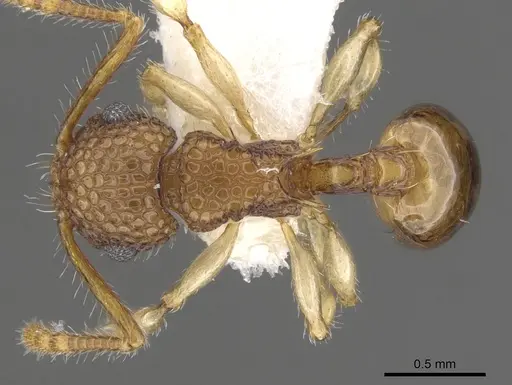
Literature
Loading...Loading products...