

Pristomyrmex obesus
- Scientific Name
- Pristomyrmex obesus
- Tribe
- Crematogastrini
- Subfamily
- Myrmicinae
- Author
- Mann, 1919
- Distribution
- Found in 1 countries
Pristomyrmex obesus Overview
Pristomyrmex obesus is an ant species of the genus Pristomyrmex. It is primarily documented in 1 countries , including Solomon Islands. Detailed taxonomic data and occurrence records can be further explored via authoritative databases such as AntWeb or the Global Biodiversity Information Facility (GBIF).
Pristomyrmex obesus
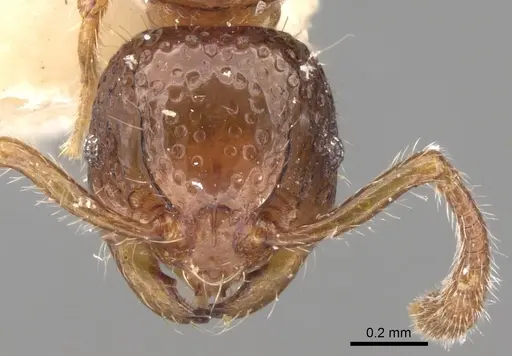
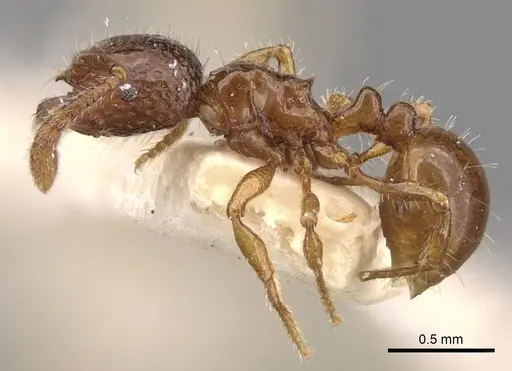
Pristomyrmex obesus is a tiny ant species native to the Solomon Islands in the Pacific. Workers measure just 2.24-3.22mm and queens reach 2.69-3.40mm, making them one of the smaller ant species kept in captivity. They have a reddish-brown coloration and belong to the levigatus species group, characterized by their distinct dense punctures on the head and numerous erect hairs on the gaster. This species was originally described by Mann in 1919 and is found only on the Solomon Islands including Makira, Guadalcanal, Ysabel, Malaita, and the Three Sisters islands [1][2].
What makes P. obesus interesting is their extremely small colony size, the type colony contained fewer than a dozen workers along with a queen and male, suggesting this species naturally forms very small colonies. They nest in forest litter and under stones in their tropical habitat. Their tiny size and small colony structure make them a unique challenge for antkeepers who typically work with larger species.
Quick Summary
- Difficulty: Medium
- Origin & Habitat: Solomon Islands (Pacific Ocean), tropical islands with humid forest environments. They live in forest litter and under stones[3].
- Colony Type: Likely monogyne (single queen) based on colony observations. Colonies appear to remain very small, typically under a dozen workers in natural colonies.
- Colony: Monogyne
- Size & Growth:
- Queen: 2.69-3.40mm
- Worker: 2.24-3.22mm
- Colony: Less than a dozen workers in type colony, colonies remain very small. Likely under 100 workers maximum.
- Growth: Unknown, likely slow given small colony size
- Development: Unknown, no direct studies. Based on similar small Myrmicinae in tropical conditions, estimate 6-8 weeks at warm temperatures. (No specific development data available. Estimate based on genus patterns.)
- Antkeeping:
- Temperature: Keep at 24-28°C (tropical species). A gentle heat gradient allows workers to regulate their temperature.
- Humidity: High humidity preferred, think damp forest floor. Keep substrate consistently moist but not waterlogged.
- Diapause: Unlikely, Solomon Islands have no winter. Maintain warm conditions year-round.
- Nesting: Natural nesting is under stones and in forest litter. In captivity, a small test tube setup or Y-tong nest with tight chambers scaled to their tiny size works well. They need humid conditions.
- Behavior: These ants are very small and relatively docile. Workers are not aggressive and lack a functional stinger effective against humans. They are likely nocturnal or crepuscular foragers. Escape prevention is critical, their tiny size means they can squeeze through standard barrier gaps. They probably forage for small prey and honeydew in nature.
- Common Issues: tiny size makes escape likely without fine mesh barriers, small colony size means slower growth and less buffer against mistakes, high humidity requirements can lead to mold if ventilation is poor, limited natural history data means keeper must observe and adapt, wild-caught colonies may be difficult to establish due to small colony size
Housing and Nest Setup
Because Pristomyrmex obesus is extremely small, standard ant housing requires modification. Use test tubes with small water reservoirs, or a Y-tong (AAC) nest with the smallest available chamber sizes. The chambers should be tight enough that workers can easily traverse them, gaps that would work for larger ants are escape routes for these tiny ants. Escape prevention is critical: apply Fluon or similar barriers to all openings, and use fine mesh (at least 0.5mm) for any ventilation. A small outworld connected to the nest allows for feeding. Since colonies stay small, you do not need large setups, a single test tube with a small foraging area is sufficient for a growing colony. [3]
Feeding and Diet
In the wild, Pristomyrmex species likely forage for small insects and honeydew. In captivity, offer small protein sources like fruit flies, pinhead crickets (appropriately sized), and small mealworms. Since these ants are so tiny, standard protein items may be too large, consider offering liquified proteins or very small prey. Sugar water, honey, or sugar water with a small drop of honey can be offered. Feed small amounts every 2-3 days and remove uneaten food promptly to prevent mold. The small colony size means they need less food than typical ant species, overfeeding is a common mistake that leads to mold problems.
Temperature and Humidity
As a tropical species from the Solomon Islands, Pristomyrmex obesus needs warm, humid conditions. Maintain temperatures between 24-28°C. A heating cable on one side of the nest creates a temperature gradient that lets workers regulate their exposure. For humidity, keep the nest substrate consistently moist, these ants come from damp forest litter and likely desiccate quickly in dry conditions. However, balance humidity with adequate ventilation to prevent mold growth. A water tube in the test tube setup provides humidity, but monitor for condensation buildup.
Colony Care and Growth
Pristomyrmex obesus appears to be a slow-growing species with naturally small colony sizes. The type colony had fewer than a dozen workers, suggesting maximum colony size is modest compared to most ant species. This means you should not expect rapid expansion, patience is key. Do not disturb the queen during founding, she should be left alone in a dark, quiet location. Once workers emerge, they will be very small (nanitics even smaller than normal workers). Handle with extra care as they are fragile. The small colony size also means there is less buffer against mistakes, a few dead workers represents a larger percentage of the colony than in larger species.
Behavior and Temperament
These ants are relatively docile and not aggressive toward keepers. Workers are too small to effectively sting humans, any sting would be negligible. They are likely nocturnal or crepuscular foragers based on their forest litter habitat. Workers probably search for small prey and honeydew. The most notable behavioral trait is their small colony size, unlike many ants that form large colonies, P. obesus seems to thrive in small groups. This makes them less impressive to watch than larger species but appealing for those interested in observing subtle ant behaviors.
Frequently Asked Questions
How long does it take for Pristomyrmex obesus to produce first workers?
The exact timeline is unknown as this species has not been studied in captivity. Based on similar small tropical Myrmicinae, expect approximately 6-8 weeks from egg to first worker at optimal warm temperatures (around 26°C). Patience is essential as colonies grow slowly.
Can I keep multiple queens together?
This has not been documented for this species. The single observed natural colony had one queen, suggesting monogyne (single queen) structure. Keeping multiple unrelated queens together is not recommended due to lack of data on their behavior.
What do Pristomyrmex obesus eat?
They likely accept small protein sources like fruit flies, tiny crickets, and small insects. Sugar sources like honey water or sugar water are probably accepted. Because of their tiny size, prey items must be very small or liquified. Feed small amounts every 2-3 days.
Do Pristomyrmex obesus ants sting?
They have a stinger but are too small to effectively penetrate human skin. They are not considered dangerous to humans and are quite docile.
Are Pristomyrmex obesus good for beginners?
They are challenging due to their tiny size, specific humidity needs, and slow growth. The small colony size means less buffer for mistakes. They are better suited for antkeepers with some experience who can provide consistent warm, humid conditions.
How big do Pristomyrmex obesus colonies get?
Based on the type colony having fewer than a dozen workers, colonies appear to stay very small, likely under 100 workers maximum. This is unusually small for ant species and is a notable characteristic of this species.
Do they need hibernation?
No. As a tropical species from the Solomon Islands (near the equator), they do not experience winter. Maintain warm temperatures year-round.
Why are my Pristomyrmex obesus escaping?
Their tiny size (workers are only 2-3mm) means they can squeeze through gaps that larger ants cannot. Use excellent escape prevention: apply Fluon to all rim edges, use fine mesh for ventilation, and check for any gaps in your setup. Even tiny gaps around water tube connections can be escape routes.
When should I move them to a formicarium?
Because colonies stay small, you may not need a traditional formicarium at all. A well-set-up test tube with a small foraging area can house the colony for its lifetime. Only consider moving if the colony outgrows the setup significantly.
What temperature should I keep them at?
Keep them warm at 24-28°C. Solomon Islands are tropical with year-round warmth. A slight temperature gradient allows workers to regulate their body temperature.
References

This caresheet is licensed under CC BY-SA 4.0 .
CASENT0281800
View on AntWeb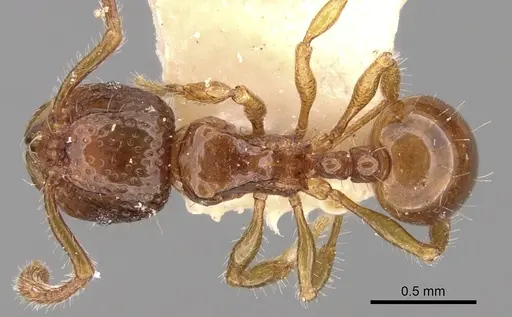
Literature
Loading...Loading products...