

Pristomyrmex costatus
- Scientific Name
- Pristomyrmex costatus
- Tribe
- Crematogastrini
- Subfamily
- Myrmicinae
- Author
- Wang, 2003
- Distribution
- Found in 1 countries
Pristomyrmex costatus Overview
Pristomyrmex costatus is an ant species of the genus Pristomyrmex. It is primarily documented in 1 countries , including Malaysia. Detailed taxonomic data and occurrence records can be further explored via authoritative databases such as AntWeb or the Global Biodiversity Information Facility (GBIF).
Pristomyrmex costatus
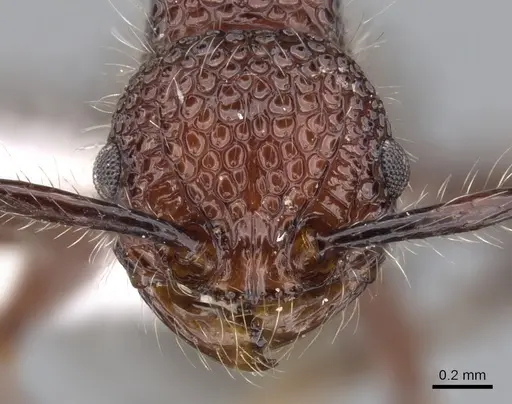
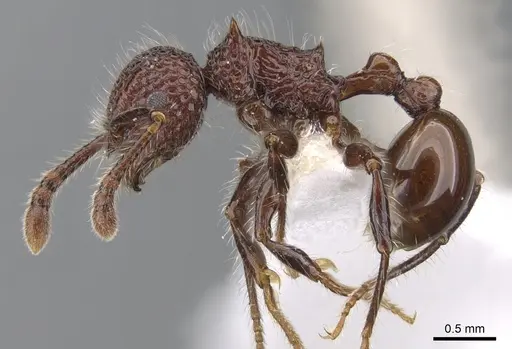
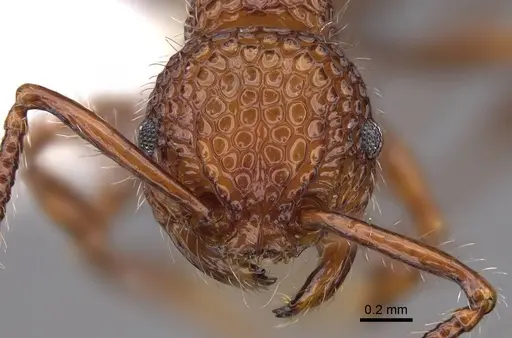
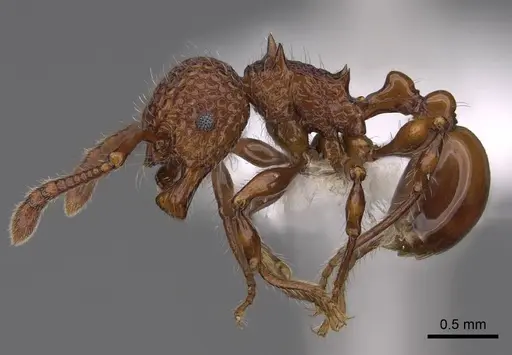
Pristomyrmex costatus is a small Myrmicinae ant species native to Southeast Asia, found across Borneo, Indonesia, Malaysia, the Philippines, and Singapore [1]. Workers measure 4.1-4.6mm and have a distinctive reddish-brown coloration with coarse rugoreticulate sculpture on the head and alitrunk, making them appear textured and roughened [1]. They possess long pronotal spines that are distinctly longer than their propodeal spines, and unlike many related species, they lack erect hairs on the first gastral tergite [1]. Queens are larger at 5.2-5.3mm and share similar morphology but lack pronotal spines [2]. This species nests in rotting logs, leaf litter, and under bark in lowland rainforest and swamp forest habitats [2].
Quick Summary
- Difficulty: Medium
- Origin & Habitat: Southeast Asia, found in Borneo, Indonesia, Malaysia, Philippines, and Singapore in lowland rainforest, swamp forest, and primary forest habitats [1][2]. They nest in rotting logs, under bark, and in leaf litter [2].
- Colony Type: Colony structure is unconfirmed, the genus Pristomyrmex typically forms single-queen colonies, but specific data for P. costatus is lacking [2].
- Size & Growth:
- Queen: 5.2-5.3mm [1][2]
- Worker: 4.1-4.6mm [1]
- Colony: Unknown, likely small to moderate based on typical genus patterns
- Growth: Unknown, likely moderate based on related species
- Development: 6-10 weeks (estimated based on typical Myrmicinae development) (Development timeline is unconfirmed for this species, estimates based on genus-level patterns for similar small Myrmicinae)
- Antkeeping:
- Temperature: Keep at 22-26°C, these are lowland tropical ants that prefer warm, stable conditions. A gentle gradient allowing them to self-regulate is ideal.
- Humidity: High humidity (70-85%), they naturally live in rainforest environments with damp leaf litter and rotting wood. Keep the nest substrate consistently moist but not waterlogged.
- Diapause: No, as a tropical species from Southeast Asia, they do not require hibernation or winter rest [2].
- Nesting: They naturally nest in rotting wood and leaf litter. In captivity, they do well in Y-tong (AAC) nests, plaster nests, or naturalistic setups with damp substrate. They prefer tight, enclosed spaces scaled to their small size.
- Behavior: Pristomyrmex ants are generally calm and non-aggressive. They are foragers that search for small prey and sugary substances. Their small size (under 5mm) means escape prevention is important, use fine mesh and tight-fitting barriers. They are not known to sting but may bite if threatened. They are active foragers and will readily explore their outworld for food.
- Common Issues: escape prevention is critical due to their small size, they can squeeze through standard gaps, tropical humidity requirements can lead to mold issues if ventilation is poor, limited available information means care is based on genus-level patterns rather than species-specific research, wild-caught colonies may carry parasites or pathogens that can cause colony failure
Housing and Nest Setup
Pristomyrmex costatus does well in several nest types. Y-tong (AAC) nests work well because they provide the dark, enclosed spaces these ants prefer. Plaster nests or acrylic nests with damp substrate also suit them. Because they naturally nest in rotting wood and leaf litter, a naturalistic setup with damp soil and hiding places like cork bark or small pieces of wood can encourage natural behavior. The key is maintaining high humidity while providing adequate ventilation to prevent mold. Foraging space should be modest, these are small ants that don't need large outworlds. Use a test tube setup for founding colonies, then transition to a formicarium once the colony reaches 20-30 workers. [1][2]
Feeding and Diet
Like most Myrmicinae, Pristomyrmex costatus likely has an omnivorous diet. They probably consume small insects and arthropods in the wild, along with honeydew from aphids and other sweet substances. In captivity, offer a varied diet: small live prey like fruit flies, pinhead crickets, or mealworms (cut appropriately for their tiny size). Sugar water, honey, or commercial ant nectar can be offered as a carbohydrate source. Feed protein-rich foods 2-3 times per week, and keep a sugar source available constantly. Remove uneaten food promptly to prevent mold issues in their humid setup.
Temperature and Humidity Management
As a lowland tropical species from Southeast Asia, Pristomyrmex costatus requires warm and humid conditions. Maintain temperatures between 22-26°C, avoiding drops below 20°C or spikes above 30°C. A heating cable on one side of the nest can create a gentle gradient, but always ensure they can move to cooler areas if needed. Humidity should stay high at 70-85%. This is critical, their natural habitat in rainforest leaf litter and rotting wood is constantly damp. Use a water reservoir in your formicarium or mist regularly, but balance with ventilation to prevent stagnant air and mold growth. The substrate should feel damp to the touch. [1][2]
Colony Development and Growth
Specific development data for P. costatus is not available, but based on typical Myrmicinae patterns, expect 6-10 weeks from egg to first worker at optimal temperature (around 24-26°C). The founding queen will seal herself in a small chamber and raise her first brood alone, surviving on stored fat reserves until nanitic (first) workers emerge. Colonies likely grow slowly at first, then accelerate as the worker force increases. A mature colony probably reaches several hundred workers. Be patient during the founding stage, disturbing the queen or moving the nest during this critical period often leads to colony failure.
Behavior and Temperament
Pristomyrmex ants are generally peaceful and not particularly aggressive. Workers are active foragers that will explore their environment searching for food. They are not known for stinging, though they may bite if handled roughly or if their nest is threatened. Their small size means they can be overlooked, but they are capable of defending themselves if needed. They do not exhibit slave-making behavior or other specialized social parasitism. In captivity, they adapt well to formicarium setups and will readily forage in the outworld once established. Their activity level increases with temperature, so warmer conditions lead to more active foraging. [1]
Seasonal Care and Overwintering
As a tropical species from the Malay Peninsula, Borneo, and Philippines, Pristomyrmex costatus does not require hibernation or diapause. They remain active year-round in conditions that mimic their native rainforest habitat. Maintain consistent temperature and humidity throughout the year. Avoid any cooling period, temperatures below 20°C for extended periods can stress or kill these ants. If your room temperature naturally drops in winter, use a small heater or heating mat to maintain warmth. The main seasonal consideration is ensuring humidity doesn't drop too low when heating is used, as heated air dries quickly. [1][2]
Frequently Asked Questions
How long does it take for Pristomyrmex costatus to get their first workers?
The exact timeline is unconfirmed for this species, but based on typical Myrmicinae development, expect 6-10 weeks from egg to first worker at optimal temperature (24-26°C). The claustral queen will seal herself in and raise the first brood alone using stored fat reserves. Be patient, disturbing the nest during founding often causes the queen to abandon or consume her brood.
What do Pristomyrmex costatus ants eat?
They are omnivorous. Offer small live prey like fruit flies, small crickets, or mealworms as protein. Keep a sugar source available constantly, sugar water, honey, or commercial ant nectar works well. They likely also collect honeydew in the wild, so sugary liquids are important for their diet.
Do Pristomyrmex costatus ants sting?
They are not known for stinging. As Myrmicinae, they have a stinger but typically use it for subjugating prey rather than defense. They may bite if threatened, but their small size and calm temperament make them unlikely to be aggressive toward keepers.
What temperature do Pristomyrmex costatus ants need?
Keep them at 22-26°C. These are lowland tropical ants from Southeast Asia that prefer warm, stable conditions. Avoid temperatures below 20°C or above 30°C. A heating cable on one side of the nest creates a gradient they can use to self-regulate.
Are Pristomyrmex costatus good for beginners?
They are rated as Medium difficulty. They require high humidity and warm temperatures, which can be challenging to maintain consistently. Their small size also demands good escape prevention. However, they are peaceful and not aggressive, which makes handling easier. If you have experience with other Myrmicinae and can maintain tropical conditions, they can be a rewarding species.
How big do Pristomyrmex costatus colonies get?
The maximum colony size is unknown for this specific species. Based on related Pristomyrmex species, colonies likely reach several hundred workers. They are not known for forming supercolonies, so expect moderate colony sizes.
Do Pristomyrmex costatus need hibernation?
No. As a tropical species from the Malay Peninsula, Borneo, and Philippines, they do not require hibernation or any cooling period. Maintain warm temperatures year-round and avoid letting the nest experience temperatures below 20°C.
Can I keep multiple Pristomyrmex costatus queens together?
The colony structure is unconfirmed for this species. The genus Pristomyrmex typically forms single-queen colonies, but polygyny has not been specifically documented for P. costatus. It is generally not recommended to combine unrelated foundresses, as fighting and colony failure are likely.
What humidity do Pristomyrmex costatus need?
High humidity at 70-85%. These ants naturally live in rainforest environments with damp leaf litter and rotting wood. Keep the nest substrate consistently moist but not waterlogged. Poor humidity causes desiccation and colony failure.
When should I move Pristomyrmex costatus to a formicarium?
Wait until the colony has 20-30 workers before transitioning from a test tube setup to a formicarium. The founding queen can stay in a simple test tube until then. When moving, ensure the new nest has matching humidity levels and avoid disturbing the queen during the transition.
Why are my Pristomyrmex costatus dying?
Common causes include: low humidity (below 70%), temperatures outside 22-26°C range, escape through tiny gaps due to their small size, mold from poor ventilation, or stress from disturbance during founding. Check these parameters first and adjust accordingly. Wild-caught colonies may also carry parasites.
References

This caresheet is licensed under CC BY-SA 4.0 .
CASENT0901719
View on AntWeb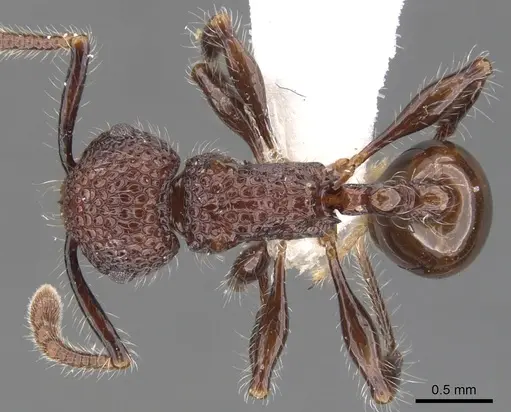
CASENT0922985
View on AntWeb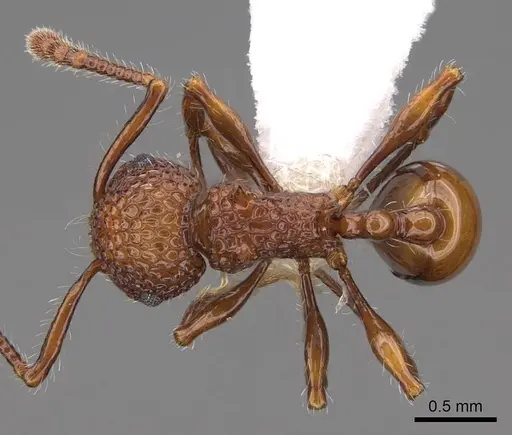
Literature
Loading...Loading products...