

Prionopelta tapatia
- Scientific Name
- Prionopelta tapatia
- Tribe
- Amblyoponini
- Subfamily
- Amblyoponinae
- Author
- Ladino & Feitosa, 2020
- Distribution
- Found in 1 countries
Prionopelta tapatia Overview
Prionopelta tapatia is an ant species of the genus Prionopelta. It is primarily documented in 1 countries , including Mexico. Detailed taxonomic data and occurrence records can be further explored via authoritative databases such as AntWeb or the Global Biodiversity Information Facility (GBIF).
Prionopelta tapatia
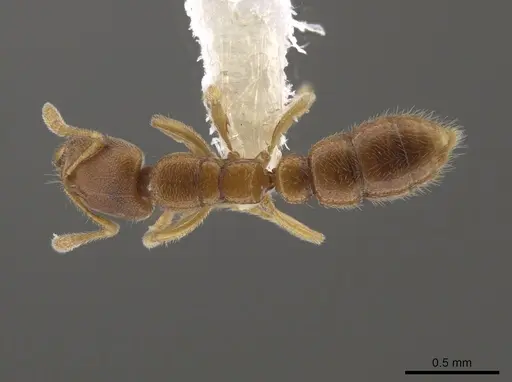
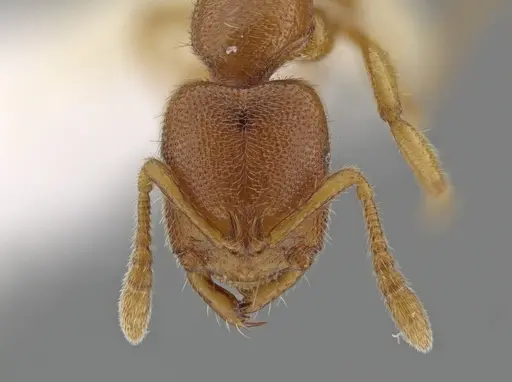
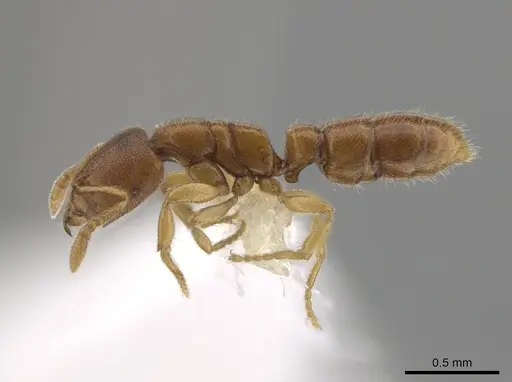
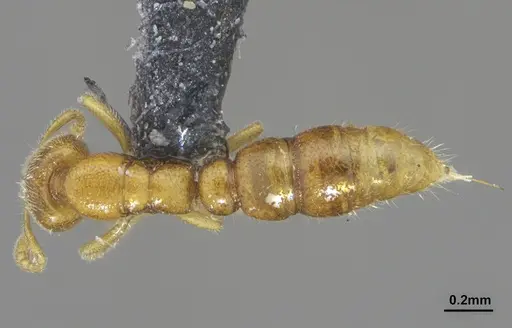
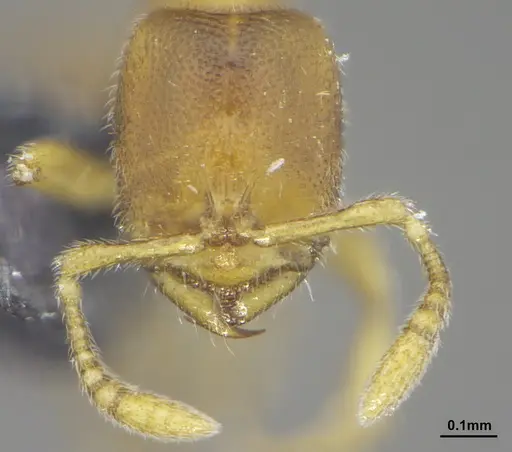
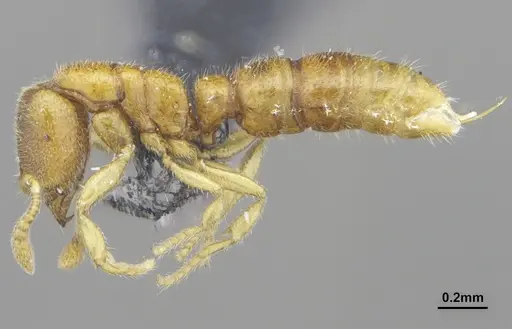
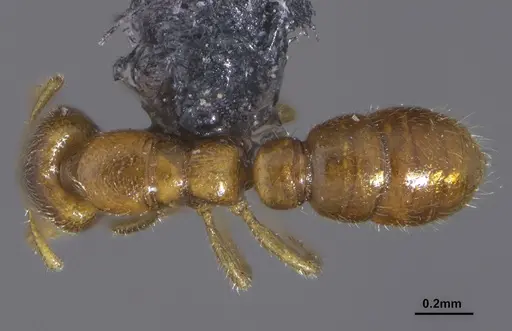
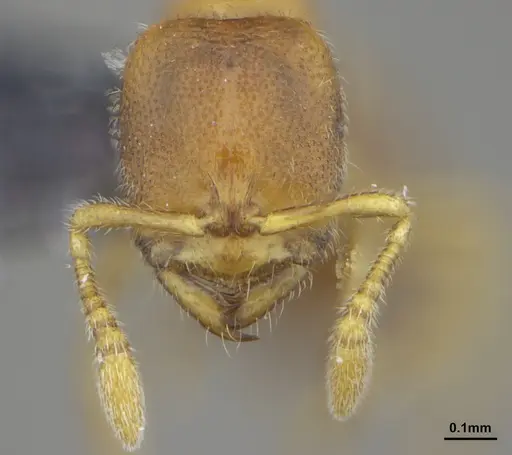
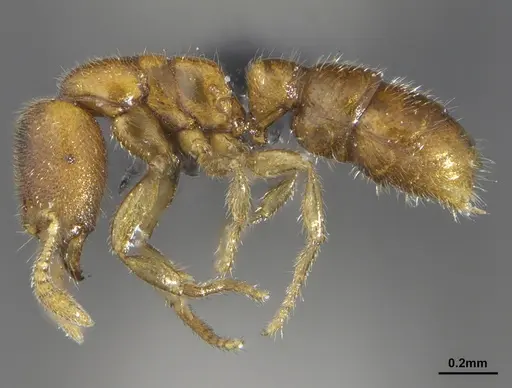
Prionopelta tapatia is a tiny ant species newly described in 2020 from western Mexico. Workers measure a mere 1.44-1.55mm in total length, making them one of the smallest ants you can keep [1]. They have a distinctive dark yellow body covered in dense punctate sculpturing, with 11 antennomeres (antenna segments) and relatively large eyes positioned near the head's midlength [1]. This species is known only from leaf litter samples collected in disturbed highland areas of Jalisco at elevations above 900m [1][2].
As a member of the Amblyoponinae subfamily, these ants share characteristics with other cryptic leaf-litter ants: small colony sizes, predatory feeding habits, and a preference for moist microhabitats. Their tiny size and recent scientific description mean that much of their biology remains unconfirmed, but they likely follow patterns typical of the genus. This species is best suited for experienced antkeepers who enjoy working with miniature species and can provide the consistent humidity they require.
Quick Summary
- Difficulty: Hard
- Origin & Habitat: Western Mexico (Jalisco), specifically Tamazula de Gordiano at 1442m elevation. They inhabit leaf litter in disturbed highland areas above 900m [1][2].
- Colony Type: Unconfirmed colony structure. Based on typical Prionopelta patterns, likely single-queen (monogyne) colonies with small worker populations.
- Size & Growth:
- Queen: 1.85mm [1], from single known queen specimen
- Worker: 1.44-1.55mm total length [1]
- Colony: Unknown, likely small colonies of dozens to low hundreds based on genus patterns
- Growth: Unknown, likely moderate based on small worker size
- Development: Unconfirmed, estimate 6-10 weeks based on related Amblyoponinae species (No direct development data exists for this species. Estimates based on genus-level patterns for small tropical/subtropical Amblyoponinae.)
- Antkeeping:
- Temperature: Keep around 22-26°C. Being from highland Mexico (900m+), they likely prefer cooler conditions than typical tropical ants. Provide a gentle temperature gradient.
- Humidity: High humidity is essential. These are leaf-litter ants from moist microhabitats. Keep substrate consistently damp but not waterlogged. Target 70-85% humidity within the nest area.
- Diapause: Unconfirmed, highland origin suggests they may tolerate or require cooler winter conditions, but this species' specific overwintering needs are unknown.
- Nesting: Use small, tight chambers scaled to their tiny size. Y-tong (AAC) nests or small acrylic setups work well. Provide moist substrate (soil or plaster) and ensure chambers are appropriately scaled, these ants are only 1.5mm!
- Behavior: Very small, cryptic ants that likely live in leaf litter and soil crevices. Predatory on small micro-arthropods. Workers are likely timid and non-aggressive. Escape prevention is critical, at 1.5mm, they can squeeze through remarkably small gaps. They likely have a functional sting but it would be negligible to humans due to their tiny size.
- Common Issues: escape prevention is critical, their tiny 1.5mm size means they can escape through gaps invisible to the human eye, high humidity requirements make them prone to mold if ventilation is poor, slow colony growth can frustrate keepers expecting rapid development, newly described species means limited care information, be prepared to experiment, wild-caught colonies may be difficult to establish in captivity
Housing and Escape Prevention
Prionopelta tapatia is an extremely small ant species, with workers measuring only 1.44-1.55mm [1]. This tiny size makes escape prevention your top priority. Standard test tube setups may work if the cotton is packed tightly, but these ants can potentially squeeze through fibers. Use fine mesh on any ventilation, seal all connections with tape or fluon, and check for gaps regularly. A Y-tong (AAC) nest with appropriately scaled chambers works well, or a small acrylic nest with tight-fitting barriers. The nest chambers should be small and snug, these ants are dwarfed by even standard test tube setups. Provide a small outworld area connected via narrow tubing to prevent escapes.
Feeding and Diet
As an Amblyoponinae ant, Prionopelta tapatia is likely predatory on small arthropods. In captivity, offer small live prey such as springtails, fruit flies, and other micro-arthropods. They are too small to tackle typical ant feeders like mealworms or crickets. Sugar sources may be accepted occasionally, but protein from live prey should form the primary diet. Feed small amounts every few days and remove uneaten prey to prevent mold. Given their tiny size, even a single springtail is a substantial meal. Observe feeding behavior and adjust quantities based on what workers consume within 24-48 hours.
Temperature and Humidity
This species comes from highland Mexico (900m+ elevation) in the state of Jalisco [1]. Being from elevated terrain in western Mexico, they likely prefer cooler temperatures than typical tropical ants. Aim for 22-26°C with a gentle gradient so workers can self-regulate. Avoid overheating, temperatures above 30°C are likely harmful. Humidity is more critical: these are leaf-litter ants from moist environments. Keep the nest substrate consistently damp but never waterlogged. Target 70-85% humidity within the nest area. A water tube attached to the nest can help maintain moisture. Monitor for condensation, some is good, but excessive moisture leads to mold problems.
Colony Establishment
Prionopelta tapatia was only described in 2020,making it one of the most recently described ant species in the hobby [1]. There is no published information on their founding behavior, colony structure, or development in captivity. Based on typical Amblyoponinae patterns, the queen likely seals herself in a small chamber and raises the first brood alone (claustral founding), living off stored fat reserves until workers emerge. Colony growth is likely slow, these are tiny ants with presumably small colony sizes. Expect the first workers (nanitics) to be very small. Be patient and do not disturb the founding chamber. If keeping a wild-caught colony, acclimate them slowly to captivity and ensure they have appropriate small-scale prey available.
Behavior and Observation
These tiny ants are cryptic by nature, living in leaf litter and soil crevices where they hunt small prey. Workers are likely non-aggressive and will avoid confrontation. Their small size means they are easily overlooked, but observing their hunting behavior can be fascinating. They likely use chemical trails to communicate and may form small foraging networks. The queen is only slightly larger than workers (1.85mm vs 1.44-1.55mm), which is typical for Amblyoponinae where queens are not dramatically larger than workers. Due to their tiny size and cryptic habits, you may not see much activity outside the nest, this is normal for the species. [1]
Frequently Asked Questions
How long does it take for Prionopelta tapatia to produce first workers?
The egg-to-worker timeline is unconfirmed for this species. Based on related Amblyoponinae patterns, expect 6-10 weeks at optimal temperature (22-26°C). Being newly described, no captive breeding data exists yet.
What do Prionopelta tapatia ants eat?
They are likely predatory on small arthropods. Feed live springtails, fruit flies, and other micro-arthropods. Their tiny 1.5mm size means they cannot tackle larger prey. Sugar water may be accepted occasionally but protein should be the primary food source.
Are Prionopelta tapatia ants good for beginners?
No. This is a difficult species to keep due to their tiny 1.5mm size (escape prevention is critical), high humidity requirements, newly described status with limited care information, and likely slow colony growth. They are best suited for experienced antkeepers who specialize in miniature species.
Do Prionopelta tapatia ants sting?
Amblyoponinae ants have functional stings, but at 1.5mm in size, any sting would be negligible to humans. The sting is primarily used against prey arthropods, not defenders their size.
How big do Prionopelta tapatia colonies get?
Colony size is unconfirmed, but based on genus patterns for tiny leaf-litter ants, colonies likely reach dozens to a few hundred workers, not large colonies. The queen herself is only 1.85mm.
What temperature should I keep Prionopelta tapatia at?
Keep them at 22-26°C. Being from highland Mexico, they prefer cooler conditions than typical tropical ants. Provide a gentle temperature gradient and avoid temperatures above 30°C.
Do Prionopelta tapatia need hibernation?
Diapause requirements are unconfirmed. Their highland origin (900m+ elevation in Mexico) suggests they may tolerate cooler winter conditions, but specific overwintering needs are unknown. Do not attempt hibernation unless you have experience with the species.
Can I keep multiple Prionopelta tapatia queens together?
Colony structure is unconfirmed. Based on typical Prionopelta patterns, they likely form single-queen colonies. Combining unrelated queens has not been documented and is not recommended.
Why are my Prionopelta tapatia escaping?
At 1.44-1.55mm, they are among the smallest ants and can escape through incredibly tiny gaps. Use fine mesh, seal all connections with tape or fluon, and check for gaps regularly. Even standard test tube cotton may not stop them.
When should I move Prionopelta tapatia to a formicarium?
Keep them in a test tube setup or small container initially. Move to a small formicarium only when the colony reaches several dozen workers and the test tube becomes crowded. The chambers must be appropriately scaled to their tiny 1.5mm size.
References

This caresheet is licensed under CC BY-SA 4.0 .
Literature
Loading...Loading products...