

Prionopelta modesta
- Scientific Name
- Prionopelta modesta
- Tribe
- Amblyoponini
- Subfamily
- Amblyoponinae
- Author
- Forel, 1909
- Distribution
- Found in 7 countries
Prionopelta modesta Overview
Prionopelta modesta is an ant species of the genus Prionopelta. It is primarily documented in 7 countries , including Colombia, Costa Rica, Ecuador. Detailed taxonomic data and occurrence records can be further explored via authoritative databases such as AntWeb or the Global Biodiversity Information Facility (GBIF).
Prionopelta modesta
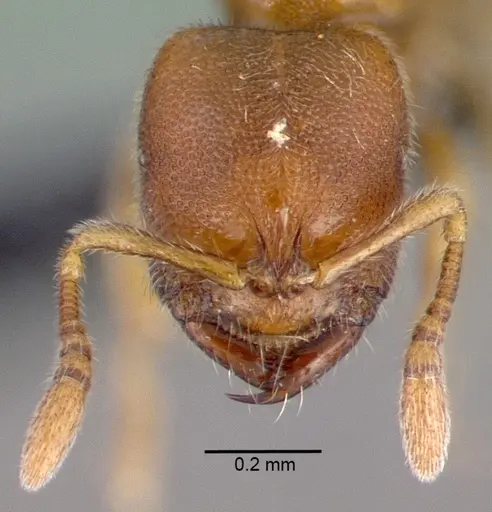
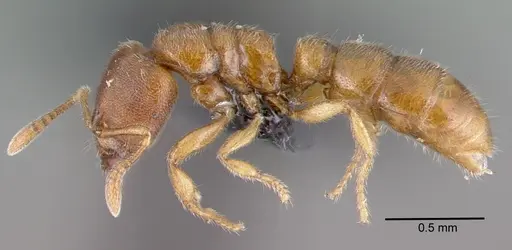
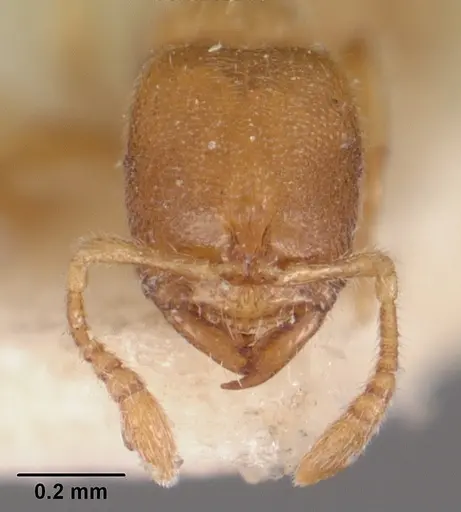
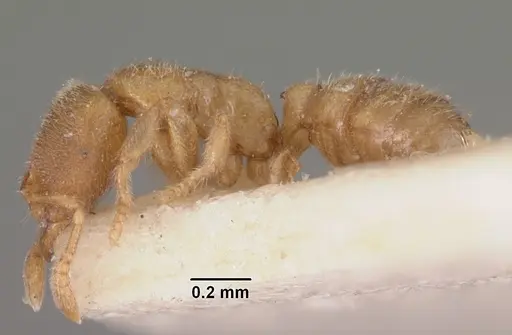
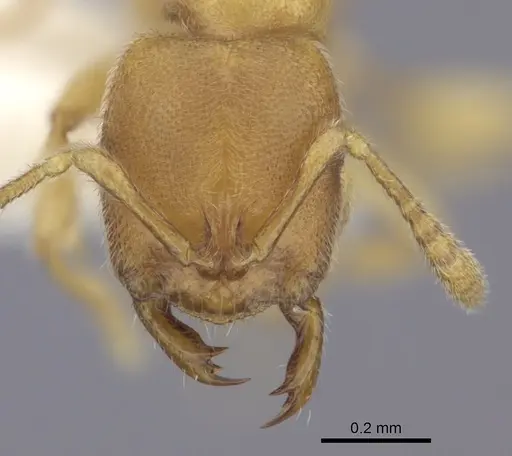
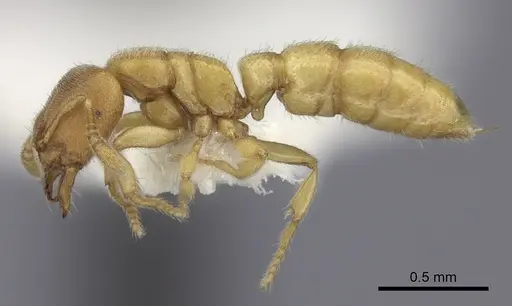
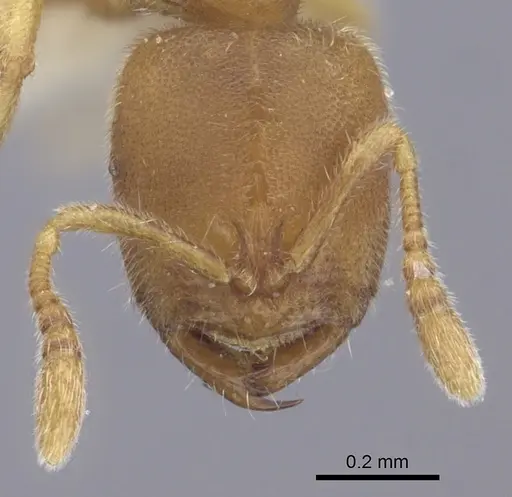
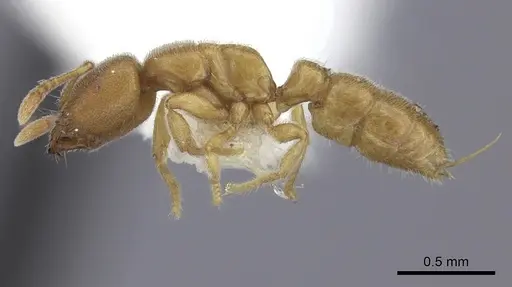
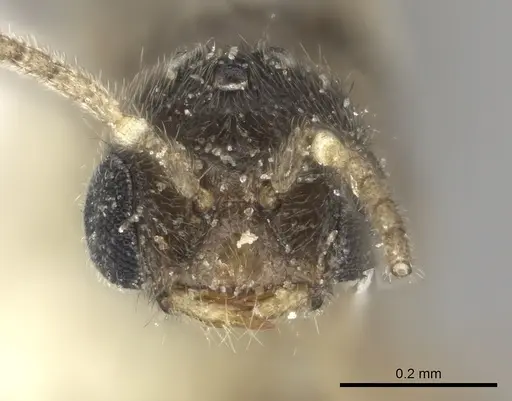
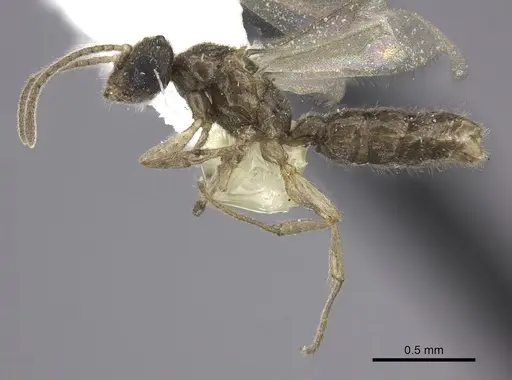
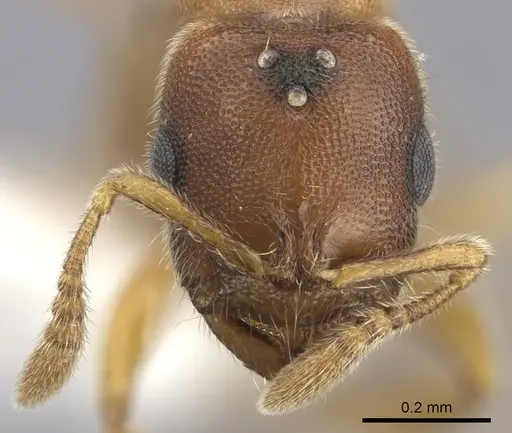
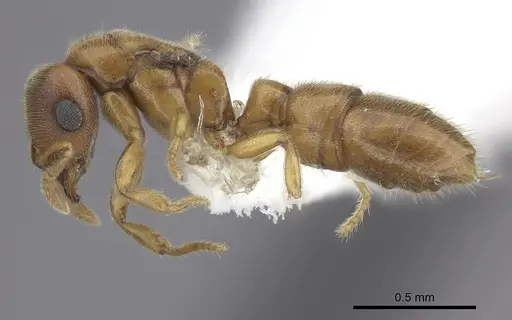
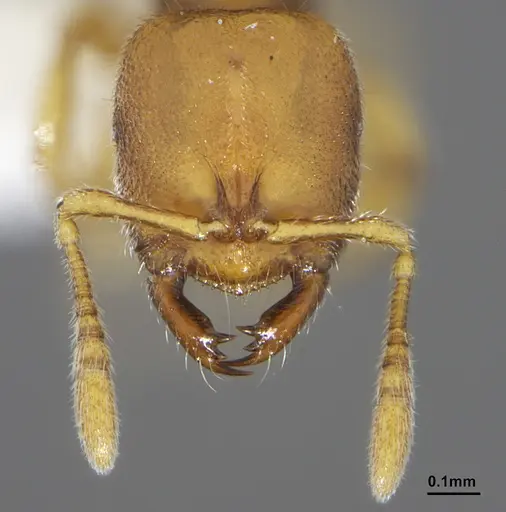
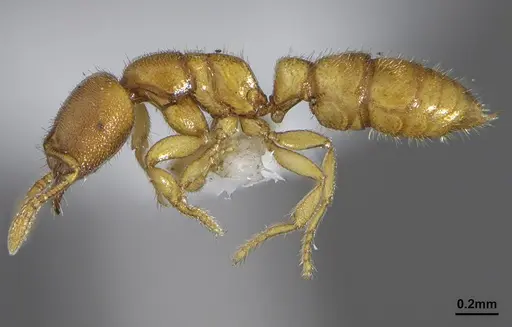
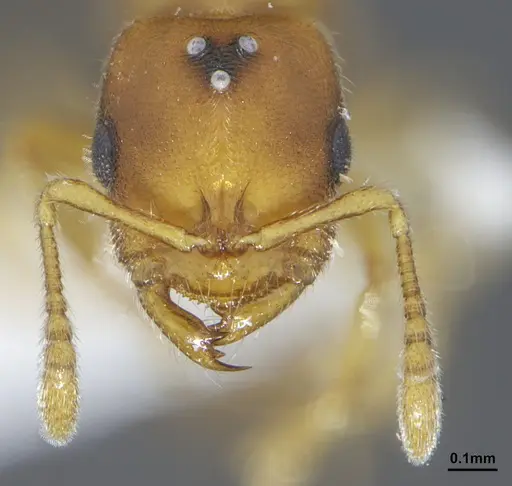
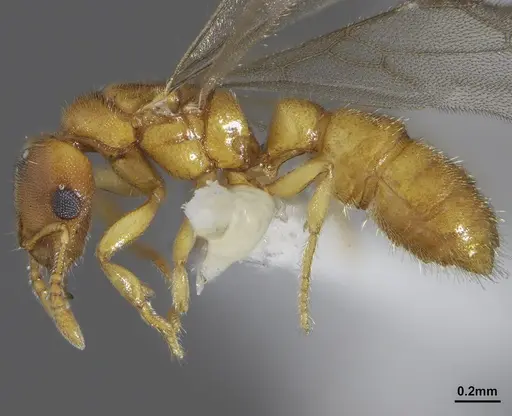
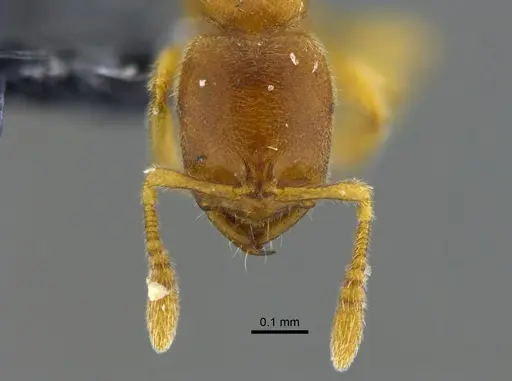
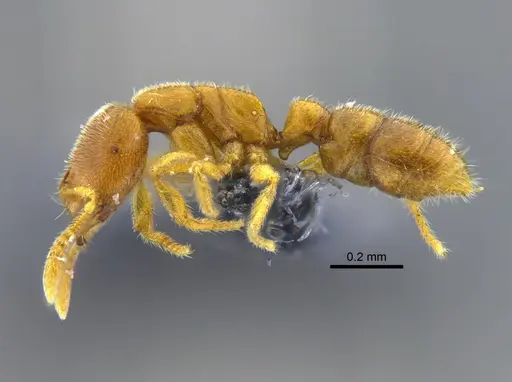
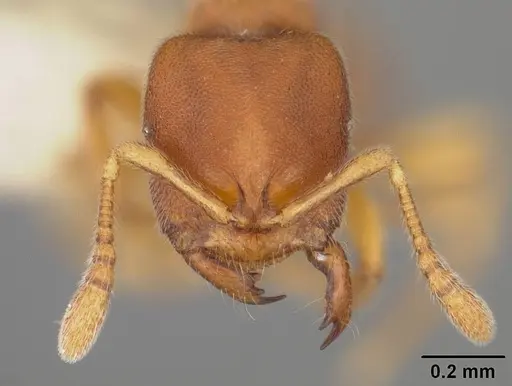
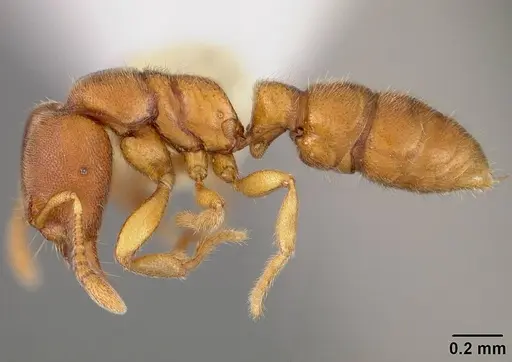
Prionopelta modesta is a tiny amblyoponine ant native to the Neotropics, ranging from northern Mexico down to Brazil. Workers measure just 1.4-1.6mm in total length, making them one of the smaller ant species you'll encounter. They have a distinctive yellow to light brown coloration with a rough, densely punctured head surface that gives them a somewhat matte appearance. Their 12-segmented antennae and the way their petiole connects broadly to the abdomen help distinguish them from similar litter-dwelling ants [1].
What makes this species particularly interesting is their cryptic, fragmented colony structure. Unlike most ants that maintain a single cohesive nest, P. modesta colonies appear to split into sections scattered throughout rotting wood and bark in the leaf litter. This 'nomadic' tendency within their nest fragments is unusual among ants and suggests a flexible, decentralized social organization [1]. Their behavior is notably timid, when encountering prey, they often recoil violently rather than attacking directly, though they can bite and sting larger arthropods when necessary.
Quick Summary
- Difficulty: Medium
- Origin & Habitat: Tropical forests from northern Mexico through Central America to Brazil, found in leaf litter and dead wood at elevations between 50-1840 meters [2][1].
- Colony Type: Colony structure appears fragmented with sections spread across multiple pieces of rotting wood or bark in leaf litter, this unusual 'nomadic' arrangement within nest fragments is a notable trait. Whether this represents true polygyny or simply colony dispersion is unclear from available research.
- Size & Growth:
- Queen: 1.56-1.94mm total length [1]
- Worker: 1.44-1.62mm total length [1]
- Colony: Unknown, fragmented colony structure makes typical worker counts difficult to assess
- Growth: Unknown, no development timing data available
- Development: Unknown, no direct development studies exist for this species (Development timeline has not been documented. Related amblyoponines typically develop in 6-10 weeks at warm temperatures, but this is an estimate.)
- Antkeeping:
- Temperature: Keep around 22-26°C. As a tropical species, they need warmth, but avoid overheating. A gentle gradient allowing them to move between warmer and cooler areas works best.
- Humidity: High humidity is essential, they live in leaf litter and rotting wood in tropical forests. Keep the nest substrate consistently moist but not waterlogged. Provide a water source like a damp cotton ball.
- Diapause: No, as a tropical species, they do not require hibernation. Keep temperatures stable year-round.
- Nesting: They naturally nest in small fragments of rotting wood and bark within leaf litter. In captivity, a naturalistic setup with moist substrate (like a mixture of soil and rotting wood pieces) works well. Test tubes with a moist cotton ball can work but may not suit their fragmented nesting behavior. A small formicarium with multiple connected chambers or a naturalistic terrarium-style setup mimics their natural arrangement.
- Behavior: Extremely timid and cryptic. Workers recoil from prey rather than attacking directly, though they can bite and sting when cornered. They are not aggressive and pose no threat to keepers. Their small size and cryptic nature make them fascinating to observe but easy to overlook. Escape risk is low, they are slow-moving and don't climb well, but their tiny size means they could slip through very small gaps if the setup isn't sealed properly.
- Common Issues: fragmented colony structure may make it difficult to maintain a cohesive colony in captivity, they may spread out and appear to 'disappear' into substrate, timid feeding response means they may not readily accept dead prey, live small prey like springtails or fruit flies may be needed, tiny size makes escape prevention important despite their poor climbing ability, preference for rotting wood in nature means standard test tube setups may not be ideal, they need appropriate nesting material, no available data on their exact dietary needs makes feeding by trial and error
Nest Preferences and Housing
Prionopelta modesta naturally nests in small fragments of rotting wood and bark pieces scattered throughout the leaf litter of tropical forests. This fragmented nesting behavior is unusual, rather than one cohesive nest, colonies appear to spread across multiple adjacent pieces of decaying wood [1]. In captivity, this suggests they may do better in a naturalistic setup rather than a single test tube or compact formicarium. A small terrarium or naturalistic formicarium with moist substrate (a mix of soil, peat, and small rotting wood pieces) allows them to create their scattered nest fragments. If using a test tube setup, provide multiple connected tubes or add rotting wood pieces to the outworld. They need constant access to moisture since their natural habitat is damp leaf litter.
Feeding and Diet
In the wild, these ants show a notably timid response to prey. When their antennae contact potential prey, they often recoil violently rather than attacking. However, they are capable of biting, hanging onto, and stinging larger arthropods when necessary. Their natural prey likely includes small centipedes and symphylans that they encounter in the leaf litter [1]. In captivity, you may need to experiment. Live prey is more likely to trigger a response than dead insects. Small live prey like springtails, fruit flies, or tiny crickets are good starting points. Given their timid nature, place prey close to nest entrances rather than in the open. Sugar sources may be accepted but this is unconfirmed, offer occasionally but don't rely on it. Feed small amounts every few days and remove uneaten prey to prevent mold.
Temperature and Humidity
As a tropical species from Central and South America, Prionopelta modesta needs warm, humid conditions. Keep temperatures in the 22-26°C range, room temperature is often suitable, but you may need a small heating mat on one side of the nest during cooler months. Avoid temperatures below 20°C or above 30°C. Humidity is critical, they naturally live in damp leaf litter and rotting wood in tropical forests. Keep the nest substrate consistently moist but not waterlogged. The substrate should feel damp to the touch. A water source like a damp cotton ball or small water tube should always be available. Unlike temperate species, they do not require any cooling period or hibernation, maintain stable conditions year-round. [2][1]
Behavior and Observation
This is a cryptic, secretive ant that is more interesting to observe than to interact with. Workers are tiny (1.4-1.6mm) and move slowly through the leaf litter. They are not aggressive and will not defend their nest aggressively, in fact, their primary defense seems to be avoidance and retreat. When threatened, they may bite or sting, but their small size means this poses minimal risk to humans. The most fascinating aspect of their behavior is the colony structure, colonies appear to split into sections occupying different pieces of rotting wood, suggesting either a nomadic tendency or a more decentralized social organization than most ants. Watching this behavior in a naturalistic setup can be rewarding. They are not escape artists in the traditional sense, but their tiny size means they can slip through gaps that larger ants cannot, ensure your setup is well-sealed. [1]
Frequently Asked Questions
How long does it take for Prionopelta modesta to produce first workers?
The development timeline from egg to worker has not been documented for this species. Based on related amblyoponine ants, you can expect approximately 6-10 weeks at warm temperatures (around 24-26°C), but this is an estimate rather than a confirmed figure.
Can I keep Prionopelta modesta in a test tube setup?
While possible, test tube setups may not be ideal. In the wild, they nest in scattered fragments of rotting wood throughout leaf litter. A naturalistic setup with moist substrate and small wood pieces, or multiple connected test tubes with rotting wood material, may better suit their natural behavior.
What do Prionopelta modesta ants eat?
They are predators that likely target small arthropods like centipedes and symphylans in the wild. In captivity, offer small live prey such as springtails, fruit flies, or tiny crickets. They are timid feeders, live prey triggers a better response than dead insects. Sugar sources may be accepted but are unconfirmed.
Do Prionopelta modesta ants sting?
Yes, they are capable of stinging, though their small size means the sting is not painful to humans. Their primary response to threats is to retreat rather than sting, so they pose minimal danger.
Are Prionopelta modesta good for beginners?
This species is rated as medium difficulty. Their tiny size and specific humidity requirements can be challenging. Their timid feeding behavior may require more effort to establish feeding responses. They are better suited for keepers with some experience who can provide the humid, naturalistic conditions they need.
Do Prionopelta modesta need hibernation?
No, they do not require hibernation. As a tropical species from Central and South America, they need stable warm temperatures year-round. Do not expose them to cold temperatures.
How big do Prionopelta modesta colonies get?
The maximum colony size is unknown. Their unusual fragmented colony structure, with sections spread across multiple pieces of rotting wood, makes typical worker counts difficult to assess. Based on their small size and cryptic lifestyle, colonies are likely modest in size.
Why do my Prionopelta modesta seem to hide all the time?
This is normal behavior, they are cryptic, timid ants that prefer to stay hidden in their nesting material. They are not a display species that you'll see out in the open frequently. Observing them requires patience and a naturalistic setup where you can watch their activity within the substrate.
Can I keep multiple Prionopelta modesta queens together?
This has not been studied. Their natural colony structure shows fragments spread across multiple locations, but it's unclear if this represents multiple queens or simply colony dispersion. Combining unrelated queens is not recommended given the lack of data.
What's the best nest type for Prionopelta modesta?
A naturalistic setup with moist substrate and small pieces of rotting wood best mimics their natural habitat. You can use a small terrarium-style formicarium with a soil/peat mix and decaying wood fragments. This allows them to create their characteristic scattered nest sections.
References

This caresheet is licensed under CC BY-SA 4.0 .
CASENT0039774
View on AntWeb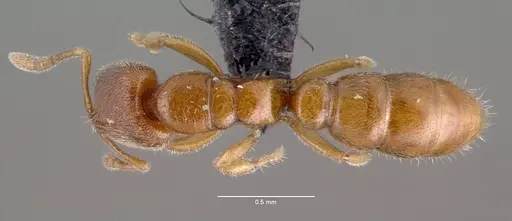
CASENT0102527
View on AntWeb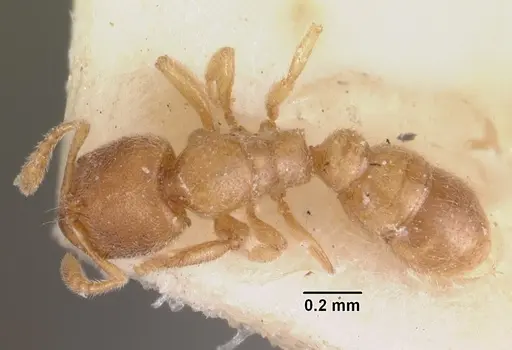
CASENT0260466
View on AntWeb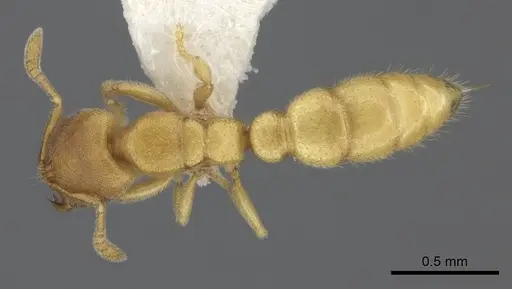
CASENT0260467
View on AntWeb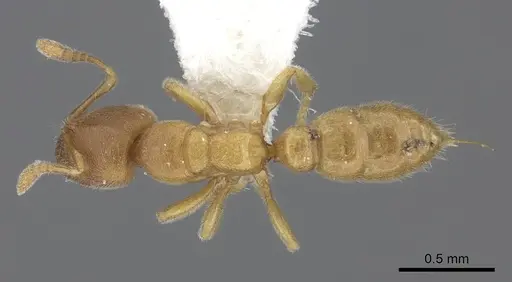
CASENT0615793
View on AntWeb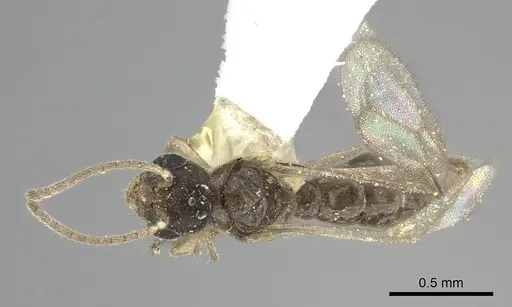
CASENT0618342
View on AntWeb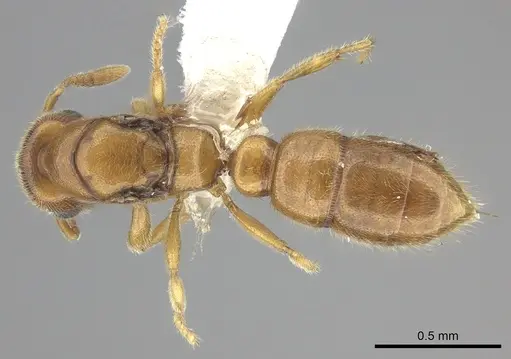
CASENT0636747
View on AntWeb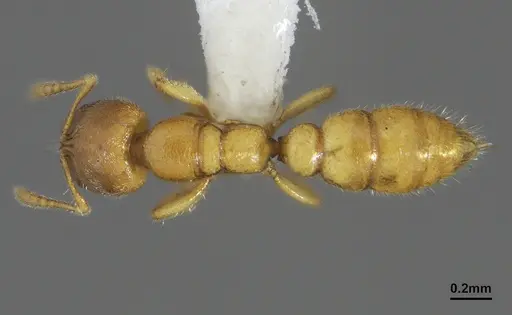
CASENT0640598
View on AntWeb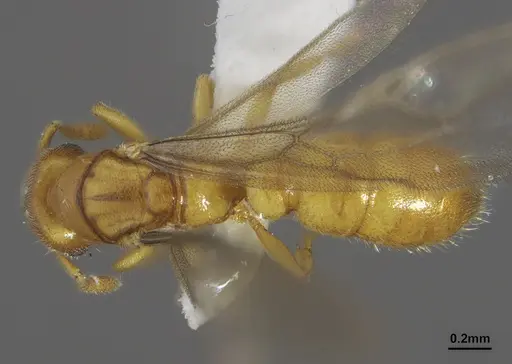
CBUMAGENT42080
View on AntWeb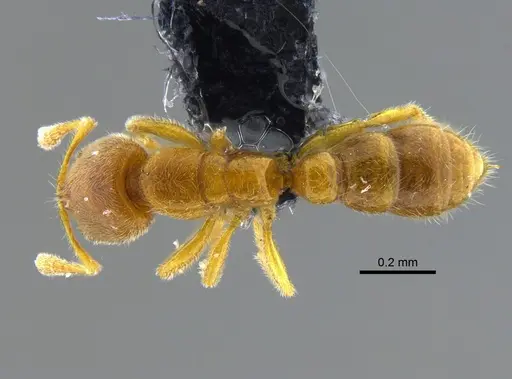
USNMENT00418417
View on AntWeb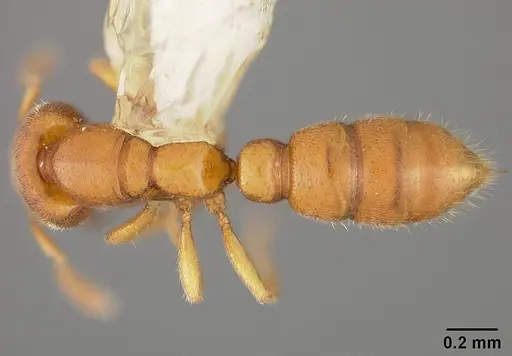
Literature
Loading...Loading products...