

Prionopelta laurae
- Scientific Name
- Prionopelta laurae
- Tribe
- Amblyoponini
- Subfamily
- Amblyoponinae
- Author
- Overson & Fisher, 2015
- Distribution
- Found in 1 countries
Prionopelta laurae Overview
Prionopelta laurae is an ant species of the genus Prionopelta. It is primarily documented in 1 countries , including Madagascar. Detailed taxonomic data and occurrence records can be further explored via authoritative databases such as AntWeb or the Global Biodiversity Information Facility (GBIF).
Prionopelta laurae
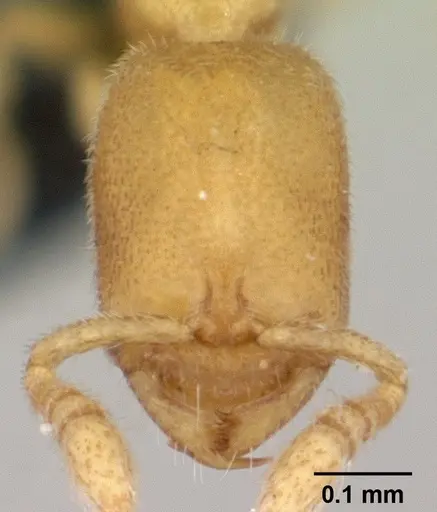
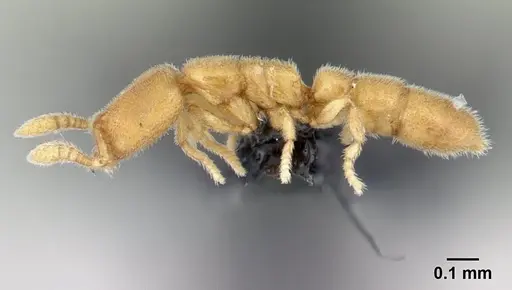
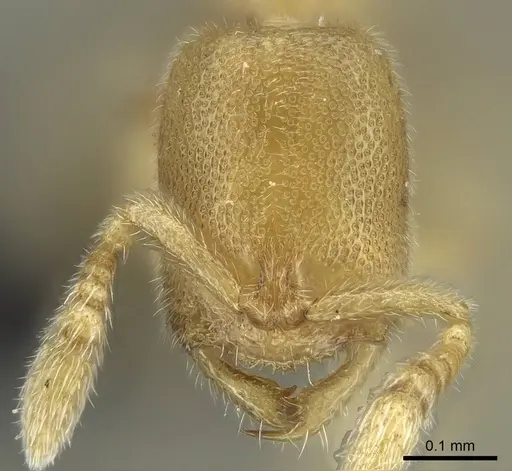
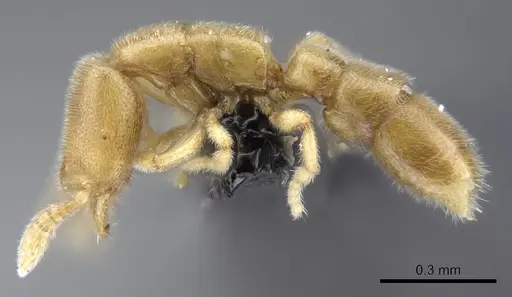
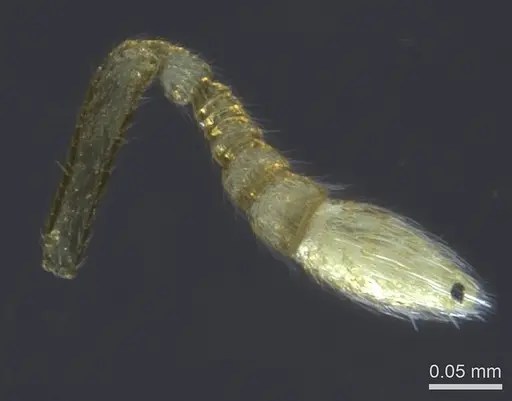
Prionopelta laurae is an exceptionally tiny ant species native to eastern Madagascar, measuring just 0.33-0.38mm in head length, making it the smallest Prionopelta species in the Malagasy region [1]. Workers are distinctly pale yellow throughout their body, a coloration that sets them apart from the darker, fully-sclerotized workers of other Malagasy Prionopelta species [1]. This species is unmistakable in the field as it is the only Malagasy Prionopelta with nine antennal segments, all other related species have twelve [1]. The head is notably longer than wide, and the small eyes appear as tiny dark gray patches [1]. In the wild, these ants live in leaf litter and rotting wood within rainforest environments at elevations between 10-600 meters [1].
Quick Summary
- Difficulty: Hard
- Origin & Habitat: Eastern Madagascar, specifically the northeast and southeast coastal regions. Found in rainforest leaf litter, with some collections from littoral rainforest and one record from tropical dry rainforest [1]. The range appears disjunct with a 500km gap between known populations.
- Colony Type: Colony structure is unconfirmed. Based on genus-level patterns, likely single-queen (monogyne) colonies typical of Amblyoponinae. No data on queen number or ergatoid replacement reproductives exists for this species.
- Size & Growth:
- Queen: Undocumented, no queen measurements available in primary literature [1].
- Worker: 0.33-0.38mm head length,0.24-0.27mm head width [1]. Among the smallest ants in the world.
- Colony: Unknown, no colony size data available. Based on their tiny size and litter-dwelling habits, colonies are likely small, possibly under 100 workers.
- Growth: Unknown, no development data available for this species.
- Development: Unconfirmed, no direct measurements exist. Based on typical Amblyoponinae patterns, estimate 6-10 weeks at warm temperatures (24-28°C). (Development timeline is unconfirmed. Related Amblyoponinae species typically show moderate development speeds.)
- Antkeeping:
- Temperature: Based on their Madagascar rainforest origin, keep warm at 24-28°C. Avoid temperatures below 20°C. Provide a gentle temperature gradient.
- Humidity: High humidity required, these are rainforest leaf litter ants. Keep substrate consistently moist but not waterlogged. Think damp forest floor conditions.
- Diapause: Unknown, no data on overwintering requirements. As a tropical species from Madagascar, they likely do not require true hibernation but may reduce activity in cooler conditions.
- Nesting: In nature they live in leaf litter and rotting wood. In captivity, a naturalistic setup with very small chambers works best, think tight spaces scaled to their tiny size. Y-tong nests with narrow passages or a small naturalistic terrarium with moist substrate and hiding spots.
- Behavior: These ants are extremely small and likely cryptic, living hidden in leaf litter. Workers have greatly reduced eyes, suggesting they rely more on chemical cues than visual navigation. Based on genus patterns, they are likely predatory on small soil micro-arthropods. Escape prevention is critical due to their minute size, they can squeeze through the tiniest gaps. They possess a functional stinger as Amblyoponinae ants, though given their tiny size, the sting effect on humans would be minimal.
- Common Issues: their extremely small size means escape prevention must be excellent, they can slip through gaps invisible to the naked eye, no colony size or growth data exists, keepers should expect slow, unpredictable development, humidity control is critical, too dry and they desiccate, too wet and they drown, they are rarely available in the antkeeping hobby due to their restricted range and cryptic habits, wild-caught colonies may struggle in captivity if collected from the wrong microhabitat
Housing and Nest Setup
Prionopelta laurae is one of the smallest ant species you can keep, which means your housing setup must be scaled accordingly. In the wild, these ants live in leaf litter and rotting wood within rainforest environments, so a naturalistic terrarium setup works best [1]. Use a small container with several centimeters of moist substrate (a mix of soil and rotting wood fragments) to replicate their natural litter-layer habitat. If using a formicarium, choose one with extremely tight chambers and narrow passages, standard ant farm setups will be far too large. Test tubes can work for founding colonies but may need to be modified with very small water reservoirs to prevent flooding of these tiny ants. Escape prevention is absolutely critical, even standard fluon barriers may need reinforcement because they can slip through microscopic gaps. Use fine mesh on any ventilation holes.
Feeding and Diet
Based on related Amblyoponinae species, Prionopelta laurae is likely predatory on small soil micro-arthropods like springtails, mites, and tiny insects. Their extremely small size means their prey must be correspondingly tiny, think springtails, fruit fly larvae, and other micro-arthropods. They likely do not rely heavily on sugar sources, though they may occasionally tend aphids or collect honeydew in small amounts. Feed small live prey items several times per week, adjusting based on colony consumption. Uneaten prey should be removed promptly to prevent mold. Given how little we know about this species in captivity, be prepared to experiment with different small prey types to see what they accept. [1]
Temperature and Humidity
As a rainforest species from Madagascar, Prionopelta laurae requires warm, humid conditions. Keep the nest area at 24-28°C, with a slight gradient allowing ants to move between warmer and cooler areas. Room temperature (around 20-22°C) may be too cool, consider using a heating cable or mat on one side of the enclosure to maintain warmth. Humidity should be high, the substrate should feel consistently damp but never waterlogged. Mist the enclosure regularly and ensure good ventilation to prevent mold buildup while maintaining humidity. A layer of leaf litter on top of the substrate helps retain moisture and provides hunting grounds. These ants are vulnerable to desiccation, so monitor substrate moisture closely. [1]
Handling and Temperament
Prionopelta laurae workers are extremely small and fragile. While they possess a functional stinger as Amblyoponinae ants, their tiny size means any sting would have minimal effect on humans, comparable to a mild pinprick at most. However, you should still exercise caution and avoid handling them directly. These ants are not aggressive and will likely flee rather than attack when disturbed. Their greatly reduced eyes suggest they rely primarily on chemical signals rather than vision [1]. When working with colonies, use soft brushes or pipettes rather than forceps to move workers. Due to their minute size, even minor disturbances can crush or lose workers, so work gently and carefully.
Acquisition and Availability
Prionopelta laurae is extremely rare in the antkeeping hobby. This species was only described in 2015 and has a very restricted geographic range limited to eastern Madagascar [1]. Most wild populations are separated by hundreds of kilometers, making collection difficult [1]. If you encounter this species for sale, it will likely be wild-caught rather than captive-bred. Wild-caught colonies often struggle in captivity due to stress, improper humidity, or parasites. If you do acquire wild-caught ants, quarantine them and monitor closely for signs of stress or illness. Given the difficulty of keeping this species and the lack of captive breeding, this is really a species for experienced antkeepers who enjoy a challenge.
Frequently Asked Questions
How small are Prionopelta laurae ants?
Workers are extremely tiny, head length is only 0.33-0.38mm and head width is 0.24-0.27mm [1]. This makes them among the smallest ants in the world, roughly comparable to some of the smallest spider species in size.
What do Prionopelta laurae ants eat?
Based on related Amblyoponinae species, they are likely predatory on tiny soil micro-arthropods like springtails and mites. They probably accept small live prey and may occasionally collect honeydew. Feed them tiny live prey items several times per week.
Can I keep Prionopelta laurae in a test tube?
Test tubes can work for founding colonies but require modification, their tiny size means standard test tube water reservoirs may drown them. Use very small water chambers and ensure the cotton is packed tightly. A naturalistic setup with moist substrate is often better long-term.
Do Prionopelta laurae ants sting?
Yes, as members of the Amblyoponinae subfamily, they possess a functional stinger. However, given their extremely tiny size (0.33-0.38mm), any sting would have minimal effect on humans, at most a mild sensation. They are not aggressive and will typically flee rather than sting.
What temperature do Prionopelta laurae ants need?
Keep them warm at 24-28°C. As a Madagascar rainforest species, they need temperatures significantly warmer than typical room temperature. Use a heating cable or mat if your room is below 24°C.
How fast do Prionopelta laurae colonies grow?
Growth rate is unconfirmed, no development data exists for this species. Based on typical Amblyoponinae patterns, expect slow to moderate growth over months. This is not a species for impatient keepers.
Are Prionopelta laurae good for beginners?
No, this is an expert-level species. They are extremely tiny (making housing and escape prevention difficult), require specific humidity and temperature conditions, have no captive breeding history, and almost no information exists about their care in captivity. This species is really only for very experienced antkeepers.
Where does Prionopelta laurae live in the wild?
They are endemic to eastern Madagascar, found only in the northeast and southeast coastal regions. They live in rainforest leaf litter and rotting wood at elevations of 10-600 meters [1]. Their range is surprisingly disjunct with a 500km gap between known populations.
Why is Prionopelta laurae so pale yellow?
The pale yellow coloration is a diagnostic feature of this species, it is distinctly lighter than any other Malagasy Prionopelta, whose workers are typically darker and more heavily sclerotized [1]. This may be related to their cryptic, litter-dwelling lifestyle.
How many queens does Prionopelta laurae have?
Colony structure is unconfirmed. Based on typical Amblyoponinae patterns, they likely have single-queen colonies, but no direct data exists on queen number or ergatoid replacement reproductives for this species.
Do Prionopelta laurae need hibernation?
Diapause requirements are unknown. As a tropical species from Madagascar, they likely do not require true hibernation but may reduce activity in cooler conditions. Maintain warm temperatures year-round.
How do I identify Prionopelta laurae?
They are unmistakable, P. laurae is the only Malagasy Prionopelta species with nine antennal segments (all others have twelve) [1]. They are also the smallest in the region and have a distinctive pale yellow coloration throughout their body [1].
References

This caresheet is licensed under CC BY-SA 4.0 .
CASENT0046143
View on AntWeb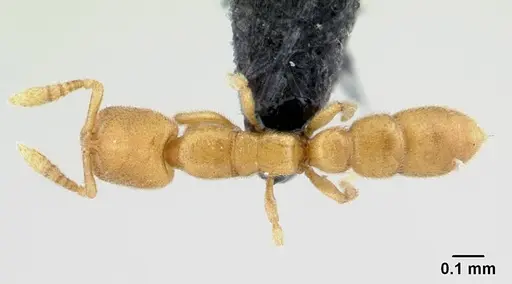
CASENT0046149
View on AntWeb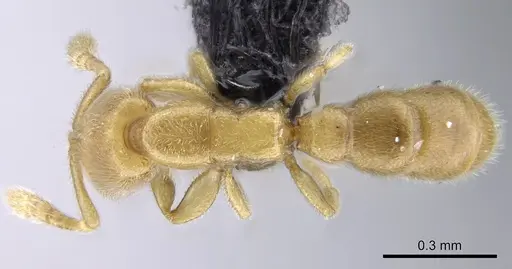
CASENT0046151
View on AntWeb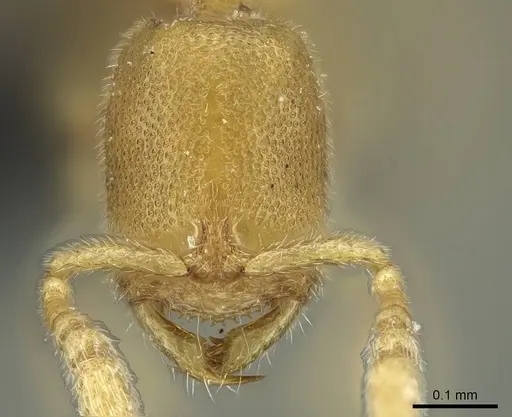
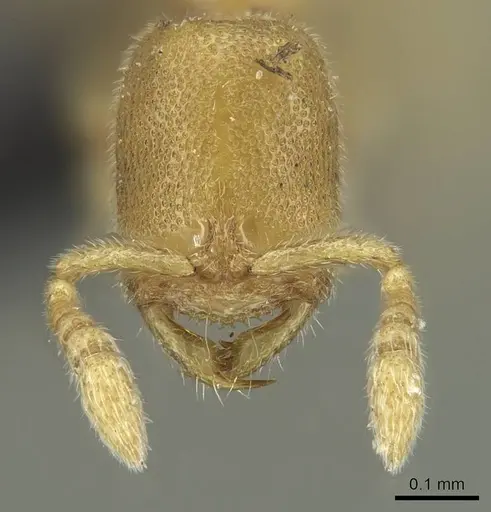
CASENT0057023
View on AntWeb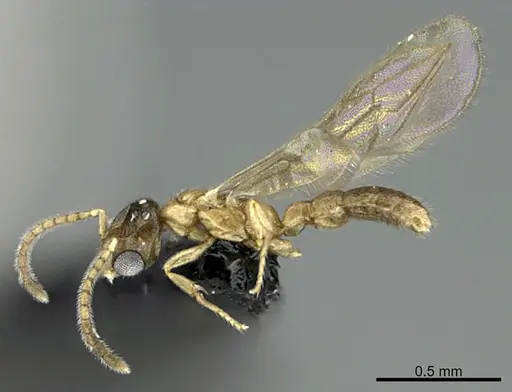
CASENT0141731
View on AntWeb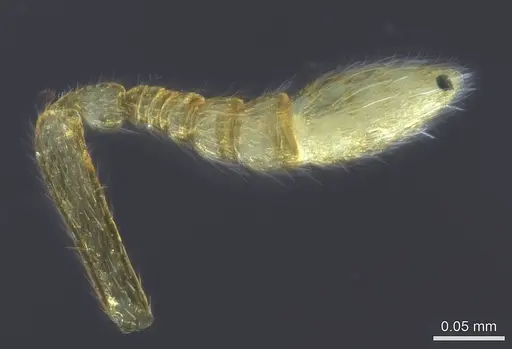
Literature
Loading...Loading products...