

Prionopelta kraepelini
- Scientific Name
- Prionopelta kraepelini
- Tribe
- Amblyoponini
- Subfamily
- Amblyoponinae
- Author
- Forel, 1905
- Distribution
- Found in 8 countries
Prionopelta kraepelini Overview
Prionopelta kraepelini is an ant species of the genus Prionopelta. It is primarily documented in 8 countries , including Australia, Micronesia, Federated States of. Detailed taxonomic data and occurrence records can be further explored via authoritative databases such as AntWeb or the Global Biodiversity Information Facility (GBIF).
Prionopelta kraepelini
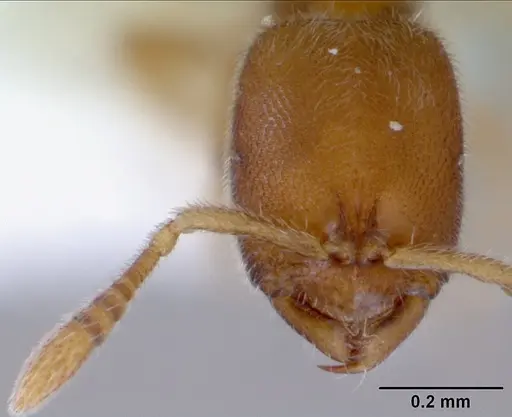
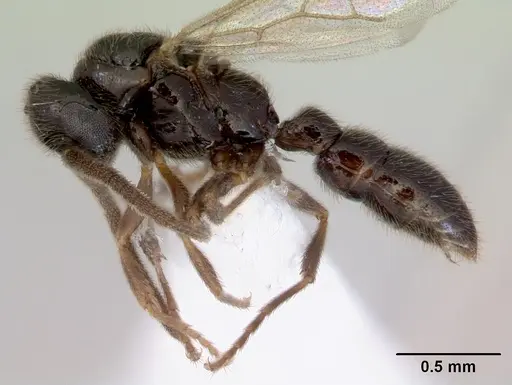
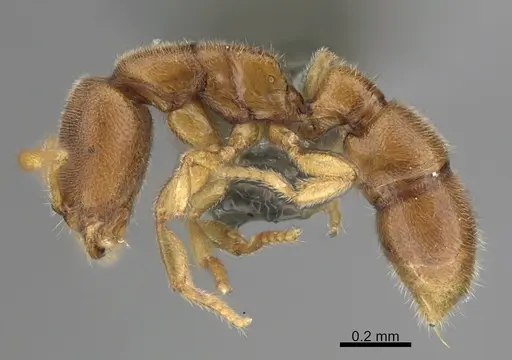
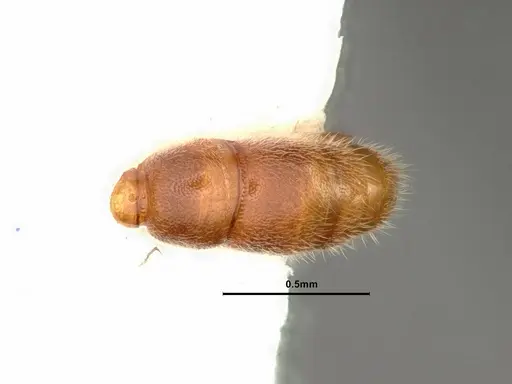
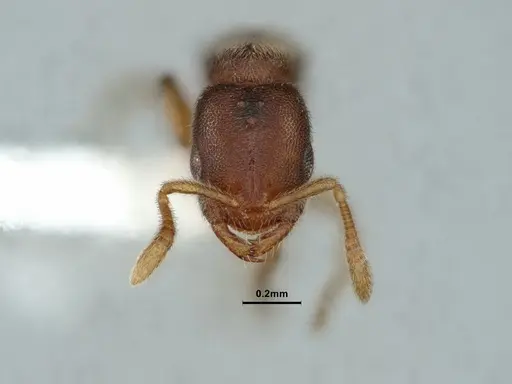
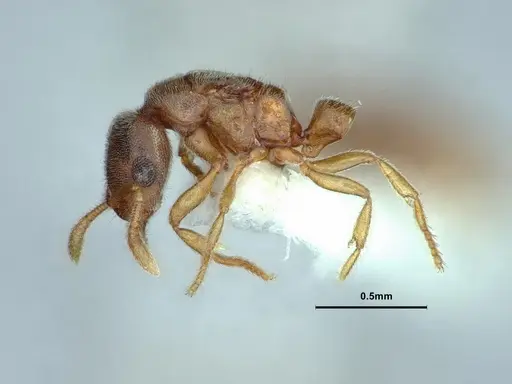
Prionopelta kraepelini is a tiny amblyoponine ant native to Southeast Asia, one of the most widely distributed species in its genus. Workers measure just 1.8-2.6mm and are pale yellow to yellow-red in color, with a matte body surface covered in fine punctures [1][2]. Their head width is less than 0.48mm, making them among the smaller ants you might encounter [2]. This species has an unusual distribution pattern: it's native to rainforest regions of Sundaland and Wallacea (southern Thailand, Borneo, Philippines, Indonesia), but has been introduced to Hong Kong, Taiwan, Vietnam, India, and Sri Lanka where it thrives in urban and disturbed areas [3].
What makes P. kraepelini fascinating is its unusual feeding biology. Queens feed heavily on larval hemolymph (the fluid inside larvae), this accounts for 87% of their feeding time [4]. Workers also lay special trophic eggs that serve as food for the colony rather than developing into new ants [4]. This is a rare and advanced behavior in the ant world, making this species particularly interesting for antkeepers who want to observe complex social interactions.
Quick Summary
- Difficulty: Medium
- Origin & Habitat: Native to tropical Southeast Asia (Sundaland and Wallacean regions including Indonesia, Malaysia, Philippines). Found in rainforest leaf litter and moist dead stumps [1][3]. Has been introduced to Hong Kong, Taiwan, Vietnam, India, and Sri Lanka where it lives in urban green spaces and disturbed habitats [3].
- Colony Type: Monogyne, single queen colonies. A studied colony contained a dealate mated queen with approximately 80-100 workers plus brood [4]. No worker retinue forms around the queen, unlike some related species.
- Colony: Monogyne
- Size & Growth:
- Queen: Queens are around 3.2mm total length [3].
- Worker: Workers are very small at 1.8-2.6mm total length [2][3].
- Colony: Colonies reach approximately 60-100 workers [4][5].
- Growth: Moderate, typical for small amblyoponine ants.
- Development: Unknown, no specific development data available for this species. Based on related Amblyoponinae, expect 6-10 weeks at warm temperatures. (Development timeline has not been directly studied. Related species in the genus suggest moderate growth rates.)
- Antkeeping:
- Temperature: Keep at 24-28°C. This is a tropical species native to SE Asia rainforests, so warmth is important. A gentle heating gradient allows ants to regulate their temperature.
- Humidity: High humidity is essential. These ants naturally live in moist dead stumps and leaf litter in humid forests. Keep the nest substrate consistently moist but not waterlogged. Provide a water tube for drinking.
- Diapause: No, as a tropical species, they do not require hibernation. Keep temperatures stable year-round.
- Nesting: Use a naturalistic setup with moist substrate (like a Y-tong or plaster nest with dirt fill). They naturally nest in moist, dead wood and soil. Provide pieces of rotting wood or cork bark for them to explore. Keep the nest humid.
- Behavior: These ants are predatory and will hunt small insects. Workers forage individually and recruit nestmates when they find prey, they form processions of up to 7 workers to retrieve larger prey [4]. They have a functional sting but are too small to affect humans. Because of their tiny size, escape prevention is critical, they can squeeze through the smallest gaps. Workers are not aggressive toward humans but will defend their nest if threatened.
- Common Issues: escape prevention is critical, they are extremely small and can squeeze through tiny gaps, high humidity must be maintained or colonies will fail, wild-caught colonies may carry parasites that can decimate the colony, their small size makes them vulnerable to drying out, slow colony growth can lead to keeper impatience and overfeeding
Nest Preferences
In the wild, Prionopelta kraepelini nests in moist, dead wood on the forest floor and in soil [6]. A studied colony was collected from a moist, dead stump in the Bogor Botanic Gardens, West Java, occupying two chambers [4]. They prefer humid environments with plenty of moisture. For captivity, a naturalistic setup works best, a formicarium filled with moist soil or a Y-tong/plaster nest with a dirt chamber works well. Add pieces of cork bark or rotting wood for them to explore and potentially nest in. The key is maintaining consistently high humidity without flooding. A water tube connected to the nest helps maintain moisture levels.
Feeding and Diet
This species is predatory and hunts small insects. Workers forage individually and when they find prey, they approach slowly, grasp the prey's appendages, and sting it to immobilize it [4]. They then recruit nestmates, up to 7 workers may form a single procession to retrieve prey, repeating the recruitment 1-4 times for one prey item [4]. What makes this species unique is its trophic egg-laying behavior: workers lay small trophic eggs that are eaten by the queen, males, and larvae for nutrition [4]. The queen also practices larval hemolymph feeding, she pinches larvae over their entire body to drink hemolymph without killing them [4]. Feed them small live prey like fruit flies, springtails, and tiny crickets. Offer sugar water occasionally, though protein-rich prey should be the primary food.
Temperature and Care
As a tropical species from SE Asia, Prionopelta kraepelini needs warmth. Keep the nest at 24-28°C for optimal activity and brood development. Room temperature may be sufficient if your home is warm, otherwise use a heating cable on one side of the nest to create a gentle gradient. Never let temperatures drop below 20°C for extended periods. High humidity is absolutely critical, these ants naturally live in humid rainforest leaf litter and moist dead wood. The nest substrate should feel damp to the touch. Mist the outworld regularly and ensure the water tube stays filled. Unlike temperate species, they do not need a diapause or winter rest period. Maintain stable conditions year-round. [3][1]
Unique Behaviors
This species displays several fascinating behaviors rarely seen in other ants. The queen practices larval hemolymph feeding, she gently squeezes larvae to drink their blood fluid without killing them. This accounts for 87% of her feeding time [4]. Workers lay trophic eggs (special eggs for eating, not reproduction), these are smaller than normal eggs and are consumed by the queen, males, and other larvae [4]. Workers also perform 'wallpapering' behavior, they place cocoon fragments on the nest ceiling [4]. They cut open cocoon tips to remove meconium (waste from pupal stage) and sometimes remove entire cocoons of young white pupae [4]. When recruiting to prey, workers drag their hind legs and shake their bodies vertically as they enter the nest, this is likely a communication signal [4]. Watching these behaviors makes this species particularly rewarding for observant antkeepers.
Colony Structure
Prionopelta kraepelini forms monogyne colonies with a single queen. A studied colony contained about 80-100 workers with all brood stages present [4]. The colony had two chambers, one with a dealate virgin queen and larvae, another with a mated queen and eggs/larvae/pupae [4]. Unlike some related species, there is no worker retinue surrounding the queen, workers interact with her mainly through antennation (touching antennae) [4]. The queen sometimes bites workers' heads or mandibles after these interactions [4]. All workers have one ovariole per ovary, and foraging workers have no developing eggs while domestic workers may have 1-2,suggesting they lay the trophic eggs [4]. Colony size averages around 60 workers in typical colonies [5].
Handling and Temperament
These ants are not aggressive toward humans and their small size means they cannot sting effectively. However, they will defend their nest if it is disturbed, the queen will walk around the nest and workers may attempt to sting perceived threats [4]. Because they are so small (workers just 1.8-2.6mm), they are excellent escape artists. Use fine mesh on any ventilation holes and ensure all connections are sealed. Apply fluon or another barrier to the rim of the formicarium. When observing them, watch their recruitment behavior, it's fascinating to see workers form processions to retrieve prey. They are not suitable for handling but make excellent observation subjects in a well-secured formicarium.
Frequently Asked Questions
How long does it take for Prionopelta kraepelini to produce first workers?
The exact egg-to-worker timeline has not been documented for this species. Based on related Amblyoponinae, expect approximately 6-10 weeks at optimal temperatures (26-28°C). The first workers (nanitics) will be smaller than normal workers.
Can I keep Prionopelta kraepelini in a test tube setup?
Yes, a test tube setup can work for founding colonies. Keep the tube humid by ensuring the water reservoir doesn't dry out. However, these ants prefer more naturalistic conditions with soil or rotting wood, so consider moving them to a naturalistic setup once the colony reaches 20+ workers.
What do Prionopelta kraepelini ants eat?
They are predatory and need small live prey. Feed them fruit flies, springtails, tiny crickets, and other small insects. They will also consume trophic eggs laid by workers, this is normal colony nutrition behavior. Occasional sugar water can be offered but protein-rich prey should be the primary food.
Do Prionopelta kraepelini ants sting?
Yes, they have a functional sting but they are so small that it cannot penetrate human skin. You won't feel a sting from these ants. They will only use their sting defensively if the nest is directly threatened.
Are Prionopelta kraepelini good for beginners?
They are rated as medium difficulty. The main challenges are maintaining high humidity and preventing escape due to their tiny size. If you can keep conditions humid and have good escape prevention, they are rewarding to keep. Their unique behaviors (larval hemolymph feeding, trophic eggs) make them fascinating to observe.
How big do Prionopelta kraepelini colonies get?
Colonies typically reach 60-100 workers [4][5]. This is relatively small compared to many common ant species, but the colony will be active and engaging to watch.
Do Prionopelta kraepelini need hibernation?
No, they do not need hibernation. As a tropical species from SE Asia, they require stable warm temperatures year-round. Keep them at 24-28°C continuously.
Why is my Prionopelta kraepelini colony dying?
The most common causes are low humidity (they need consistently moist conditions), temperatures too low (below 20°C), and escape due to inadequate barriers. Check that the nest substrate stays damp, temperatures are in the 24-28°C range, and all openings are sealed with fine mesh. Wild-caught colonies may also carry parasites.
When should I move Prionopelta kraepelini to a formicarium?
You can keep them in a test tube setup for the founding stage. Once the colony reaches 20-30 workers and you want to observe their natural behaviors (foraging, recruitment, cocoon manipulation), move them to a naturalistic formicarium with moist soil and hiding spots.
Can I keep multiple queens together?
Prionopelta kraepelini is monogyne, colonies have a single queen. Combining unrelated queens has not been documented and is not recommended. In the wild, colonies have one reproductive queen.
What makes Prionopelta kraepelini special compared to other ants?
Their unique larval hemolymph feeding behavior is rare in ants, the queen squeezes larvae to drink their body fluid without killing them. Workers also lay trophic eggs that serve as food for the colony. Watching these behaviors makes them fascinating for antkeepers interested in ant social biology.
References

This caresheet is licensed under CC BY-SA 4.0 .
CASENT0102524
View on AntWeb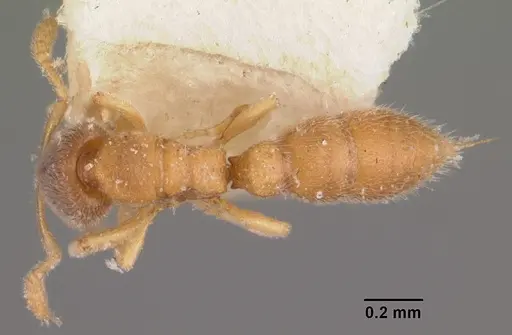
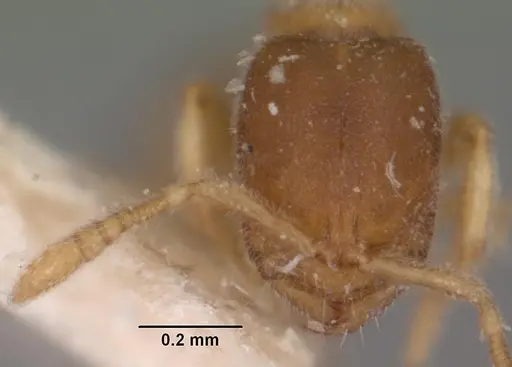
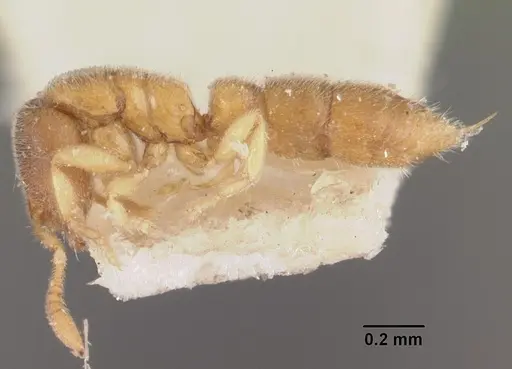
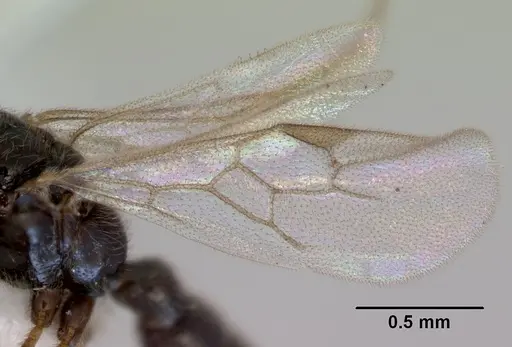
CASENT0172314
View on AntWeb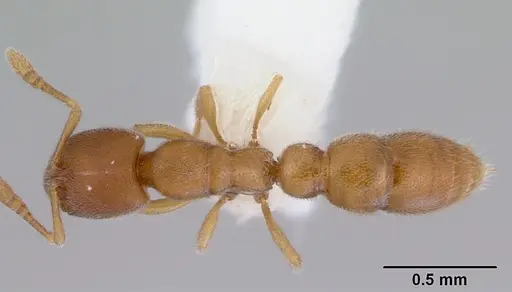
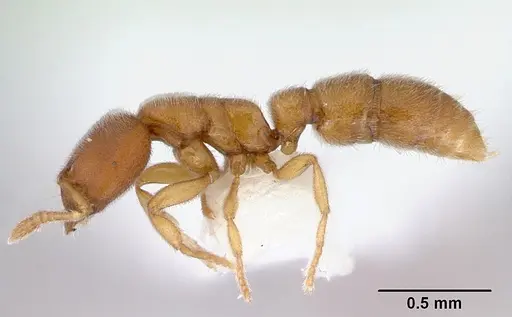
CASENT0172315
View on AntWeb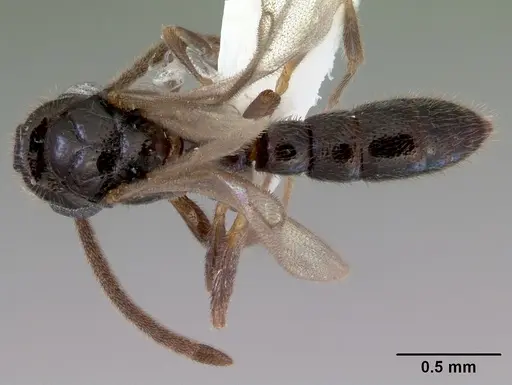
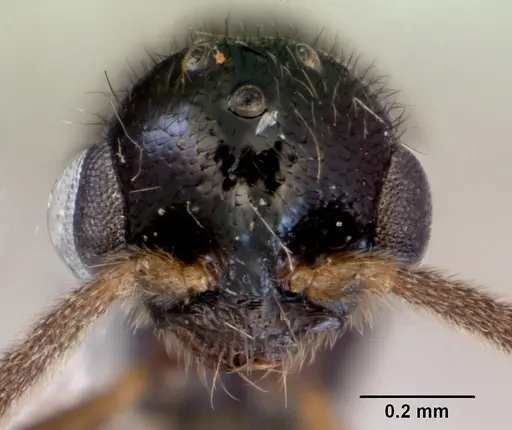
CASENT0746005
View on AntWeb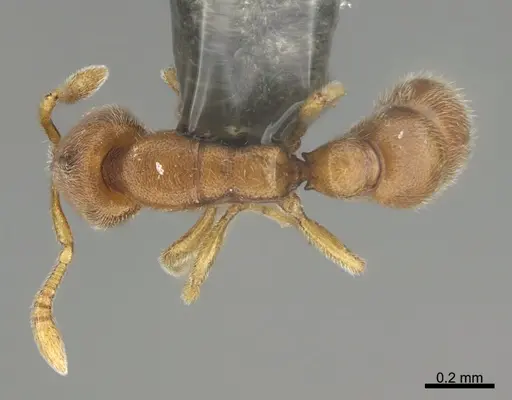
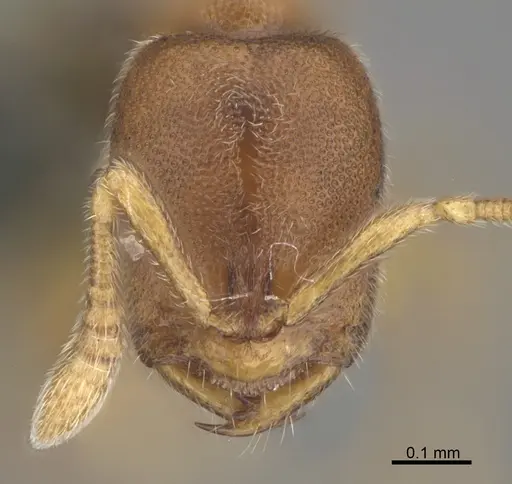
CASENT0882079
View on AntWeb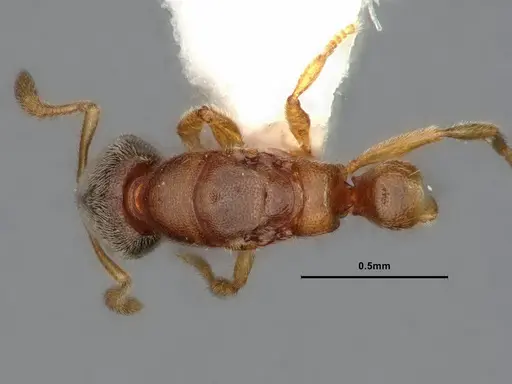
Literature
Loading...Loading products...