

Prionopelta brocha
- Scientific Name
- Prionopelta brocha
- Tribe
- Amblyoponini
- Subfamily
- Amblyoponinae
- Author
- Wilson, 1958
- Distribution
- Found in 1 countries
Prionopelta brocha Overview
Prionopelta brocha is an ant species of the genus Prionopelta. It is primarily documented in 1 countries , including New Caledonia. Detailed taxonomic data and occurrence records can be further explored via authoritative databases such as AntWeb or the Global Biodiversity Information Facility (GBIF).
Prionopelta brocha
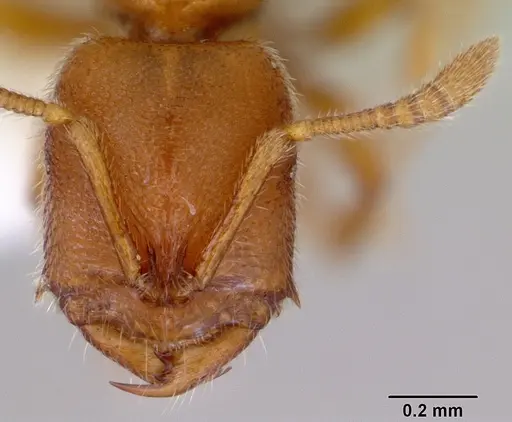
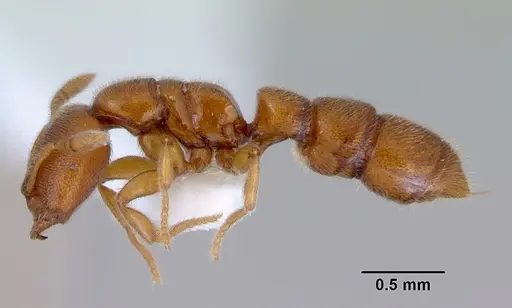
Prionopelta brocha is a tiny, pale yellow ant endemic to New Caledonia, it's the only species in its genus found there [1]. Workers measure just 0.62-0.67mm in head width, making them among the smaller ants in the hobby [1]. The species is easily recognized by a distinctive large tooth on each side of the head near the mandibular insertions, a feature not found in any other Prionopelta species [1]. These ants inhabit leaf litter in both moss forests and dry semi-deciduous forests on the island [1].
This species remains poorly studied in captivity, and most care recommendations are based on what we know about the genus and related Amblyoponinae ants. They are likely cryptic, surface-dwelling ants that prefer humid, shaded microhabitats similar to their natural leaf litter environment.
Quick Summary
- Difficulty: Medium
- Origin & Habitat: New Caledonia, found in leaf litter of moss forests and dry, semi-deciduous native forests [1][2]
- Colony Type: Likely single-queen colonies based on typical genus patterns, but colony structure is unconfirmed for this species
- Size & Growth:
- Queen: Undescribed, estimated 3-4mm based on genus patterns
- Worker: 0.62-0.67mm head width (very small) [1]
- Colony: Unknown, likely small colony of under 100 workers based on genus patterns
- Growth: Unknown, likely slow to moderate based on small colony size patterns
- Development: Estimated 6-10 weeks based on related Amblyoponinae species (Direct development data unavailable, estimate based on genus-level patterns for small Amblyoponinae)
- Antkeeping:
- Temperature: Keep around 22-26°C, they come from a tropical island so warmth is important. A gentle gradient allows them to regulate.
- Humidity: High humidity is essential, these are leaf litter ants from humid forest floors. Keep substrate consistently moist but not waterlogged.
- Diapause: Likely minimal or no true diapause given tropical origin, but may show reduced activity in cooler months
- Nesting: Y-tong or acrylic nests with tight chambers work well. Provide small passages scaled to their tiny size. They do well in naturalistic setups with moist leaf litter.
- Behavior: These are cryptic, secretive ants that likely spend most of their time in the substrate and leaf litter layer. They are not aggressive and likely have mild defense mechanisms. Escape prevention is critical due to their extremely small size, they can squeeze through gaps that seem sealed. They are probably nocturnal or crepuscular foragers.
- Common Issues: escape prevention is critical, their tiny size means they can slip through standard barriers, high humidity needs can lead to mold problems if ventilation is poor, limited availability means wild-caught colonies are rare, slow growth may frustrate beginners expecting visible progress, lack of species-specific care data means some trial and error is needed
Housing and Nest Setup
Prionopelta brocha requires careful housing due to its extremely small size. A Y-tong (acrylic) nest with narrow chambers or a custom acrylic nest with tight-fitting passages works best. The chambers should be small, these ants are tiny and can become stressed in overly large spaces. A naturalistic setup with moist substrate, leaf litter, and small hiding structures mimics their natural environment and helps them feel secure. Test tubes can work for founding colonies but may be too large, if using test tubes, choose small diameter tubes and provide a humidifier section. Escape prevention is absolutely critical: use fine mesh (at least 0.5mm or finer), seal all gaps with fluon or silicone, and check connections frequently. Even seemingly sealed edges can allow escape with these minute ants. [1]
Feeding and Diet
In the wild, Prionopelta species are likely omnivorous, feeding on small arthropods and likely tending scale insects for honeydew. In captivity, offer small protein sources like micro-arthropods (springtails, tiny isopods), fruit flies, and small pieces of mealworms or other insects. Sugar sources like diluted honey or sugar water may be accepted, though some Amblyoponinae prefer protein. Offer food 2-3 times per week and remove uneaten items promptly to prevent mold. Given their small size, food items should be appropriately sized, tiny pieces are better than large chunks. Monitor what your colony accepts and adjust accordingly.
Temperature and Humidity
As residents of tropical New Caledonia, these ants need warm, humid conditions. Maintain temperatures in the 22-26°C range, with a slight gradient allowing the ants to choose their preferred spot. A heating cable on one side of the nest can create this gradient, place it on top of the nest material rather than underneath to avoid excessive drying. Humidity should be high, aim for 70-85% relative humidity in the nest area. The substrate should remain consistently moist but never waterlogged. Misting or a water reservoir connected to the nest helps maintain humidity. Poor ventilation leads to mold, but excessive airflow dries them out, aim for balanced ventilation that maintains humidity while preventing stagnation. [1]
Colony Dynamics and Growth
This species remains poorly documented in captivity, so specific growth rates are unknown. Based on related Amblyoponinae and their small colony size, expect slow growth initially. Colonies likely max out at under 100 workers in captivity. The founding queen may produce only a small number of nanitic workers initially. Patience is essential, small leaf-litter ants often grow slowly compared to larger, more common species. Monitor for queen health and brood development. If the colony stops producing brood, check temperature, humidity, and food availability. Replacement reproductives (ergatoid queens) have not been documented in this species but may occur like in related genera. [1]
Handling and Temperament
Prionopelta brocha is likely a docile, non-aggressive species. Their small size and cryptic lifestyle suggest they avoid confrontation rather than engage it. They probably rely on hiding and their minute size to avoid predators rather than defensive aggression. When observing your colony, do so gently and avoid disturbing the nest excessively. These ants are not suitable for those wanting active, visible ants, they will spend much of their time hidden in substrate and may be most active at night or during dim lighting. Their mild temperament makes them safe to handle, though their tiny size makes handling itself difficult and unnecessary.
Frequently Asked Questions
How long does it take for Prionopelta brocha to produce first workers?
Exact timing is unknown, but based on related Amblyoponinae species, expect 6-10 weeks from egg to first worker at optimal temperature (22-26°C). Growth is likely slow, so patience is required.
Can I keep Prionopelta brocha in a test tube?
Test tubes can work for founding colonies but may be too large for these tiny ants. If using test tubes, choose small diameter tubes and ensure the cotton provides adequate humidity without flooding. A Y-tong or acrylic nest with small chambers is often better for established colonies.
Do Prionopelta brocha ants sting?
Given their tiny size and docile nature, they likely cannot penetrate human skin. Their main defense is hiding rather than stinging. However, as Amblyoponinae, they may have a mild sting capability, treat them as potentially capable of stinging if handled roughly.
What do Prionopelta brocha eat?
Based on genus patterns, they likely accept small protein sources (micro-arthropods, tiny insects) and may also take sugar sources. Offer small pieces of protein 2-3 times weekly and sugar water or honey occasionally. Remove uneaten food promptly.
Are Prionopelta brocha good for beginners?
This species is not ideal for beginners due to limited available care information, extremely small size requiring excellent escape prevention, and likely slow growth. Beginners may find more documented species easier to care for. However, experienced antkeepers interested in unusual species may find them rewarding.
How big do Prionopelta brocha colonies get?
Colony size is not documented, but based on genus patterns for small leaf-litter species, colonies likely reach under 100 workers. They are not large colony species.
Do Prionopelta brocha need hibernation?
Given their tropical origin in New Caledonia, they likely do not require true hibernation. They may show reduced activity in cooler months, but a slight temperature reduction (not below 18°C) is more appropriate than full hibernation.
Why are my Prionopelta brocha escaping?
Their extremely small size allows them to squeeze through gaps that seem sealed. Use fine mesh (0.5mm or finer), apply fluon to all edges, and check all connections regularly. Even standard ant keeping setups may have gaps this species can exploit.
References

This caresheet is licensed under CC BY-SA 4.0 .
CASENT0172265
View on AntWeb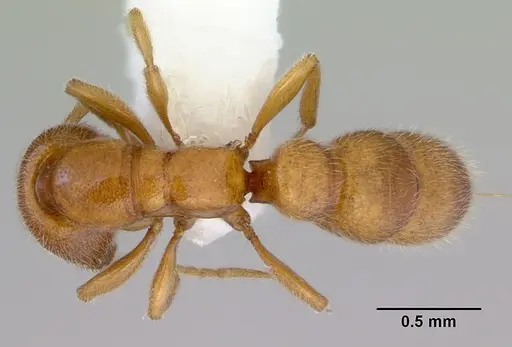
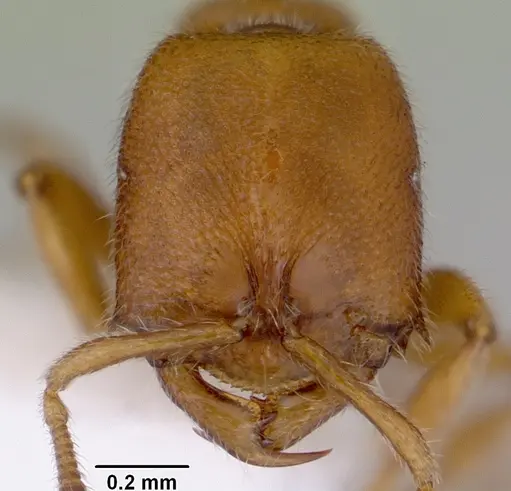
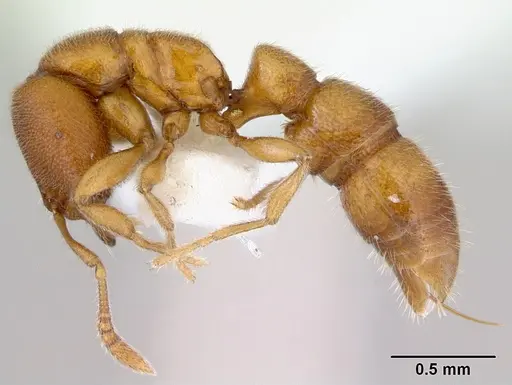
CASENT0172299
View on AntWeb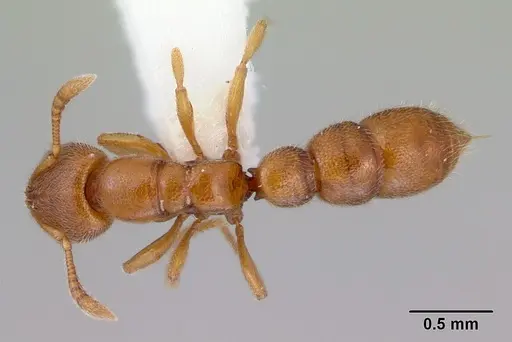
Literature
Loading...Loading products...