

Prenolepis subopaca
- Scientific Name
- Prenolepis subopaca
- Tribe
- Lasiini
- Subfamily
- Formicinae
- Author
- Emery, 1900
- Distribution
- Found in 2 countries
Prenolepis subopaca Overview
Prenolepis subopaca is an ant species of the genus Prenolepis. It is primarily documented in 2 countries , including Malaysia, Singapore. Detailed taxonomic data and occurrence records can be further explored via authoritative databases such as AntWeb or the Global Biodiversity Information Facility (GBIF).
Prenolepis subopaca
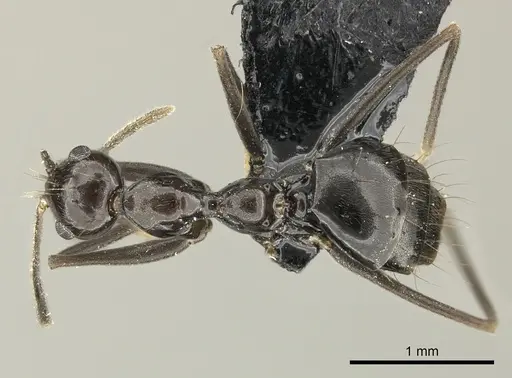
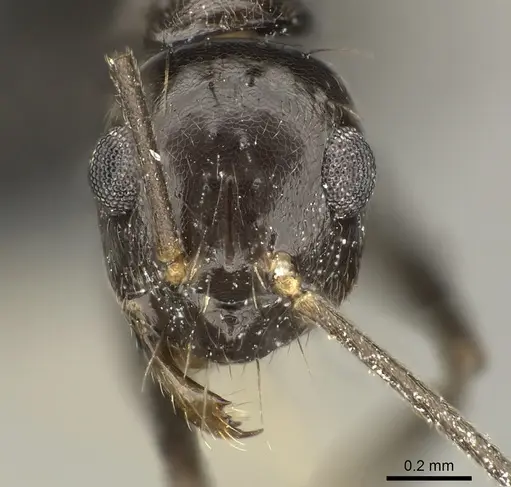
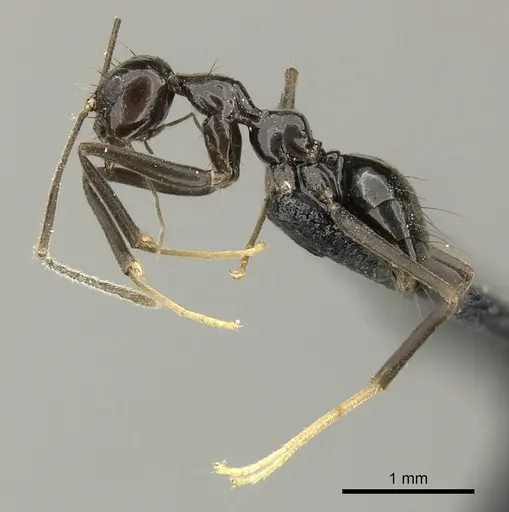
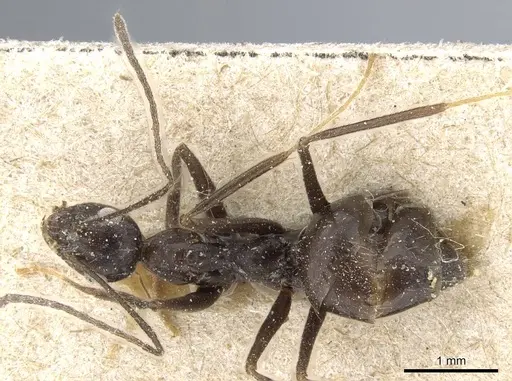
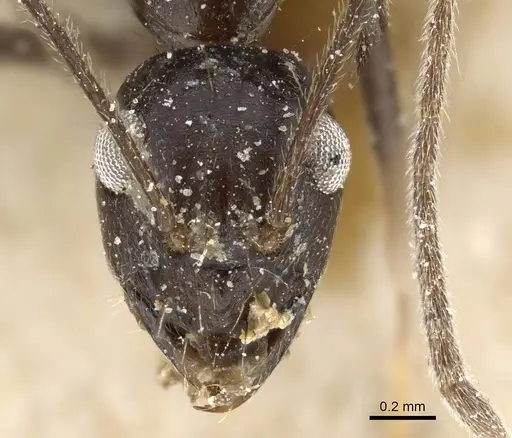
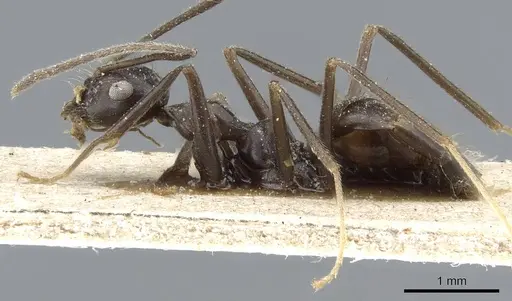
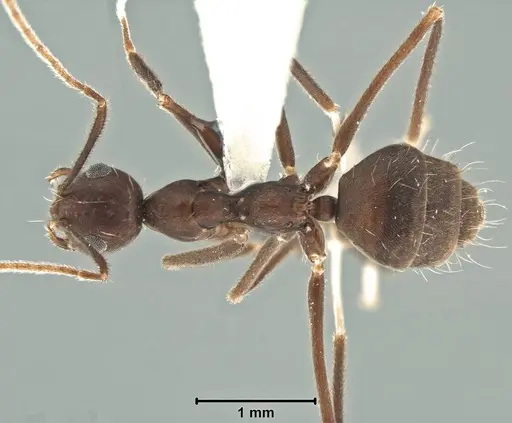
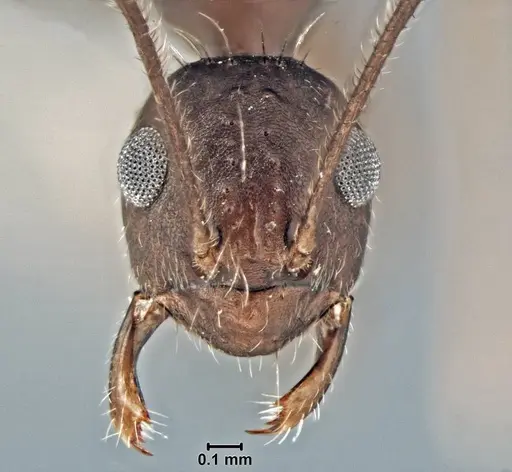
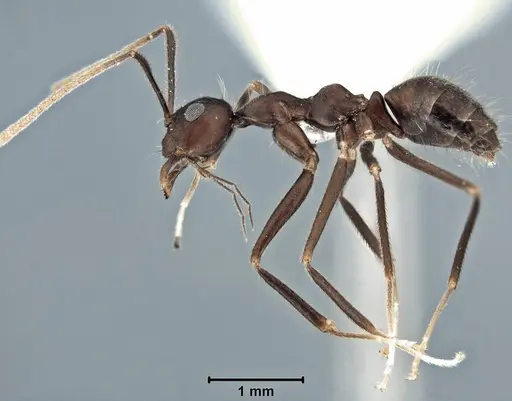
Prenolepis subopaca is a small, slender ant native to Southeast Asia, found in Brunei, Indonesia, Malaysia, and Singapore. Workers measure 2.7-4.3mm and have a distinctive elongated appearance with very long legs and antennae, giving them an elegant, gracile look. Their medium to dark brown body is covered in fine pubescence, and they lack erect hairs on the propodeum. These ants are notable for their unique foraging behavior, they form large groups to retrieve honeydew from trees just after dusk, walking in columns 3-5 ants wide before descending to leaf litter on the forest floor. Colonies nest in shallow leaf litter layers about 5-10cm deep, making them a litter-dwelling species that forages arboreally.
Quick Summary
- Difficulty: Medium
- Origin & Habitat: Southeast Asia (Brunei, Indonesia, Malaysia, Singapore) in lowland dipterocarp forests. Nests in leaf litter 5-10cm deep and forages arboreally on trees [1][2].
- Colony Type: Multi-queen colonies documented in the wild with one winged queen and approximately 300 workers observed in a single colony [1].
- Colony: Polygyne
- Size & Growth:
- Queen: Unconfirmed, no specific measurements available for queens
- Worker: 2.74-4.29mm [3]
- Colony: Approximately 300 workers in observed colonies [1]
- Growth: Moderate, estimated based on typical Prenolepis growth patterns
- Development: Estimated 6-10 weeks based on related Prenolepis species development (No specific development data available for this species, estimate based on genus patterns)
- Antkeeping:
- Temperature: Keep around 22-26°C. As a lowland tropical species, they prefer warm, stable conditions [4].
- Humidity: High humidity preferred, they naturally live in damp leaf litter environments. Keep substrate consistently moist but not waterlogged.
- Diapause: Unlikely, as a tropical species from Southeast Asia, they do not require hibernation. Maintain year-round warm conditions.
- Nesting: Y-tong (AAC) nests or plaster nests work well. They naturally nest in shallow leaf litter, so provide a nest with chambers scaled to their small size. Include moist substrate areas to maintain humidity.
- Behavior: These ants are relatively calm and not aggressive. They are most active just after dusk when they form foraging columns to retrieve honeydew from trees. Workers have elongated legs and can move quickly. They form clear trails and will carry brood when disturbed. Escape prevention is important due to their small size, use fine mesh barriers. They are not known to sting and pose no danger to keepers.
- Common Issues: small size means escapes are likely without fine mesh barriers, tropical species may struggle in cool or dry conditions, wild-caught colonies may be stressed from collection and transport, foraging activity is primarily nocturnal, expect most activity at dusk, colonies may be difficult to establish if not provided appropriate humidity
Nest Preferences and Housing
Prenolepis subopaca naturally nests in shallow leaf litter layers about 5-10cm deep in lowland tropical forests. In captivity, they do well in Y-tong (AAC) nests or plaster nests that can maintain humidity. The nest chambers should be appropriately scaled to their small worker size (2.7-4.3mm). Provide a moist substrate area within the nest to replicate their natural damp leaf litter environment. They also need access to a foraging area (outworld) where they can establish trails. A water test tube should be provided as a humidity source. [1]
Feeding and Diet
In the wild, P. subopaca primarily feeds on honeydew collected from trees, field observations show workers returning with greatly distended gasters full of honeydew, indicating they were retrieving this sugary secretion [1]. They also scavenge and have been observed carrying small prey like isopods along their trails [1]. In captivity, offer sugar water or honey water as a constant food source. For protein, provide small insects like fruit flies, small mealworms, or other appropriately-sized prey. Their small size means prey items should be tiny. Feed protein 2-3 times per week and keep sugar water available at all times.
Temperature and Seasonal Care
As a lowland tropical species native to Southeast Asia, P. subopaca prefers warm conditions around 22-26°C [4]. They are found in coastal and island habitats in the region, indicating they thrive in stable, warm temperatures. Unlike temperate species, they do not require hibernation or diapause, maintain year-round warm conditions. Avoid temperatures below 20°C as this could stress the colony. Room temperature within this range is typically suitable. A heating cable on one side of the nest can create a gradient if your room runs cool, but ensure the nest doesn't dry out.
Foraging Behavior and Activity Patterns
P. subopaca has a fascinating and unusual foraging pattern. Just after dusk (around 18:30), workers form a large foraging party of approximately 200 individuals and walk down trees in columns 3-5 ants wide [1]. They follow distinct trails on the trunk, narrowing to single file on smaller branches, before descending into leaf litter on the forest floor. This behavior is synchronized group retrieval of honeydew, the large, distended gasters observed on many foragers confirm they were collecting this sugary food source [1]. In captivity, you may observe similar evening activity patterns. They form clear trails after disturbance and will relocate brood when threatened.
Colony Structure and Social Organization
Field observations reveal P. subopaca forms multi-queen colonies. One observed colony contained approximately 300 workers with numerous brood, one winged queen, and one male [1]. This suggests polygynous (multi-queen) colony structure. When disturbed, workers scatter and run deeper into the leaf litter carrying their brood (eggs, larvae, and pupae), then establish clear trails for movement afterward [1]. This indicates flexible colony organization that can respond to threats by relocating. The presence of only one Prenolepis species in Singapore (P. subopaca) has been confirmed through multiple collections in areas like Sembawang and Bukit Timah [1].
Frequently Asked Questions
How long does it take for Prenolepis subopaca to produce first workers?
Specific development time is unconfirmed for this species, but based on related Prenolepis species, expect approximately 6-10 weeks from egg to first worker at optimal temperature (around 24°C). Growth is typically moderate.
Can I keep multiple Prenolepis subopaca queens together?
Yes, this species naturally forms multi-queen (polygyne) colonies in the wild. However, when combining unrelated foundress queens in captivity, introduce them carefully and monitor for aggression.
What do Prenolepis subopaca eat?
They primarily feed on honeydew in the wild. In captivity, offer sugar water or honey water constantly, plus small protein sources like fruit flies, small mealworms, or other tiny insects. Feed protein 2-3 times per week.
Are Prenolepis subopaca good for beginners?
They are intermediate in difficulty. They require warm, humid conditions and small prey items, but their multi-queen colony structure can make them more resilient than single-queen species. Their nocturnal foraging pattern is interesting to observe.
When are Prenolepis subopaca most active?
They are primarily active just after dusk, around 18:30. In captivity, you may observe increased foraging activity in the evening hours. They form synchronized foraging groups rather than continuous individual foraging.
Do Prenolepis subopaca need hibernation?
No, as a tropical Southeast Asian species, they do not require hibernation. Maintain warm, stable temperatures year-round (22-26°C).
What size colony do Prenolepis subopaca reach?
Field observations show colonies of approximately 300 workers. In captivity, colonies of similar size are achievable with proper care.
Why are my Prenolepis subopaca escaping?
Their small size (workers are only 2.7-4.3mm) means they can squeeze through tiny gaps. Use fine mesh barriers and ensure all openings are tightly sealed. Check that test tube connections and outworld barriers are escape-proof.
References

This caresheet is licensed under CC BY-SA 4.0 .
Literature
Loading...Loading products...