

Prenolepis jerdoni
- Scientific Name
- Prenolepis jerdoni
- Tribe
- Lasiini
- Subfamily
- Formicinae
- Author
- Emery, 1893
- Distribution
- Found in 3 countries
Prenolepis jerdoni Overview
Prenolepis jerdoni is an ant species of the genus Prenolepis. It is primarily documented in 3 countries , including Indonesia, Malaysia, Singapore. Detailed taxonomic data and occurrence records can be further explored via authoritative databases such as AntWeb or the Global Biodiversity Information Facility (GBIF).
Prenolepis jerdoni
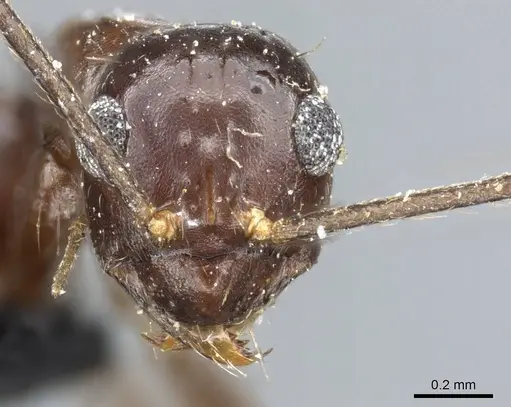
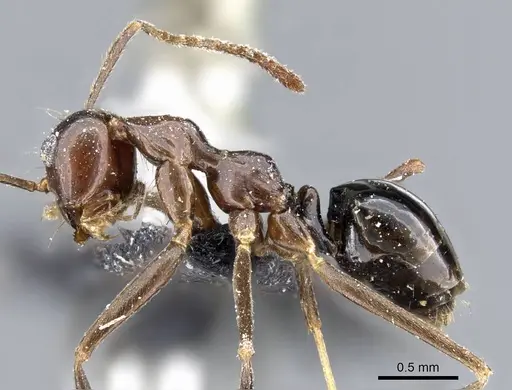
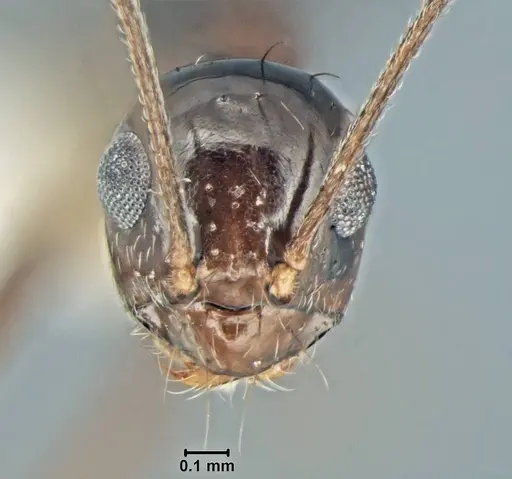
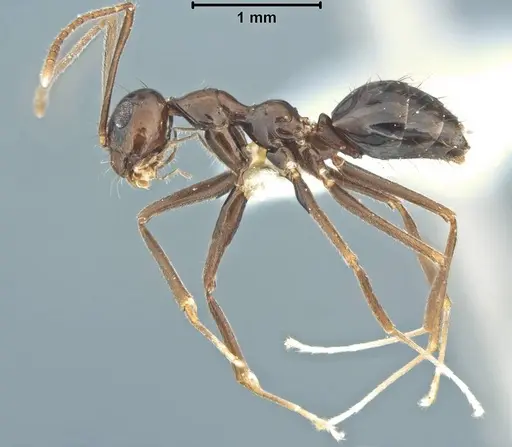
Prenolepis jerdoni is a medium to large ant species native to Southeast Asia, found across Borneo, Indonesia, Malaysia, the Philippines, and Singapore. Workers measure 2.44-4.86mm and have a distinctive slender appearance with remarkably long legs, antennae, and mesosoma. They are medium to dark brown with a shiny, lightly reticulate cuticle and very large compound eyes that barely surpass the sides of their head. The petiole is narrow and elongate, and the propodeum is noticeably taller than the pronotum. These ants are lowland tropical species primarily found near coastlines and on islands, often collected in gardens and even inside Nepenthes pitcher plants [1][2][3].
What makes P. jerdoni stand out is their extremely gracile build, their leg index (HTI) exceeds 185 and their scape index (SI) exceeds 185,making them one of the most elongated Prenolepis species. This, combined with their large eyes, suggests they are highly active foragers adapted to navigating complex tropical environments. They are part of the Lasiini tribe within Formicinae, making them relatives of Lasius ants but with distinctly different morphology [1][4].
Quick Summary
- Difficulty: Medium
- Origin & Habitat: Southeast Asia, Borneo, Indonesia, Malaysia, Philippines, Singapore. This is a lowland tropical species found primarily near coastlines and on islands [1]. In the wild, they have been collected in gardens and inside Nepenthes pitcher plants, suggesting they thrive in humid, vegetated areas with access to moisture [5][6].
- Colony Type: Colony structure is unconfirmed. Like other Prenolepis species, they are likely monogyne (single queen) but this has not been directly documented.
- Size & Growth:
- Queen: Undocumented, estimated 6-8mm based on worker size and genus patterns
- Worker: 2.44-4.86mm [2]
- Colony: Undocumented, likely several hundred workers based on related species
- Growth: Moderate, inferred from tropical species patterns
- Development: Estimated 6-8 weeks at tropical temperatures (25-28°C) based on typical Formicinae development (Development timeline is not directly studied, estimate based on genus patterns for lowland tropical species)
- Antkeeping:
- Temperature: Keep at 24-28°C. As a lowland tropical species from Southeast Asia, they need warm, stable temperatures. A heating cable on one side of the nest creates a gradient allowing workers to self-regulate [1]
- Humidity: Keep high, these ants come from humid tropical environments. Maintain moist substrate in the nest area, with some drier areas available. Their presence in Nepenthes cups indicates tolerance for very humid conditions [5][7]
- Diapause: Unlikely, as a tropical species from near coastlines and islands, they probably do not require a diapause period. However, a slight reduction in temperature during cooler months may be beneficial.
- Nesting: In captivity, Y-tong nests or plaster nests with good moisture retention work well. Their natural habitat includes rotting wood and plant cavities (Nepenthes), so provide nest chambers with moderate to high humidity. Avoid overly dry conditions.
- Behavior: These ants are active foragers with their extremely long legs and antennae making them efficient at exploring their territory. They are likely generalist foragers, similar to other Prenolepis species, scavenging for nectar, honeydew, and small insects. Their large eyes suggest they may rely more on visual cues than many other ant species. Escape prevention should be moderate, while not tiny, they are slender and can squeeze through small gaps. They are not known to be particularly aggressive but will defend their colony if threatened.
- Common Issues: high humidity maintenance is critical, dry conditions will stress these tropical ants, temperature drops below 22°C may slow or stop colony activity, wild-caught colonies may contain parasites or pathogens from their native habitat, their slender build means they can escape through gaps that larger ants cannot fit through, slow colony growth can lead to keeper impatience and overfeeding, causing mold problems
Housing and Nest Setup
Prenolepis jerdoni does well in Y-tong (acrylic) nests or plaster nests that can hold moisture. Their natural habitat includes rotting wood and plant cavities, so they prefer enclosed spaces with good humidity. A test tube setup can work for founding colonies, but be prepared to move them to a proper nest once the colony reaches 20-30 workers. The nest should have chambers sized appropriately for their colony size, not too large, as ants do better in snugger spaces. Place the nest in a dark area or cover it with an escape barrier, as these ants prefer dim conditions. An outworld for foraging should include plants or decorations they can explore, reflecting their natural presence in vegetated areas. [1]
Feeding and Diet
Like other Prenolepis species, P. jerdoni is likely a generalist feeder. Offer sugar water or honey as a constant energy source. For protein, provide small insects like fruit flies, pinhead crickets, or mealworm pieces. Their extremely long legs and antennae suggest they are active foragers, so they will likely readily take prey. In the wild, they have been found in Nepenthes cups, suggesting they may also feed on nectar or attracted to sweet substances. Feed protein 2-3 times per week, removing any uneaten prey after 24 hours to prevent mold. Sugar water should be available continuously, replaced every few days. [5][6]
Temperature and Humidity Management
As a lowland tropical species from Southeast Asia, P. jerdoni needs warm and humid conditions. Maintain temperatures between 24-28°C, this is ideal for tropical ant species and matches their natural habitat near coastlines and islands. A heating cable placed on one side of the nest creates a temperature gradient, allowing workers to move to warmer or cooler areas as needed. Humidity is critical: keep the nest substrate consistently moist but not waterlogged. Their presence in Nepenthes pitcher plants demonstrates they tolerate very humid conditions. Use a moisture meter or observe condensation on the nest walls to gauge humidity levels. Avoid placing the setup near air conditioning or drafty areas that could cause temperature swings. [1][4]
Colony Development and Growth
Prenolepis jerdoni is a medium to large ant species with workers reaching 2.44-4.86mm. While specific development times are not documented, tropical Formicinae species typically develop from egg to worker in 6-8 weeks under optimal conditions (25-28°C). The first workers (nanitics) will be smaller than mature workers but should already show the species' characteristic elongated form. Colony growth is likely moderate, not as fast as some tropical pioneers but faster than temperate species. Expect the colony to reach 50-100 workers within the first year under good conditions. Once established, colonies likely grow to several hundred workers, though exact maximum size is unknown for this species. [2]
Behavior and Temperament
- suggest they are visually oriented foragers compared to many other ant species. They are likely diurnal foragers, actively searching for food during daylight hours. While not documented specifically for P. jerdoni, Prenolepis species are generally not aggressive and focus on foraging rather than defending large territories. However, they will readily defend their nest if threatened. Their slender build and active foraging style make them interesting to watch, they move quickly and methodically explore their environment. [2]
Frequently Asked Questions
How long does it take for Prenolepis jerdoni to produce first workers?
Exact development time is not documented for this species, but based on typical Formicinae patterns for tropical species, expect 6-8 weeks from egg to worker at optimal temperatures (25-28°C). The first workers will be smaller (nanitics) but should already display the species' characteristic elongated legs and large eyes.
What temperature do Prenolepis jerdoni ants need?
Keep them at 24-28°C. As a lowland tropical species from Southeast Asia, they need warm conditions year-round. A heating cable on part of the nest creates a gradient they can self-regulate within.
Are Prenolepis jerdoni good for beginners?
They are rated Medium difficulty. The main challenges are maintaining high humidity and stable tropical temperatures. If you can provide warm, humid conditions consistently, they are manageable for intermediate antkeepers.
Do Prenolepis jerdoni ants need hibernation?
Unlikely. As a lowland tropical species found near coastlines and islands in Southeast Asia, they do not experience cold winters that would require diapause. However, a slight temperature reduction during cooler months may be natural and could be beneficial.
What do Prenolepis jerdoni eat?
They are generalist feeders. Offer sugar water or honey constantly, and protein sources like small insects (fruit flies, pinhead crickets, mealworms) 2-3 times per week. They will likely accept a variety of foods similar to other Prenolepis species.
How big do Prenolepis jerdoni colonies get?
Colony size is not well documented, but based on related species, expect several hundred workers at maturity. Workers are 2.44-4.86mm, making them medium-sized ants.
Can I keep multiple Prenolepis jerdoni queens together?
Colony structure is unconfirmed for this species. It is not recommended to combine unrelated queens, as this has not been documented and could result in fighting. If you obtain a wild colony, it likely has a single queen like most Prenolepis species.
Where is Prenolepis jerdoni found in the wild?
They are native to Southeast Asia, Borneo, Indonesia, Malaysia, Philippines, and Singapore. This is a lowland tropical species found primarily near coastlines and on islands. They have been collected in gardens and inside Nepenthes pitcher plants.
Why are my Prenolepis jerdoni dying?
Common causes include: low humidity (they need moist conditions), temperatures below 22°C, mold from overfeeding, or stress from frequent disturbances. Ensure the nest maintains high humidity, temperatures stay in the 24-28°C range, and only feed appropriate amounts that can be consumed within 24 hours.
References

This caresheet is licensed under CC BY-SA 4.0 .
CASENT0905674
View on AntWeb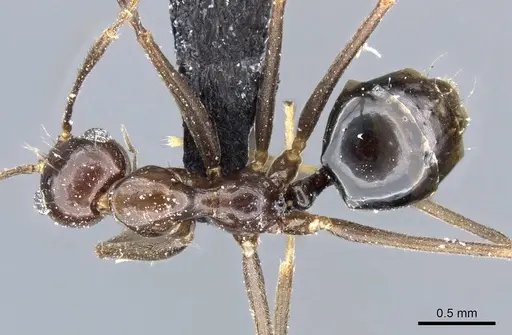
USNMENT00755050
View on AntWeb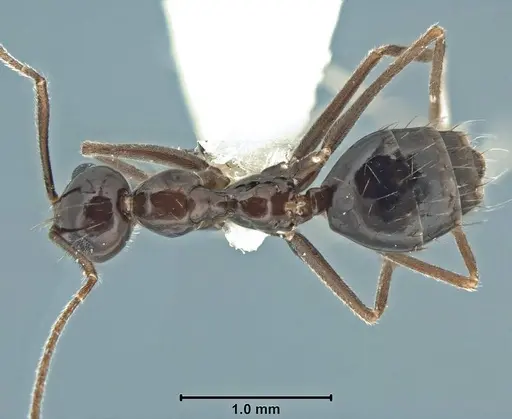
Literature
Loading...Loading products...