

Prenolepis fustinoda
- Scientific Name
- Prenolepis fustinoda
- Tribe
- Lasiini
- Subfamily
- Formicinae
- Author
- Williams & LaPolla, 2016
- Distribution
- Found in 1 countries
Prenolepis fustinoda Overview
Prenolepis fustinoda is an ant species of the genus Prenolepis. It is primarily documented in 1 countries , including Thailand. Detailed taxonomic data and occurrence records can be further explored via authoritative databases such as AntWeb or the Global Biodiversity Information Facility (GBIF).
Prenolepis fustinoda
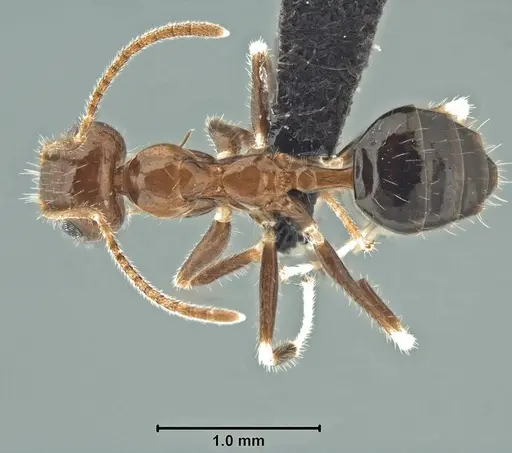
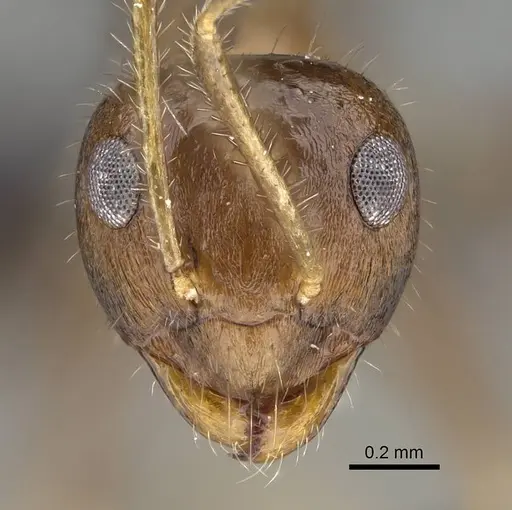
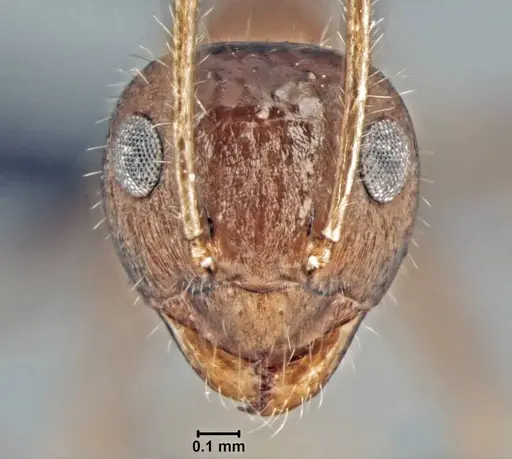
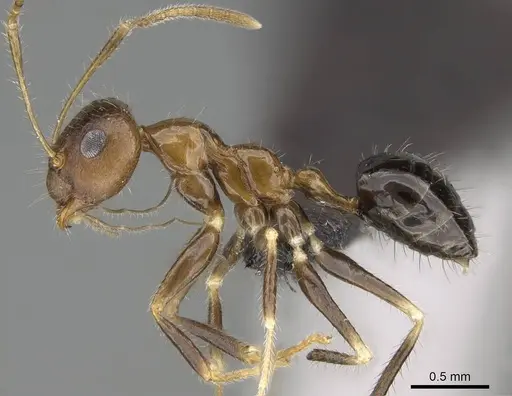
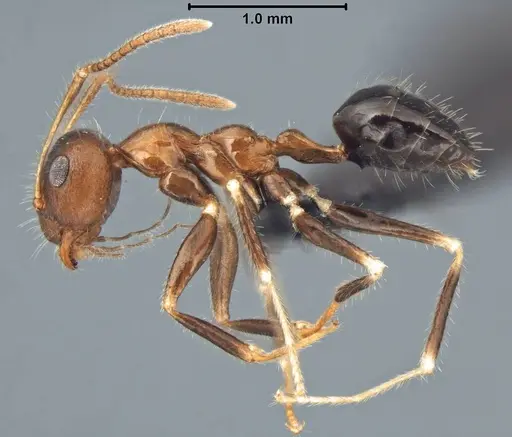
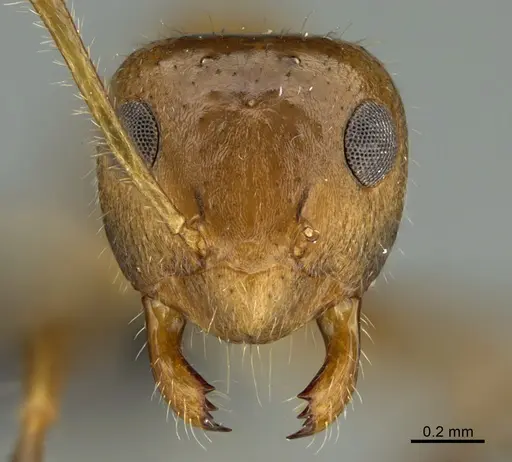
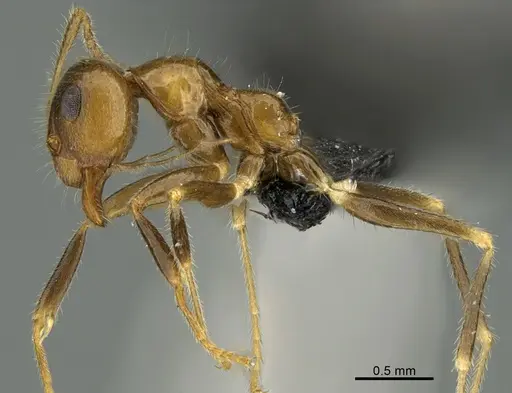
Prenolepis fustinoda is a small, recently described ant species native to South and Southeast Asia. Workers measure 2.65-3.25mm and have a distinctive appearance with a light brown head and mesosoma contrasting sharply against a dark brown to black gaster (abdomen). They feature three small ocelli on the head, a subtriangular head shape, and notably pale yellow tarsi, trochanters, and leg joints that stand out against their darker femora and tibiae. Erect setae (bristles) are abundant on the scapes, head, mesosoma, and gaster. The petiole is characteristically low and very narrow and elongated. This species was only formally described in 2016,with its synonym P. angulinoda from China recognized the same year, expanding its known range to include Guizhou and Yunnan provinces in addition to Thailand and Borneo [1][2].
Quick Summary
- Difficulty: Unknown, likely Medium due to limited available care data
- Origin & Habitat: Native to South and Southeast Asia, with confirmed populations in southern China (Guizhou, Yunnan provinces), Thailand, and Brunei (Borneo). The species has been collected from the canopy of lowland dipterocarp forest in Brunei, indicating it prefers humid tropical forest environments [3]. Earlier records from Nepal were misattributed and should be excluded from that country's checklist [4].
- Colony Type: Unconfirmed, colony structure has not been documented in scientific literature. Related Prenolepis species typically form single-queen colonies, but specific data for P. fustinoda is lacking.
- Size & Growth:
- Queen: Undescribed, no queen specimens have been documented in the primary literature
- Worker: 2.65-3.25mm [2]
- Colony: Unknown, no colony size data available for this species
- Growth: Unknown, no development timing data exists
- Development: Unknown, no direct measurements available. Based on typical Prenolepis patterns and related Formicine ants, expect 6-10 weeks at optimal temperature, but this is an estimate. (Development timeline has not been directly studied. Related species in the genus suggest moderate development times, but specific data for P. fustinoda is unavailable.)
- Antkeeping:
- Temperature: Aim for 22-26°C based on its tropical Asian distribution. The Brunei canopy collection suggests it tolerates warm, humid conditions. Provide a gentle temperature gradient if possible.
- Humidity: High humidity is strongly indicated, the species was collected in the canopy of lowland dipterocarp forest in Borneo, a notoriously humid environment. Keep nest substrate consistently moist but not waterlogged, with some drier areas available.
- Diapause: Unknown, tropical species from lowland forests may not require a true diapause, but related temperate Prenolepis species do overwinter. Observe colony behavior for seasonal slowdowns.
- Nesting: No specific nesting data exists, but the canopy collection suggests they may prefer elevated or enclosed spaces. A Y-tong (AAC) or plaster nest with good humidity retention would likely suit this species. The small worker size (under 4mm) means escape prevention must be excellent, use fine mesh and tight-fitting barriers.
- Behavior: Behavior has not been specifically documented for this species. Based on genus patterns, they are likely generalist foragers that accept sugar and protein sources. The small worker size (under 4mm) creates significant escape risk, these ants can squeeze through tiny gaps. Use excellent escape prevention regardless of observed behavior. Related Prenolepis species are typically non-aggressive and moderate in activity level.
- Common Issues: limited data means care requirements are partially inferred, monitor colony response and adjust accordingly, small size means escapes are likely without fine mesh barriers, high humidity needs may lead to mold if ventilation is poor, no documented founding behavior, claustral vs semi-claustr al is unknown, tropical origin suggests they may be sensitive to temperature drops
Appearance and Identification
Prenolepis fustinoda workers are small ants measuring 2.65-3.25mm in total length. They have a striking two-tone coloration: the head and mesosoma (middle body section) are light brown, while the gaster (abdomen) is dark brown to black. The legs show a distinctive pattern with pale yellow tarsi, trochanters, and leg joints contrasting against medium to dark brown femora and tibiae. The head is roughly as broad as long with a subtriangular shape, and three small ocelli (simple eyes) are present on the top of the head. Erect setae (stiff bristles) are abundant on the scapes (antennae segments), head, mesosoma, gaster, and legs. The petiole (the narrow waist segment) is notably low in profile and very narrow and elongated, which is a key identifying feature of this species [1][2].
Distribution and Habitat
Prenolepis fustinoda is native to the Indomalaya region of South and Southeast Asia. Confirmed populations exist in southern China (Guizhou and Yunnan provinces), Thailand, and Brunei on Borneo. The species was recently discovered in Yunnan province, expanding its known range further. Notably, records from Nepal were determined to be misattributions due to confusion with similar species, P. fustinoda does not actually occur in Nepal [4]. The Brunei collection from the canopy of lowland dipterocarp forest is particularly significant, as it suggests this species prefers humid tropical forest environments, likely in elevated canopy strata [3][5].
Temperature and Humidity Requirements
Based on its tropical Asian distribution and canopy collection in Brunei, Prenolepis fustinoda requires warm and humid conditions. Aim for temperatures in the 22-26°C range, this matches the warm, stable conditions of lowland tropical forests. The canopy collection in Brunei indicates this species thrives in high humidity environments typical of tropical rainforests. Keep the nest substrate consistently moist but not waterlogged, as excessive moisture can lead to mold problems. Provide some drier areas within the setup so ants can self-regulate. A gentle temperature gradient allows the colony to choose its optimal zone. Since this species has not been kept in captivity before, observe your colony's behavior and adjust conditions accordingly, if workers cluster together, they may need more warmth, if they avoid certain areas, those conditions may be suboptimal. [3]
Feeding and Diet
Specific dietary preferences for Prenolepis fustinoda have not been documented in scientific literature. However, as a member of the subfamily Formicinae and genus Prenolepis, it likely has typical ant dietary requirements: access to sugar sources (honey water, sugar water, or ripe fruit) for energy, and protein sources (small insects like fruit flies, pinhead crickets, or mealworms) for colony growth and brood development. Start by offering a sugar water solution and small protein prey. Remove uneaten prey after 24-48 hours to prevent mold. Since this is a small species (under 4mm), prey items should be appropriately sized, very small insects or crushed prey items will be more readily accepted. Monitor feeding behavior and adjust offerings based on what your colony accepts.
Nesting and Housing
No specific nesting data exists for Prenolepis fustinoda in the scientific literature. The canopy collection in Brunei suggests they may prefer enclosed, humid spaces in elevated locations. For captive care, a Y-tong (AAC) or plaster nest with good humidity retention would likely suit this species, as these materials help maintain the moisture levels this tropical species requires. The small worker size (2.65-3.25mm) means escape prevention is critical, use fine mesh (at least 0.5mm or smaller), tight-fitting lids, and reliable barrier methods like fluon on outworld edges. When setting up the outworld, avoid large open spaces that small ants can get lost in. A simple test tube setup can work for founding colonies, but be prepared to upgrade to a proper nest as the colony grows if you observe space-seeking behavior. [3]
Behavior and Temperament
Specific behavioral observations for Prenolepis fustinoda are not documented in available scientific literature. Based on genus-level patterns, related Prenolepis species are typically moderate in activity level and non-aggressive. The most critical practical concern for keepers is escape prevention, at 2.65-3.25mm, these ants are very small and can squeeze through the tiniest gaps. Always use excellent escape prevention regardless of observed activity levels. Since this species was only described in 2016 and has limited research, unexpected behaviors may be observed in captivity. Document your observations carefully, as they could contribute valuable information to the antkeeping community for this poorly studied species.
Frequently Asked Questions
How long does it take for Prenolepis fustinoda to produce first workers?
The egg-to-worker development time is unknown, this species has not been studied in captivity. Based on typical Prenolepis patterns and related Formicine ants, expect 6-10 weeks at optimal temperature (22-26°C), but this is an estimate. Actual development timing may differ significantly.
What do Prenolepis fustinoda ants eat?
Specific dietary preferences are unconfirmed, but they likely accept standard ant foods: sugar sources (honey water, sugar water) for energy and small protein prey (fruit flies, pinhead crickets, small mealworms) for colony growth. Offer appropriately-sized prey given their tiny worker size of 2.65-3.25mm.
Are Prenolepis fustinoda good for beginners?
This species cannot be recommended for beginners due to limited available care data. It was only described in 2016 and has no established captive husbandry guidelines. If you keep this species, be prepared to experiment with conditions and document your findings carefully.
Do Prenolepis fustinoda need hibernation?
Diapause requirements are unknown. The tropical distribution (Brunei, Thailand, southern China) suggests they may not need a true hibernation period. However, related temperate Prenolepis species do overwinter. Observe your colony for seasonal slowdowns and adjust care accordingly.
How big do Prenolepis fustinoda colonies get?
Maximum colony size is unknown, no colony size data exists in the scientific literature for this species. Related Prenolepis species typically form moderate-sized colonies.
Can I keep multiple Prenolepis fustinoda queens together?
Colony structure (monogyne vs polygyne) has not been documented for this species. Combining unrelated queens is not recommended since it has not been studied and could result in aggression.
What temperature should I keep Prenolepis fustinoda at?
Based on tropical distribution, aim for 22-26°C. The Brunei canopy collection suggests they prefer warm, stable conditions. Provide a gentle temperature gradient if possible so the colony can self-regulate.
Why are my Prenolepis fustinoda escaping?
At 2.65-3.25mm, this is a very small ant species that can squeeze through tiny gaps. Use excellent escape prevention: fine mesh (0.5mm or smaller), tight-fitting lids, and barrier methods like fluon. Check all connections and seams regularly.
Is Prenolepis fustinoda aggressive?
Aggression levels have not been documented. Based on genus patterns, they are likely moderate and not particularly aggressive. However, their small size and limited study means unexpected behaviors may occur.
References

This caresheet is licensed under CC BY-SA 4.0 .
CASENT0129291
View on AntWeb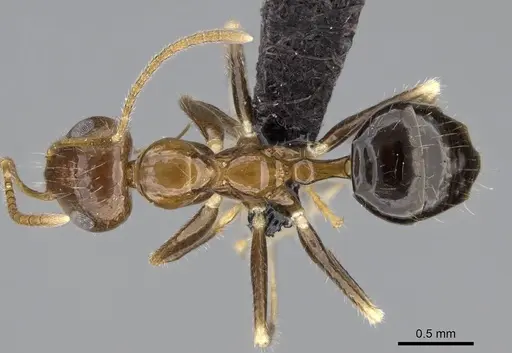
CASENT0130207
View on AntWeb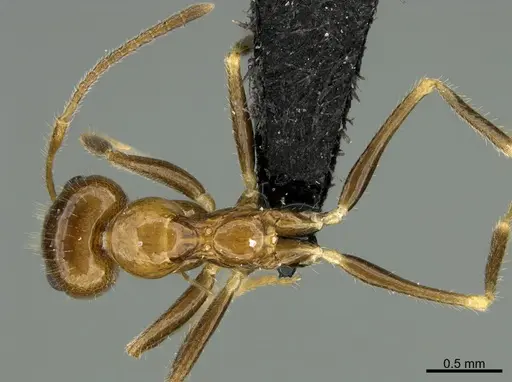
Literature
Loading...Loading products...