

Prenolepis fisheri
- Scientific Name
- Prenolepis fisheri
- Tribe
- Lasiini
- Subfamily
- Formicinae
- Author
- Bharti & Wachkoo, 2012
- Distribution
- Found in 1 countries
Prenolepis fisheri Overview
Prenolepis fisheri is an ant species of the genus Prenolepis. It is primarily documented in 1 countries , including India. Detailed taxonomic data and occurrence records can be further explored via authoritative databases such as AntWeb or the Global Biodiversity Information Facility (GBIF).
Prenolepis fisheri
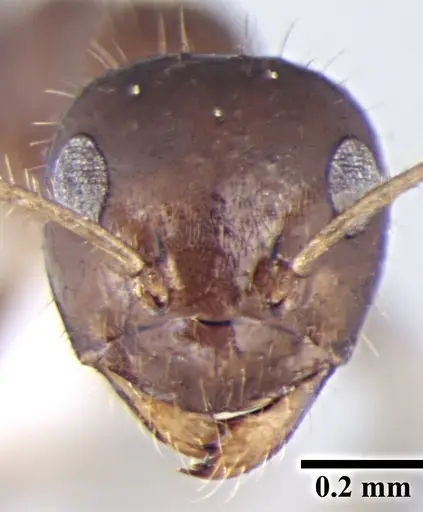
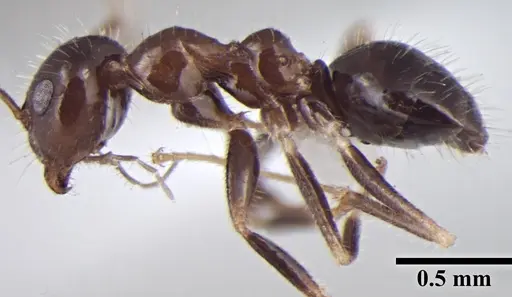
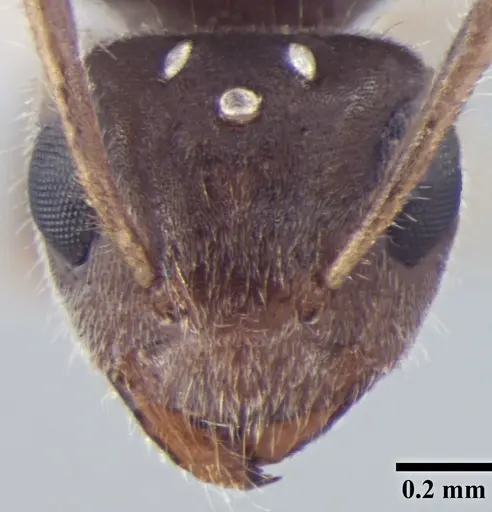
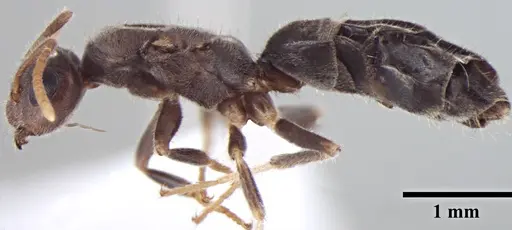
Prenolepis fisheri is a small, recently described ant species native to the North-West Himalayas in India. Workers measure just 0.63-0.65 mm in head length, making them among the smaller ants in the genus. They have a distinctive appearance with a subtriangular head, three small ocelli (rare among Prenolepis species), and short scapes that extend only about one-third beyond the head margin. Workers are reddish-brown with a blackish gaster, while queens are darker overall with brown thorax and gaster [1][2].
This species stands out for being one of only four Prenolepis species worldwide that possess ocelli, a feature shared with three Caribbean species. It was only discovered in 2012 and remains extremely rare, known from a single locality in Uttarakhand along the edge of a primary subtropical semi-evergreen forest [1][2]. The species was named in honor of Brian Fisher, a prominent ant taxonomist.
Quick Summary
- Difficulty: Medium
- Origin & Habitat: Native to the Shivalik range of the North-West Himalayas in Uttarakhand, India. Found in primary subtropical semi-evergreen forest with relatively high annual precipitation, nesting under stones [1][2][3].
- Colony Type: Colony structure is unconfirmed. Only known from a few collected specimens, the original description includes 8 workers and 1 queen [1].
- Size & Growth:
- Queen: 0.89 mm head length [1][2]
- Worker: 0.63-0.65 mm head length [1][2]
- Colony: Unknown, only known from original collection of 8 workers [1]
- Growth: Unknown, no captive breeding data exists
- Development: Unknown, no development data available. Based on typical Formicinae patterns, estimate 6-10 weeks at optimal temperature (Development timeline is unconfirmed. Related Prenolepis species suggest moderate development time, but this species has never been bred in captivity)
- Antkeeping:
- Temperature: Based on its Himalayan subtropical habitat, aim for 20-25°C with moderate humidity. Avoid extreme temperatures.
- Humidity: Found in forest edge habitat with high annual precipitation, keep substrate moderately moist but not waterlogged. Provide a humidity gradient.
- Diapause: Unknown, likely requires a cool period during winter months given its Himalayan origin, but specific requirements unstudied
- Nesting: In the wild, found under stones at forest edges. A naturalistic setup with soil and stones, or a Y-tong/plaster nest with moderate moisture would likely suit this species
- Behavior: Behavior is unstudied in captivity. Based on genus typical behavior, they are likely generalist foragers with moderate activity levels. Their small size (under 1mm) means escape prevention is critical, use fine mesh barriers. No specific aggression or defense behaviors documented.
- Common Issues: extremely rare in captivity with no established breeding lines, no captive care information exists, all advice is inferred from genus patterns, small size makes escape prevention challenging, wild-caught colonies may not survive transfer to captive conditions, no information on acceptable foods or feeding schedules
Discovery and Rarity
Prenolepis fisheri was only described in 2012 by Bharti and Wachkoo, making it one of the most recently discovered ant species in India. It was found during intensive surveys in the Shivalik range of the North-West Himalayas in Uttarakhand state. What makes this species particularly intriguing is its unique combination of features: three small ocelli (eyes on top of the head), which is extremely rare in the genus Prenolepis and shared only with three species from the Caribbean Antilles [1][2].
The species remains known only from its original collection locality. Intensive surveys in the region have not found additional populations, making it one of the rarest ant species in India. It was named to honor Brian Fisher, a renowned ant taxonomist at the California Academy of Sciences [1].
Identification and Distinguishing Features
This species can be identified by several distinctive characteristics. Workers have a subtriangular head that is as broad as long but much broader at the back than at the front. The most notable feature is the presence of three small ocelli on the top of the head, a rare trait in Prenolepis. The scapes (the long antennae segments) are short, extending only about one-third of their length beyond the back of the head, with a scape index of 101-110 [1][2].
The body is smooth and shining with a reddish-brown coloration (castaneous) and blackish gaster. The petiole is low and transverse, subtriangular when viewed from the side. Compared to similar species like P. naoroji (which lacks ocelli and has much longer scapes), P. fisheri is distinctly smaller and darker in color [1][4].
Natural Habitat
In the wild, Prenolepis fisheri has been found in a very specific habitat: along the edge of a primary subtropical semi-evergreen forest in the Shivalik hills. This region experiences relatively high annual precipitation compared to surrounding areas. The ants were collected from under a small stone, indicating they nest in soil or under ground-level cover rather than in elevated locations [1][2].
The Shivalik range represents the foothills of the Himalayas, with a subtropical climate that experiences distinct seasons. The forest type, semi-evergreen, means the area retains foliage year-round but includes some deciduous species. This habitat information suggests the species prefers moderate temperatures with good humidity and some protection from direct sunlight [1].
Keeping Considerations
Prenolepis fisheri is not recommended for beginning antkeepers. This species has never been kept in captivity and no care information exists in the antkeeping hobby. There are no established colonies, and wild-caught specimens are extremely difficult to find given the species' rarity and limited known range [1].
If specimens ever become available, care should mirror the natural habitat: moderate temperatures (roughly 20-25°C), consistent but not excessive humidity, and nesting options that allow for soil cavities or tight spaces. The tiny worker size (under 1mm) means any enclosure must have excellent escape prevention with fine mesh barriers. Feeding would likely follow typical Formicinae patterns, sugar sources and small protein items, but no specific acceptance data exists [1].
Frequently Asked Questions
Is Prenolepis fisheri available in the antkeeping hobby?
No. This is one of the rarest ant species in the world, known only from a single locality in Uttarakhand, India. It has never been established in captive breeding and is not available from any commercial ant farms or breeders.
How big do Prenolepis fisheri colonies get?
Unknown. The original collection only included 8 workers and 1 queen, so no data exists on maximum colony size. Based on related Prenolepis species, colonies likely reach several hundred workers at most.
What do Prenolepis fisheri eat?
Unconfirmed. Based on typical Formicinae behavior, they likely accept sugar sources (honey, sugar water) and small protein items (insects). However, no feeding observations have been documented for this species.
What temperature should I keep Prenolepis fisheri at?
Based on its Himalayan subtropical habitat, aim for roughly 20-25°C. Avoid temperatures above 30°C or below 15°C. No specific optimal temperature has been studied for this species.
Does Prenolepis fisheri need hibernation?
Unknown. Given its Himalayan origin, a cool winter period is likely beneficial, but specific diapause requirements have not been studied. Related species from temperate regions do require hibernation.
Can I keep multiple Prenolepis fisheri queens together?
Unknown. Colony structure has not been studied. The original collection included only one queen, so the natural colony structure (single-queen or multi-queen) is unconfirmed.
How long does it take for Prenolepis fisheri to develop from egg to worker?
Unknown. No development data exists for this species. Based on typical Formicinae patterns, expect 6-10 weeks at optimal temperature, but this is purely an estimate.
Are Prenolepis fisheri good for beginners?
No. This species is not available in the antkeeping hobby and has never been kept in captivity. There is no care information available, making it completely unsuitable for beginners or any keeper.
Where does Prenolepis fisheri live in the wild?
Only in the Shivalik range of the North-West Himalayas in Uttarakhand, India. It has been found along forest edges in primary subtropical semi-evergreen forest, nesting under stones [1][2].
References

This caresheet is licensed under CC BY-SA 4.0 .
ANTWEB1008045
View on AntWeb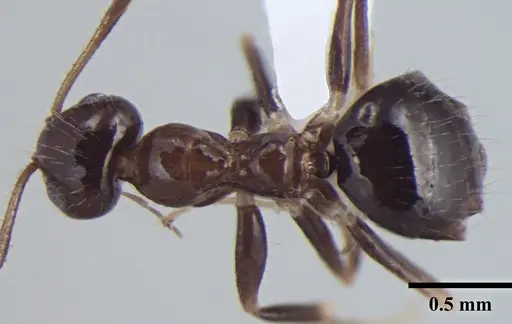
ANTWEB1008046
View on AntWeb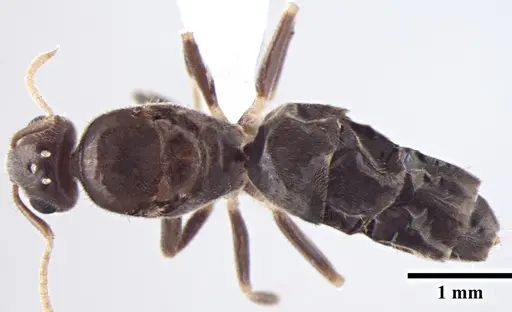
Literature
Loading...Loading products...