

Poneracantha perspicax
- Scientific Name
- Poneracantha perspicax
- Tribe
- Ectatommini
- Subfamily
- Ectatomminae
- Author
- Kempf & Brown, 1970
- Distribution
- Found in 2 countries
Poneracantha perspicax Overview
Poneracantha perspicax is an ant species of the genus Poneracantha. It is primarily documented in 2 countries , including Colombia, Ecuador. Detailed taxonomic data and occurrence records can be further explored via authoritative databases such as AntWeb or the Global Biodiversity Information Facility (GBIF).
Poneracantha perspicax
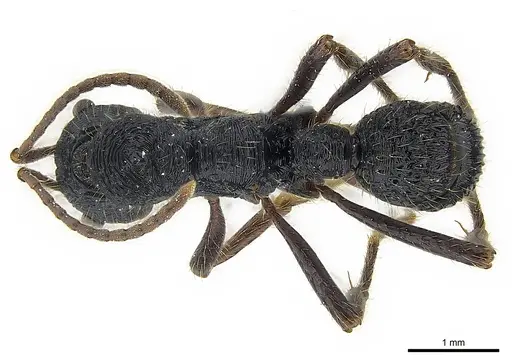
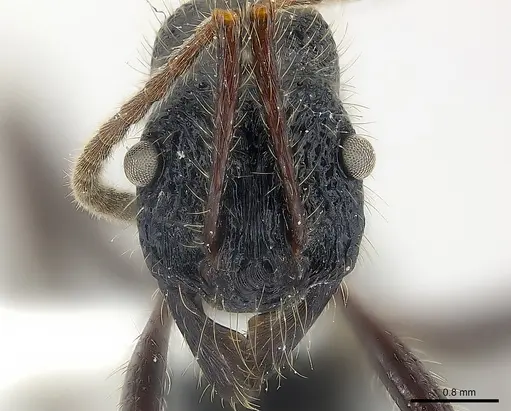
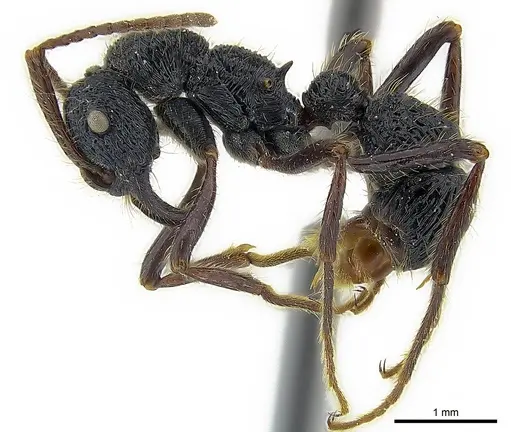
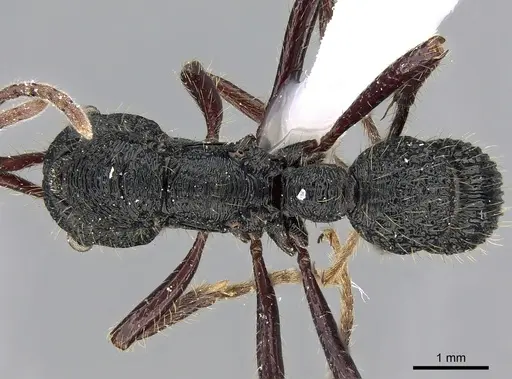
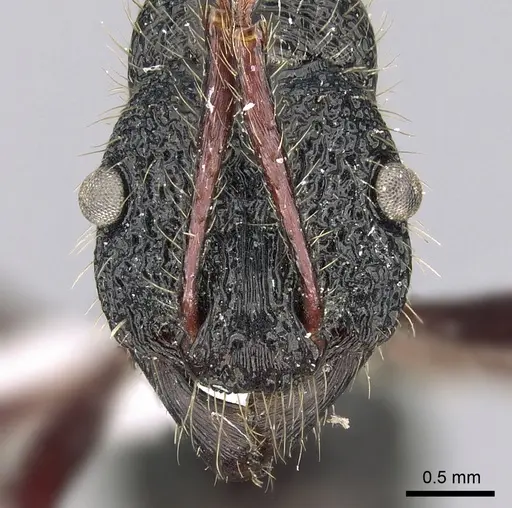
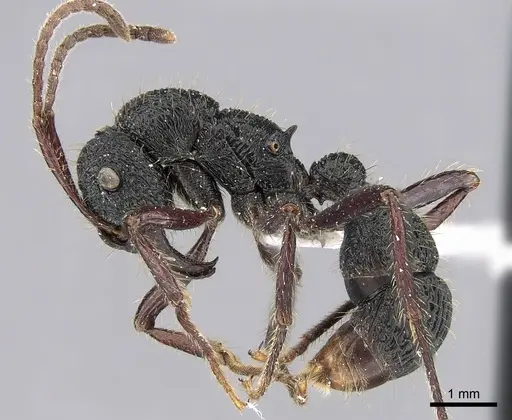
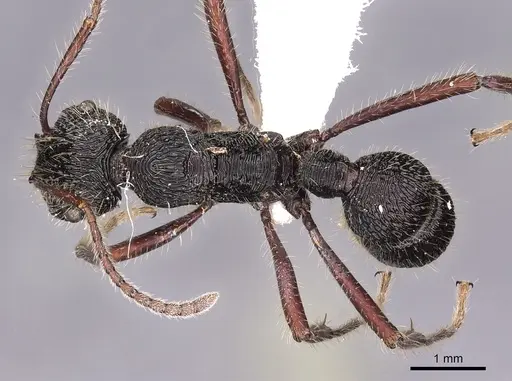
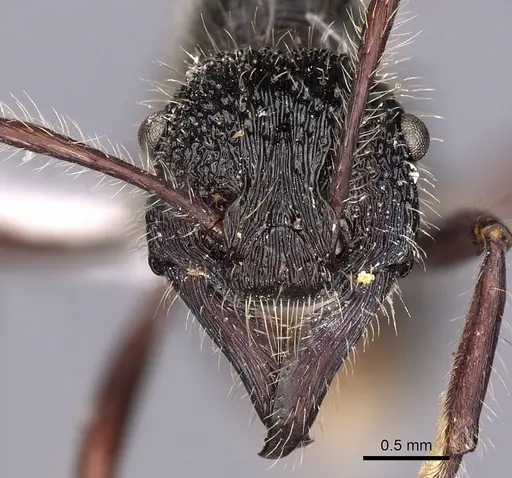
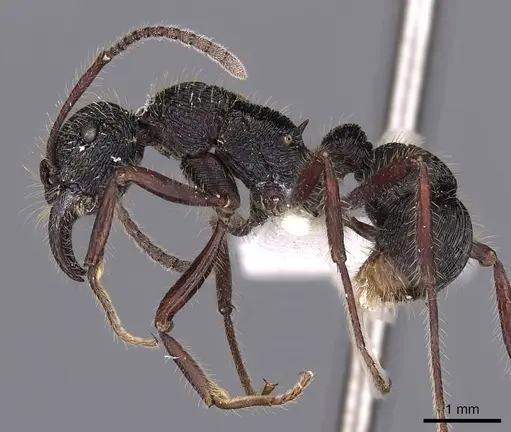
Poneracantha perspicax is a large, striking ponerine ant native to the cloud forests of Colombia and Ecuador. Workers measure 9-9.6mm and are almost entirely black with abundant pale standing hairs covering their body and legs. They have distinctive protruding eyes and relatively short propodeal teeth. This species is a specialized millipede predator, one of the most diet-restricted ants known in the Americas. The nest was found in a large rotten log at about 1570m elevation, with 4-5 chambers and a massive entrance over 4cm in diameter. The colony contained approximately 45 workers and a single ergatoid (wingless) queen. These ants have evolved resistance to the cyanide defenses that some millipedes release, allowing them to specialize on this prey that other ants cannot handle.
Quick Summary
- Difficulty: Expert
- Origin & Habitat: Cloud forests of Colombia and Ecuador, found at altitudes between 1600-1800m. Nests in large rotten logs in heavily shaded ravines [1][2][3].
- Colony Type: Monogyne, single ergatoid (wingless) queen per colony. The queen is smaller than workers and develops from a worker-like form. Replacement reproductives are ergatoid if the primary queen dies [1].
- Colony: Monogyne
- Size & Growth:
- Queen: 8.6mm (ergatoid queen) [1]
- Worker: 9.0-9.6mm [1]
- Colony: Approximately 45 workers in type colony, likely larger colonies in established nests [1]
- Growth: Slow, unknown exact timeline, but typical for large ponerines
- Development: Unknown, no direct studies on development time. Based on similar large ponerines, expect 2-4 months at warm temperatures. (Development timeline has not been documented in scientific literature. Related Gnamptogenys species suggest slower development than smaller ants.)
- Antkeeping:
- Temperature: Keep around 22-26°C. As a cloud forest species from high altitude, they need warmth but not extreme heat. A gentle gradient allows workers to self-regulate.
- Humidity: High humidity is essential, these are forest floor ants from humid cloud forests. Keep nest substrate consistently moist but not waterlogged. Provide a water source.
- Diapause: Unknown, no documented diapause requirement. As a tropical species from stable high-altitude environment, they likely do not require hibernation. Maintain consistent conditions year-round.
- Nesting: In nature they nest in large rotten logs with multiple chambers. In captivity, a naturalistic setup with rotten wood or cork works well. They need spacious chambers and a large nest entrance. Acrylic or plaster nests with wood sections can also work.
- Behavior: These are active, aggressive predators specialized on millipedes. Workers are bold foragers that hunt on the forest floor. They are not escape artists due to their large size, but standard escape prevention still recommended. They show no aggression toward humans and likely cannot sting effectively. The ergatoid queen means colonies can recover if the primary queen is lost.
- Common Issues: extreme dietary specialization makes feeding extremely difficult, they may refuse anything except millipedes, high humidity requirements can lead to mold problems if ventilation is poor, wild-caught colonies may arrive with parasites that are difficult to treat, slow growth and small colony sizes mean patience is required, difficulty obtaining their natural food (millipedes) in captivity
Feeding and Diet
This is the most critical and challenging aspect of keeping Poneracantha perspicax. They are extreme dietary specialists, in the wild they feed almost exclusively on millipedes (Diplopoda). The type nest had only millipede remains and prey around the nest, and laboratory tests confirmed live millipedes are far and away their preferred food. They have evolved specific resistance to cyanide defenses that many millipedes release, particularly polydesmoids. In captivity, you must secure a steady supply of millipedes. Other prey like small beetles (Staphylinidae) and click beetle larvae (Elateridae) have been found in nests of related species, suggesting they may accept these as alternatives, but millipedes should be the primary food. Sugar sources are unlikely to be accepted, this is a strict predator. [1]
Natural History and Distribution
Poneracantha perspicax is known from the cloud forests of Colombia and Ecuador, at altitudes between 1600-1800 meters. The type locality is in the Pichindé Valley southwest of Cali, Valle del Cauca department, Colombia. They have also been recorded in Risaralda and Cundinamarca departments in Colombia, and in Pichincha province Ecuador. These ants live in humid forest environments and nest in large rotten logs lying on the ground. The type nest had 4-5 chambers of varying sizes, all over 2cc volume, with a remarkably large entrance over 4cm in diameter. The nest was in a heavily shaded ravine about 50 meters off the road. [2][3][1]
Colony Structure and Reproduction
The type colony contained approximately 45 workers and a single ergatoid queen. An ergatoid queen is a wingless queen that develops from a worker-like form, rather than the typical winged reproductive form. This is different from a normal queen, the ergatoid is smaller than workers (8.6mm vs 9-9.6mm) with reduced eyes and ocelli. The colony structure appears to be monogyne with a single reproductive queen. The ergatoid form suggests that if the primary queen dies, replacement reproductives may develop from existing workers or special caste, allowing the colony to survive. This is a stable colony structure that does not appear to have multiple queens. [1]
Temperature and Humidity Care
As a cloud forest species from high altitude (1600-1800m), Poneracantha perspicax needs specific conditions to thrive. Keep temperatures in the 22-26°C range, warm but not hot. They are from an environment with consistent, mild temperatures and high humidity. Provide high humidity by keeping the nest substrate consistently moist. A water tube or small water reservoir should be available. Good ventilation is important to prevent mold while maintaining humidity. Avoid temperature extremes or sudden changes. A heating cable on one side of the nest can create a gradient, but monitor to ensure temperatures stay within their preferred range.
Nesting Requirements
In the wild, these ants nest in large rotten logs on the forest floor. The type nest was in the end of a large branch lying on the ground, with one large branch raised about 1.5m off the ground. The nest had 4-5 chambers of different sizes and a very large entrance over 4cm in diameter. For captivity, a naturalistic setup works best, provide sections of rotten wood or cork bark that the ants can use as nesting sites. The chambers should be spacious given their large size. Alternatively, an acrylic nest with a wood insert can work. The large entrance size in the wild suggests they prefer open, visible nest entrances rather than small hidden chambers. [1]
Frequently Asked Questions
What do Poneracantha perspicax ants eat?
They are extreme millipede specialists. In captivity, you must feed them millipedes (Diplopoda) as their primary food. They have evolved resistance to cyanide defenses that many millipedes release. Other prey like small beetles or click beetle larvae may be accepted occasionally, but millipedes should form the basis of their diet. Sugar sources are unlikely to be accepted.
How difficult is Poneracantha perspicax to keep?
This is an expert-level species due to their extreme dietary specialization. Keeping a steady supply of millipedes is challenging and expensive. They also require high humidity and specific temperature conditions that match their cloud forest origin. This species is not recommended for beginners.
What size are Poneracantha perspicax ants?
Workers are large at 9.0-9.6mm total length. The ergatoid (wingless) queen is slightly smaller at 8.6mm and has reduced eyes compared to workers.
Where is Poneracantha perspicax found?
They live in the cloud forests of Colombia and Ecuador at altitudes between 1600-1800 meters. Known departments include Valle del Cauca, Risaralda, and Cundinamarca in Colombia, and Pichincha in Ecuador.
Do Poneracantha perspicax ants sting?
As a large ponerine, they have a stinger, but given their size and the fact they are not known to be aggressive toward humans, stings are unlikely to be a concern. They are focused on hunting millipedes, not defending against large threats.
How do Poneracantha perspicax colonies form?
Colonies appear to be monogyne with a single ergatoid (wingless) queen. The ergatoid queen is smaller than workers and develops from a worker-like form. If the primary queen dies, replacement reproductives can develop, allowing the colony to survive. The exact founding behavior (whether claustral or semi-claustral) has not been documented.
What temperature do Poneracantha perspicax need?
Keep them around 22-26°C. As a cloud forest species from high altitude, they prefer consistent warmth without extreme heat. A temperature gradient allows workers to self-regulate.
Do Poneracantha perspicax need hibernation?
No, as a tropical species from the stable environment of a cloud forest, they do not require hibernation. Maintain consistent temperature and humidity year-round.
What kind of nest do they need?
In nature they nest in large rotten logs with multiple chambers. In captivity, provide a naturalistic setup with rotten wood or cork sections. They need spacious chambers and appear to prefer larger nest entrances. Acrylic nests with wood inserts also work.
How big do colonies get?
The type colony had approximately 45 workers. Mature colonies likely reach 50-200+ workers, though this is not well documented. They are not supercolonial and maintain single-queen structures.
Can I keep multiple queens together?
This species is monogyne with a single ergatoid queen per colony. Combining unrelated queens has not been documented and is not recommended. The ergatoid system allows for replacement reproductives within the colony if needed.
Why are they called perspicax?
The species name 'perspicax' means 'sharp-sighted' or 'keen-sighted' in Latin, likely referring to their large, prominent, protruding eyes which are a distinctive morphological feature of this species.
References

This caresheet is licensed under CC BY-SA 4.0 .
Literature
Loading...Loading products...