

Poneracantha mediatrix
- Scientific Name
- Poneracantha mediatrix
- Tribe
- Ectatommini
- Subfamily
- Ectatomminae
- Author
- Brown, 1958
- Distribution
- Found in 1 countries
Poneracantha mediatrix Overview
Poneracantha mediatrix is an ant species of the genus Poneracantha. It is primarily documented in 1 countries , including Brazil. Detailed taxonomic data and occurrence records can be further explored via authoritative databases such as AntWeb or the Global Biodiversity Information Facility (GBIF).
Poneracantha mediatrix
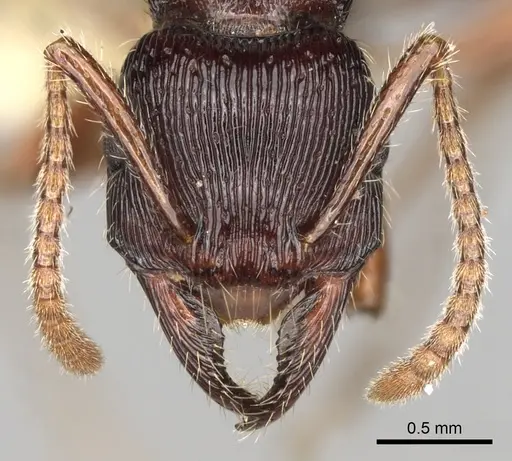
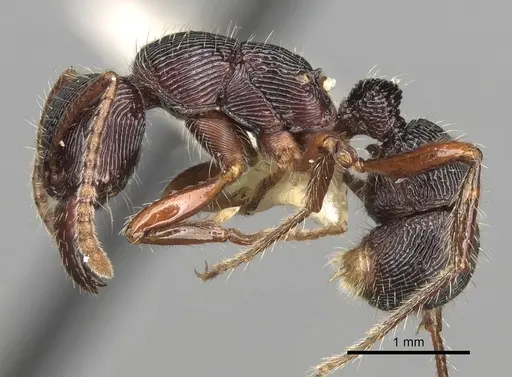
Poneracantha mediatrix is a medium-sized predatory ant native to the Amazon basin in Brazil and Ecuador. Workers have distinctive elongate triangular mandibles with a rough basal portion and smooth tip, and feature slender teeth on their hind coxae and short propodeal teeth. This species belongs to the rastrata species group and is closely related to P. laticephala. It is rarely collected and appears to be a specialized hunter, likely targeting millipedes based on its morphology. In the wild, these ants nest in leaf litter and decaying wood in humid tropical forests, including varzea (seasonally flooded forest) habitats.
Quick Summary
- Difficulty: Expert
- Origin & Habitat: Lowland tropical forests of the Amazon basin, specifically in Brazil (Pará, Rio de Janeiro) and Ecuador. Found in varzea habitats and humid forest areas [1].
- Colony Type: Colony structure is unconfirmed. Based on typical genus patterns, likely single-queen colonies.
- Colony: Monogyne
- Founding: Claustral
- Size & Growth:
- Queen: Estimated 7-9mm based on related Gnamptogenys species
- Worker: Estimated 5-7mm based on genus morphology
- Colony: Likely small to moderate colonies, possibly 100-500 workers based on related species
- Growth: Moderate, inferred from typical Poneracantha growth patterns
- Development: Estimated 8-12 weeks at tropical temperatures based on related Poneromorph ants (Development time is estimated as this species has not been directly studied. Tropical Poneromorph ants typically take 2-3 months from egg to first worker.)
- Antkeeping:
- Temperature: Keep at 24-28°C. These are lowland tropical ants requiring warm, stable conditions. A heating cable on one side of the nest can maintain appropriate temperatures.
- Humidity: High humidity required, aim for 70-85%. They naturally live in humid forest floor environments. Keep the nest substrate consistently moist but not waterlogged, with some drier areas available.
- Diapause: No, as a tropical species, they do not require hibernation. Maintain consistent temperatures year-round.
- Nesting: Natural nesting: leaf litter and decaying logs. In captivity, a naturalistic setup with moist substrate (soil or coco fiber) and hiding places like cork bark or rotting wood works well. Y-tong or acrylic nests with high humidity chambers are also suitable. Avoid dry conditions.
- Behavior: These are predatory ants with specialized hunting morphology. They are likely active foragers that hunt arthropods including millipedes. Workers are moderately aggressive when defending the colony. Escape risk is moderate, use standard barrier methods. Their small size (around 5-7mm) means they can slip through small gaps, so ensure enclosures are secure.
- Common Issues: high humidity maintenance is critical, dry conditions quickly stress and kill colonies, predatory diet requirements make them difficult to feed, need constant access to live prey, slow colony growth tests keeper patience and can lead to overfeeding problems, rarely collected in the wild means captive colonies are uncommon and expensive, tropical temperature requirements mean room temperature is often too cold without heating
Natural History and Identification
Poneracantha mediatrix is a striking ant species belonging to the Ectatomminae subfamily. Workers are identifiable by their elongate triangular mandibles, the basal two-thirds are rough (rugulose) while the apical third is smooth and shining. They have a concave median clypeal lamella, scapes without erect hairs, and distinctive slender teeth on their hind coxae (metacoxal teeth). The propodeal teeth are short, and the petiolar node is broader than long with transverse costulation. This species is part of the banksi complex within the rastrata species group and is closely related to Poneracantha laticephala. It is rarely collected, with specimens primarily from the Brazilian states of Pará and Rio de Janeiro, plus Ecuador. [1]
Housing and Nesting Preferences
In the wild, Poneracantha mediatrix nests in leaf litter and decaying wood on the forest floor of humid tropical forests. They are often found in varzea habitats, seasonally flooded forest areas near rivers. For captive care, create a naturalistic setup with a deep moisture-retaining substrate (coconut fiber or soil mixes work well) and provide hiding structures like cork bark, rotting wood pieces, or leaf litter material. The nest area should remain consistently humid. Acrylic or Y-tong nests with built-in water chambers can also work, but ensure humidity stays high. These ants do not do well in dry test tube setups, they need access to moist substrate. Provide a water dish in the outworld for drinking access. [1]
Feeding and Diet
Based on morphology and related species behavior, Poneracantha mediatrix is a specialized predator. Their elongate mandibles suggest they are adapted for hunting prey like millipedes and other small arthropods. In captivity, offer a diet of live small arthropods including fruit flies, small crickets, mealworms, and other appropriately-sized live prey. They likely accept some protein sources like bloodworms or fish food, but live prey should form the bulk of their diet. Feed every 2-3 days, adjusting based on colony size and consumption. Remove uneaten prey after 24 hours to prevent mold. Sugar sources may be accepted occasionally but are not a primary food source for this predatory species. [1]
Temperature and Humidity Requirements
As a lowland tropical species from the Amazon basin, Poneracantha mediatrix requires warm and humid conditions. Keep the nest area at 24-28°C (75-82°F). A small heating cable or mat placed on one side of the nest can help maintain these temperatures, but avoid direct heat on the nest material. Humidity should be high, aim for 70-85% relative humidity. The substrate should feel consistently moist but not waterlogged. Mist the nest area periodically and monitor for condensation. Provide a gradient so ants can move between more humid and slightly drier areas. These ants will not survive in dry or cool conditions, they are adapted to the stable, humid environment of the tropical forest floor. [1]
Colony Development and Growth
Poneracantha mediatrix is rarely encountered in the wild, and there is no specific data on colony development. Based on related Poneromorph ants, colonies likely start slowly with the claustral queen raising her first brood alone. The first workers (nanitics) will be smaller than mature workers. Expect the colony to grow gradually over several months to a year before reaching significant numbers. Maximum colony size is unknown but likely in the hundreds of workers based on similar species. Be patient with these ants, they are not fast-growing colony builders. A healthy founding queen may produce her first workers after 2-3 months under optimal conditions, but growth will be gradual thereafter.
Behavior and Temperament
Like other Poneracantha species, P. mediatrix is a predatory ant with active foraging behavior. Workers likely hunt individually or in small groups, using their specialized mandibles to capture prey. They are not aggressive toward humans but will defend their nest vigorously if threatened. Workers are moderately sized and can deliver a sting, though the pain level is not well documented. These ants are not escape artists in the traditional sense but their small size means they can slip through small gaps, use standard barrier methods like fluon on the rim of the outworld. They are most active during warmer hours and may reduce activity during cooler periods. Provide a dark nesting area as they prefer to stay hidden. [1]
Frequently Asked Questions
How long does it take for Poneracantha mediatrix to produce first workers?
Based on related Poneromorph ants, expect 8-12 weeks from egg to first worker at tropical temperatures (24-28°C). This is an estimate as this specific species has not been studied in captivity.
What do Poneracantha mediatrix ants eat?
They are predatory ants that hunt arthropods. Feed live prey like fruit flies, small crickets, mealworms, and other small insects. They may accept protein like bloodworms or fish food occasionally, but live prey should be the primary food source.
Can I keep Poneracantha mediatrix in a test tube setup?
No, test tube setups are too dry for this tropical species. They require high humidity and do best in naturalistic setups with moist substrate, or acrylic/Y-tong nests designed for humidity-loving ants.
Do Poneracantha mediatrix ants sting?
Yes, like other Poneracantha species, they have a functional stinger. However, they are not aggressive toward humans and will only sting if directly threatened or handled roughly.
What temperature do Poneracantha mediatrix ants need?
Keep them at 24-28°C (75-82°F). These are lowland tropical ants requiring warm conditions year-round. A small heating cable can help maintain appropriate temperatures.
How big do Poneracantha mediatrix colonies get?
Colony size is not well documented, but based on related species, colonies likely reach several hundred workers at maximum. Growth is slow to moderate.
Do Poneracantha mediatrix ants need hibernation?
No, as a tropical species from the Amazon basin, they do not require hibernation or winter cooling. Maintain consistent warm temperatures year-round.
Are Poneracantha mediatrix good for beginners?
No, this is an expert-level species due to their high humidity requirements, predatory diet needs, and the fact that they are rarely available in the antkeeping hobby. They are best suited for experienced keepers who can maintain stable tropical conditions.
Where is Poneracantha mediatrix found in the wild?
They are native to the Amazon basin in South America, specifically Brazil (Pará and Rio de Janeiro states) and Ecuador. They live in lowland tropical forests, including varzea (seasonally flooded forest) habitats.
Why is Poneracantha mediatrix so rarely available?
This species is rarely collected in the wild and has not been widely kept in captivity. They inhabit remote tropical forest areas and are not common in ant surveys. Their specialized habitat requirements also make them challenging to maintain.
References

This caresheet is licensed under CC BY-SA 4.0 .
CASENT0281839
View on AntWeb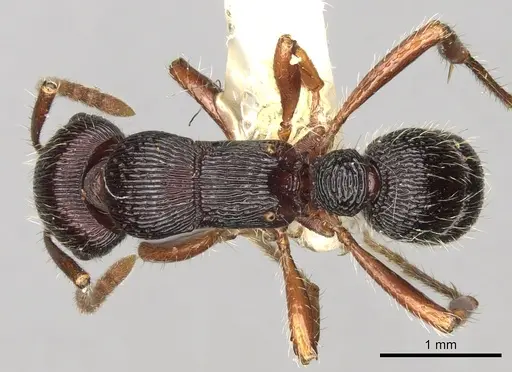
Literature
Loading...Loading products...