

Poneracantha lanei
- Scientific Name
- Poneracantha lanei
- Tribe
- Ectatommini
- Subfamily
- Ectatomminae
- Author
- Kempf, 1960
- Distribution
- Found in 1 countries
Poneracantha lanei Overview
Poneracantha lanei is an ant species of the genus Poneracantha. It is primarily documented in 1 countries , including Colombia. Detailed taxonomic data and occurrence records can be further explored via authoritative databases such as AntWeb or the Global Biodiversity Information Facility (GBIF).
Poneracantha lanei
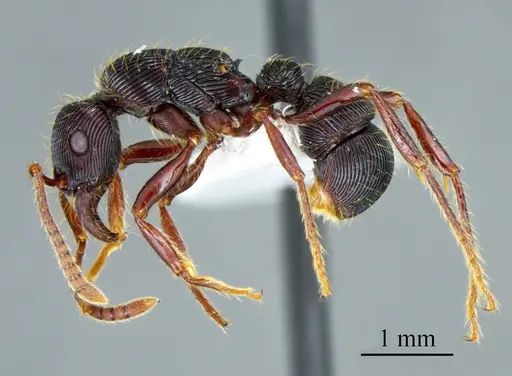
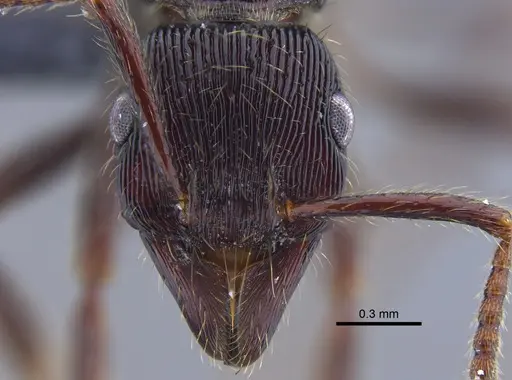
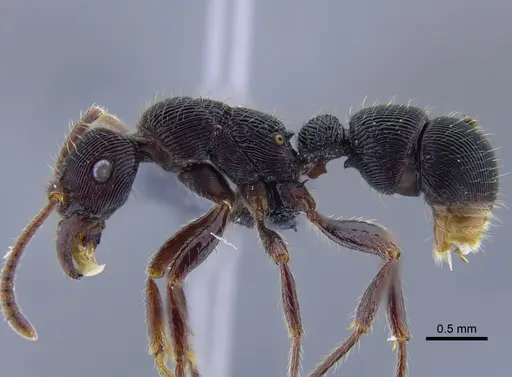
Poneracantha lanei is a small predatory ant species native to the Amazon basin and surrounding regions of Brazil, Colombia, and Ecuador. Workers are relatively small, measuring around 1.1mm in head width and 1.6mm in body length, with distinctive morphological features including an elongated petiolar node with transverse ridges, small propodeal teeth, and relatively small eyes [1][2]. This species belongs to the rastrata group, a cluster of Poneracantha species known for hunting millipedes, a specialized predatory niche within the ant world [3][2]. They inhabit lowland tropical rainforest areas at elevations around 150 meters above sea level [4][5].
Quick Summary
- Difficulty: Medium
- Origin & Habitat: Neotropical rainforest regions of Brazil, Colombia, and Ecuador, specifically found in the Amazon biome and Chocó regions at approximately 150m altitude [4][6].
- Colony Type: Colony structure is not well-documented in scientific literature. Based on typical Poneracantha patterns, likely single-queen colonies with moderate worker populations.
- Colony: Monogyne
- Founding: Semi-claustral
- Size & Growth:
- Queen: Undescribed in available literature, estimated based on genus patterns
- Worker: Workers measure approximately 1.1mm head width and 1.6mm Weber's length [1]
- Colony: Unknown, likely small to moderate based on typical Poneracantha colony sizes
- Growth: Moderate, estimated based on related species
- Development: Estimated 8-12 weeks based on typical Poneromorph development patterns at tropical temperatures (Development time is estimated, not directly studied for this species. Tropical species typically develop faster than temperate ones.)
- Antkeeping:
- Temperature: Keep at 24-28°C, they are tropical ants requiring warm conditions. A heating cable on one side of the nest can create a gentle gradient.
- Humidity: High humidity is essential, think damp rainforest floor. Keep the nest substrate consistently moist but not waterlogged. Provide a water tube for drinking access.
- Diapause: No, as a tropical species, they do not require hibernation. Maintain warm conditions year-round.
- Nesting: In captivity, Y-tong nests or plaster nests with good moisture retention work well. They prefer tight, humid chambers. Avoid dry, airy setups.
- Behavior: These ants are predatory millipede hunters, they actively hunt and subdue prey using their sting. Workers are moderately active foragers. They have a functional stinger and can deliver a painful sting if threatened. Escape prevention is important as they are small and agile. They are not aggressive toward humans but will defend the nest if disturbed.
- Common Issues: tropical temperature requirements mean colonies can struggle in cool rooms without heating, small size makes escape prevention critical, use fine mesh barriers, predatory diet means they need constant access to live protein prey, high humidity requirements can lead to mold if ventilation is poor, slow founding means new colonies need patience, queens may take months to raise first workers
Housing and Nest Setup
Poneracantha lanei requires a humid, well-structured nest environment. Y-tong (acrylic) nests or plaster nests work best because they hold moisture well and provide the tight chambers these ants prefer. The chambers should be appropriately sized for their small worker size, avoid large, open spaces. A water tube attached to the nest provides essential drinking access, as these ants need constant access to moisture. Line the outworld with a substrate like coconut fiber or soil to allow for natural foraging behavior. Escape prevention is critical due to their small size, use tight-fitting lids and fine mesh on any ventilation holes.
Feeding and Diet
As a member of the rastrata group, Poneracantha lanei is a specialized millipede hunter in the wild, but in captivity they will accept a variety of small live prey. Offer small insects like fruit flies, pinhead crickets, mealworms, and other appropriately-sized arthropods. Feed protein prey 2-3 times per week, removing any uneaten prey after 24 hours. Unlike some ants, they are not typically attracted to sugar sources, their diet is primarily predatory. Always ensure fresh water is available. [3][2]
Temperature and Humidity
These are tropical ants requiring warm, humid conditions. Maintain temperatures between 24-28°C, this is essential for colony health and brood development. A small heating cable placed on one side of the nest can create a gentle temperature gradient, allowing the ants to self-regulate. Humidity should be high (70-80%), the nest substrate should feel consistently damp but never waterlogged. Use a hygrometer to monitor conditions. Poor temperature control is one of the most common reasons Poneromorph colonies fail in captivity.
Colony Development and Growth
Poneracantha lanei colonies grow more slowly than many common ant species. A newly mated queen will take several months to raise her first workers (nanitics), expect around 8-12 weeks at optimal temperature, though this is estimated based on related species. The founding phase is semi-claustral, meaning the queen must leave the nest periodically to hunt for protein to feed herself and her brood. Once the first workers emerge, colony growth accelerates but remains moderate. Patience is essential with this species, do not disturb the founding chamber or overfeed during the early stages.
Behavior and Defense
Workers are active foragers that hunt individually for prey items. They possess a functional stinger and can deliver a painful sting if threatened or handled roughly. These ants are not aggressive toward humans but will defend their nest vigorously if disturbed. In the colony, they maintain clean nest chambers and typically dispose of waste outside the nest. Workers may live for several years, while the queen can live for over a decade in optimal conditions. The small worker size means they can squeeze through tiny gaps, excellent escape prevention is mandatory.
Frequently Asked Questions
How long does it take for Poneracantha lanei to produce first workers?
Expect 8-12 weeks at optimal temperature (24-28°C) for the first workers to emerge. This is an estimate based on related Poneracantha species, the exact timeline has not been directly studied for this species.
What do Poneracantha lanei ants eat?
They are predatory ants that need live protein prey. Offer small insects like fruit flies, pinhead crickets, and mealworms. They are not typically interested in sugar sources. Remove uneaten prey after 24 hours.
Do Poneracantha lanei ants sting?
Yes, they have a functional stinger and can deliver a painful sting if threatened or handled. They are not aggressive toward humans but will defend their nest if disturbed.
What temperature do Poneracantha lanei ants need?
Keep them at 24-28°C. These are tropical ants requiring warm conditions year-round. A heating cable on one side of the nest can help maintain appropriate temperatures.
Are Poneracantha lanei good for beginners?
No, they are considered intermediate to advanced. Their specific humidity needs, predatory diet, and temperature requirements make them more challenging than beginner species like Lasius or Messor.
How big do Poneracantha lanei colonies get?
Colony size is not well-documented but likely reaches small to moderate numbers (under 200 workers) based on typical Poneracantha colony sizes. Growth is relatively slow.
Do Poneracantha lanei need hibernation?
No, as a tropical species from the Amazon region, they do not require hibernation or winter cooling. Maintain warm conditions year-round.
What type of nest is best for Poneracantha lanei?
Y-tong (acrylic) nests or plaster nests work best because they hold moisture well. They prefer tight, humid chambers scaled to their small worker size.
Can I keep multiple Poneracantha lanei queens together?
Not recommended, combining unrelated queens of this species has not been documented. Based on typical Poneracantha behavior, they are likely single-queen colonies.
Why are my Poneracantha lanei dying?
Common causes include: temperatures below 24°C, low humidity, lack of protein prey, or disturbance during the founding phase. Check all three key parameters: warmth, humidity, and food. Also ensure escape prevention is adequate.
References

This caresheet is licensed under CC BY-SA 4.0 .
ANTWEB1041414
View on AntWeb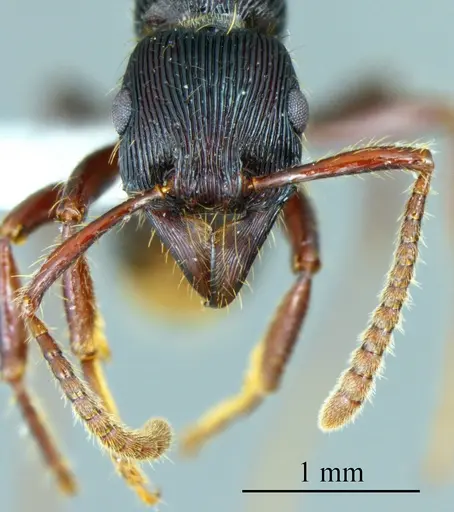
CBUMAGENT41770
View on AntWeb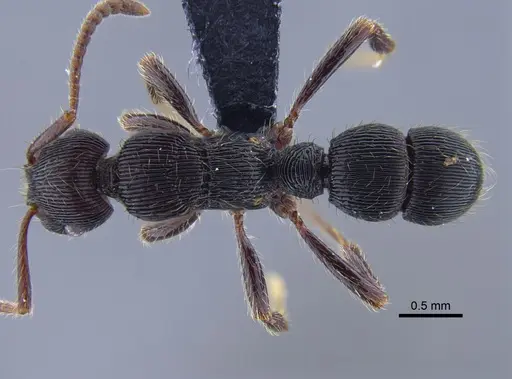
Literature
Loading...Loading products...