

Poneracantha ingeborgae
- Scientific Name
- Poneracantha ingeborgae
- Tribe
- Ectatommini
- Subfamily
- Ectatomminae
- Author
- Brown, 1993
- Distribution
- Found in 1 countries
Poneracantha ingeborgae Overview
Poneracantha ingeborgae is an ant species of the genus Poneracantha. It is primarily documented in 1 countries , including Colombia. Detailed taxonomic data and occurrence records can be further explored via authoritative databases such as AntWeb or the Global Biodiversity Information Facility (GBIF).
Poneracantha ingeborgae
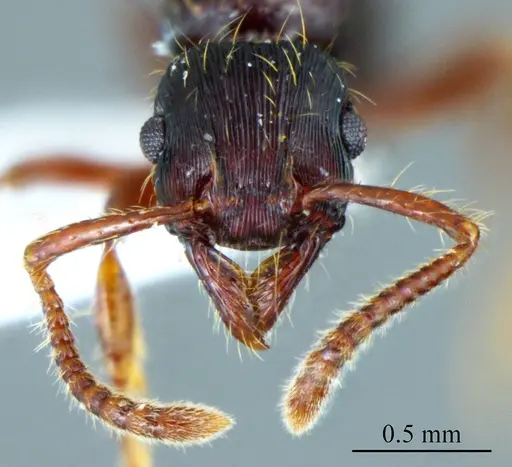
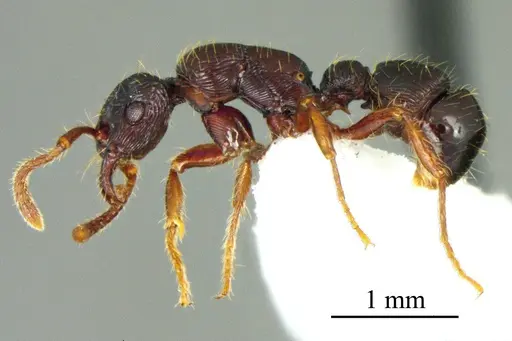
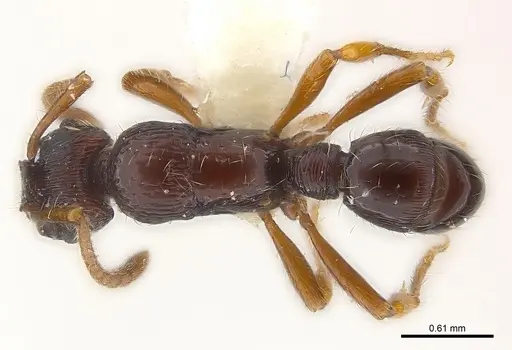
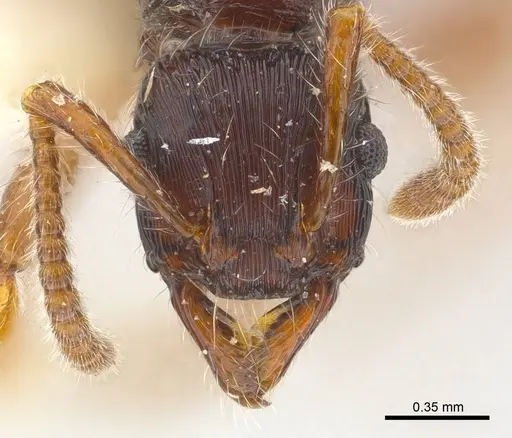
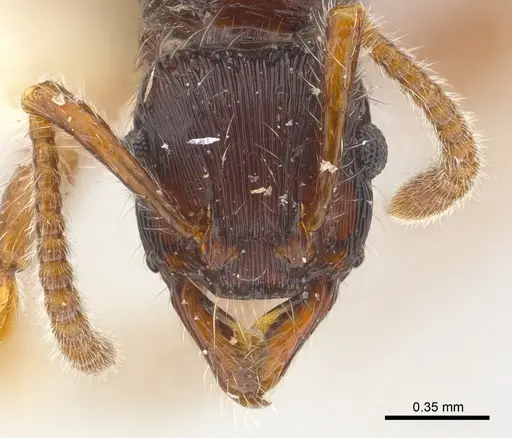
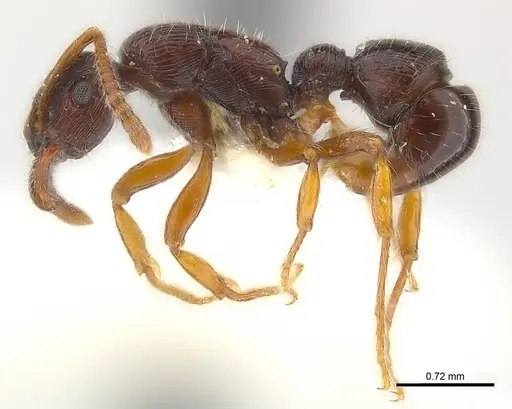
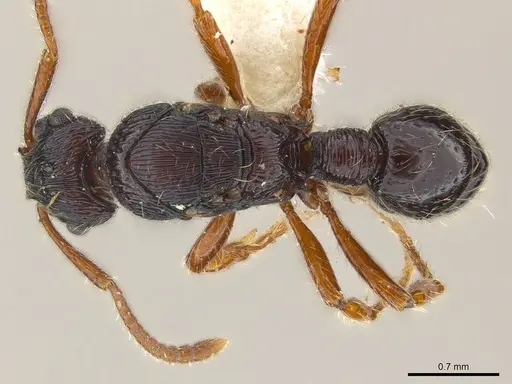
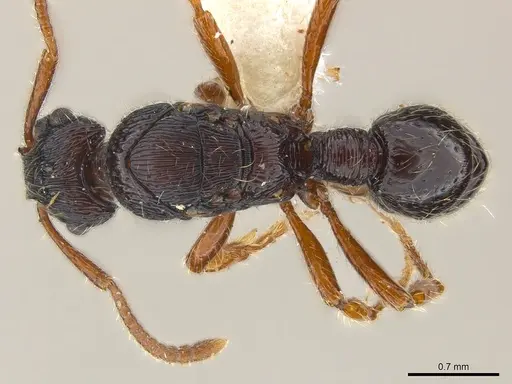
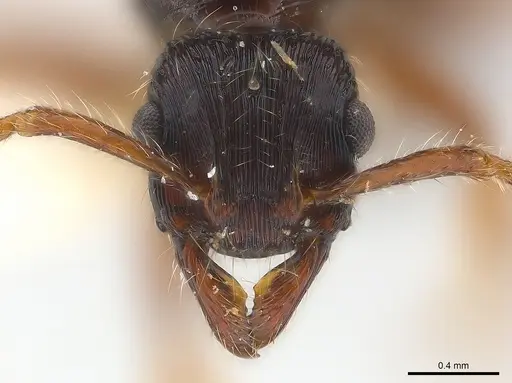
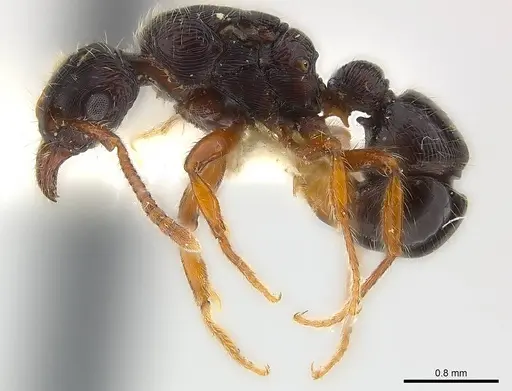
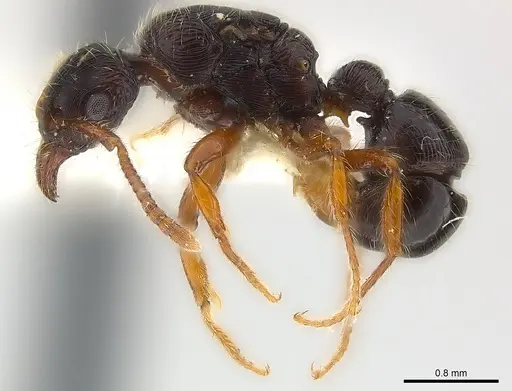
Poneracantha ingeborgae is a small predatory ant from the humid forests of Colombia, formerly known as Poneracantha ingeborgae. Workers measure 4.1-4.9mm with a distinctive reddish-brown coloration and longitudinally costulate (ridged) sculpture on the head and body. The mandibles have a denticulate (toothed) masticatory margin, and the eyes are large and protruding. This species is remarkable for its highly specialized diet, it is one of the few ants that exclusively hunts and feeds on millipedes, particularly polydesmid species like Oxidus gracilis. The colony type nest contained about 15 workers and a single queen, making this a relatively small colony species [1][2].
Quick Summary
- Difficulty: Expert
- Origin & Habitat: Humid forests in Colombia (Cundinamarca, Meta, Putumayo departments) at elevations around 1100m. Nests in decomposing wood on the forest floor [1][2][3].
- Colony Type: Single-queen colonies (monogyne). The type series nest had 15 workers and one queen [1][2].
- Colony: Monogyne
- Size & Growth:
- Queen: 4.7-5.8mm [4]
- Worker: 4.1-4.9mm [4]
- Colony: Small colonies, typically under 20 workers in observed nests [1]
- Growth: Slow
- Development: Unknown, no direct development data available. Based on typical Ponerine patterns, expect 8-12 weeks at warm temperatures. (Development timeline unconfirmed for this species. Related Ponerines typically take 2-3 months from egg to worker.)
- Antkeeping:
- Temperature: Keep at 22-26°C. This is a lowland tropical species from humid Colombian forests, avoid temperatures below 20°C or above 30°C.
- Humidity: High humidity required, these ants live in humid forest environments. Keep nest substrate consistently moist but not waterlogged. Provide a water source and mist occasionally.
- Diapause: No, as a tropical species from Colombia, they do not require hibernation. Maintain warm conditions year-round.
- Nesting: In captivity, provide a naturalistic setup with decaying wood pieces or a Y-tong/plaster nest with small chambers. They prefer tight, humid spaces similar to their natural rotten wood nesting sites.
- Behavior: This is a specialized predator with a potent stinger. Workers are active foragers that hunt millipedes using a stereotyped hunting sequence: they sting the prey, wait 10-60 minutes for defensive chemicals to dissipate, then transport the prey back to the nest. Workers remove the millipede's head first, then place larvae on the body to feed. They show aversion to some millipede defensive chemicals (quinone from julids) but are attracted to others (HCN, benzaldehyde, phenol from polydesmids). Escape risk is moderate, they are small but not extremely tiny. Use standard escape prevention.
- Common Issues: specialized diet makes feeding difficult, they require live millipedes or may refuse other prey, small colony size means slow population growth and high vulnerability to losses, tropical species requires warm, humid conditions year-round, stinging, while small, they have a functional stinger and may use it defensively, wild-caught colonies may arrive with parasites or fail to adapt to captivity
Feeding and Diet - The Millipede Specialist
This is the most critical aspect of keeping Poneracantha ingeborgae. They are obligate millipede predators and will likely refuse standard ant foods like sugar water, honey, or most insect prey. In the wild, they specialize on polydesmid millipedes, particularly Oxidus gracilis, but also accept julid millipedes. The hunting behavior is fascinating to observe: workers stalk millipedes, grasp them from behind, sting at an intersegmental membrane, then wait 10-60 minutes before transporting the prey. This waiting period likely allows defensive chemicals to dissipate. Once at the nest, workers decapitate the millipede and place larvae on the body to feed. For captivity, you will need a sustainable source of small millipedes (Oxidus or similar small polydesmids work best). Some keepers report success with other small live prey, but this species is notoriously difficult to feed. Do not rely on sugar sources, they are predators, not nectar feeders [5][6][4].
Nest Preferences and Housing
In the wild, Poneracantha ingeborgae nests in decomposing wood on the forest floor in humid, shaded areas of Colombian humid forests. The type series was collected from a small piece of rotten wood at about 1100m elevation. For captivity, a naturalistic setup works best, provide small pieces of decaying wood or cork bark placed on moist substrate. A Y-tong or plaster nest with small chambers can also work, but ensure humidity is kept high. The nest should have tight chambers scaled to their small size. Avoid dry conditions, these are forest floor ants from humid environments. Provide a water tube and keep the nest substrate moist. Because they are small and have specific humidity needs, test tube setups may be challenging to maintain long-term without drying out [1][2]
Temperature and Humidity Requirements
As a species from the humid forests of Colombia near the equator, Poneracantha ingeborgae requires warm, stable conditions. Keep temperatures in the 22-26°C range, avoid dropping below 20°C or exceeding 30°C. Room temperature is likely acceptable in most homes, but monitor during winter. Humidity is critical: they come from perpetually humid environments. Keep the nest substrate consistently moist but not waterlogged. Provide a water source and consider occasional misting. The combination of warmth and humidity is essential for colony health. Do not let the nest dry out. Unlike temperate species, they do not require any diapause or winter cooling, maintain tropical conditions year-round [1][2][3].
Behavior and Defense
Poneracantha ingeborgae workers are active foragers that hunt individually. They have a functional stinger and will use it defensively if threatened. The hunting behavior is highly specialized and ritualized: they approach millipedes deliberately, grasp them from behind, sting at an intersegmental membrane, then wait before processing the prey. This is not a frantic, aggressive ant, their movements are methodical and precise. Workers show interesting chemical recognition: they are attracted to the defensive chemicals (HCN, benzaldehyde, phenol) produced by polydesmid millipedes, which serve as kairomones (attraction signals). However, they show aversion to quinone-producing julid millipedes. This specialization makes them fascinating to observe but challenging to keep. They are not aggressive toward humans but will sting if handled roughly [6][4].
Colony Structure and Growth
Poneracantha ingeborgae forms small colonies. The type series nest contained only 15 workers plus a queen, brood, and some pupae. This is a relatively small colony size compared to many common ant species. Queens are slightly larger than workers (4.7-5.8mm vs 4.1-4.9mm) and were observed to lose their wings about a month after collection. Colony growth is likely slow, each millipede provides food for only a few larvae, and the specialized diet limits how quickly the colony can expand. Expect slow population growth. Multiple queens have not been reported in wild colonies, this appears to be a strictly monogyne (single-queen) species [1][2][4].
Frequently Asked Questions
What do Poneracantha ingeborgae ants eat?
They are specialized millipede predators. In captivity, you must provide live small millipedes (Oxidus gracilis or similar polydesmids work best). They will likely refuse sugar water, honey, seeds, or most insect prey. This is not a beginner-friendly feeding scenario, you need a sustainable millipede culture [5][6].
How difficult is Poneracantha ingeborgae to keep?
This is an expert-level species due to its specialized diet. You cannot keep them like typical ants, they require live millipedes, high humidity, and warm temperatures year-round. Only experienced antkeepers should attempt this species [4].
Do Poneracantha ingeborgae ants sting?
Yes, they have a functional stinger as members of the Ponerinae subfamily. However, they are small and their sting is not medically significant to humans. They will sting defensively if threatened or handled roughly [4].
How big do Poneracantha ingeborgae colonies get?
Small. The type series nest had only 15 workers. Wild colonies likely remain under 20-30 workers. This is not a species that produces massive colonies [1][2].
Can I keep multiple queens together?
No. This is a monogyne (single-queen) species. Multiple queens have not been documented in wild colonies. Do not attempt to combine unrelated queens [1].
Do they need hibernation?
No. As a tropical species from Colombia, they do not require diapause or winter cooling. Keep them warm (22-26°C) and humid year-round [1][3].
What temperature should I keep them at?
Keep them at 22-26°C. This is a lowland tropical species that does not tolerate cool temperatures. Avoid temperatures below 20°C [1][3].
How long does it take for eggs to become workers?
The exact development timeline is unconfirmed for this species. Based on related Ponerine ants, expect 8-12 weeks from egg to worker at warm temperatures. Development is likely slow given their specialized, protein-heavy diet [4].
What kind of nest should I use?
A naturalistic setup with decaying wood pieces on moist substrate works best, or a Y-tong/plaster nest with small chambers. They need high humidity and tight spaces. Avoid dry test tube setups, they will not tolerate drying out [1][2].
Where is Poneracantha ingeborgae from?
Colombia, specifically the departments of Cundinamarca, Meta, and Putumayo. They live in humid forests at around 1100m elevation and nest in decomposing wood on the forest floor [1][3][7].
References

This caresheet is licensed under CC BY-SA 4.0 .
Literature
Loading...Loading products...