

Ponera testacea
- Scientific Name
- Ponera testacea
- Tribe
- Ponerini
- Subfamily
- Ponerinae
- Author
- Emery, 1895
- Distribution
- Found in 16 countries
Ponera testacea Overview
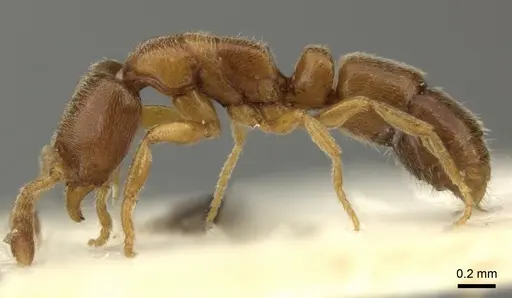
Ponera testacea is an ant species of the genus Ponera. It is primarily documented in 16 countries , including Belgium, Bulgaria, Switzerland. Detailed taxonomic data and occurrence records can be further explored via authoritative databases such as AntWeb or the Global Biodiversity Information Facility (GBIF).
Ponera testacea
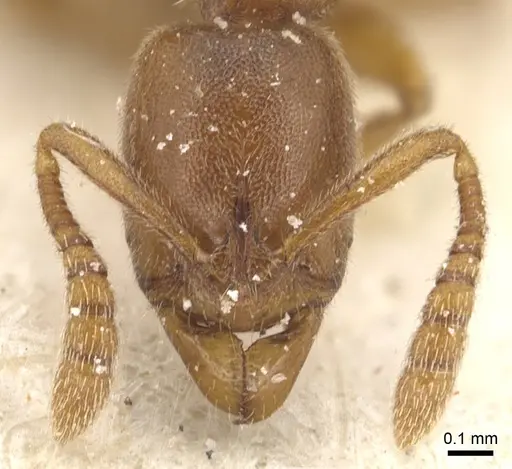
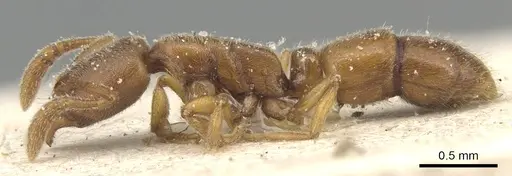
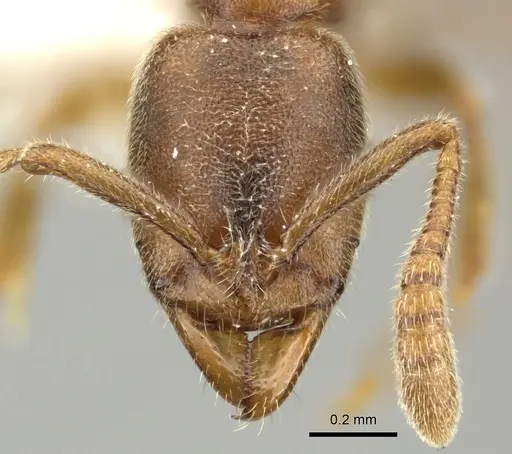
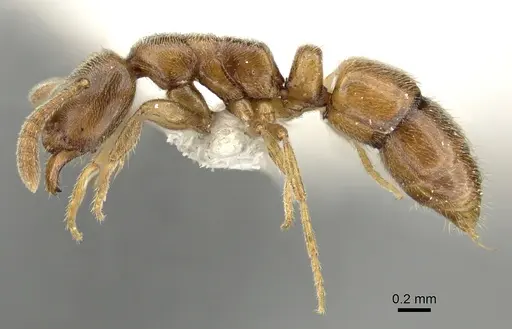
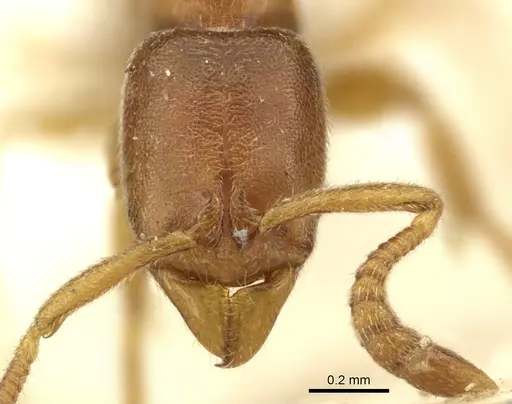
Ponera testacea is a tiny, slender ant native to the Mediterranean region and central Europe. Workers measure just 2.5-3.0mm and queens reach about 3.0mm, making them one of the smaller ant species kept in captivity [1]. They have a distinctive light yellowish to brownish-yellow color that sets them apart from their darker relative Ponera coarctata [2]. Their entire body is covered in thick decumbent hairs, and they have very small eyes with only 0-3 facets [3]. This species was once considered a variety of P. coarctata but was recognized as a separate species in 2003 due to subtle morphological and ecological differences [1].
What makes P. testacea special is its strong preference for warm, dry habitats. Unlike many ants that thrive in moist conditions, this species actively avoids shaded, moist woodlands and gravitates toward sunny grasslands on limestone, silicate rock, or sandy soils [4]. It lives in small colonies under stones and has a somewhat cryptic, subterranean lifestyle that makes wild colonies difficult to find [2]. The species also shows interesting color variation, western European populations tend to be pale brown or yellow, while eastern Anatolian populations can be much darker [5].
Quick Summary
- Difficulty: Medium
- Origin & Habitat: Mediterranean and central Europe, found in warm, dry open grasslands on limestone, silicate rock, or sand. Prefers sunny, xerothermous habitats and avoids shaded moist woodlands [4][1].
- Colony Type: Small colonies with single queen (monogyne). Forms small, somewhat nomadic colonies. Colonies are much smaller than P. coarctata, typically with fewer workers [6][7].
- Colony: Monogyne
- Size & Growth:
- Queen: 3.0mm average [1]
- Worker: 2.5-3.0mm average [1]
- Colony: Small colonies, likely under 100 workers based on related species and field observations [6][7]
- Growth: Moderate, inferred from typical Ponera development patterns
- Development: Estimated 6-10 weeks at optimal temperature based on genus patterns (Direct development data unavailable, typical for small Ponerinae in warm conditions)
- Antkeeping:
- Temperature: Keep at 22-26°C. This is a warmth-loving species that prefers warmer, drier conditions than P. coarctata. Provide a gentle temperature gradient [4]
- Humidity: Low to moderate, prefer dry to moderately damp conditions. Avoid overly humid setups. Keep substrate relatively dry, similar to their natural xerothermous grassland habitat [4][1]
- Diapause: Likely requires a cool period (8-10°C) during winter months, given their temperate European distribution. Reduce feeding and keep in an unheated room or cellar during winter [8]
- Nesting: Natural nesting: under stones in warm, sunny locations. In captivity, use a Y-tong or acrylic nest with dry to moderately moist substrate. Provide a small water tube but avoid excessive moisture. Keep nesting area warm and dry [9]
- Behavior: Very cryptic and shy. Workers are slow-moving and spend much time underground. They are not aggressive and rarely venture far from the nest. Their small size and subterranean habits make them difficult to observe. They have a sting but are too small to pose any threat to humans. Escape prevention is important due to their tiny size, use fine mesh barriers [6]
- Common Issues: colonies are very small and grow slowly, which can frustrate beginners expecting rapid growth, their cryptic lifestyle means you may rarely see workers outside the nest, overwatering is a common mistake, they prefer drier conditions than most ants, tiny size makes escape prevention critical, they can slip through standard mesh, wild-caught colonies may be difficult to find and establish in captivity
Housing and Nest Setup
Ponera testacea requires a warm, relatively dry setup that mimics their natural xerothermous grassland habitat. A Y-tong (acrylic) nest works well, or you can use a naturalistic setup with a flat stone placed on dry substrate. The key is keeping humidity lower than you would for most ants, these are not moisture-loving species. Provide a small water tube for drinking water, but the nest substrate should feel dry to slightly damp, never wet or waterlogged. Because they are tiny (workers are only 2.5-3mm), escape prevention must be excellent. Use fine mesh on any ventilation holes and ensure all connections are tight. A heating cable on one side of the nest can help maintain the warm temperatures they prefer, but avoid overheating, aim for 22-26°C in the nesting area. The outworld can be kept at room temperature. [4][1][9]
Feeding and Diet
Like other Ponera species, P. testacea is likely a predator that feeds on small soft-bodied invertebrates. In captivity, offer small live prey such as fruit flies, pinhead crickets, small mealworms, and other tiny insects. They are small predators and cannot tackle large prey. Based on their endogeous (subterranean) habits, they probably accept protein sources readily. Sugar water or honey may be accepted, but this is less certain, some Ponera species are primarily predatory. Offer protein prey once or twice weekly, and keep a sugar source available. Remove uneaten prey after 24-48 hours to prevent mold. Given their small colony size, offer appropriately small portions. [6]
Temperature and Seasonal Care
This is a warmth-loving species that actively seeks warmer microhabitats than its relative P. coarctata. Keep the nest at 22-26°C, with a slight gradient allowing workers to choose their preferred temperature. A heating cable placed on top of the nest (never underneath where it could dry out the substrate too quickly) works well. During winter, reduce temperatures to around 8-10°C for 2-3 months to simulate their natural seasonal cycle. This species originates from temperate Europe and the Mediterranean, so they do experience cooler winters in the wild. Reduce feeding during the cool period and keep them in an unheated room or cellar. Do not skip hibernation, it helps maintain colony health and may trigger reproductive behavior in spring. [4][1]
Behavior and Observation
Ponera testacea is one of the more cryptic ant species you can keep. Workers are slow-moving and spend much of their time underground or hidden under the nest's covering. They are not aggressive and will flee rather than confront threats. You may rarely see workers out in the open, this is normal for the species. Their colonies remain small (likely under 100 workers even in mature colonies), so you won't have the dramatic worker swarms seen in larger species. The queen is claustral, she seals herself in during founding and raises the first workers alone on her stored fat reserves. Workers are tiny (2.5-3mm) and can escape through remarkably small gaps. Excellent escape prevention is essential. Despite their small size, they have a sting but it is far too weak to penetrate human skin. [6][1][2]
Colony Establishment
Establishing a P. testacea colony can be challenging because they are rare in the wild and form small colonies. If you obtain a founding queen (claustral), keep her in a warm, dry test tube setup with a small water reservoir. The tube should be mostly dry, just a small water section at one end. Seal the queen in a dark chamber and leave her completely undisturbed for 4-6 weeks until the first workers emerge. Do not check on her daily, this disrupts founding. Once workers appear, you can slowly introduce them to a small outworld. Growth is slow compared to many ants, so patience is essential. Wild-caught colonies may be difficult to find due to their cryptic nature and preference for hidden microhabitats under stones in warm, dry locations. [1][9][2]
Frequently Asked Questions
How long does it take for Ponera testacea to produce first workers?
Based on typical Ponera development patterns, expect 6-10 weeks from egg to first worker at optimal temperature (22-26°C). This is slower than many common ant species, so patience is essential during founding.
Can I keep multiple Ponera testacea queens together?
This species is monogyne, they form single-queen colonies. Combining unrelated queens is not recommended and has not been documented in captivity.
Do Ponera testacea ants sting?
They have a sting but it is far too small to penetrate human skin. They are completely harmless to keepers.
What temperature do Ponera testacea need?
Keep them warm at 22-26°C. This is a warmth-loving species that prefers warmer conditions than its relative P. coarctata. A heating cable on one side of the nest creates a suitable gradient.
Are Ponera testacea good for beginners?
They are rated Medium difficulty. Their small size, slow growth, and specific humidity requirements make them more challenging than beginner species like Lasius. However, their small colony size and simple care needs can work for dedicated beginners willing to learn.
How big do Ponera testacea colonies get?
They remain small, likely under 100 workers even in mature colonies. This is one of the smaller ant species kept in captivity.
Do Ponera testacea need hibernation?
Yes, they likely require a cool winter period (8-10°C for 2-3 months) given their temperate European distribution. Reduce feeding and keep them in an unheated room during winter.
Why are my Ponera testacea not visible?
This is normal, they are cryptic, subterranean ants that spend most of their time hidden underground. They are not active foragers like some ants. This is typical behavior for the species, not a problem.
What do Ponera testacea eat?
They are predators that likely accept small live prey like fruit flies, pinhead crickets, and small insects. Sugar sources may be accepted but are less certain. Offer protein prey 1-2 times weekly.
When should I move Ponera testacea to a formicarium?
Wait until the colony reaches at least 20-30 workers. Until then, a simple test tube setup works well. When moving, ensure the new nest has similar warm, dry conditions.
References

This caresheet is licensed under CC BY-SA 4.0 .
ANTWEB1041370
View on AntWeb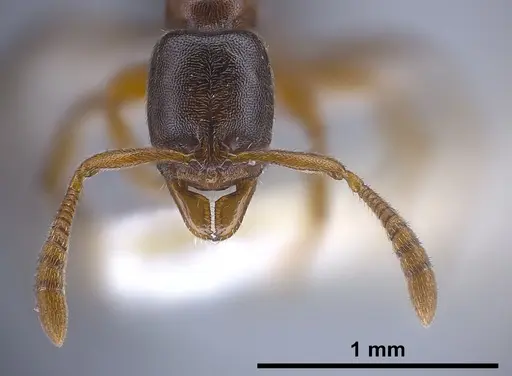
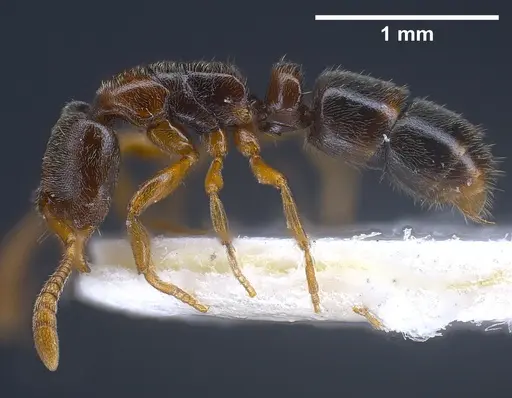
CASENT0008634
View on AntWeb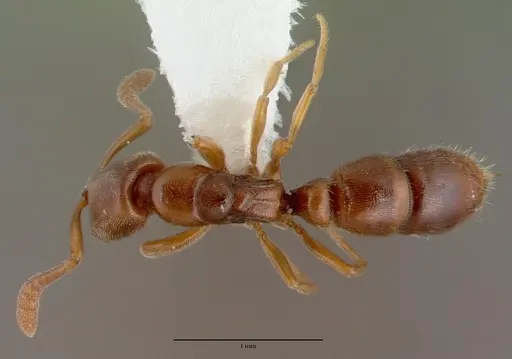
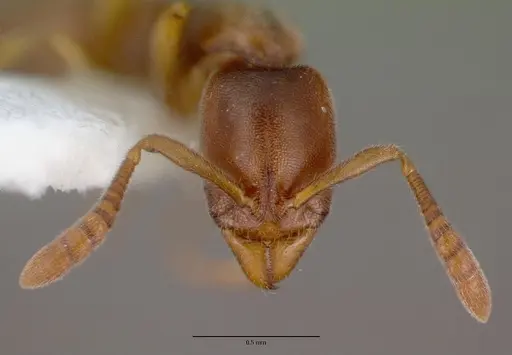
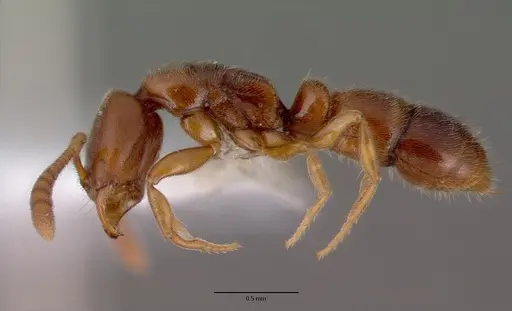
CASENT0903903
View on AntWeb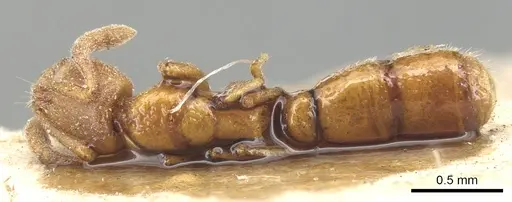
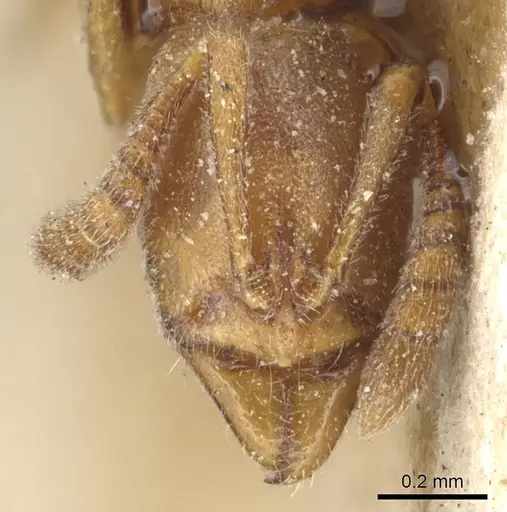
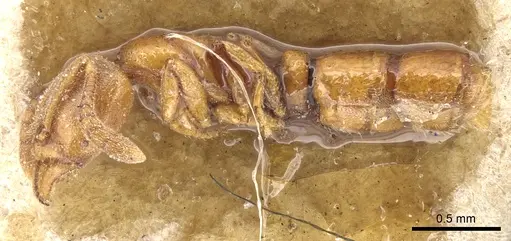
CASENT0903904
View on AntWeb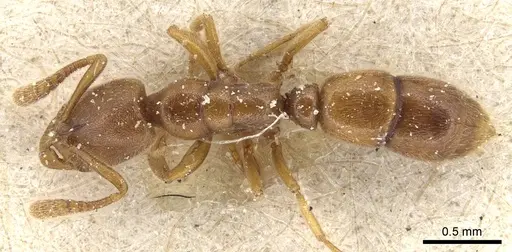
CASENT0906705
View on AntWeb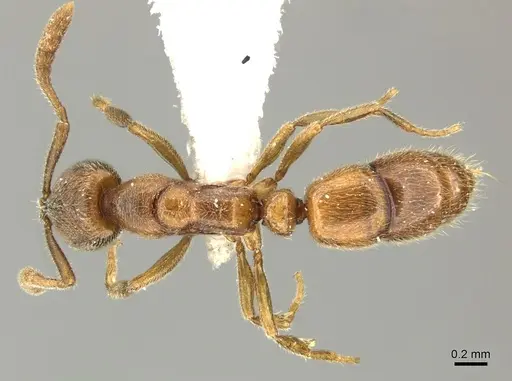
CASENT0906719
View on AntWeb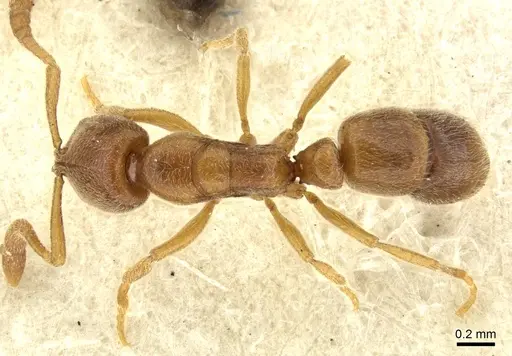
Literature
Loading...Loading products...