

Ponera szaboi
- Scientific Name
- Ponera szaboi
- Tribe
- Ponerini
- Subfamily
- Ponerinae
- Author
- Wilson, 1957
- Distribution
- Found in 3 countries
Ponera szaboi Overview
Ponera szaboi is an ant species of the genus Ponera. It is primarily documented in 3 countries , including Indonesia, Papua New Guinea, Wallis and Futuna. Detailed taxonomic data and occurrence records can be further explored via authoritative databases such as AntWeb or the Global Biodiversity Information Facility (GBIF).
Ponera szaboi
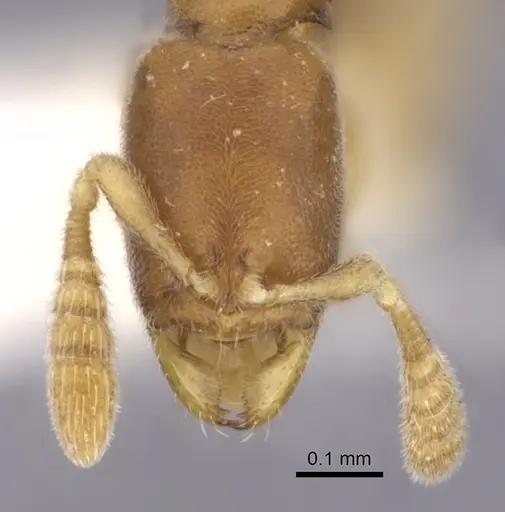
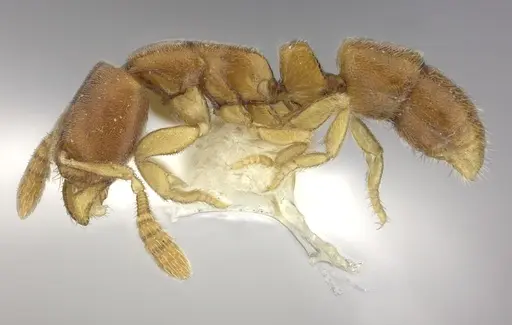
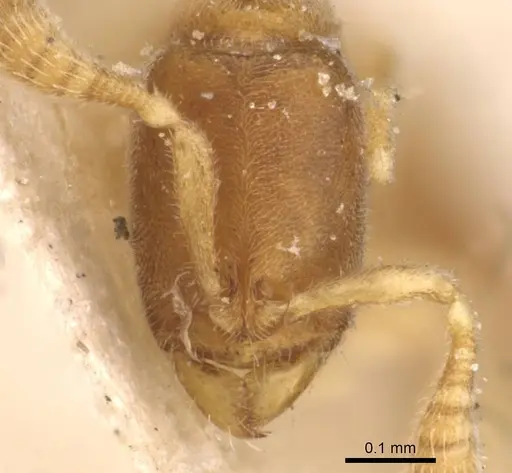
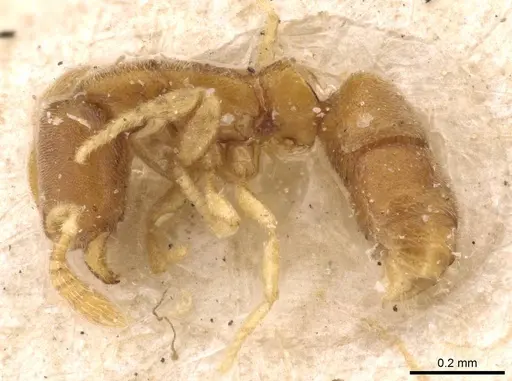
Ponera szaboi is an extremely tiny predatory ant species native to the Australasian region, found in New Guinea, the Solomon Islands, and Wallis and Futuna Islands. Workers measure just 0.30-0.31mm in head width, making them one of the smallest Ponera species [1]. They belong to the 'tenuis species group' characterized by a 4-segmented antennal club and the lack of a differentiated mesometanotal suture [1]. These ants live in primary lowland rain forest, where they are typically found as strays on the forest floor [1]. Their small size, yellowish-brown coloration, and massive 4-jointed antennal club help distinguish them from related species.
Quick Summary
- Difficulty: Expert
- Origin & Habitat: Native to the Australasian region, found in New Guinea, Solomon Islands (first recorded 1976 on Guadalcanal), and Wallis and Futuna Islands [2][1]. They inhabit primary lowland rain forest floors in coastal areas [3].
- Colony Type: Likely monogyne (single queen) based on typical Ponera patterns. Colony size is unknown but likely small, probably under 100 workers given their tiny size and the general pattern for Ponera species.
- Colony: Monogyne
- Founding: Claustral
- Size & Growth:
- Queen: Unknown, queen caste has not been described
- Worker: 0.30-0.31mm head width,0.40mm head length [1]
- Colony: Unknown, likely under 100 workers based on typical Ponera patterns
- Growth: Unknown, likely slow to moderate given their small size and tropical origin
- Development: Unknown, estimated 6-10 weeks based on typical Ponera development at tropical temperatures (No direct development data exists for this species. Estimates based on related Ponera species in tropical conditions)
- Antkeeping:
- Temperature: Keep warm at 24-28°C, these are tropical forest ants from lowland New Guinea [3]. Room temperature is likely adequate for most keepers.
- Humidity: High humidity required, think damp rain forest floor. Keep the nest substrate consistently moist but not waterlogged. Provide a water tube as a moisture source.
- Diapause: Unlikely, being a tropical species from lowland rain forest, they probably do not require a true diapause. However, a slight reduction in temperature during the 'dry' season may be beneficial.
- Nesting: Use a small, tight-fitting nest scaled to their tiny size. Test tubes with cotton-plugged water reservoirs work well, or small acrylic nests with narrow chambers. They prefer dark, humid environments.
- Behavior: These are tiny, cryptic ants that likely live in small colonies in the wild. They are predatory on small invertebrates, as is typical for Ponera. Workers probably forage singly on the forest floor. Their tiny size makes them vulnerable and escape prevention is critical, they can squeeze through the smallest gaps. They are not aggressive and likely avoid confrontation with larger ants. Sting is not significant due to their minute size.
- Common Issues: their extremely small size makes escape prevention critical, even standard test tube setups may have gaps, no biological data exists, keepers are essentially pioneering captive husbandry, humidity control is challenging, too wet causes drowning, too dry causes desiccation, predatory diet means they need live prey, difficult to source appropriate tiny food, colony size is likely very small, making them vulnerable to stress, no confirmed information on founding behavior or queen requirements
Housing and Nest Setup
Because Ponera szaboi is among the smallest ants in the Ponera genus, housing requires careful attention to scale. Use test tubes with small diameters or acrylic nests with narrow chambers designed for tiny species. The nest should be dark, these forest floor ants prefer dim conditions. A water tube with cotton plug provides humidity, but ensure the water chamber is not too large to avoid drowning risks. Cover the nest with a dark cloth to reduce light exposure. Escape prevention must be excellent, even the tiniest gaps in tubing or lid seals can allow escape. Fluon applied to the rim of test tubes or formicarium edges helps create a barrier. [1][3]
Feeding and Diet
Ponera szaboi is predatory, like other Ponera species. They likely hunt small invertebrates on the forest floor in the wild. In captivity, offer small live prey such as springtails, fruit fly larvae, or other tiny arthropods. The prey must be small enough for these minute workers to tackle, items larger than themselves will be ignored. Sugar sources are unlikely to be accepted given their predatory nature. Some keepers report that Ponera species will accept tiny pieces of insects, but live prey should form the core of their diet. Feed small amounts every few days and remove uneaten prey to prevent mold. [3]
Temperature and Humidity
These are tropical lowland rain forest ants from New Guinea, so they need warm, humid conditions. Keep temperatures in the 24-28°C range, room temperature is likely suitable for most keepers. Humidity should be high, mimicking the damp forest floor environment. The nest substrate should feel consistently moist but never waterlogged. A water tube provides a constant humidity source. Avoid placing the nest near heating elements that could dry it out. Ventilation should be minimal to retain humidity, but some airflow prevents mold buildup. [3]
Colony Founding and Growth
No specific information exists about how Ponera szaboi queens found colonies. Based on typical Ponera patterns, the queen likely seals herself in a small chamber and raises the first workers alone on stored body fat (claustral founding). The first workers (nanitics) will be very small, matching the minute adult size. Colony growth is likely slow, small colonies of this genus typically remain under 100 workers even when mature. Patience is essential, as these ants will not produce large colonies quickly. Do not disturb the founding chamber unnecessarily. [1]
Challenges and Why This Species is Expert-Level
Ponera szaboi is not a beginner species for several important reasons. First, absolutely no captive husbandry information exists, you are essentially pioneering keeping this species in captivity. Second, their extreme tiny size creates practical challenges: escape prevention is difficult, finding appropriately small prey is challenging, and they are vulnerable to environmental stress. Third, their tropical origin means they need year-round warmth and humidity without seasonal cycling. Fourth, the lack of any biological data means you cannot rely on established care protocols. Only experienced antkeepers should attempt this species, and only those willing to experiment and document their findings. [1][3]
Frequently Asked Questions
How long does it take for Ponera szaboi to produce first workers?
The exact timeline is unknown. Based on typical Ponera development in tropical conditions, expect 6-10 weeks from egg to first worker. However, this is purely an estimate, no specific development data exists for this species.
Can I keep Ponera szaboi in a test tube setup?
Yes, test tubes can work, but you must use excellent escape prevention. Their tiny size means they can squeeze through gaps that larger ants cannot. Apply Fluon to the rim and check all connections carefully. Use a small-diameter tube if possible.
What do Ponera szaboi eat?
They are predatory and likely eat small invertebrates. Offer tiny live prey such as springtails, fruit fly larvae, or other micro-arthropods. Sugar sources are unlikely to be accepted. The prey must be appropriately sized for these minute ants.
Are Ponera szaboi good for beginners?
No. This species is not suitable for beginners. There is no captive husbandry information available, their tiny size creates practical difficulties, and they require specific conditions that are challenging to maintain. This is an expert-level species for experienced antkeepers willing to experiment.
How big do Ponera szaboi colonies get?
The maximum colony size is unknown. Based on typical Ponera patterns and their very small worker size, colonies likely remain small, probably under 100 workers even when mature.
Do Ponera szaboi need hibernation?
No. Being tropical lowland rain forest ants from New Guinea, they do not require hibernation. Keep them warm year-round at 24-28°C.
Where is Ponera szaboi found in the wild?
They are native to the Australasian region, specifically New Guinea, the Solomon Islands (Guadalcanal), and Wallis and Futuna Islands. They live in primary lowland rain forest on the forest floor.
How do I set up humidity for Ponera szaboi?
Keep the nest substrate consistently moist but not waterlogged. A water tube with a cotton plug provides a constant moisture source. The goal is damp conditions similar to a forest floor, think moist soil, not wet swamp. Check regularly and rehydrate when the substrate surface dries.
Can I keep multiple Ponera szaboi queens together?
This has not been studied. Based on typical Ponera patterns, they are likely single-queen (monogyne) species. Do not attempt combining unrelated queens, there is no information about whether they tolerate this.
References

This caresheet is licensed under CC BY-SA 4.0 .
CASENT0249232
View on AntWeb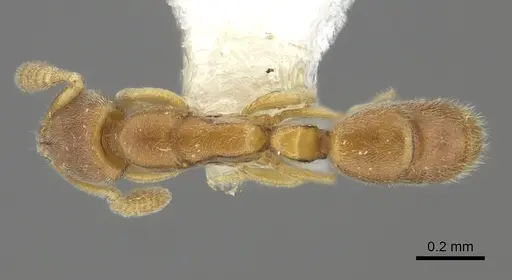
CASENT0907297
View on AntWeb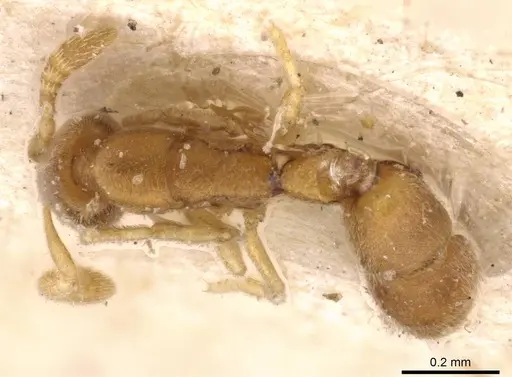
Literature
Loading...Loading products...