

Ponera menglana
- Scientific Name
- Ponera menglana
- Tribe
- Ponerini
- Subfamily
- Ponerinae
- Author
- Xu, 2001
- Distribution
- Found in 2 countries
Ponera menglana Overview
Ponera menglana is an ant species of the genus Ponera. It is primarily documented in 2 countries , including China, Lao People's Democratic Republic. Detailed taxonomic data and occurrence records can be further explored via authoritative databases such as AntWeb or the Global Biodiversity Information Facility (GBIF).
Ponera menglana
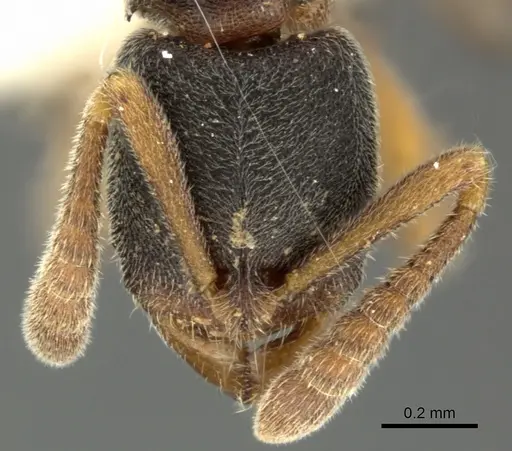
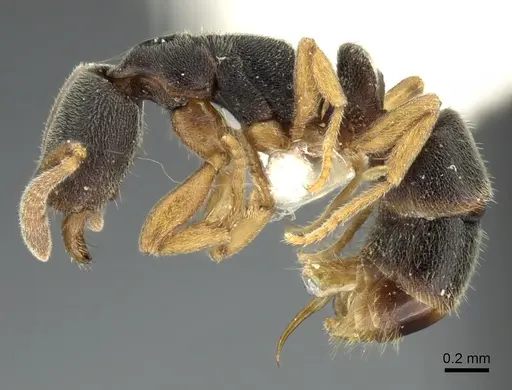
Ponera menglana is a tiny predatory ant native to southern China and Singapore. Workers measure just 2.7-3.1mm and are entirely black with yellowish-brown mandibles, antennae, and leg tips. This species was described in 2001 and is closely related to Ponera sinensis but grows larger. They inhabit seasonal rain forests and karst monsoon forests, with a strong preference for limestone forest habitats where they reach their highest abundance [1]. Like other Ponera species, these are cryptic ground-nesters that build their nests in soil and leaf litter, making them challenging but rewarding to keep.
Quick Summary
- Difficulty: Medium
- Origin & Habitat: Endemic to Yunnan Province, China and Singapore. Found in seasonal rain forest and karst monsoon forest at elevations of 660-730m. Shows strong preference for limestone forest over rubber plantations [1][2].
- Colony Type: Likely monogyne (single queen) based on typical Ponera patterns. Colonies remain small, likely under 100 workers given their tiny size.
- Colony: Monogyne
- Founding: Claustral
- Size & Growth:
- Queen: Undescribed but estimated 4-5mm based on worker size and genus patterns
- Worker: 2.7-3.1mm [3]
- Colony: Likely under 100 workers based on genus patterns and small worker size
- Growth: Slow, typical for small ponerine ants
- Development: Estimated 8-12 weeks based on typical Ponera development at warm temperatures (Development is likely slow given their small size and cryptic lifestyle)
- Antkeeping:
- Temperature: Keep at 22-26°C. They inhabit warm tropical forests but avoid excessive heat.
- Humidity: High humidity required, think damp forest floor. Keep nest substrate consistently moist but not waterlogged.
- Diapause: Likely no true diapause given tropical distribution, but may reduce activity in cooler months
- Nesting: Use a naturalistic setup with moist soil/leaf litter or a Y-tong/plaster nest with high humidity. They nest in soil so a dirt-based formicarium works well.
- Behavior: Very cryptic and secretive. Workers are slow-moving and spend most of their time underground. Non-aggressive and rarely seen on the surface. Escape risk is low due to small colony size, but their tiny size means standard escape prevention still matters. They are predators, hunting small soil arthropods.
- Common Issues: high humidity maintenance is critical, they die quickly in dry conditions, slow growth tests patience, colonies may take months to reach 20 workers, small size makes them easy to overfeed or lose track of, wild-caught colonies may be difficult to establish due to stress, rubber plantations are uninhabitable, they need intact forest habitat
Housing and Nest Setup
Ponera menglana requires high humidity and a naturalistic approach. A dirt-based formicarium or a Y-tong nest with moist substrate works best. They naturally nest in soil and leaf litter, so provide a deep layer of moist soil (at least 5cm) with some leaf litter on top. The nest chambers should be small and confined, these tiny ants feel secure in tight spaces. Avoid dry acrylic nests unless you can maintain very high humidity inside. A test tube setup can work for founding colonies if the cotton stays damp, but transfer to a naturalistic setup once the colony reaches 10+ workers. Keep the outworld simple with minimal vertical space since they rarely forage far from the nest. [1][3]
Feeding and Diet
As predators, Ponera menglana needs live protein prey. Feed small live insects like fruit flies, pinhead crickets, and small mealworms. They will also accept dead prey if moved to the nest entrance. Since they are tiny, prey items should be appropriately sized, no larger than their head. Feed every 3-5 days, removing uneaten prey to prevent mold. Sugar water is rarely accepted by Ponera species, but you can offer a tiny drop occasionally. The key is protein: they need a constant supply of small live prey to raise brood successfully. [3]
Temperature and Humidity
Maintain temperatures between 22-26°C. They come from warm tropical forests in Yunnan and Singapore, so they need consistent warmth. A heating cable on one side of the nest creates a gradient they can choose from. Humidity is critical, keep the nest substrate consistently moist like damp forest soil. The substrate should feel damp to the touch but not have standing water. Mist the outworld occasionally but focus on maintaining moisture in the nest area. Poor humidity quickly kills these ants. [1]
Colony Development
Expect slow growth. A newly mated queen will lay eggs and raise the first workers entirely alone, living off her stored fat reserves (claustral founding). The first workers (nanitics) will be tiny and may take 2-3 months to emerge. After that, growth remains gradual, expect another 2-3 months per batch of workers. A mature colony likely reaches only 50-80 workers. This slow pace is normal for Ponera species. Do not overfeed or disturb the colony during founding. Patience is essential. [3]
Behavior and Observation
These ants are extremely cryptic. You will rarely see workers out in the open, they spend most of their time in the nest or just below the surface of the substrate. When they do forage, it is slow and deliberate. They are not aggressive and have no functional sting at this size (though they can bite). Do not expect the dramatic foraging activity seen in larger ants like Camponotus. The reward for keeping Ponera is observing their quiet, purposeful work, watching a tiny worker tend to larvae in a humid nest chamber is a unique experience. [3]
Frequently Asked Questions
How long does it take for Ponera menglana to produce first workers?
Expect 8-12 weeks from egg to first worker at optimal temperature (around 24°C). This is typical for small Ponera species.
What do Ponera menglana ants eat?
They are predators that need live protein. Feed small live insects like fruit flies, springtails, or tiny mealworms. Remove uneaten prey after 24 hours.
Can I keep Ponera menglana in a test tube?
Test tubes work for founding colonies if you maintain high humidity, but transfer to a naturalistic or Y-tong setup once the colony reaches 10+ workers.
Are Ponera menglana good for beginners?
They are challenging due to their need for high humidity and slow growth. Not recommended as a first ant but manageable for intermediate keepers.
How big do Ponera menglana colonies get?
Colonies likely stay small, probably under 100 workers. This is typical for the genus.
Do Ponera menglana need hibernation?
No, they come from tropical regions in southern China and Singapore and do not require a diapause period.
Why are my Ponera menglana dying?
The most common cause is low humidity. They need consistently moist substrate. Also check that prey items are small enough and that the colony is not being disturbed during founding.
When should I move Ponera menglana to a formicarium?
Move them when the test tube becomes crowded or shows mold. A naturalistic setup with moist soil works best.
Can I keep multiple Ponera menglana queens together?
Not recommended. Unlike some ants, Ponera queens typically found colonies alone. Combining unrelated queens has not been documented and likely leads to fighting.
References

This caresheet is licensed under CC BY-SA 4.0 .
ANTWEB1060521
View on AntWeb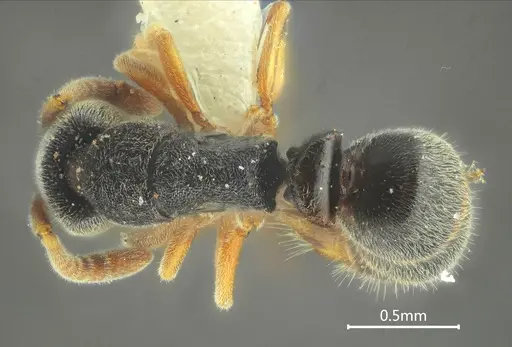
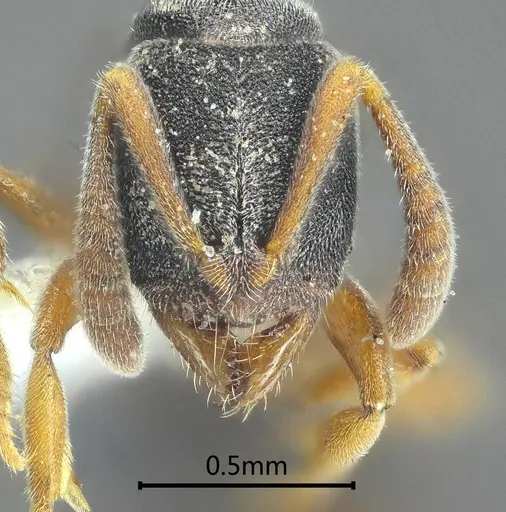
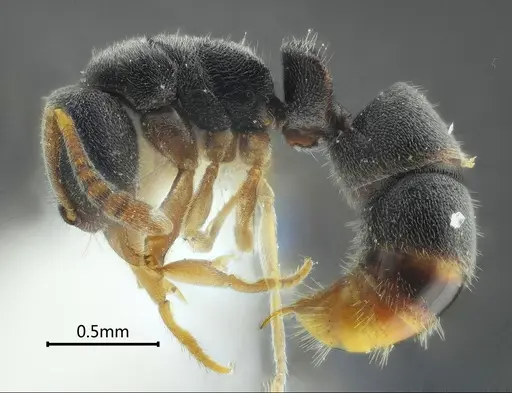
CASENT0235336
View on AntWeb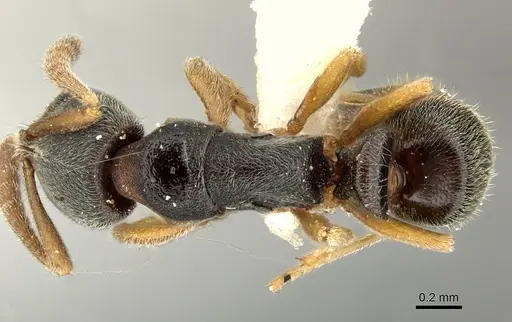
Literature
Loading...Loading products...