

Ponera leae
- Scientific Name
- Ponera leae
- Tribe
- Ponerini
- Subfamily
- Ponerinae
- Author
- Forel, 1913
- Common Name
- Blind Crypt Ant
- Distribution
- Found in 4 countries
Ponera leae Overview
Ponera leae (commonly known as the Blind Crypt Ant) is an ant species of the genus Ponera. It is primarily documented in 4 countries , including Australia, New Caledonia, Norfolk Island. Detailed taxonomic data and occurrence records can be further explored via authoritative databases such as AntWeb or the Global Biodiversity Information Facility (GBIF).
Ponera leae - "Blind Crypt Ant"
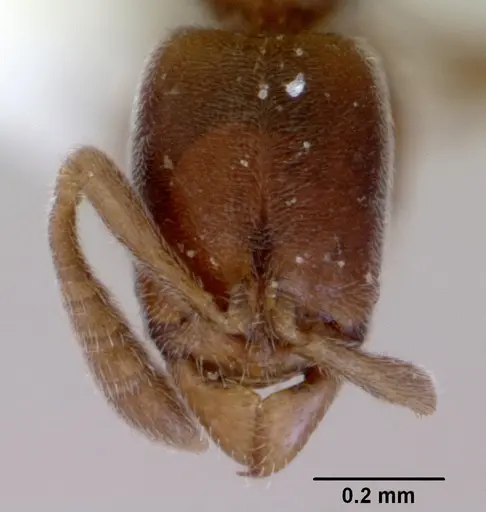
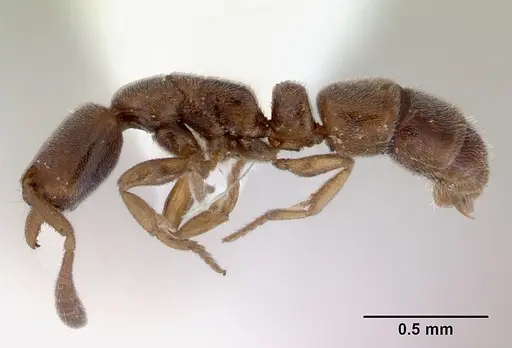
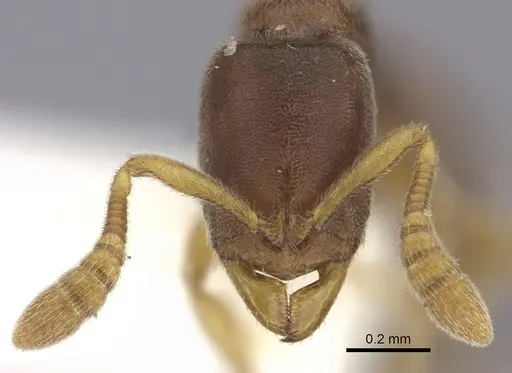
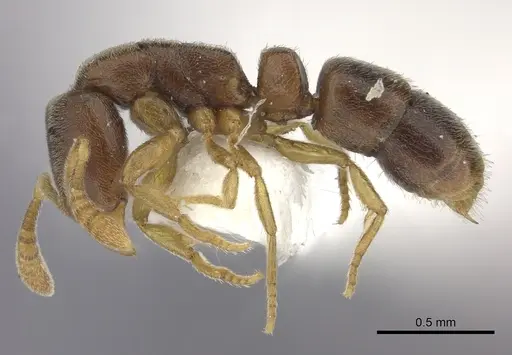
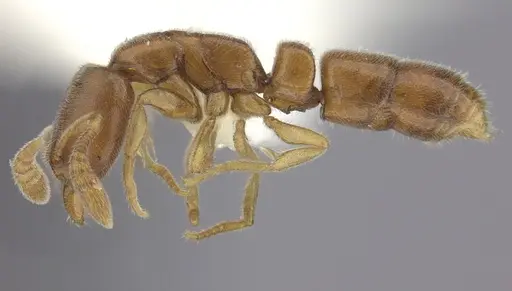
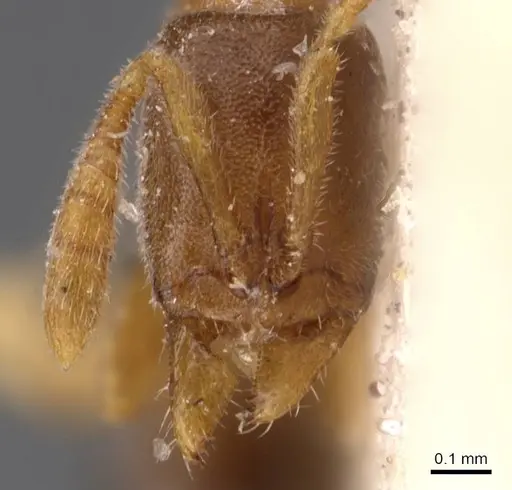
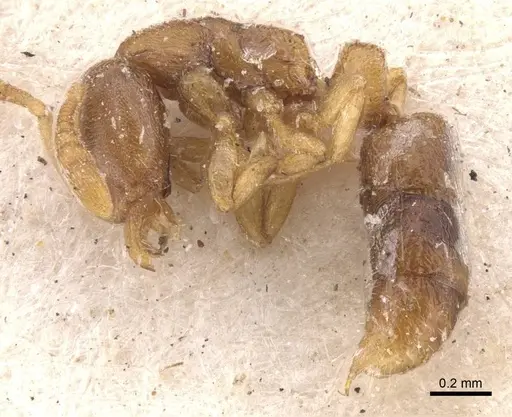
Hypoponera leae is a small, cryptic ant species native to eastern Australia, Tasmania, and nearby Pacific islands. Workers measure just 2.5mm in total length, making them one of the smaller ant species you'll encounter [1]. They have a distinctly 4-segmented antennal club and a massive, almost semicircular petiolar node when viewed from above [1]. Their body color ranges from medium to dark reddish-brown, and they possess minute eyes with only a single facet [2]. This species is remarkably adaptable, found everywhere from dry sclerophyll woodlands to rainforests, and even in pine plantations [3]. Colonies are generally small, and workers forage singly on the forest floor during the day. When disturbed, these ants roll up and feign death, a common defensive behavior in the Ponera genus [3]. While native throughout most of Australia, they have almost certainly been introduced to New Zealand and Norfolk Island via soil ballast from European ships [1].
Quick Summary
- Difficulty: Medium
- Origin & Habitat: Eastern Australia (Queensland, NSW, Victoria, Tasmania), with introduced populations in New Caledonia, Norfolk Island, and New Zealand. Found in diverse habitats from dry sclerophyll woodlands to rainforest, including pine plantations. Nests in leaf litter, rotten wood, and under stones [3][1].
- Colony Type: Likely monogyne (single queen colonies). Colony size is small, typical for the genus. Queens are typical for Ponera [1].
- Colony: Monogyne
- Founding: Semi-claustral
- Size & Growth:
- Queen: Approximately 3-4mm (estimated based on genus patterns)
- Worker: 2.5mm total length, HW 0.37-0.44mm [1][2]
- Colony: Small colonies, likely under 100 workers based on typical Ponera patterns
- Growth: Moderate, typical for Ponerinae
- Development: Estimated 6-10 weeks at optimal temperature based on related Ponera species (Worker pupae are enclosed in cocoons, which is typical for the genus [1])
- Antkeeping:
- Temperature: Keep at 20-24°C. They tolerate a range from cool (highland rainforest populations) to warmer conditions. Room temperature is likely suitable for most keepers.
- Humidity: Moderate to high. In nature they inhabit forest floor environments with leaf litter and rotting wood. Keep substrate consistently moist but not waterlogged.
- Diapause: Likely requires a cool period during winter, given their southern Australian and Tasmanian origin. Reduce feeding and keep at 10-15°C for 2-3 months.
- Nesting: Prefers humid, enclosed spaces. A naturalistic setup with soil/leaf litter or a Y-tong/plaster nest works well. They nest under stones and in rotting wood in the wild [3].
- Behavior: These are cryptic, slow-moving ants that spend most of their time in enclosed spaces. Workers forage individually on the forest floor, hunting small prey. They are not aggressive and will feign death when disturbed rather than attack. Escape risk is low, they are small but not particularly fast or inclined to climb. As Ponerinae, they have a functional stinger, though they rarely use it defensively.
- Common Issues: small colony size means slow population growth, don't expect rapid expansion, wild-caught colonies may be stressed or contain parasites, they prefer dark, enclosed spaces, too much light may stress them, humidity control is important, too dry and they decline, too wet and mold becomes an issue, they are cryptic and not particularly active, this is normal, not a sign of problems
Housing and Nest Setup
Hypoponera leae does well in a naturalistic setup that mimics their forest floor habitat. A setup with a soil layer topped with leaf litter and pieces of rotting wood gives them the dark, humid microhabitats they prefer. You can also use a Y-tong (AAC) or plaster nest with a water reservoir to maintain humidity. Because they are small and cryptic, avoid bright lighting near the nest area. They do best with a connection to an outworld where they can forage, a simple setup with a test tube nest connected to a foraging area works well. Keep the nest area humid but ensure some ventilation to prevent mold. [1][3]
Feeding and Diet
As predators, Hypoponera leae workers hunt small invertebrates on the forest floor. In captivity, they accept small live prey like springtails, fruit flies, and other tiny insects. Offer protein foods 2-3 times per week, removing any uneaten prey after 24 hours. While they are primarily predatory, you can occasionally offer a drop of diluted honey or sugar water, though acceptance is variable. The key is offering appropriately-sized live prey, these ants are too small to take down larger insects. Their small colony size means they don't need large quantities of food. [3]
Temperature and Seasonal Care
Keep your Hypoponera leae colony at room temperature, ideally 20-24°C. They are adaptable and can tolerate temperatures from around 15°C up to 26°C. Given their southern Australian and Tasmanian origin, they benefit from a winter cool period. From late autumn through early spring, reduce temperatures to 10-15°C and reduce feeding frequency. This simulates their natural seasonal cycle and helps maintain colony health. During this period, they will be less active and consume less food. Do not feed them heavily during diapause, a small offering once every 2-3 weeks is sufficient. [1]
Behavior and Handling
Hypoponera leae workers are slow-moving and cryptic by nature. They are not aggressive and will typically roll into a ball and feign death when disturbed, this is a common defensive behavior in the Ponera genus [3]. They forage individually rather than in trails, hunting small prey among leaf litter and decaying material. Workers are small (2.5mm) but their stocky build and dark coloration makes them easier to spot than many other cryptic ants. They are not escape artists and don't climb smooth surfaces aggressively, so standard barrier methods are sufficient. Because they are naturally secretive, don't be alarmed if you don't see much activity, this is normal for the species.
Colony Growth and Development
Hypoponera leae colonies remain relatively small even at maturity, typically under 100 workers. This is typical for the genus. Growth is moderate, don't expect the rapid expansion you might see with faster-growing species like Lasius or Tetramorium. Worker pupae are enclosed in cocoons [1], which is worth noting if you ever see what appears to be a 'cocoon' in the nest. The first workers (nanitics) will be smaller than mature workers and the colony should be allowed to grow naturally without intervention. Be patient, small colony size is a characteristic of this species, not a sign of problems.
Frequently Asked Questions
How long does it take for Ponera leae to produce first workers?
Expect 6-10 weeks from egg to first worker at room temperature (20-24°C). This is typical for Ponera species and reflects their moderate development speed. Growth is slower than many common ant species, so patience is required.
Can I keep Ponera leae in a test tube setup?
Yes, a test tube setup can work, but you need to maintain high humidity. These ants naturally inhabit humid forest floor environments. Use a test tube with a water reservoir and provide a dark covering. However, a naturalistic setup with soil and leaf litter often yields better results because it mimics their natural habitat.
How big do Ponera leae colonies get?
Colonies remain small, typically under 100 workers at maturity. This is characteristic of the genus, not a sign that something is wrong. They are not a large, impressive species but rather a fascinating one to observe for their cryptic behavior.
What do Ponera leae eat?
They are predators that hunt small invertebrates. In captivity, offer small live prey like springtails, fruit flies, and tiny crickets. You can occasionally offer sugar water or honey, though protein-rich live food is preferred. Remove uneaten prey within 24 hours.
Do Ponera leae need hibernation?
Yes, given their Australian origin, they benefit from a winter cool period. Reduce temperature to 10-15°C for 2-3 months during winter and reduce feeding. This mimics their natural seasonal cycle in Tasmania and southern Australia.
Are Ponera leae good for beginners?
They are moderate difficulty. Their small size and cryptic nature require some attention to humidity and housing, but they are not aggressive and don't have complex requirements. They are best suited for keepers who appreciate subtle, interesting behavior rather than large, active colonies.
Why is my Ponera leae colony so small?
Small colony size is normal for this species. Hypoponera leae naturally forms small colonies, typically under 100 workers. They are not a fast-growing species. If workers are dying, check humidity levels and ensure you are offering appropriate-sized live prey.
Can I keep multiple queens together?
This is not recommended and has not been documented for this species. Ponera colonies are typically single-queen (monogyne). Combining unrelated queens would likely result in aggression.
Where is Ponera leae native to?
Eastern Australia (Queensland, NSW, Victoria, Tasmania). They have been introduced to New Zealand, Norfolk Island, and New Caledonia, likely via soil ballast from European ships in the 19th-20th centuries [1].
References

This caresheet is licensed under CC BY-SA 4.0 .
CASENT0172337
View on AntWeb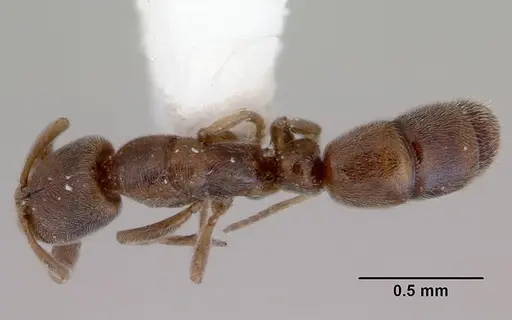
CASENT0249228
View on AntWeb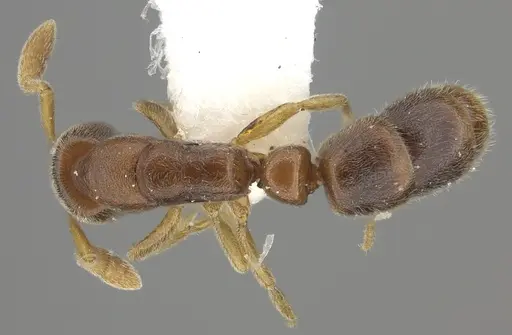
CASENT0249229
View on AntWeb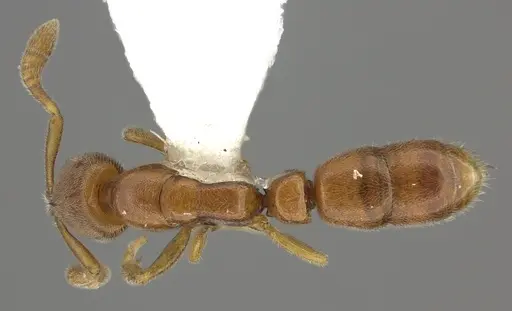
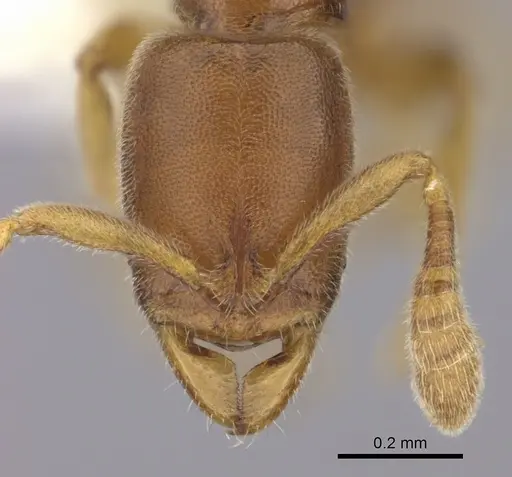
CASENT0907316
View on AntWeb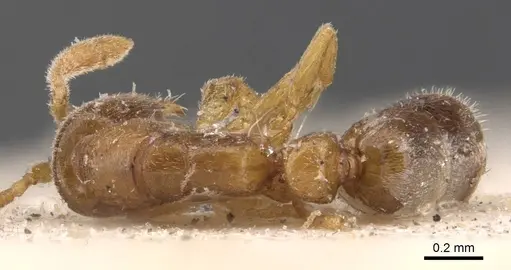
Literature
Loading...Loading products...