

Ponera exotica
- Scientific Name
- Ponera exotica
- Tribe
- Ponerini
- Subfamily
- Ponerinae
- Author
- Smith, 1962
- Common Name
- Ant
- Distribution
- Found in 5 countries
Ponera exotica Overview
Ponera exotica (commonly known as the Ant) is an ant species of the genus Ponera. It is primarily documented in 5 countries , including Guatemala, Honduras, Mexico. Detailed taxonomic data and occurrence records can be further explored via authoritative databases such as AntWeb or the Global Biodiversity Information Facility (GBIF).
Ponera exotica - "Ant"
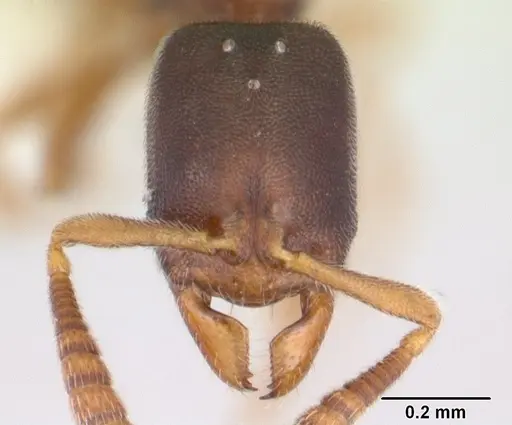
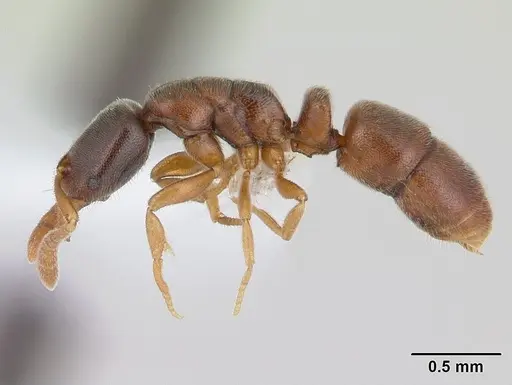
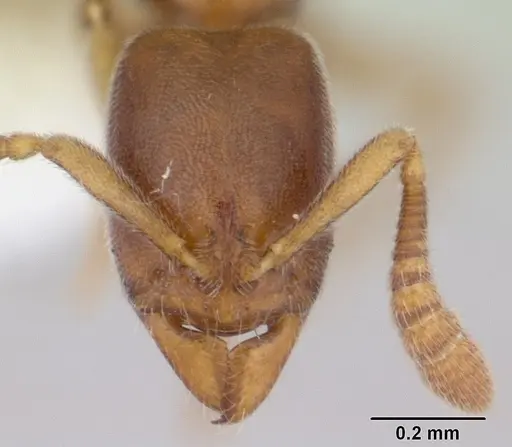
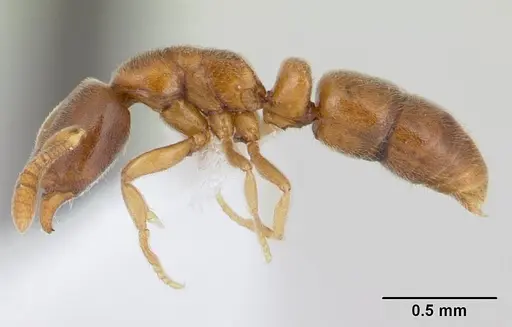
Ponera exotica is a tiny ant species native to the southeastern United States, despite its name suggesting it might be introduced. Workers measure only about 2mm in total length, making them one of the smaller North American ants. They have a distinctive 4-segmented antennal club and a pale yellowish-brown coloration that helps distinguish them from similar species like Ponera pennsylvanica. These ants live in small colonies of fewer than 60 workers and inhabit leaf litter and soil in woodland areas across their range from North Carolina down to Florida and west into Texas [1][2].
What makes P. exotica particularly interesting is its flexible queen system. The species produces both regular winged (alate) queens and ergatoid queens, wingless, worker-like queens that can reproduce without dispersing to mate. This dual strategy allows colonies to adapt to different conditions. Originally scientists thought this species was introduced from the Indo-Australian region because it resembles tropical Ponera species, but genetic analysis has proven it has been in North America for over 3 million years, making it a native species with ancient origins [1].
Quick Summary
- Difficulty: Medium
- Origin & Habitat: Eastern United States (North Carolina south to Florida, west to Oklahoma and Texas) into Central America. Found in dry to mesic woodlands, typically in leaf litter and soil in forest habitats. In the southeastern US they inhabit coastal plain and piedmont regions, while in Mexico and Central America they are cloud forest specialists [1][2].
- Colony Type: Small colonies with up to 60 workers. Both alate (winged) and ergatoid (wingless) queens are produced. Different populations show varying frequencies of each queen type, some areas have mostly alate queens, others have mostly ergatoids, and some have both in the same population [1].
- Colony: Monogyne
- Founding: Claustral
- Size & Growth:
- Queen: Ergatoid queens: 0.45-0.54mm head width, Alate queens: 0.50-0.54mm head width [1]
- Worker: 2mm total length, head width 0.38-0.41mm in US specimens [1][2]
- Colony: Typically fewer than 60 workers [2]
- Growth: Slow, estimated 8-12 weeks from egg to worker based on typical Ponera development patterns
- Development: 8-12 weeks (estimated based on genus patterns) (Development time is estimated as this specific species has not been studied in detail. Ponera species typically develop slowly due to their small size and cryptic lifestyle.)
- Antkeeping:
- Temperature: Keep around 22-26°C. They tolerate a range from roughly 20-28°C. In captivity, room temperature within this range works well, with a slight gradient if possible.
- Humidity: High humidity required, these are leaf litter ants that need moist conditions. Keep the nest substrate consistently damp but not waterlogged. Aim for 70-80% relative humidity in the nest area.
- Diapause: Likely partial dormancy in winter in northern parts of range. In captivity, a cool period around 15-18°C for 2-3 months during winter months may benefit colonies, though this is not well-documented for this species.
- Nesting: Y-tong (AAC) nests or plaster nests work well. They prefer tight chambers scaled to their tiny size. Naturalistic setups with leaf litter and soil also work. Avoid tall, open spaces, these are cryptic ants that prefer confined spaces.
- Behavior: Very cryptic and docile. Workers are small and slow-moving, foraging through leaf litter and soil. They are not aggressive and rarely sting, their sting is too weak to penetrate human skin. Escape prevention is critical due to their tiny size, they can squeeze through remarkably small gaps. Use fine mesh and tight-fitting barriers. They are predatory, hunting small invertebrates in the leaf litter layer.
- Common Issues: escape prevention is critical, their tiny size means they can slip through gaps invisible to the eye, colonies are small and slow-growing, which can frustrate keepers expecting rapid development, they require high humidity, drying out kills colonies quickly, wild-caught colonies may be stressed from collection and difficult to establish, their small size makes them vulnerable to predatory ants if housed near other colonies
Housing and Nest Setup
Because of their tiny size, Ponera exotica requires careful housing. A Y-tong (acrylic) nest with narrow chambers works well, as does a plaster or soil nest. The chambers should be small and tight, these ants feel secure in confined spaces. A test tube setup can work for founding colonies, but you may need to use cotton or plaster to create a water reservoir that maintains humidity without flooding. For outworld space, keep it minimal, a small container works since these ants don't travel far from their nest. Escape prevention is absolutely critical. Use fine mesh (at least 0.5mm or smaller) on any ventilation holes, and check all seams and edges regularly. These ants can squeeze through gaps that seem impossible. Consider using a barrier like fluon around the edges of the outworld. [1][2]
Feeding and Diet
Ponera exotica is predatory, hunting small invertebrates in the leaf litter layer. In captivity, offer small live prey such as springtails, fruit flies, small mealworms, and other tiny insects. They cannot take down large prey, their small size limits what they can handle. Feed small prey items 2-3 times per week, removing any uneaten prey after 24 hours. Sugar sources are not typically accepted, these are not honeydew-feeding ants. Some keepers report success with occasional tiny drops of honey water, but protein (live prey) should be the primary food. A varied diet of different small prey types helps ensure proper nutrition. [2]
Temperature and Humidity
Keep your colony at 22-26°C for optimal activity and development. Room temperature in most homes falls within this range, which makes this species relatively easy to maintain thermally. However, they need high humidity, these are leaf litter ants adapted to the moist environment of forest floors. The nest substrate should feel consistently damp to the touch. You can achieve this with a water reservoir connected to the nest or by misting the nest area regularly. Avoid both drying out and waterlogging, aim for damp but not soggy. A small water test tube with a cotton plug connected to the nest works well for maintaining humidity over time. [1]
Colony Lifecycle and Growth
P. exotica colonies are small by ant standards, typically under 60 workers. This slow growth rate means founding colonies take months to produce their first workers (nanitics), and reaching even 20-30 workers can take a year or more. The presence of ergatoid (wingless) queens in addition to alate queens means colonies can produce replacement reproductives without swarming. This is an adaptation to their cryptic, stable habitat where dispersal is risky. In captivity, be patient, these ants are long-lived but slow-growing. A healthy founding queen may take 8-12 weeks to produce her first workers, and several months to reach 10-15 workers. The slow pace is normal for this species. [1]
Frequently Asked Questions
How long does it take for Ponera exotica to produce first workers?
Expect 8-12 weeks from founding to first workers (nanitics). This is typical for Ponera species, they develop slowly. Be patient with founding colonies and avoid disturbing the queen during this period.
Do Ponera exotica ants sting?
They have a stinger but it's too small to penetrate human skin. These ants are completely harmless to humans and very docile. They will only sting if handled very roughly.
What do I feed Ponera exotica?
Small live prey is essential, springtails, fruit flies, tiny mealworms, and other small insects. They are predatory hunters of leaf litter invertebrates. Remove uneaten prey after 24 hours. Sugar sources are generally not accepted.
Are Ponera exotica good for beginners?
They are intermediate-level due to their small size and specific humidity needs. The escape risk is high, and slow growth can be frustrating. If you're experienced with tiny ants and can maintain high humidity, they can be rewarding.
Do Ponera exotica need hibernation?
In northern parts of their range, they likely experience reduced activity in winter. In captivity, a cool period around 15-18°C for 2-3 months during winter may benefit established colonies, though this is not strictly required.
Why is it called 'exotica'?
The species was originally described as 'exotica' (meaning exotic or foreign) because it resembles Indo-Australian Ponera species and was thought to be introduced by humans. However, genetic studies have proven it's been in North America for over 3 million years, it's actually a native species with ancient origins.
How big do Ponera exotica colonies get?
Colonies are naturally small, typically fewer than 60 workers even in mature colonies. This is normal for the species and reflects their cryptic, leaf-litter lifestyle.
Can I keep multiple Ponera exotica queens together?
This species is monogyne (single queen) in practice, though ergatoid replacement reproductives may exist within colonies. Combining unrelated foundresses is not recommended as it hasn't been documented as successful.
What is the best nest type for Ponera exotica?
Y-tong (AAC) nests with narrow chambers or plaster nests work well. They need tight, confined spaces, avoid large open areas. A small outworld connected to the nest is sufficient.
Why are my Ponera exotica escaping?
Their tiny size allows them to squeeze through impossibly small gaps. Use fine mesh (0.5mm or smaller), check all seams, and consider barriers like fluon. Escape prevention must be excellent.
References

This caresheet is licensed under CC BY-SA 4.0 .
CASENT0100692
View on AntWeb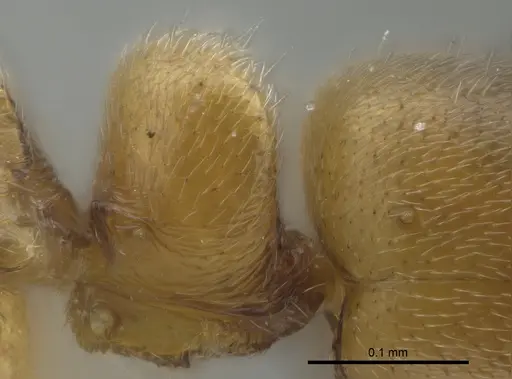
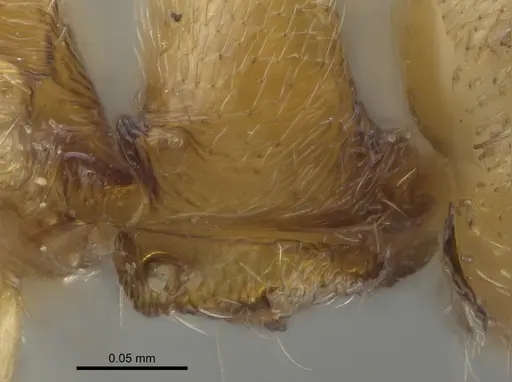
CASENT0104431
View on AntWeb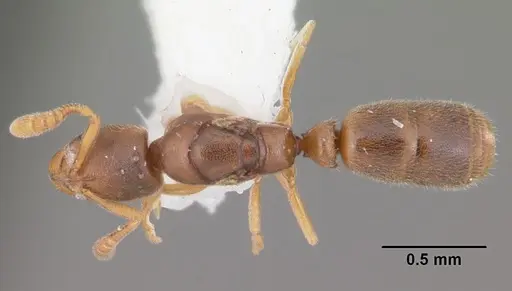
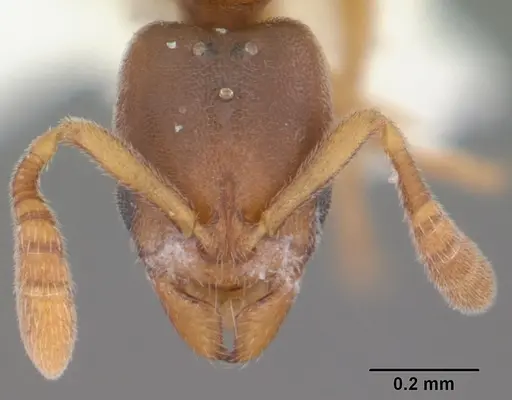
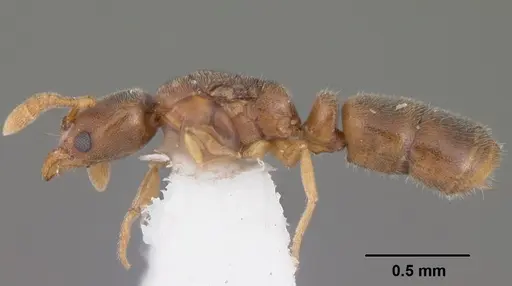
CASENT0104432
View on AntWeb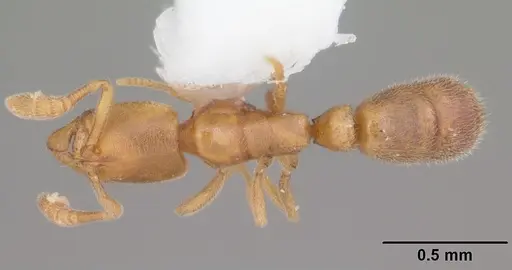
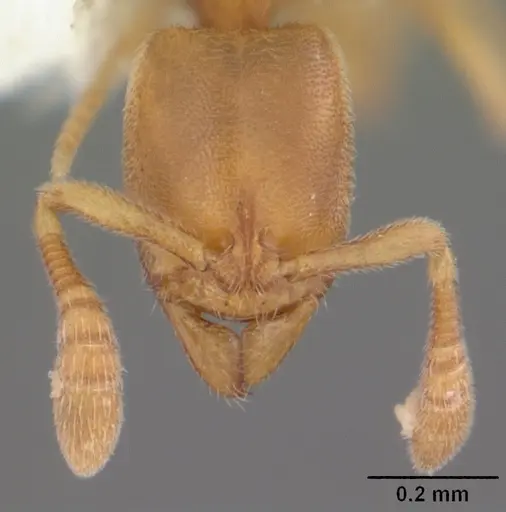
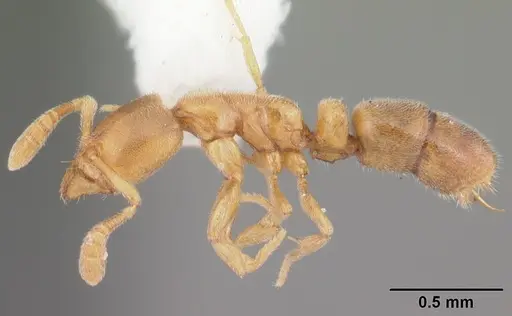
CASENT0249231
View on AntWeb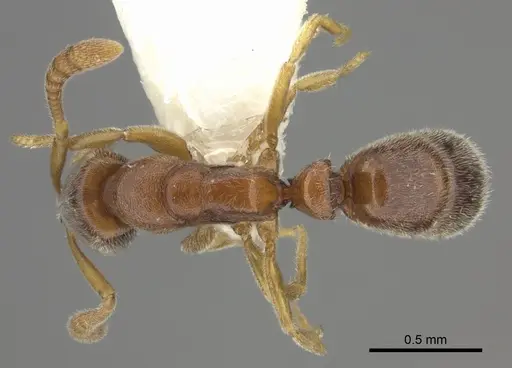
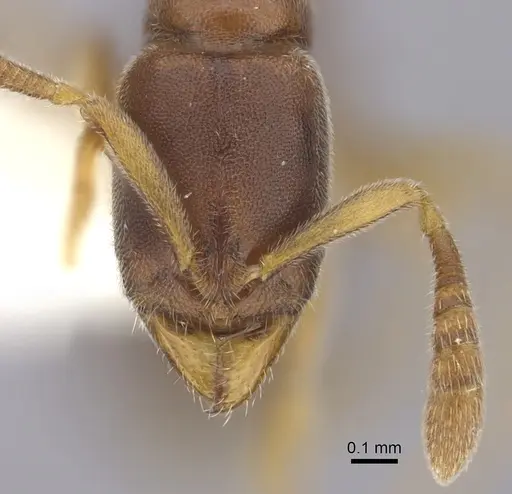
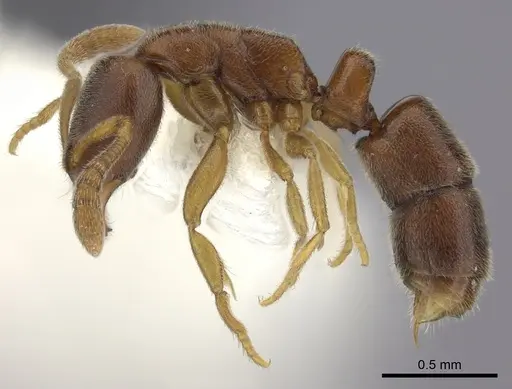
CASENT0603538
View on AntWeb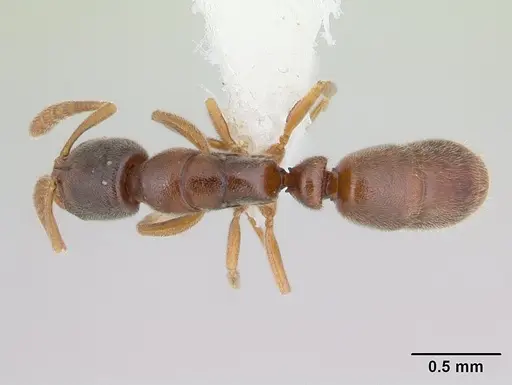
CASENT0603539
View on AntWeb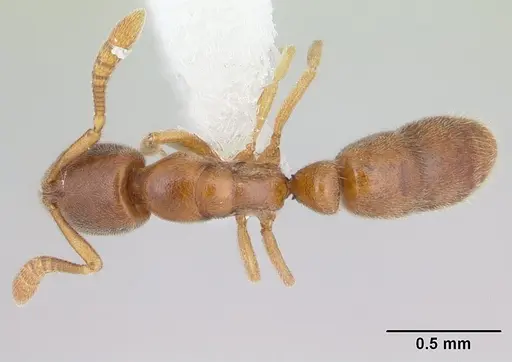
Literature
Loading...Loading products...