

Ponera baka
- Scientific Name
- Ponera baka
- Tribe
- Ponerini
- Subfamily
- Ponerinae
- Author
- Xu, 2001
- Distribution
- Found in 1 countries
Ponera baka Overview
Ponera baka is an ant species of the genus Ponera. It is primarily documented in 1 countries , including Lao People's Democratic Republic. Detailed taxonomic data and occurrence records can be further explored via authoritative databases such as AntWeb or the Global Biodiversity Information Facility (GBIF).
Ponera baka
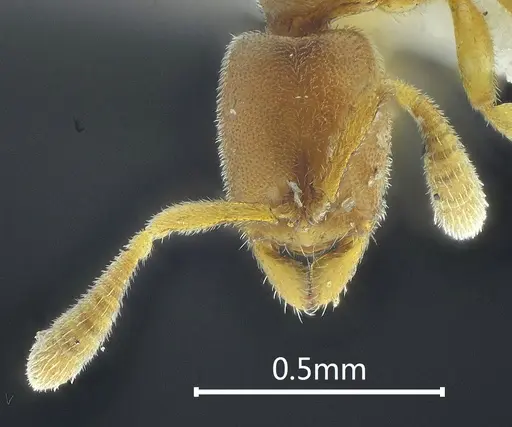
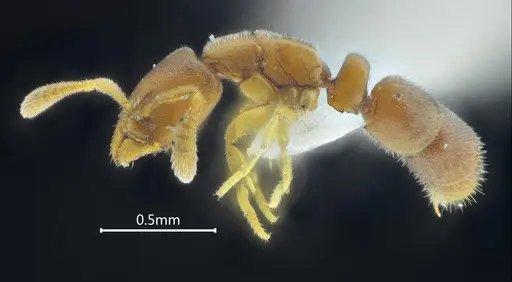
Ponera baka is a tiny ponerine ant species from southern China, measuring just 1.9mm in total length. Workers are yellowish-brown with a compact body and short antennae. The head is rectangular and slightly longer than wide, with mandibles bearing only three apical teeth. This species was described in 2001 from Yunnan Province and has since been found in Hainan Province as well. It belongs to the genus Ponera, which contains small, cryptic ants that typically nest in soil or rotting wood in forested areas. What makes P. baka interesting is its extremely restricted habitat preference, it's only found in secondary forest and never in primary forest or rubber plantations, making it a true habitat specialist [1].
Quick Summary
- Difficulty: Medium
- Origin & Habitat: Ponera baka is endemic to southern China, specifically Yunnan Province and Hainan Province. It lives in seasonal rainforest at elevations around 840 meters [2]. The type specimen was collected from a soil sample in a seasonal rain forest in Yunnan [2]. This is a habitat specialist restricted to secondary forest, it has never been found in primary forest or rubber plantations [1].
- Colony Type: Colony structure is unconfirmed for this species. Based on typical Ponera genus patterns, colonies are likely single-queen (monogyne) with small colony sizes of perhaps several dozen to a few hundred workers.
- Size & Growth:
- Queen: Unknown, not described in original publication
- Worker: 1.9mm total length [2]
- Colony: Unknown, likely small (dozens to low hundreds) based on typical Ponera genus patterns
- Growth: Unknown, likely moderate based on genus
- Development: Unknown, estimated 6-10 weeks based on related Ponera species (No specific development data exists for this species. Estimates based on typical Ponera genus development at moderate temperatures.)
- Antkeeping:
- Temperature: Keep around 20-24°C. This species comes from subtropical Yunnan at 840m elevation, so moderate temperatures are appropriate. A slight gradient allowing workers to choose their preferred temperature is ideal.
- Humidity: High humidity is essential, these are rainforest ants. Keep the nest substrate consistently moist but not waterlogged. The soil sample collection location indicates they prefer damp, shaded conditions.
- Diapause: Unknown, likely experiences reduced activity during cooler months based on Yunnan climate, but specific diapause requirements are unconfirmed.
- Nesting: Natural nesting occurs in soil and rotting wood in forested areas. In captivity, a moist test tube setup or plaster/acrylic nest with high humidity works well. Given their tiny size, ensure chambers are appropriately scaled.
- Behavior: Ponera baka is a cryptic, slow-moving ant that forages on the forest floor. Like other Ponera species, they are predatory on small arthropods and likely use venom to subdue prey. Workers are non-aggressive and typically flee rather than fight. Their small size (1.9mm) means escape prevention is critical, they can easily slip through small gaps. They are likely nocturnal or crepuscular foragers.
- Common Issues: escape prevention is critical due to their tiny 1.9mm size, use fine mesh and tight-fitting lids, high humidity requirements can lead to mold if ventilation is poor, slow colony growth may cause keepers to lose patience and overfeed, wild-caught colonies may have parasites that kill them in captivity, difficulty finding mates for breeding, nuptial flight timing is unknown
Housing and Nest Setup
Ponera baka requires high-humidity housing due to its rainforest origins. A moist test tube setup works well for founding colonies, keep the water chamber filled and the cotton plug snug but not compressed. For established colonies, a small acrylic or plaster nest with a water reservoir maintains the humidity they need. Because workers are only 1.9mm, ensure all connections and barriers are tight-fitting. Avoid large, open spaces in the outworld, these tiny ants feel safer in small, enclosed foraging areas. A small test tube or vial makes an ideal outworld for their size. [2]
Feeding and Diet
Like other Ponera species, P. baka is predatory on small arthropods. Feed them tiny live prey such as springtails, fruit flies, or small mealworm pieces. They likely accept small insects like pinhead crickets, but chop prey into appropriately tiny pieces given their 1.9mm size. Sugar sources may be accepted occasionally, but Ponera ants are primarily protein feeders. Offer protein prey 2-3 times per week, removing any uneaten remains to prevent mold. Fresh water should always be available.
Temperature and Seasonal Care
Keep your colony at room temperature, ideally around 20-24°C. This species comes from Yunnan Province at approximately 840m elevation, where temperatures are moderate year-round. A slight temperature gradient allows workers to self-regulate, place a heating cable on one side of the nest if your room runs cool. During winter, a slight reduction in temperature (to around 15-18°C) may simulate their natural seasonal cycle, but specific diapause requirements are unconfirmed. Avoid temperatures above 28°C or below 15°C. [1]
Behavior and Handling
Ponera baka is a calm, non-aggressive species. Workers are slow-moving and cryptic, spending much of their time hunting small prey in the substrate. They are not defensive and will typically flee from threats rather than attack. Their small size makes them excellent escape artists, even a 1mm gap is enough for them to slip through. Always use fine mesh on any ventilation holes and check lid seals regularly. When observing them, use red light or observe during their active periods to minimize disturbance.
Frequently Asked Questions
How long does it take for Ponera baka to produce first workers?
The exact timeline is unknown, but based on typical Ponera genus development, expect 6-10 weeks from egg to worker at optimal temperatures around 22°C. Be patient, this is a slow-growing species.
Can I keep multiple Ponera baka queens together?
Combining unrelated queens has not been documented for this species. Based on typical Ponera patterns, single-queen colonies are most common. Keep one queen per colony for best success.
What size colony does Ponera baka reach?
Colony size is unconfirmed but likely reaches dozens to a few hundred workers based on typical Ponera genus patterns. This is not a large colony species.
Are Ponera baka good for beginners?
This species is rated medium difficulty. While their care requirements are straightforward (high humidity, moderate temperature, small live prey), their tiny size and escape risk make them better suited for keepers with some experience.
What do Ponera baka eat?
They are predatory on small arthropods. Feed tiny live prey like springtails, fruit flies, or small mealworm pieces. Sugar water may be occasionally accepted but protein prey is the primary food source.
Do Ponera baka need hibernation?
Specific diapause requirements are unconfirmed. Based on their Yunnan origin, a slight temperature reduction during winter months (to around 15-18°C) may be beneficial but is not strictly required.
Why are my Ponera baka escaping?
Their tiny 1.9mm size allows them to escape through the smallest gaps. Use fine mesh (at least 0.5mm or smaller), check all lid seals, and ensure any tubing connections are secure. Escape prevention must be excellent.
References

This caresheet is licensed under CC BY-SA 4.0 .
ANTWEB1060517
View on AntWeb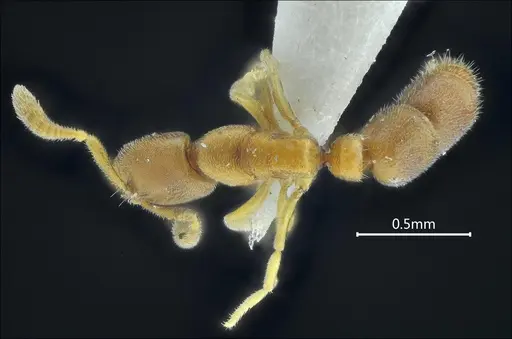
Literature
Loading...Loading products...