

Ponera augusta
- Scientific Name
- Ponera augusta
- Tribe
- Ponerini
- Subfamily
- Ponerinae
- Author
- Taylor, 1967
- Distribution
- Found in 1 countries
Ponera augusta Overview
Ponera augusta is an ant species of the genus Ponera. It is primarily documented in 1 countries , including Papua New Guinea. Detailed taxonomic data and occurrence records can be further explored via authoritative databases such as AntWeb or the Global Biodiversity Information Facility (GBIF).
Ponera augusta
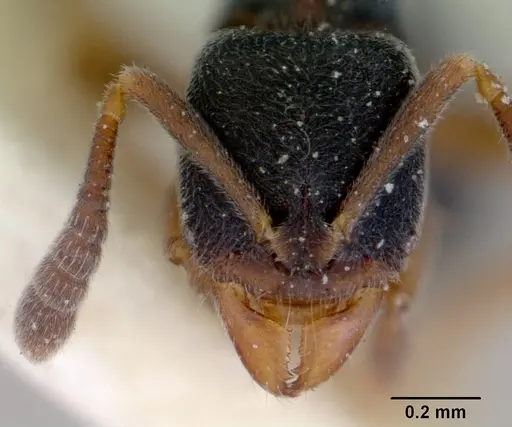
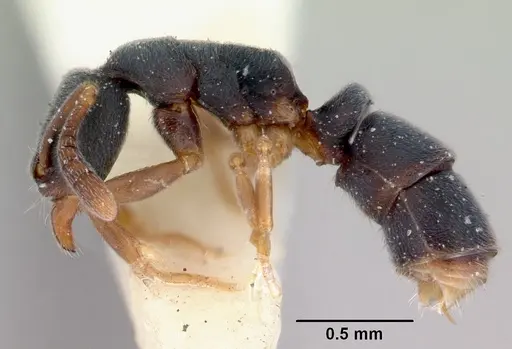
Ponera augusta is a small, dark brown ant species native to the eastern highlands of New Guinea. Workers measure just 0.55-0.57mm in head width, making them one of the smaller Ponera species. They are easily identified by their unusually large eyes (with 11-15 facets), broad head, and long antennae that clearly exceed the back of the head. The surface texture is coarsely punctate and somewhat matte, giving them a distinctive appearance among related species [1].
This species is known only from a single collection at Aiyura in New Guinea's Eastern Highlands at 1900m elevation, where it was found living in leafmold on the floor of disturbed rainforest. Unfortunately, almost nothing is known about their biology, colony structure, or behavior in the wild, they remain one of the most poorly documented Ponera species [2].
Quick Summary
- Difficulty: Unknown
- Origin & Habitat: Eastern highlands of New Guinea, found at 1900m elevation in leafmold from disturbed rainforest floor [1][2]
- Colony Type: Unknown, colony structure has not been documented
- Size & Growth:
- Queen: Unknown, queen has not been described
- Worker: 0.55-0.57mm head width,0.60-0.62mm head length [1]
- Colony: Unknown, no colony data exists
- Growth: Unknown
- Development: Unknown, development has not been studied (No data available for this species. Related Ponera species typically take 6-10 weeks from egg to worker at warm temperatures.)
- Antkeeping:
- Temperature: Likely prefers cool to moderate temperatures given the high-elevation habitat. Based on similar New Guinea Ponera species, aim for roughly 20-24°C with a gentle gradient.
- Humidity: High humidity is likely required, they were found in leafmold which suggests damp forest floor conditions. Keep substrate consistently moist but not waterlogged.
- Diapause: Unknown, no seasonal data exists for this species. The highland habitat may experience cooler periods.
- Nesting: In captivity, a naturalistic setup with moist substrate (like a terrarium-style formicarium) would likely suit them best. They were found in leafmold, so a substrate-rich environment with hiding spaces works.
- Behavior: Behavior is unstudied. Based on typical Ponera genus patterns, they are likely cryptic and secretive, spending most of their time hidden in substrate. They are probably predatory on small invertebrates and unlikely to be aggressive or to sting. Escape prevention should be moderate, they are small ants but not among the tiniest.
Discovery and Distribution
Ponera augusta was first described by Robert W. Taylor in 1967 from specimens collected at Aiyura in the Eastern Highlands of New Guinea. The type series came from a Berlese funnel sample of leafmold taken from the floor of disturbed rainforest at approximately 1900 meters elevation. This makes it a highland species adapted to cooler, more temperate conditions than typical lowland tropical ants. The species appears to be sympatric with Ponera elegantula at this location, meaning they share the same geographic area. Notably, P. augusta has not been recorded from any other location since its initial discovery, making it one of the rarest and least-known Ponera species [1][2].
Identification and Morphology
This species is distinctive among Ponera ants due to several unique physical characteristics. The most notable are its unusually large eyes for the genus, containing 11-15 facets, which is significantly more than most related species. The head is notably broad with a cephalic index of 90-93. The antennae are long, with the scapes clearly exceeding the occipital border by a distance almost equal to their maximum thickness. The body surface has coarse, closely-spaced punctures that give it an opaque, matte appearance, particularly on the cheeks and the upper surface of the mesosoma. The mesometanotal suture is distinctly incised, creating a clear separation between the mesonotum and metanotum. Workers measure approximately 0.60-0.62mm in head length and 0.55-0.57mm in head width [1].
Housing and Nesting
Since nothing is known about this species' nesting preferences in captivity, we must make educated guesses based on where they were found in the wild and what works for related species. They were collected from leafmold on the rainforest floor, suggesting they prefer moist, organic-rich substrate with plenty of hiding spaces. A naturalistic terrarium-style setup with damp soil or coco fiber substrate would be a good starting point. Include pieces of leaf litter, small stones, or other materials that allow them to create hidden chambers. Test tube setups can work but may need to be modified to provide more organic material. Maintain high humidity by misting regularly and ensuring the substrate never fully dries out. A small water reservoir connected to the nest area can help maintain consistent moisture.
Feeding and Diet
The diet of Ponera augusta has not been documented, but Ponera species generally are predatory or omnivorous, feeding on small invertebrates like springtails, mites, and other tiny arthropods found in soil and leaf litter. In captivity, you should offer small live prey such as springtails, fruit flies, or tiny mealworm pieces. They may also accept sugar sources occasionally, though this is not well documented for this genus. Feed small amounts of protein prey every few days, removing any uneaten prey after 24-48 hours. Do not expect them to be aggressive foragers, they are likely cryptic hunters that prefer to stay hidden in their substrate.
Temperature and Seasonal Care
This species comes from a highland tropical environment at 1900m elevation, which suggests they prefer cooler temperatures than many tropical ants. Based on the habitat, aim for temperatures in the range of 20-24°C. Avoid overheating, temperatures above 28°C may be stressful. A gentle thermal gradient allows the ants to choose their preferred temperature. Since nothing is known about their seasonal patterns, we cannot confirm whether they require a diapause or winter rest period. However, the highland location suggests they may experience cooler periods. For now, maintain stable temperatures year-round and observe colony behavior for signs of seasonal changes. If the colony becomes less active in winter months, reduce feeding and keep them slightly cooler (around 18-20°C) for a few months.
Behavior and Temperament
The behavior of Ponera augusta has not been studied, but typical Ponera species are cryptic, non-aggressive ants that avoid confrontation. They are not known to sting humans and pose no danger. Workers likely forage singly rather than in groups, hunting small prey in the substrate. They probably spend most of their time hidden within their nest material rather than visible on the surface. Colonies are likely small compared to many common ant species, possibly consisting of only a few dozen to a few hundred workers at maturity. Their small size and secretive nature mean they are not particularly impressive display ants, but they can be interesting to observe for keepers who appreciate subtle, cryptic species.
Frequently Asked Questions
How long does it take for Ponera augusta to produce first workers?
This is unknown, the development timeline has not been studied for this species. Based on related Ponera species, expect approximately 6-10 weeks from egg to worker at optimal temperatures around 24°C. However, this is only an estimate.
What do Ponera augusta ants eat?
Their diet is unconfirmed, but Ponera species are typically predatory on small invertebrates. In captivity, offer small live prey like springtails, fruit flies, or tiny mealworm pieces. They may occasionally accept sugar water but this is not well documented.
Can I keep multiple Ponera augusta queens together?
This is unknown, colony structure has not been documented for this species. It is not recommended to combine unrelated queens since this has not been studied.
What temperature should I keep Ponera augusta at?
Based on their highland New Guinea habitat, aim for cool to moderate temperatures around 20-24°C. Avoid temperatures above 28°C. A gentle thermal gradient allows the colony to self-regulate.
How big do Ponera augusta colonies get?
This is unknown, no colony size data exists for this species. Based on related species, colonies are likely small, possibly under 100-500 workers at maturity.
What type of nest should I use for Ponera augusta?
A naturalistic setup with moist substrate (damp soil or coco fiber) works best since they were found in leafmold. Include leaf litter and hiding spaces. Test tubes can work but may need modification to provide more organic material.
Do Ponera augusta need hibernation or diapause?
This is unknown, no seasonal data exists for this species. The highland habitat may experience cooler periods, so observe your colony for reduced activity in winter months and consider a slight temperature reduction if they seem less active.
Are Ponera augusta good for beginners?
Difficulty level is unknown since this species has never been kept in captivity. They are likely challenging to keep due to the complete lack of husbandry information. They are not recommended for beginners until more care information becomes available.
Why is so little known about Ponera augusta?
This species is known only from the original type collection in 1962 from a single location in New Guinea's Eastern Highlands. It has rarely been encountered since, and no scientific studies have examined its biology or behavior. This makes it one of the most poorly documented ant species in the hobby.
References

This caresheet is licensed under CC BY-SA 4.0 .
CASENT0172424
View on AntWeb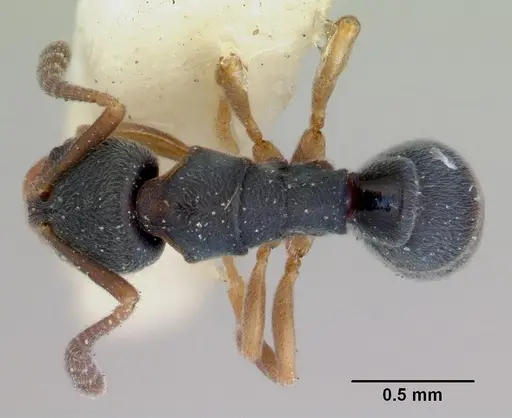
Literature
Loading...Loading products...