

Polyrhachis zopyra
- Scientific Name
- Polyrhachis zopyra
- Subgenus
- Myrma
- Tribe
- Camponotini
- Subfamily
- Formicinae
- Author
- Smith, 1861
- Distribution
- Found in 1 countries
Polyrhachis zopyra Overview
Polyrhachis zopyra is an ant species of the genus Polyrhachis. It is primarily documented in 1 countries , including Indonesia. Detailed taxonomic data and occurrence records can be further explored via authoritative databases such as AntWeb or the Global Biodiversity Information Facility (GBIF).
Polyrhachis zopyra
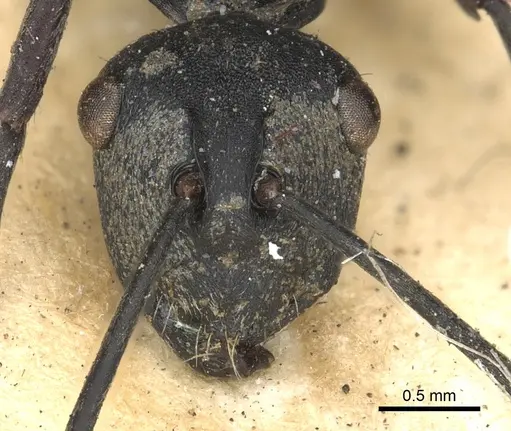
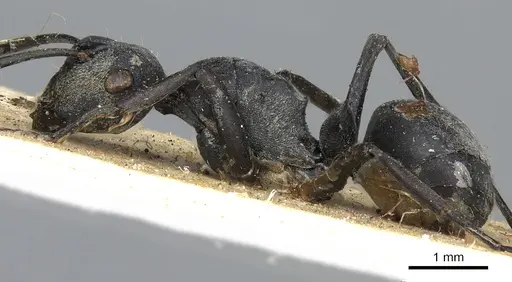
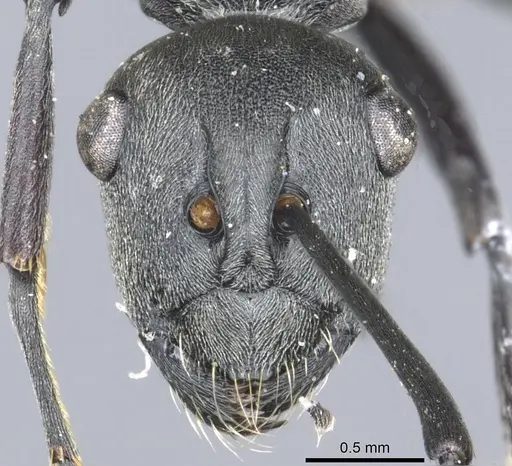
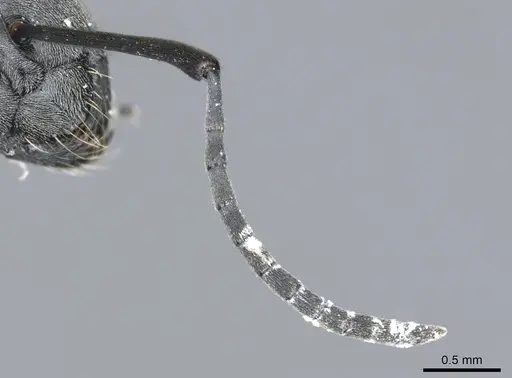
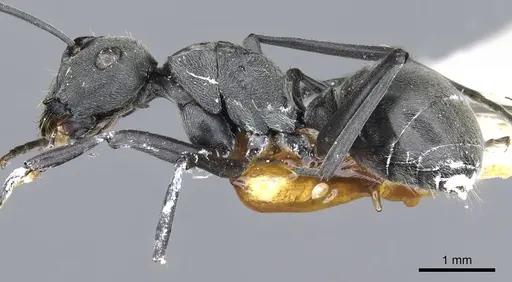
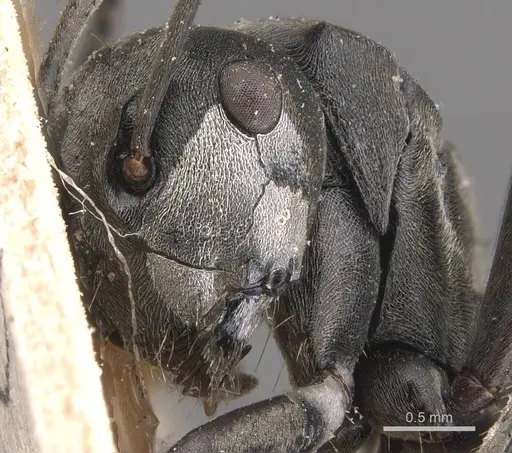
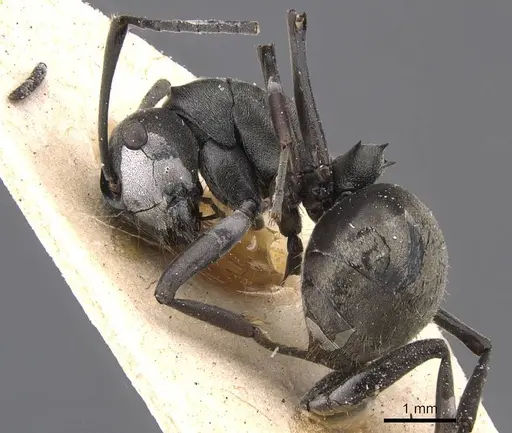
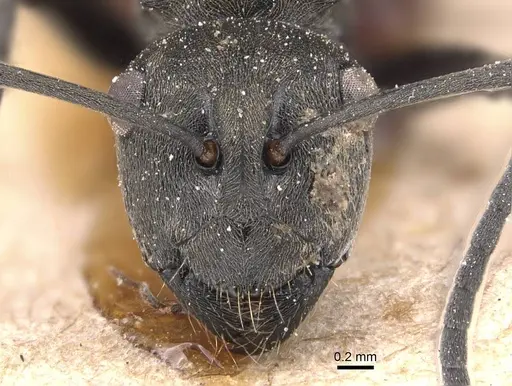
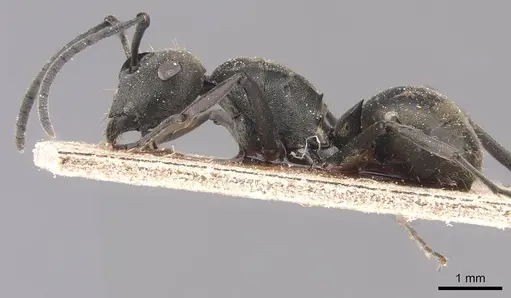
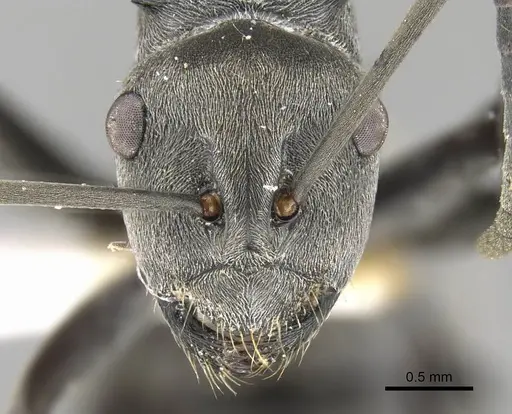
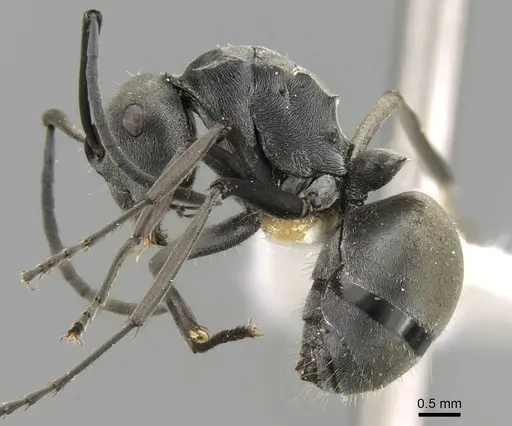
Polyrhachis zopyra is a medium-sized arboreal ant belonging to the subgenus Myrma. Workers are characterized by their distinctive morphology including spines and sculpturing typical of the zopyra species-group. This species is endemic to Sulawesi, making it a rare find for antkeepers interested in Indonesian species. It was originally described by Frederick Smith in 1861 from specimens collected by Alfred Russel Wallace in Tondano, Sulawesi. The species has also been recorded from the Philippines, including Mindanao Island. Like other Polyrhachis ants, they construct nests in trees using silk to bind nest materials together, and their pupae are enclosed in protective cocoons [1][2].
Quick Summary
- Difficulty: Medium
- Origin & Habitat: Sulawesi, Indonesia and Philippines, tropical forest environments where they nest arboreally in trees [3][4]
- Colony Type: Likely single-queen colonies based on typical Myrma subgenus patterns, though colony structure has not been directly documented
- Colony: Monogyne
- Founding: Claustral
- Size & Growth:
- Queen: Estimated 8-10mm based on Polyrhachis genus patterns
- Worker: Estimated 6-8mm based on genus morphology
- Colony: Unknown for this species, Polyrhachis colonies typically reach several hundred workers
- Growth: Moderate, estimated based on tropical arboreal ant patterns
- Development: Estimated 6-8 weeks at tropical temperatures based on related Polyrhachis species (Development time inferred from genus patterns, direct measurements unavailable for this species)
- Antkeeping:
- Temperature: Keep at 24-28°C, they are a tropical species from warm Sulawesi forests
- Humidity: High humidity preferred (70-85%), arboreal nesting species requiring moist conditions
- Diapause: No true diapause, tropical species may show slight activity reduction during cooler periods
- Nesting: Arboreal nesters, they build nests in trees using silk to bind leaves or other materials. In captivity, provide elevated nesting options like cork bark, bamboo, or vertically-oriented setups with silk-friendly materials
- Behavior: Polyrhachis ants are generally non-aggressive and more docile compared to many Formicinae. They are arboreal and spend most of their time in elevated nest sites. Workers are moderate foragers that search for honeydew and small insects. Escape prevention should be moderate, they are not tiny but can climb well. Their silk-nesting behavior is unique among hobby ants and makes them an interesting species to observe.
- Common Issues: tropical humidity requirements mean mold can develop if ventilation is poor, arboreal nesting means they may not accept ground-level test tube setups, limited availability in the antkeeping hobby makes founding colonies challenging, warm temperature needs year-round can increase equipment costs, silk-nesting behavior requires specific setup considerations not needed for ground-nesting ants
Housing and Nest Setup
Polyrhachis zopyra requires arboreal-style housing since they naturally nest in trees. Unlike most hobby ants that accept test tubes, this species needs elevated nesting options. Cork bark setups work well, you can create a vertical arrangement with pieces of cork bark layered to create chambers. Bamboo sections also make excellent natural nests. The key is providing materials they can bind with silk. Some keepers use artificial nests with multiple chambers positioned horizontally or vertically. The outworld should include climbing structures like branches or mesh since these ants prefer to stay elevated. Escape prevention is important though not as critical as for tiny species, a standard barrier like fluon on container edges works adequately. [1]
Feeding and Diet
Like other Polyrhachis species, zopyra is omnivorous. They feed on honeydew from aphids and scale insects in the wild, along with small insects and other protein sources. In captivity, offer sugar water or honey water as a constant energy source. For protein, provide small insects like fruit flies, small crickets, or mealworms. Feed protein 2-3 times per week, removing any uneaten prey within 24 hours. Fresh fruit can also be accepted occasionally. The arboreal nature of this species means they may not travel far for food, so place feeding stations near their nest area.
Temperature and Humidity
Being from tropical Sulawesi, Polyrhachis zopyra requires warm and humid conditions year-round. Maintain temperatures between 24-28°C using a heating cable or mat if your room temperature is below this range. Place heating on one side of the nest to create a temperature gradient. High humidity is essential, aim for 70-85% relative humidity. Mist the enclosure regularly but ensure good ventilation to prevent mold buildup. Since they are arboreal, they prefer humidity in the nest area rather than wet substrate. A water tube attached to the nest can help maintain moisture. Monitor condensation levels as a guide, light condensation on nest walls is ideal.
Unique Silk-Nesting Behavior
One of the most interesting aspects of keeping Polyrhachis zopyra is their silk-nesting behavior. In the wild, workers use silk from their larvae to bind together leaves, creating secure arboreal nests. This behavior is rare among hobby ants and makes them particularly engaging to observe. In captivity, provide materials they can work with, small leaf pieces, cotton fibers, or other bindable materials work well. They may not construct elaborate nests in artificial setups, but providing the option allows natural behavior. This silk use also means their pupae come in protective cocoons rather than being naked like some Formicinae [1][2].
Colony Development and Growth
Polyrhachis zopyra colonies grow at a moderate pace compared to some faster-growing genera. A newly mated queen will found her colony claustrally, sealing herself in a chamber and living off stored fat until her first workers emerge. The first workers (nanitics) are typically smaller than normal workers. Expect 6-8 weeks from egg to first worker at optimal temperatures. After founding, colony growth depends on feeding and conditions. Mature colonies may reach several hundred workers over time. The arboreal nature of this species means they may not produce the massive colonies seen in ground-nesting species, but their unique nesting behavior makes them rewarding to watch expand.
Frequently Asked Questions
Can I keep Polyrhachis zopyra in a test tube setup?
Standard test tube setups are not ideal for this species. They are arboreal nesters that prefer elevated positions and silk-nesting materials. Cork bark, bamboo, or vertically-oriented artificial nests work better. If you must use a test tube for founding, be prepared to move them to a more suitable setup once the colony establishes.
How long does it take for Polyrhachis zopyra to produce first workers?
Based on related Polyrhachis species, expect 6-8 weeks from egg to first worker at optimal tropical temperatures (24-28°C). This is an estimate since specific development data for this species is not available.
What temperature do Polyrhachis zopyra need?
Keep them at 24-28°C year-round. Being from tropical Sulawesi, they do not tolerate cool temperatures. Use a heating cable or mat if your room temperature falls below this range.
Are Polyrhachis zopyra good for beginners?
This species is rated as medium difficulty. While not the hardest species, their arboreal silk-nesting requirements and need for constant warmth and humidity make them better suited for keepers who have some experience with tropical species. Beginners may struggle with their specific humidity and housing needs.
Do Polyrhachis zopyra need hibernation?
No, they do not require hibernation. As a tropical species from Sulawesi, they need consistent warmth year-round. You may notice slight activity reduction during cooler months, but do not attempt to cool them down for a winter rest.
What do Polyrhachis zopyra eat?
They are omnivorous. Offer sugar water or honey water constantly for energy, and protein sources like small insects (fruit flies, small crickets, mealworms) 2-3 times per week. They may also accept small amounts of fresh fruit.
How big do Polyrhachis zopyra colonies get?
Colony size is not well documented for this specific species, but Polyrhachis colonies typically reach several hundred workers. They are not among the largest colony-forming ants.
Can I keep multiple queens together?
Combining unrelated queens is not recommended as aggression is likely. Based on typical Myrma subgenus behavior, this species likely forms single-queen colonies. If you obtain multiple foundresses, house them separately.
Why is my Polyrhachis zopyra colony declining?
Common causes include: temperatures too low (below 24°C), humidity too low or inconsistent, poor ventilation leading to mold, or inadequate protein in their diet. Review your setup conditions and adjust accordingly. Also ensure they are not being disturbed excessively.
References

This caresheet is licensed under CC BY-SA 4.0 .
CASENT0248773
View on AntWeb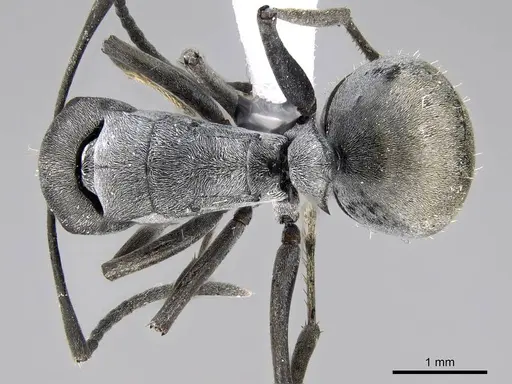
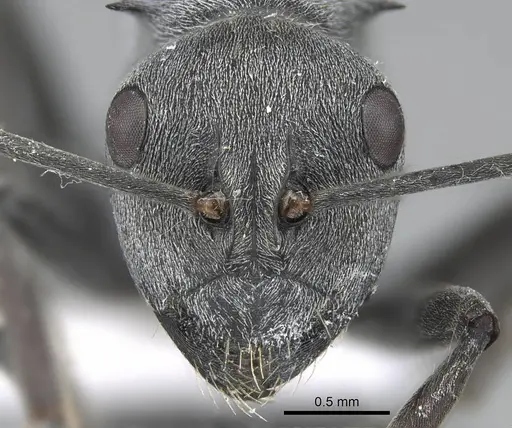
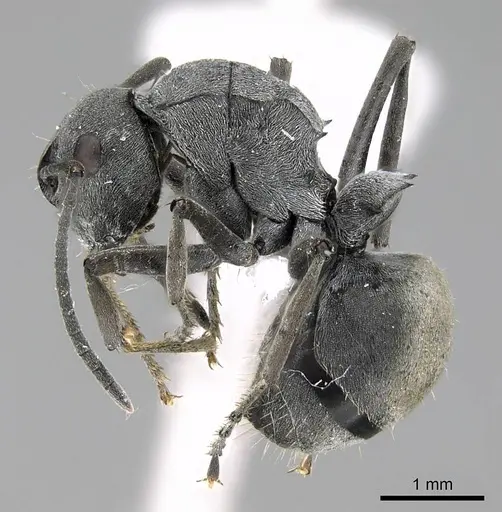
CASENT0901875
View on AntWeb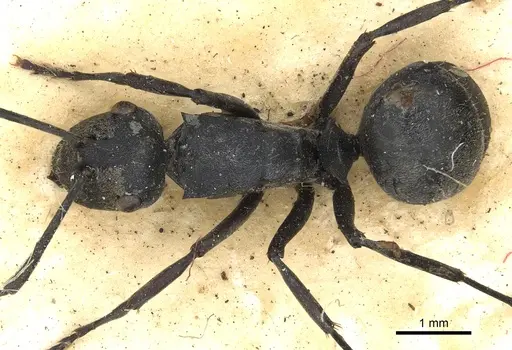
CASENT0903432
View on AntWeb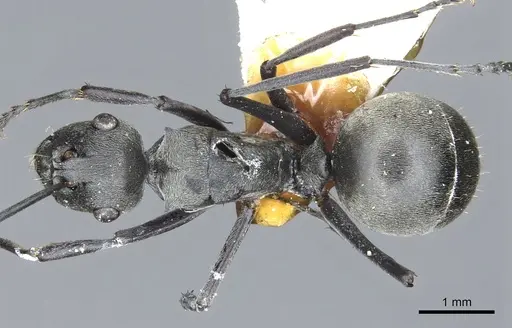
CASENT0905572
View on AntWeb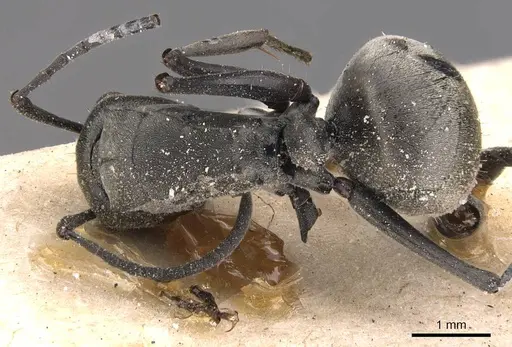
CASENT0905813
View on AntWeb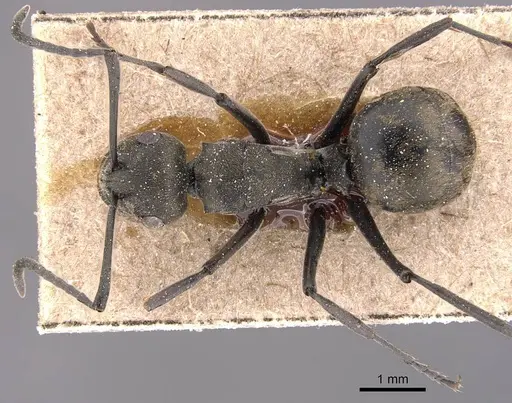
CASENT0906798
View on AntWeb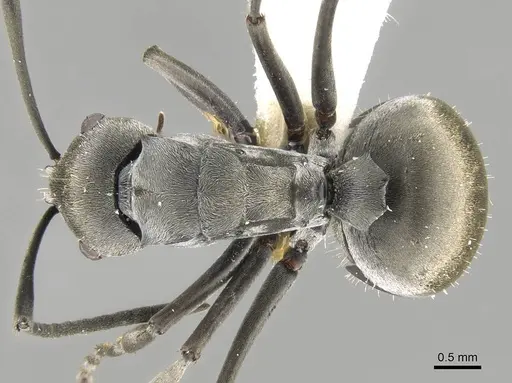
Literature
Loading...Loading products...