

Polyrhachis wolfi
- Scientific Name
- Polyrhachis wolfi
- Subgenus
- Myrma
- Tribe
- Camponotini
- Subfamily
- Formicinae
- Author
- Forel, 1912
- Distribution
- Found in 2 countries
Polyrhachis wolfi Overview
Polyrhachis wolfi is an ant species of the genus Polyrhachis. It is primarily documented in 2 countries , including Hong Kong, Taiwan, Province of China. Detailed taxonomic data and occurrence records can be further explored via authoritative databases such as AntWeb or the Global Biodiversity Information Facility (GBIF).
Polyrhachis wolfi
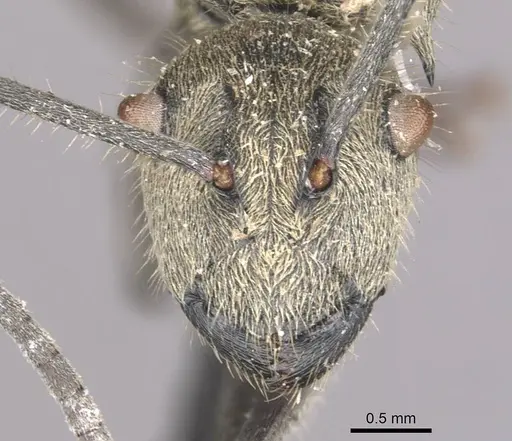
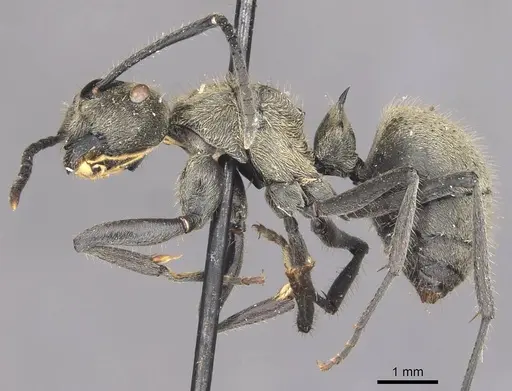
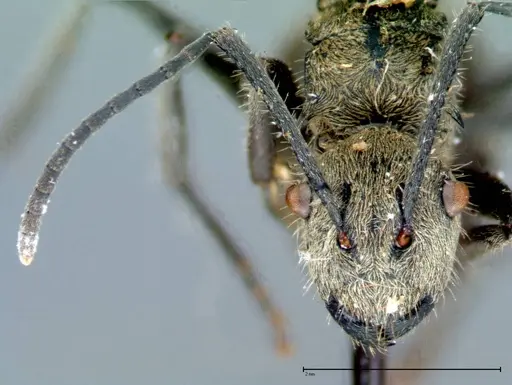
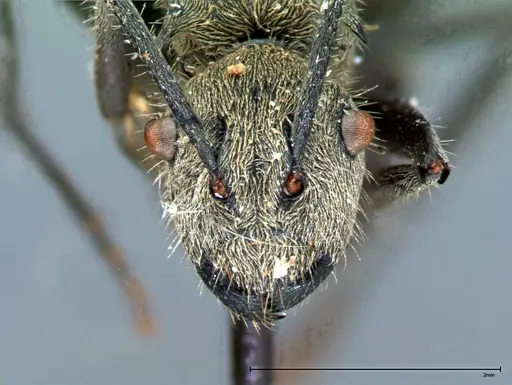
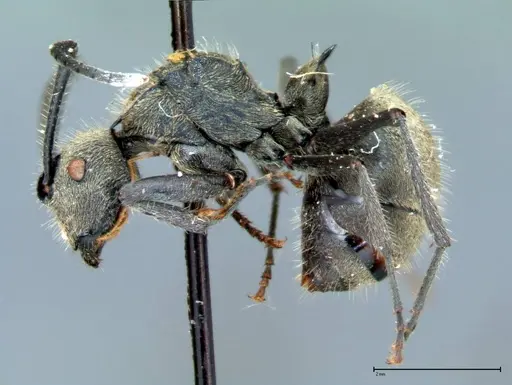
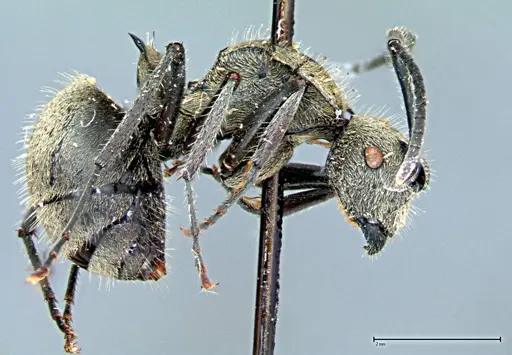
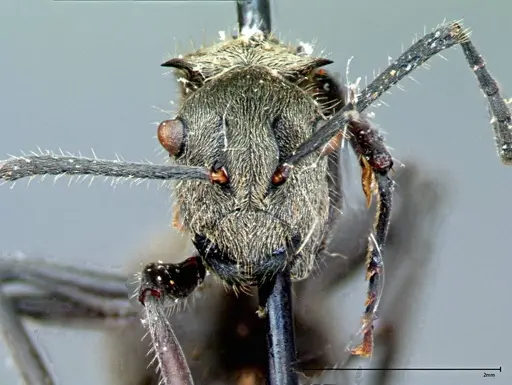
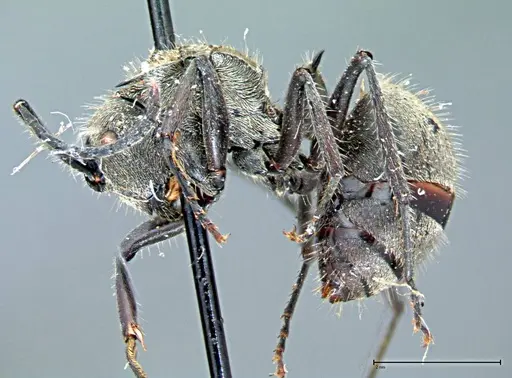
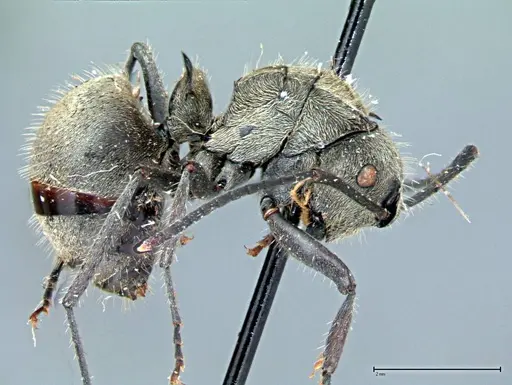
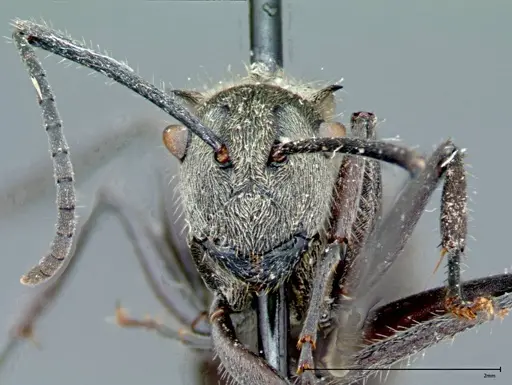
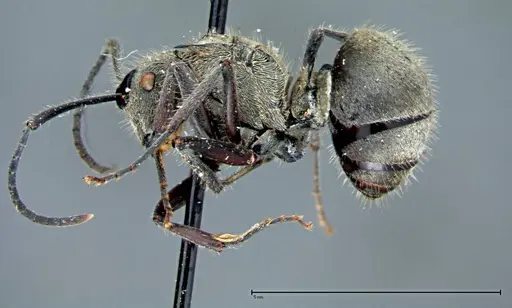
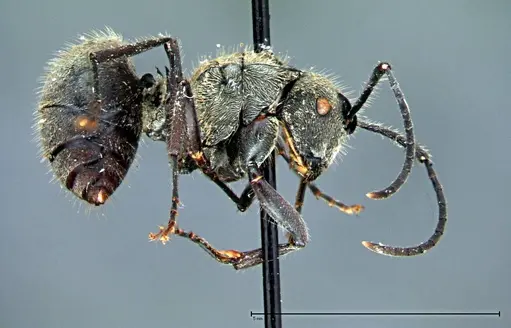
Polyrhachis wolfi is a medium-sized ant species native to Taiwan and southern China. Workers measure 7-7.7mm and are entirely black with brownish tarsi and funiculus tips. They have distinctive features including protruding eyes, a sharply margined head underside, and spines on the pronotum and epinotum. The species prefers lowland forest habitats and is known to be infected by the zombie ant fungus Ophiocordyceps unilateralis, which manipulates infected ants to bite onto leaf veins before the fungus emerges [1][2].
This species is part of the Myrma subgenus, which contains arboreal and semi-arboreal ants known for their distinctive spines and active foraging behavior. In their natural habitat in Taiwan's broad-leaved forests, they navigate and forage at significant heights, with infected ants found averaging 170cm above ground [3].
Quick Summary
- Difficulty: Medium
- Origin & Habitat: Native to Taiwan and southern China (Hainan Province), found in broad-leaved forest habitats [1][3][4].
- Colony Type: Single-queen colonies (monogyne) based on typical Polyrhachis patterns. Colony structure is not directly studied for this specific species.
- Colony: Monogyne
- Founding: Claustral
- Size & Growth:
- Queen: Not directly measured, estimated 10-12mm based on genus patterns for medium-sized Polyrhachis
- Worker: 7-7.7mm [2]
- Colony: Unknown, estimated several hundred workers based on related Polyrhachis species
- Growth: Moderate, inferred from genus patterns
- Development: Estimated 6-10 weeks at optimal temperature based on related Formicinae (Development timeline not directly studied for this species. Estimates based on typical Formicinae development patterns.)
- Antkeeping:
- Temperature: Keep at 22-26°C. Based on their Taiwan/China distribution in broad-leaved forests, they prefer warm, stable conditions with moderate humidity. A gentle temperature gradient allows ants to regulate their body temperature.
- Humidity: Moderate to high humidity (60-80%). These forest-dwelling ants need access to moisture but not waterlogged conditions. Provide a water source and occasional misting of the outworld.
- Diapause: Likely a brief winter slowdown period given their subtropical distribution, but may remain active year-round in warm conditions. Monitor colony behavior, if workers become less active in winter, reduce feeding and keep slightly cooler.
- Nesting: Semi-arboreal nesting preferences. In captivity, they do well in Y-tong (AAC) nests or naturalistic setups with vertical spaces. They prefer nests with chambers sized appropriately for their 7-7.7mm workers. Avoid overly compact setups, they appreciate some vertical space.
- Behavior: Active foragers with well-developed eyes and good vision. Workers are moderately aggressive when defending the colony but not particularly territorial. They are skilled climbers and will explore vertical spaces. Escape prevention is important, while not tiny, they can squeeze through small gaps. They have a functional stinger but it's rarely used against humans.
- Common Issues: Fungal infection risk, this species is naturally susceptible to Ophiocordyceps unilateralis in the wild. Keep enclosures clean and monitor for unusual ant behavior [1]., Escape risk, active climbers that will explore any gap. Use tight-fitting lids and barrier tape., Overheating, forest-dwelling species that prefers stable temperatures. Avoid direct heat sources that could cause overheating., Humidity imbalance, too dry causes desiccation, too wet promotes mold. Balance ventilation with moisture retention.
Housing and Nest Setup
Polyrhachis wolfi does well in Y-tong (AAC) formicariums or naturalistic setups. Given their 7-7.7mm worker size, standard-sized chambers work well. They appreciate some vertical space in the nest, reflecting their semi-arboreal nature. A test tube setup works for founding colonies, use a water reservoir tube attached to a foraging area. For established colonies, provide a formicarium with multiple chambers connected by wider tunnels. Outworld space should allow for active foraging, these are active ants that need room to explore. Include climbing structures like twigs or mesh since they're natural climbers. [2]
Feeding and Diet
Like most Polyrhachis species, these ants are omnivorous. They accept protein sources like small insects (fruit flies, small crickets, mealworms) and sugary liquids (honey water, sugar water). In the wild, they forage for honeydew and small prey. Feed protein 2-3 times per week and keep sugar water available at all times. Remove uneaten prey after 24-48 hours to prevent mold. Fresh fruit slices can also be offered occasionally. They're moderate feeders, adjust quantities based on colony size and activity.
Temperature and Seasonal Care
Maintain temperatures between 22-26°C. Their native habitat in Taiwan and southern China is subtropical to warm temperate, so they handle moderate warmth well. Provide a temperature gradient so workers can choose their preferred spot. A heating cable on one side of the nest (placed on top, not underneath) can create this gradient. During winter in temperate climates, a slight reduction to 18-20°C is acceptable if room temperature drops, but avoid true hibernation conditions. They may show reduced activity in cooler months but shouldn't enter full diapause given their subtropical origin. [1][3]
Health Concerns - Zombie Ant Fungus
This species is naturally infected by Ophiocordyceps unilateralis (the zombie ant fungus) in the wild. Studies show 14.6% of surveyed ants in Taiwan were infected [1][3]. The fungus manipulates infected ants to climb vegetation and bite onto leaf veins before killing the ant and growing a stroma from its body. While this is a natural phenomenon, captive colonies may be at risk if exposed to the fungus. Maintain clean enclosures, remove dead ants promptly, and avoid introducing materials from known fungus-infected areas. If you notice a worker acting strangely (climbing excessively, gripping surfaces), isolate it from the colony.
Behavior and Temperament
Polyrhachis wolfi workers are active foragers with good vision. They're not overly aggressive but will defend the colony if threatened. Workers are skilled climbers and will explore vertical surfaces readily. They establish foraging trails and can cover significant distances in search of food. The species shows typical Polyrhachis behavior, they're alert, quick-moving, and curious about their environment. When disturbed, they may raise their abdomen in warning but rarely sting. They're suitable for observation-focused keepers who enjoy watching active foraging behavior. [2]
Frequently Asked Questions
How long does it take for Polyrhachis wolfi to produce first workers?
The exact timeline hasn't been studied, but based on related Formicinae species, expect 6-10 weeks from egg to first worker at optimal temperature (22-26°C). claustral founding means the queen raises the first brood alone without foraging.
What do Polyrhachis wolfi ants eat?
They're omnivorous. Offer small insects (fruit flies, pinhead crickets, mealworms) as protein 2-3 times weekly, and keep sugar water (honey water or sugar water) available at all times. They also accept occasional fruit.
Are Polyrhachis wolfi ants good for beginners?
They're rated as medium difficulty. They're more active and require more space than beginner species like Lasius, but they're not as demanding as some tropical species. They're a good intermediate project for keepers ready to move beyond beginner ants.
What temperature do Polyrhachis wolfi ants need?
Keep them at 22-26°C. A temperature gradient allows workers to regulate their body temperature. Avoid temperatures below 18°C or above 30°C.
How big do Polyrhachis wolfi colonies get?
Colony size hasn't been directly documented, but based on related Polyrhachis species, expect several hundred workers at maturity. Growth is moderate, it takes months to years to reach large colony size.
Can I keep multiple Polyrhachis wolfi queens together?
This species is monogyne (single-queen). Combining unrelated queens is not recommended as they likely won't form polygynous colonies like some ant species.
Do Polyrhachis wolfi ants need hibernation?
Given their subtropical Taiwan/China distribution, they don't require true hibernation. A slight winter slowdown (reducing to 18-20°C) may occur naturally, but full diapause isn't necessary.
Why are my Polyrhachis wolfi ants dying?
Common causes include: fungal infection (Ophiocordyceps, watch for climbing behavior and grip on surfaces), improper humidity (too dry causes desiccation, too wet causes mold), temperature stress (too cold slows activity, too hot causes death), or poor escape prevention. Maintain clean conditions and monitor behavior.
What type of nest is best for Polyrhachis wolfi?
Y-tong (AAC) formicariums work well, or a naturalistic setup with vertical spaces. They appreciate some climbing opportunities in the nest. Standard chamber sizes accommodate their 7-7.7mm workers comfortably.
References

This caresheet is licensed under CC BY-SA 4.0 .
CASENT0903446
View on AntWeb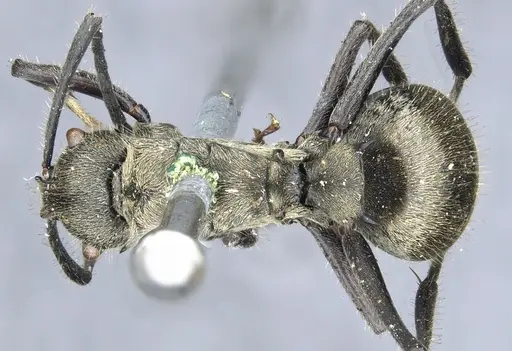
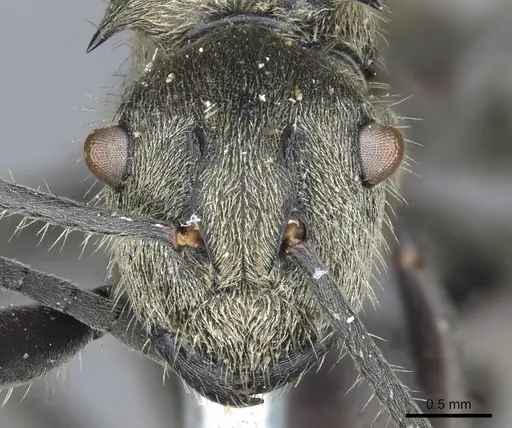
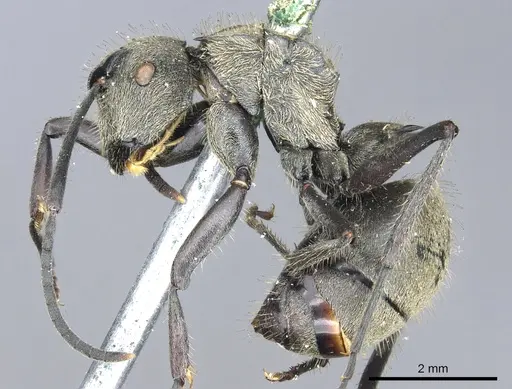
CASENT0910937
View on AntWeb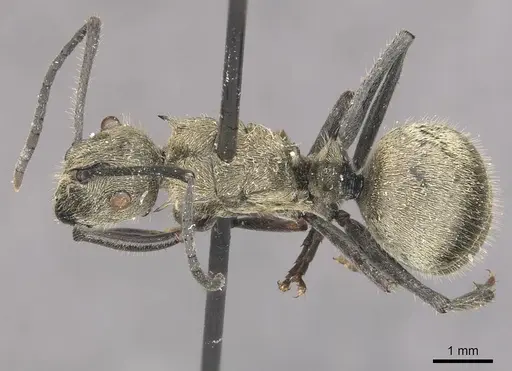
FOCOL0090
View on AntWeb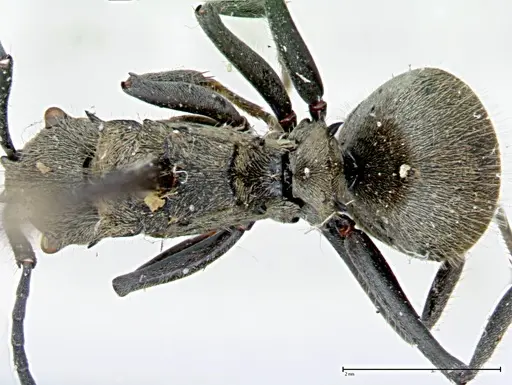
FOCOL0091
View on AntWeb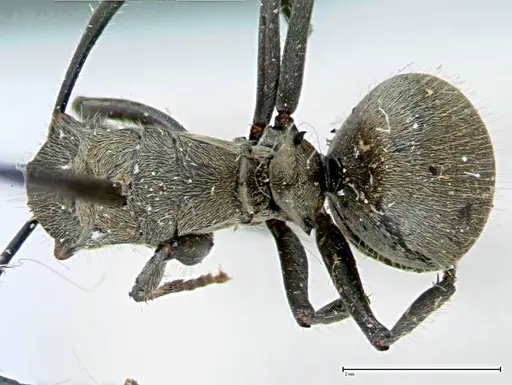
FOCOL0092
View on AntWeb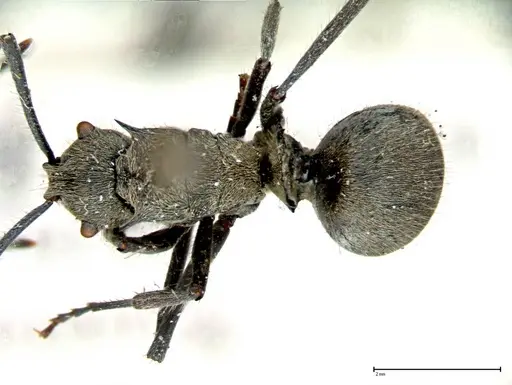
Literature
Loading...Loading products...