

Polyrhachis wheeleri
- Scientific Name
- Polyrhachis wheeleri
- Subgenus
- Myrmhopla
- Tribe
- Camponotini
- Subfamily
- Formicinae
- Author
- Mann, 1919
- Distribution
- Found in 2 countries
Polyrhachis wheeleri Overview
Polyrhachis wheeleri is an ant species of the genus Polyrhachis. It is primarily documented in 2 countries , including Malaysia, Solomon Islands. Detailed taxonomic data and occurrence records can be further explored via authoritative databases such as AntWeb or the Global Biodiversity Information Facility (GBIF).
Polyrhachis wheeleri
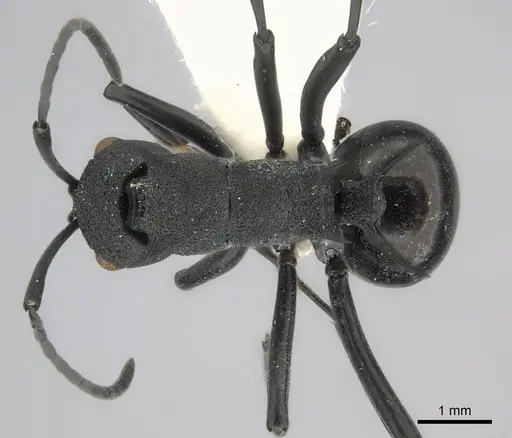
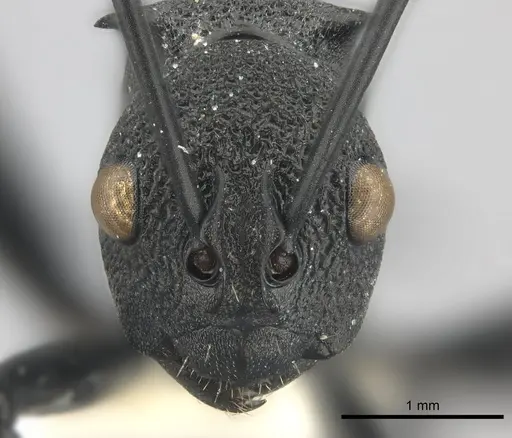
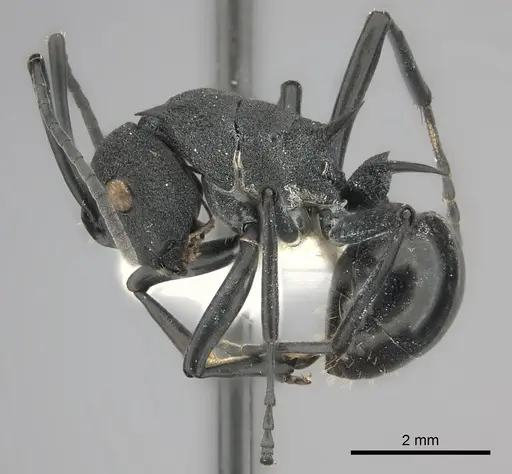
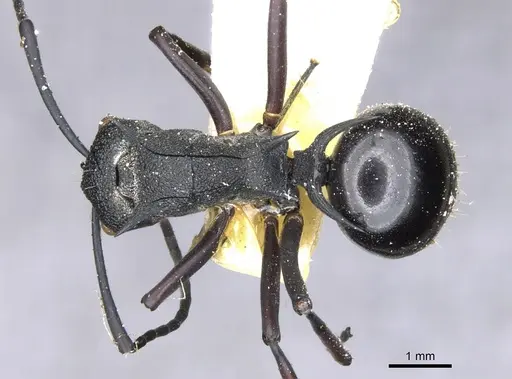
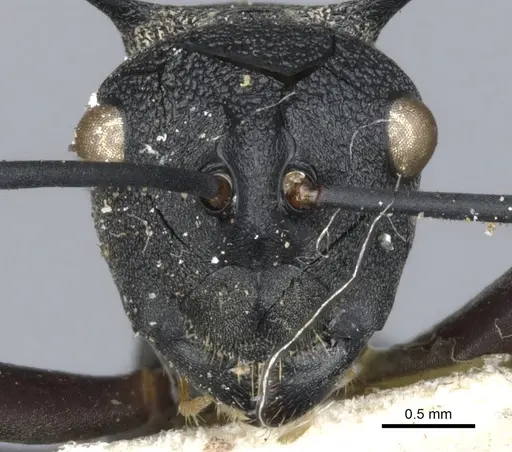
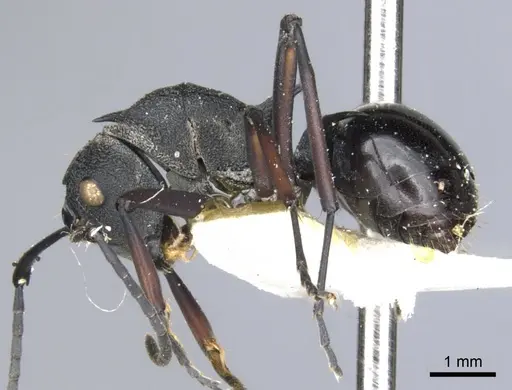
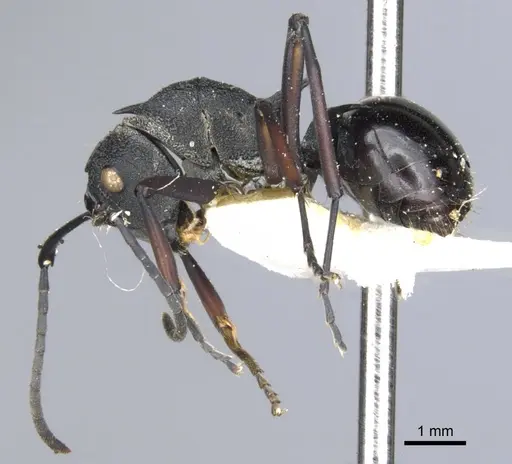
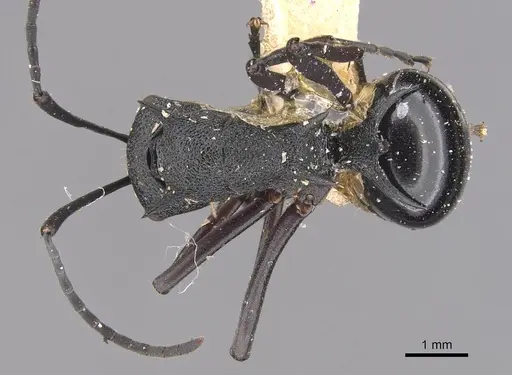
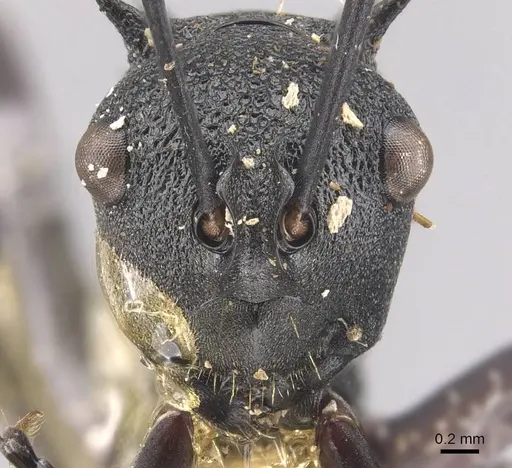
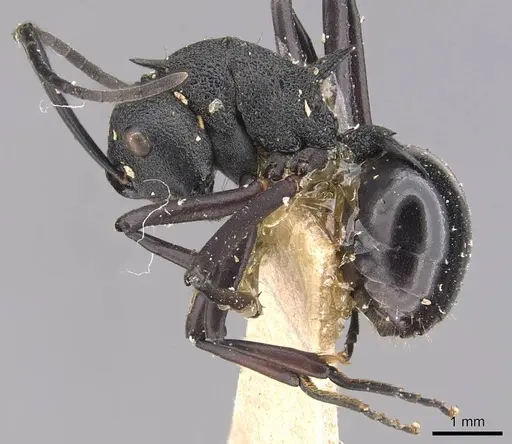
Polyrhachis wheeleri is a medium-sized arboreal ant belonging to the subgenus Myrmhopla (armata-group). Workers are typically 6-9mm with the characteristic spiny protrusions on the thorax that define the Polyrhachis genus. They display the fascinating behavior of using silk to construct protective nests among foliage, similar to weaver ants but in the Myrmhopla group. This species originates from the Solomon Islands and regions of Borneo, Indonesia, and Malaysia, where they inhabit forest canopies rather than ground-level nests [1][2].
These ants are arboreal nesters, meaning they naturally build their colonies among leaves and branches in trees rather than in soil or rotting wood. Their use of silk to bind leaves together creates secure nest chambers that protect the colony. This makes them a visually interesting species to observe as they tend their brood within these silk-woven structures. They are tropical ants from warm, humid island environments.
Quick Summary
- Difficulty: Medium
- Origin & Habitat: Solomon Islands (Makira, Guadalcanal, Malaita, Ysabel) and Borneo/Indonesia/Malaysia region. They are arboreal, nesting in forest canopies using silk to bind leaves together [1][2].
- Colony Type: Colony structure is unconfirmed. Polyrhachis species can be single-queen or multi-queen depending on the specific species, but P. wheeleri specifically has not been studied in detail.
- Founding: Claustral
- Size & Growth:
- Queen: Estimated 10-12mm based on genus patterns, not directly measured for this species
- Worker: Estimated 6-9mm based on genus morphology [1]
- Colony: Unknown for this specific species, Polyrhachis colonies can range from dozens to several hundred workers
- Growth: Moderate, estimated based on typical Polyrhachis development
- Development: Estimated 6-8 weeks at optimal tropical temperatures (25-28°C) (Development time inferred from related Polyrhachis species, direct data for P. wheeleri not available)
- Antkeeping:
- Temperature: Keep at 24-28°C. These are tropical ants from Solomon Islands that need warm, stable conditions. A heating cable on one side of the nest creates a gentle gradient [2].
- Humidity: High humidity (70-80%) is essential. Arboreal ants need moist air and regular misting. The nest should be kept humid but with some ventilation to prevent mold. Provide a water tube for drinking access.
- Diapause: No, this is a tropical species that does not require hibernation. Keep temperatures consistent year-round.
- Nesting: Arboreal setup works best. Provide branches, leaves, or cork bark positioned vertically. They will use silk to construct their own nests among these materials. A naturalistic setup with live plants or artificial foliage allows them to exhibit their natural weaving behavior. Alternatively, a Y-tong or acrylic nest with vertical orientation and multiple chambers can work.
- Behavior: Generally calm and non-aggressive compared to some ground-nesting ants. Workers are active foragers that will search for honeydew and small prey. They are not known for being particularly defensive, but will protect their nest if threatened. Escape prevention is important, use standard barriers. Their arboreal nature means they will explore vertical space extensively.
- Common Issues: tropical temperature requirements mean colonies can struggle in cool rooms without heating, arboreal nesting means they need vertical space, horizontal-only setups may cause stress, silk-nesting behavior requires appropriate materials, they won't thrive in bare test tubes, high humidity needs can lead to mold if ventilation is inadequate, limited availability in the antkeeping hobby means established colonies are rare
Housing and Nest Setup
Polyrhachis wheeleri requires an arboreal-style setup that mimics their natural tree-dwelling habitat. Unlike ground-nesting ants that thrive in test tubes, these ants need vertical space and materials they can use for silk nest construction. The best approach combines an outworld with branches, cork bark pieces, or even live plants where workers can build their silk nests among the foliage.
For a naturalistic setup, provide multiple layers of leaves or artificial foliage secured in place. Workers will weave these together using silk, creating characteristic nest structures. Alternatively, you can use a Y-tong or acrylic formicarium oriented vertically with multiple chambers connected by tubes to vertical spaces. The key is giving them height and materials they can manipulate.
The outworld should be spacious enough for foraging and include a water source. These ants are arboreal but will come down to forage, so they need floor space as well as vertical climbing opportunities. Fluon barriers on the rim of the enclosure help prevent escapes. [1]
Feeding and Diet
Like most Polyrhachis species, P. wheeleri is omnivorous with a preference for sweet liquids and protein. In captivity, offer sugar water or honey water as a constant energy source. For protein, provide small insects such as fruit flies, pinhead crickets, or mealworms. They are arboreal foragers that will readily accept honeydew if you have live plants with aphids or scale insects.
Feed small amounts of protein 2-3 times per week, removing any uneaten prey after 24 hours. Sugar water should be available continuously via a cotton swab or small container, refreshed every few days. Observe your colony's preferences, some colonies favor certain foods over others. Fresh fruit slices (especially citrus or melon) can also be offered occasionally.
Because they nest in vegetation, live plants in the setup can provide natural honeydew sources and make the enclosure more enriching for the ants. However, ensure any plants are pest-free before introducing them.
Temperature and Heating
As a tropical species from the Solomon Islands, Polyrhachis wheeleri requires warm temperatures between 24-28°C (75-82°F). Room temperature alone is often insufficient, especially in climate-controlled buildings. Use a heating cable or small heat mat placed on one side of the nest area to create a temperature gradient.
Place the heating element on top of the nest material rather than underneath to avoid excessive drying. The warm side should reach around 28°C while allowing the ants to move to cooler areas if needed. Monitor with a thermometer to ensure temperatures stay in range. Avoid direct hot spots that could harm the colony.
Consistency matters more than exact temperature, avoid dramatic fluctuations. Tropical ants do not tolerate cold well, and temperatures below 20°C for extended periods can weaken or kill colonies. If your room temperature is below 24°C, heating is essential. [2]
Humidity and Water
High humidity is critical for this species, aim for 70-80% relative humidity. Arboreal ants from tropical forests are adapted to consistently moist conditions. Use a substrate of moist coco fiber or soil in part of the setup, and mist the enclosure regularly. However, balance humidity with adequate ventilation to prevent mold growth.
Provide a water tube with a cotton plug as a drinking source. Arboreal ants will readily drink from water droplets on leaves or from tubes. The nest area should remain damp but not waterlogged. If you see excessive condensation pooling, improve ventilation, if the setup dries too quickly between mistings, reduce airflow.
Monitor for mold which can quickly overwhelm arboreal setups. Remove any moldy materials immediately and improve ventilation. A small amount of mold is normal in humid setups, but excessive mold is harmful to ant colonies.
Colony Development and Growth
Colony growth is moderate rather than rapid. A newly mated queen will found her colony claustrally, sealing herself in a chamber and raising the first workers (nanitics) on her stored fat reserves. The first workers are typically smaller than mature workers. Once the nanitics emerge, the queen reduces her egg-laying as workers take over foraging and brood care.
Expect 6-8 weeks from egg to first worker at optimal temperatures. After that, growth depends on feeding and temperature. A healthy colony may reach 50-100 workers within the first year under good conditions. Polyrhachis colonies do not grow as large as some genera like Camponotus or Formica, expect moderate numbers rather than massive colonies.
Patience is key with this species. Unlike fast-growing house ants, Polyrhachis takes its time developing. Do not overfeed as excess food mold can quickly become a problem. Small, regular feedings are better than large meals.
Frequently Asked Questions
Can I keep Polyrhachis wheeleri in a test tube?
No, they are arboreal ants that need vertical space and materials for silk nest construction. A test tube alone will not allow them to exhibit natural behavior. Use a naturalistic setup with branches, leaves, or cork bark where they can build their characteristic silk-woven nests.
What temperature do Polyrhachis wheeleri ants need?
Keep them at 24-28°C (75-82°F). These tropical ants from the Solomon Islands need warm conditions year-round. Use a heating cable or heat mat to maintain temperatures if your room is cooler.
How long does it take for first workers to appear?
Expect 6-8 weeks from egg to first worker at optimal tropical temperatures (25-28°C). This is an estimate based on related Polyrhachis species, specific development data for P. wheeleri is not available.
Do Polyrhachis wheeleri ants need hibernation?
No, they are tropical ants and do not require hibernation. Keep temperatures consistent year-round. Temperatures below 20°C for extended periods can be harmful to this species.
What do Polyrhachis wheeleri ants eat?
They are omnivorous. Offer sugar water or honey water as a constant energy source, and protein sources like small insects (fruit flies, pinhead crickets, mealworms) 2-3 times per week. They will also accept honeydew from live plants if available.
Are Polyrhachis wheeleri good for beginners?
They are rated as medium difficulty. The main challenges are providing proper arboreal housing with vertical space and maintaining tropical temperature and humidity levels. If you can provide these conditions, they are manageable for intermediate antkeepers.
How big do Polyrhachis wheeleri colonies get?
Colony size is not well documented for this specific species. Based on typical Polyrhachis patterns, colonies likely reach dozens to a few hundred workers rather than thousands. They are moderate-sized colonies.
When should I move my colony to a formicarium?
Move them when the colony reaches around 30-50 workers and you see them struggling in the founding setup. For arboreal species, ensure the formicarium provides vertical space and materials for nest construction. A naturalistic setup often works better than standard formicaria.
Can I keep multiple queens together?
The colony structure for this specific species has not been documented. Polyrhachis species vary, some are single-queen, others can have multiple queens. Without specific data for P. wheeleri, it is not recommended to combine unrelated foundress queens as this has not been studied.
References

This caresheet is licensed under CC BY-SA 4.0 .
Literature
Loading...Loading products...