

Polyrhachis wardi
- Scientific Name
- Polyrhachis wardi
- Subgenus
- Aulacomyrma
- Tribe
- Camponotini
- Subfamily
- Formicinae
- Author
- Kohout, 2007
- Distribution
- Found in 1 countries
Polyrhachis wardi Overview
Polyrhachis wardi is an ant species of the genus Polyrhachis. It is primarily documented in 1 countries , including Papua New Guinea. Detailed taxonomic data and occurrence records can be further explored via authoritative databases such as AntWeb or the Global Biodiversity Information Facility (GBIF).
Polyrhachis wardi
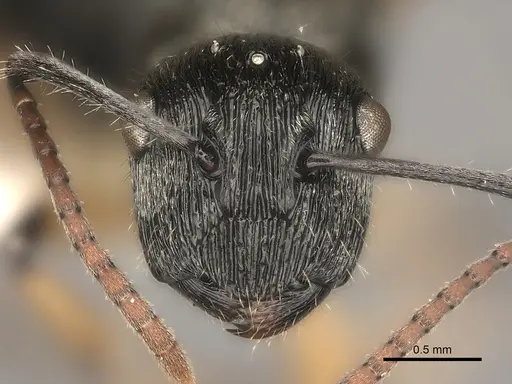
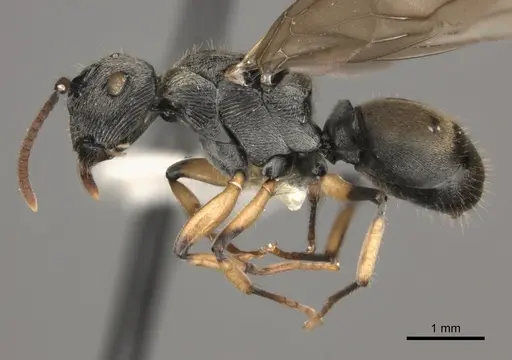
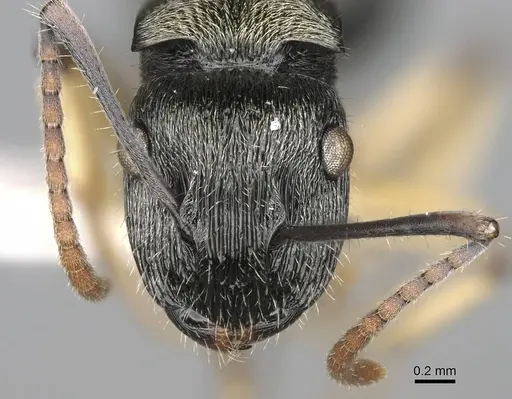
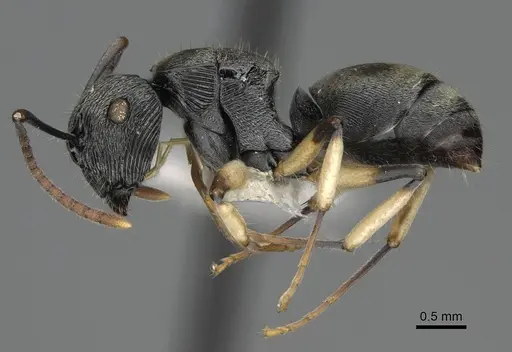
Polyrhachis wardi is a small, striking ant species native to New Guinea, specifically found in the East Sepik Province of Papua New Guinea. Workers measure 4.3-5.1mm and queens reach 5.8-6.1mm, making them a modest-sized species within the genus. They are easily recognized by their distinctive propodeal teeth, short, blunt projections on the rear of the mesosoma that point sideways. Their body is predominantly black with reddish-brown leg tips and funiculi, and they have a covering of short, silvery and yellowish hairs. This species belongs to the subgenus Aulacomyrma, which is known for wood-nesting habits and the presence of cocoons around their pupae. The species was described in 2007 by Kohout and named after the collector, Dr. Phil S. Ward.
Quick Summary
- Difficulty: Unknown, limited data available
- Origin & Habitat: New Guinea, specifically East Sepik Province, Papua New Guinea, collected at 400m altitude near Wewak [1]
- Colony Type: Unconfirmed, colony structure has not been documented in scientific literature
- Size & Growth:
- Queen: 5.8-6.1mm [1]
- Worker: 4.3-5.1mm [1]
- Colony: Unknown, no colony size data available
- Growth: Unknown, no development data available
- Development: Unknown, not directly studied. Based on typical Polyrhachis patterns (tropical wood-nesting species), estimate 6-10 weeks at optimal temperature (This is a rough estimate based on genus-level patterns, not species-specific data)
- Antkeeping:
- Temperature: Unconfirmed. As a New Guinea tropical species, likely prefer warm conditions around 24-28°C. Start in this range and observe colony activity
- Humidity: Unconfirmed. Being lignicolous (wood-nesting), they likely prefer moderate to high humidity with some drier areas in the nest. Keep nest substrate lightly moist
- Diapause: Unlikely, tropical species from New Guinea do not typically experience cold winters. No diapause requirement expected
- Nesting: Lignicolous (wood-nesting) species, they naturally nest in rotting wood. Y-tong (AAC) nests, acrylic nests with wood inserts, or naturalistic setups with rotting wood pieces work well. Avoid entirely plaster or soil nests unless they show acceptance
- Behavior: Undocumented in captivity. Based on genus patterns, Polyrhachis are typically moderate to slow-moving, not particularly aggressive, and may be somewhat shy. They are arboreal to semi-arboreal, often foraging on vegetation. Escape risk is moderate given their 4-5mm size, standard barriers should suffice but fine mesh is recommended as a precaution. They likely construct cocoons around their pupae like other Polyrhachis species [2][3].
- Common Issues: limited biological data makes care recommendations uncertain, much is inferred from genus patterns, wild-caught colonies may have parasites or diseases not yet documented, tropical origin means they may be sensitive to temperature drops below 20°C, wood-nesting preference means they may reject non-wood nest options, slow growth or poor acceptance of captive diets if not properly matched to their preferences
Nest Preferences and Housing
Polyrhachis wardi is a lignicolous species, meaning it naturally nests in rotting wood [2][3]. In captivity, you should provide nest options that mimic this preference. Y-tong (AAC) nests work well because they offer dark, enclosed chambers similar to what the ants would find in nature. Acrylic nests with wood inserts are another good option, or you can create a naturalistic setup with small pieces of rotting wood. The ants will likely reject entirely plaster or soil-based formicaria if given a choice. Ensure the nest has some humidity regulation since wood-nesting species prefer moist but not waterlogged conditions. The colony will need space to expand as it grows, so consider future-proofing with a connected outworld.
Feeding and Diet
The specific diet of Polyrhachis wardi has not been documented, but Polyrhachis species are typically omnivorous, feeding on honeydew from aphids and scale insects, nectar from plants, and small insects for protein. In captivity, offer a varied diet including sugar water or honey as a constant energy source. For protein, provide small insects like fruit flies, small mealworms, or cricket pieces. Since they are a smaller species (workers 4-5mm), prey items should be appropriately sized. Observe what your colony accepts and adjust accordingly. Fresh food should be removed within 24-48 hours to prevent mold in the nest area.
Temperature and Humidity
As a tropical species from New Guinea, Polyrhachis wardi likely prefers warm and humid conditions. Aim for temperatures in the range of 24-28°C, which mimics their natural lowland tropical habitat. Avoid temperatures below 20°C for extended periods, as this could stress or kill the colony. For humidity, keep the nest substrate lightly moist, think damp forest floor rather than wet swamp. You can achieve this by providing a water reservoir connected to the nest or by occasionally misting the outworld. Ensure some ventilation to prevent mold while maintaining humidity. A small water dish in the outworld also helps with both drinking and humidity.
Behavior and Temperament
Specific behavioral observations for Polyrhachis wardi are not documented in scientific literature. However, the genus Polyrhachis is generally known for being moderate-tempered, not particularly aggressive but capable of defending if threatened. They are semi-arboreal, often foraging on vegetation and tree bark in the wild. Workers move at a moderate pace and are not erratic. They construct cocoons around their pupae, which is a notable trait of the subgenus Aulacomyrma [2][3]. In captivity, they will likely be shy and may not venture far from the nest initially. Provide a properly sized outworld with foraging opportunities and they should become more active once established.
Colony Establishment and Growth
Since the founding behavior of Polyrhachis wardi has not been documented, we must rely on genus-level patterns. Most Formicinae ants (the subfamily to which Polyrhachis belongs) are claustral, meaning the queen seals herself in a chamber and lives off her stored fat reserves until the first workers emerge. For P. wardi, you should expect a claustral founding, but this is inferred, not confirmed. The first workers (nanitics) will likely be smaller than normal workers. Growth rate is unknown, but tropical Polyrhachis species typically develop from egg to worker in 6-10 weeks under optimal conditions. Be patient with founding colonies, they can take months to establish, and stress from disturbance should be minimized.
Frequently Asked Questions
How long does it take for Polyrhachis wardi to produce first workers?
The exact timeline is unknown, this species has not been studied in detail. Based on typical Polyrhachis patterns (tropical, wood-nesting), expect 6-10 weeks from egg to first worker at optimal temperature (around 26°C). This is an estimate, not a confirmed timeline.
What is the best nest type for Polyrhachis wardi?
They are lignicolous (wood-nesting), so Y-tong (AAC) nests or acrylic nests with wood inserts work best. They will likely reject plaster or soil nests. Provide a dark, enclosed space that mimics rotting wood.
Do Polyrhachis wardi ants need hibernation?
No. As a tropical species from New Guinea, they do not require hibernation or diapause. Keep them warm year-round at 24-28°C.
What do Polyrhachis wardi ants eat?
Specific dietary data is unavailable, but Polyrhachis species are typically omnivorous. Offer sugar water or honey constantly, and protein sources like small fruit flies, mealworms, or cricket pieces. Size prey appropriately for their 4-5mm workers.
Are Polyrhachis wardi good for beginners?
This species is not recommended for beginners due to limited biological data. Much of their care must be inferred from genus patterns rather than species-specific research. If you have experience with Polyrhachis or other Formicinae, this can be an interesting species to keep.
How big do Polyrhachis wardi colonies get?
Colony size is unknown, no scientific data exists on maximum colony size for this species. Based on worker size (4-5mm) and genus patterns, colonies likely reach several hundred workers at most, but this is an estimate.
Can I keep multiple queens together?
The colony structure of Polyrhachis wardi has not been documented. Most Polyrhachis species are monogyne (single queen), but this is not confirmed for P. wardi. Do not attempt to combine unrelated queens without evidence they will accept each other.
What temperature should I keep Polyrhachis wardi at?
Aim for 24-28°C. This is inferred from their tropical New Guinea origin. Avoid temperatures below 20°C. Use a heating cable on one side of the nest to create a gentle gradient if your room temperature is below this range.
Why is so little known about Polyrhachis wardi?
This species was only described in 2007 and is found in a remote region of Papua New Guinea. It has not been the subject of ecological or behavioral studies. Most ant species are poorly studied, and this is especially true for tropical species from less-accessible regions.
References

This caresheet is licensed under CC BY-SA 4.0 .
CASENT0217442
View on AntWeb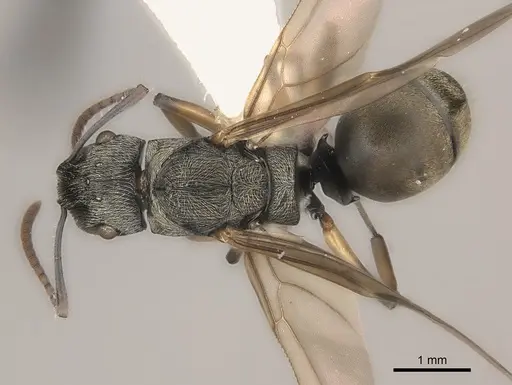
CASENT0217443
View on AntWeb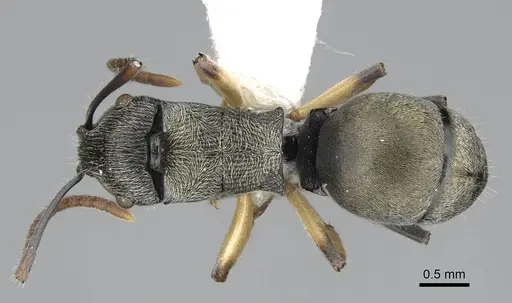
Literature
Loading...Loading products...