

Polyrhachis viscosa
- Scientific Name
- Polyrhachis viscosa
- Subgenus
- Myrma
- Tribe
- Camponotini
- Subfamily
- Formicinae
- Author
- Smith, 1858
- Distribution
- Found in 7 countries
Polyrhachis viscosa Overview
Polyrhachis viscosa is an ant species of the genus Polyrhachis. It is primarily documented in 7 countries , including Côte d'Ivoire, Ghana, Kenya. Detailed taxonomic data and occurrence records can be further explored via authoritative databases such as AntWeb or the Global Biodiversity Information Facility (GBIF).
Polyrhachis viscosa
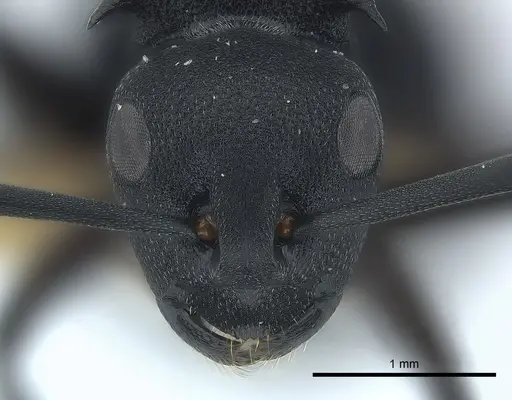
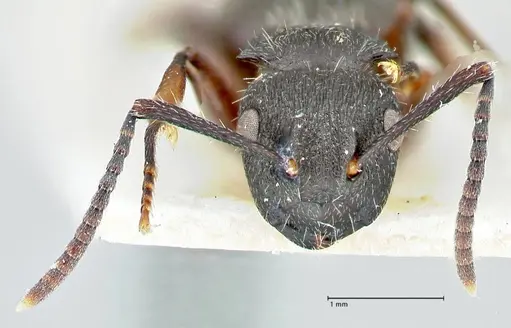
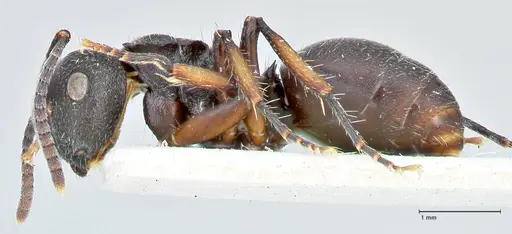
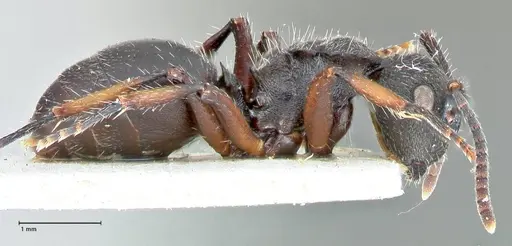
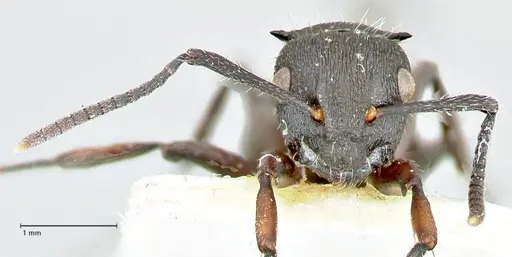
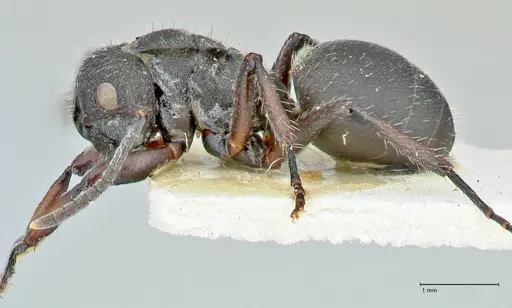
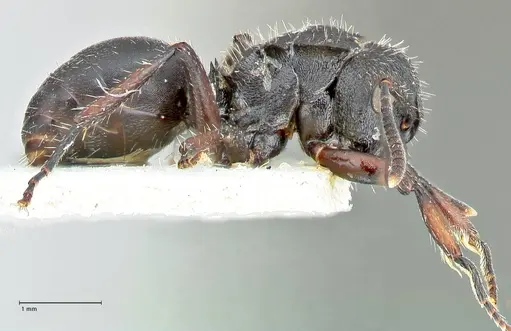
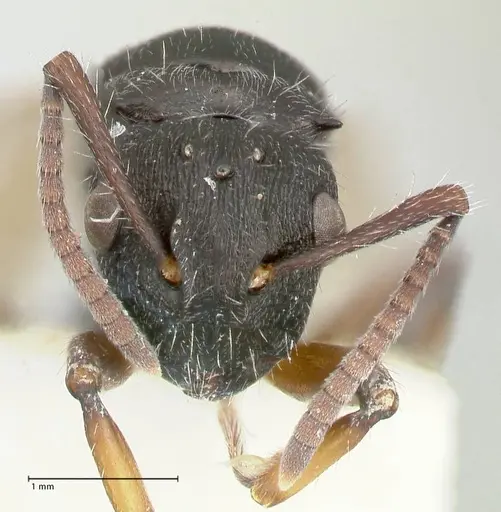
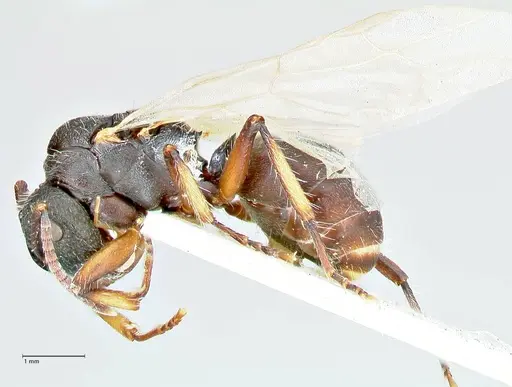
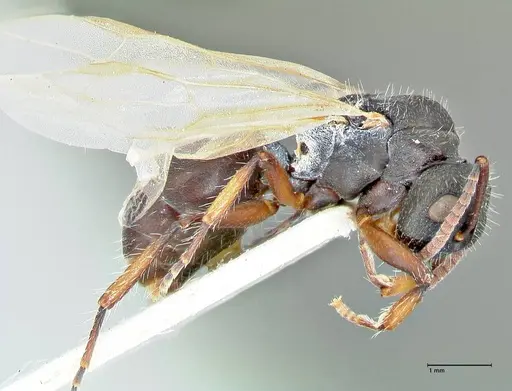
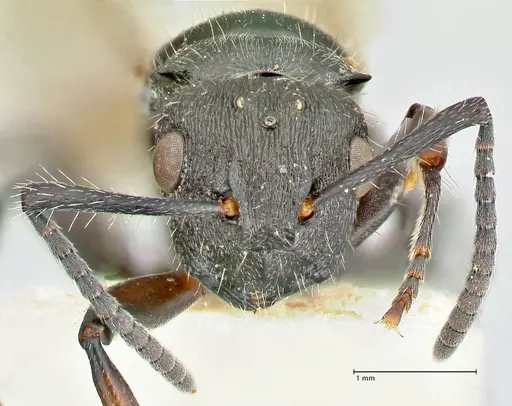
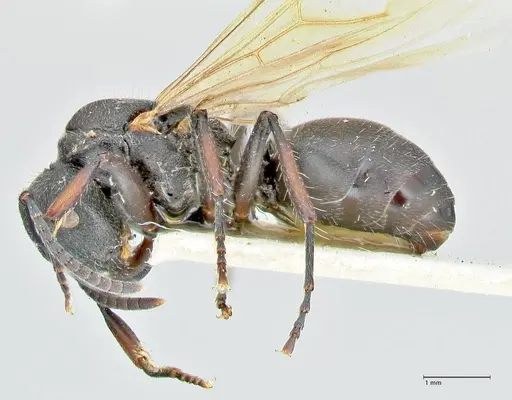
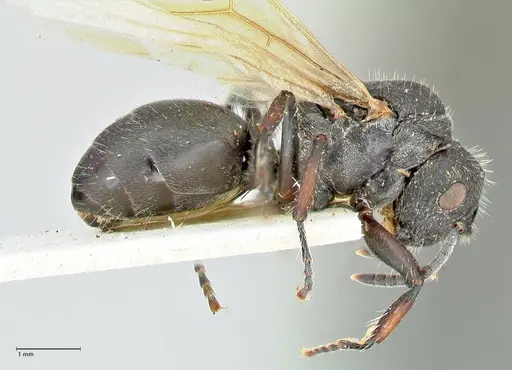
Polyrhachis viscosa is a medium-sized African ant with a total length of 5.9-7.6 mm [1]. Workers have a uniquely widened antennal scape that forms a hood-like structure, which is distinctive among all African Polyrhachis species [2]. They possess long pronotal spines and short, upcurved propodeal teeth [2]. This savannah species ranges across sub-Saharan Africa, from Ghana to South Africa, and nests directly in sandy soil in open localities [3][1].
Quick Summary
- Difficulty: Medium
- Origin & Habitat: Savannah and arid-zone species found across sub-Saharan Africa, including Burkina Faso, Ghana, Kenya, Sudan, Tanzania, and South Africa [4][1]. They nest in sandy soil in open areas and forage on the ground and vegetation [3].
- Colony Type: Colony structure is unconfirmed. No specific data on queen number or social structure is available from the research.
- Size & Growth:
- Queen:{.size-link} Size data unavailable for queens. Based on Polyrhachis genus patterns, queens are likely larger than workers, but no total length measurements are provided.
- Worker:{.size-link} 5.9-7.6 mm [1]
- Colony: Unknown, no data on maximum colony size.
- Growth: Unknown
- Development: Unconfirmed, no species-specific data available. (Development timeline has not been studied for this species. Pupal cocoons are present, indicating complete metamorphosis [5].)
- Antkeeping:
- Temperature: Keep warm, around 24-28°C, with a gentle gradient to allow ants to regulate their temperature. This is inferred from their savannah distribution.
- Humidity: Provide a humidity gradient, mostly dry nest chamber with a small moist area, as they are adapted to dry savannah conditions [3].
- Diapause: Unconfirmed, likely no true diapause due to tropical/subtropical distribution, but may show reduced activity in cooler periods.
- Nesting: Subterranean nesters that dig directly into sandy soil [5][3]. Recommended nests include Y-tong (AAC) or plaster nests with a sandy substrate layer. Include an outworld with climbing opportunities for foraging.
- Behavior: Workers are active foragers that search on the ground and climb vegetation [3]. They are generalist feeders and moderately aggressive when defending the nest. Escape risk is moderate due to their size, standard barriers like Fluon are sufficient. Defense mechanism involves spraying formic acid, as they lack a functional sting.
- Common Issues: colonies may be difficult to establish from founding queens due to unknown claustral requirements, escape prevention is needed, workers can climb, so ensure secure barriers on containers, humidity control is important, too wet causes mold, too dry causes desiccation, wild-caught colonies may carry parasites that affect captive survival
Nest Preferences and Housing
In the wild, Polyrhachis viscosa nests subterranean in sandy soil [5][3]. For captive care, provide a nest with a sandy substrate layer they can burrow into, such as a Y-tong (AAC) nest or plaster nest with a dirt section. Include an outworld with branches or mesh for climbing, as they forage on vegetation [3]. Test tube setups work for founding colonies, use a damp cotton ball for humidity and offer small prey once eggs are laid.
Feeding and Diet
Polyrhachis viscosa is a generalist forager that hunts on the ground and climbs vegetation [3]. They likely prey on small insects and collect honeydew. In captivity, offer small live insects like fruit flies or mealworms, and sugar sources like honey water. Feed protein 2-3 times per week and keep a sugar water source available.
Temperature and Seasonal Care
As a savannah species, they prefer warm conditions. Keep the nest at 24-28°C with a temperature gradient. Room temperature around 22-24°C is acceptable, but use a heating cable if needed. They likely do not require hibernation, but may slow down in cooler months, reduce feeding slightly if activity decreases.
Behavior and Colony Dynamics
Workers are active foragers that travel on ground and vegetation [3]. They have distinctive spines for defense and a unique antennal scape [2]. Alate females have been recorded in Sudan during August [3]. Colonies produce pupal cocoons [5]. Defense involves spraying formic acid, as they lack a sting.
Frequently Asked Questions
How long does it take for Polyrhachis viscosa to produce first workers?
The exact timeline is unconfirmed. Based on typical Polyrhachis patterns, it may take 6-10 weeks from egg to worker at optimal temperatures, but this is inferred and not species-specific.
What do Polyrhachis viscosa ants eat?
They are generalist foragers that likely prey on small insects and collect honeydew. In captivity, offer small live prey like fruit flies and sugar sources like honey water.
Can I keep Polyrhachis viscosa in a test tube?
Yes, test tubes work for founding colonies. Provide a damp cotton ball for humidity and keep warm. Once the colony grows, move to a nest with sandy substrate.
Are Polyrhachis viscosa good for beginners?
This species is rated Medium difficulty. Limited specific care information is available, so experience with similar species is helpful.
What temperature is best for Polyrhachis viscosa?
Keep them at 24-28°C with a gradient. This is inferred from their savannah distribution.
How big do Polyrhachis viscosa colonies get?
Colony size is unknown. No data on maximum size is available from research.
Do Polyrhachis viscosa need hibernation?
Diapause requirements are unconfirmed. Given their tropical distribution, they likely do not need hibernation, but may reduce activity in cooler periods.
When should I move my Polyrhachis viscosa colony to a formicarium?
Move from a test tube once the colony has several workers and shows tunneling behavior. Provide a nest with sandy substrate and an outworld for climbing.
Why is my Polyrhachis viscosa colony dying?
Common issues include incorrect temperature (too cold), improper humidity (too wet or dry), inadequate feeding, or stress from disturbance. Ensure warm temperatures, moderate humidity gradient, and varied diet.
Report an Issue
The current care sheet is based fully on literature. See inconsistencies, or something that's incorrect? Please , it will be resolved after review from an admin. Contributing to the blogs tab also helps providing information, to make us be able to further improve the caresheets. Thank you for your support!
References

This caresheet is licensed under CC BY-SA 4.0 .
CASENT0227561
View on AntWeb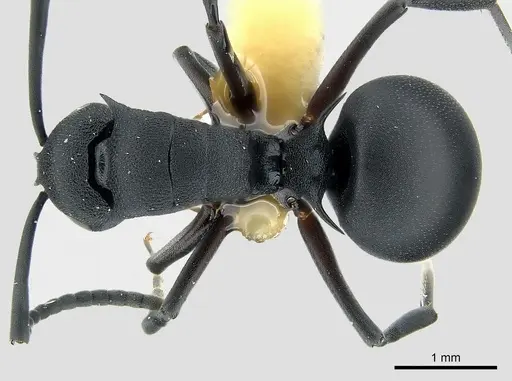
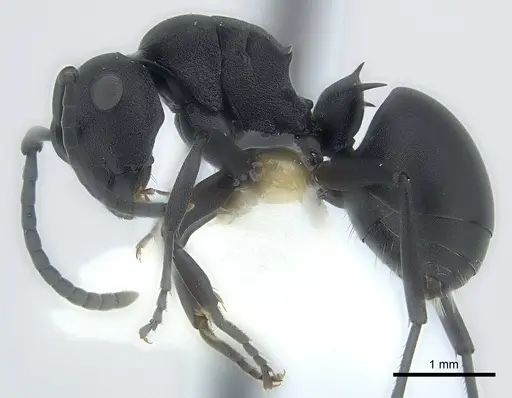
CASENT0235675
View on AntWeb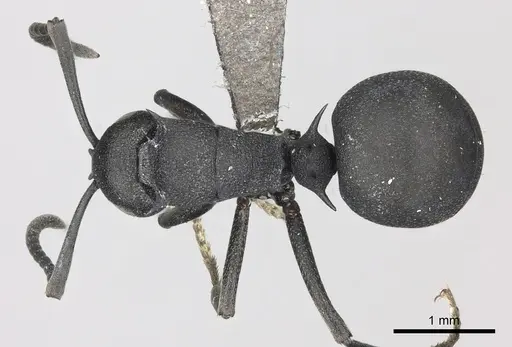
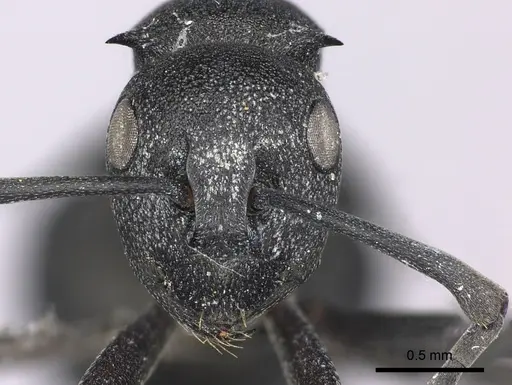
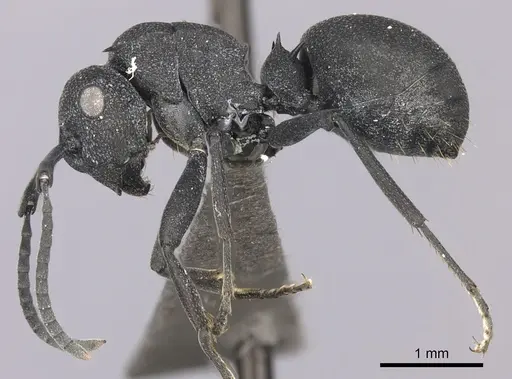
CASENT0281457
View on AntWeb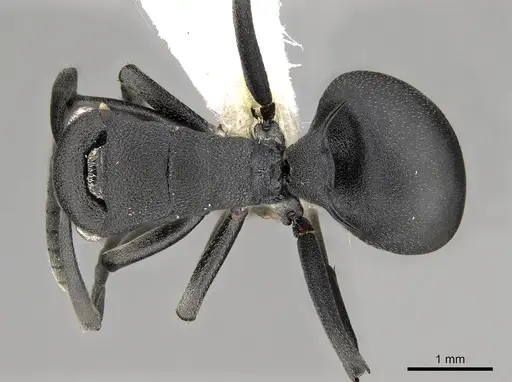
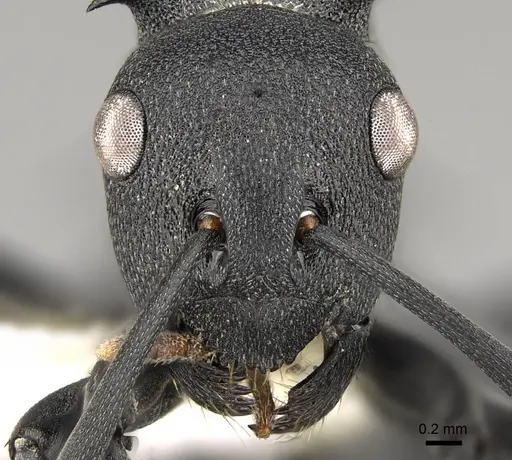
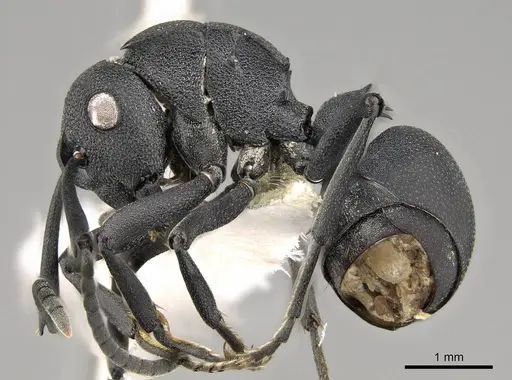
CASENT0797843
View on AntWeb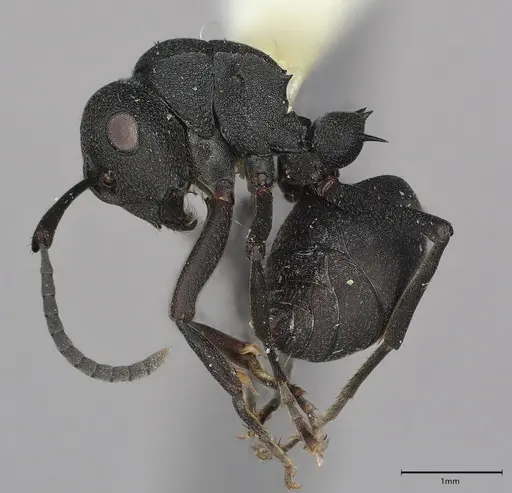
CASENT0903462
View on AntWeb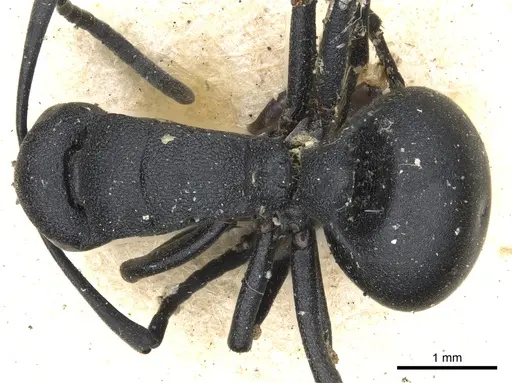
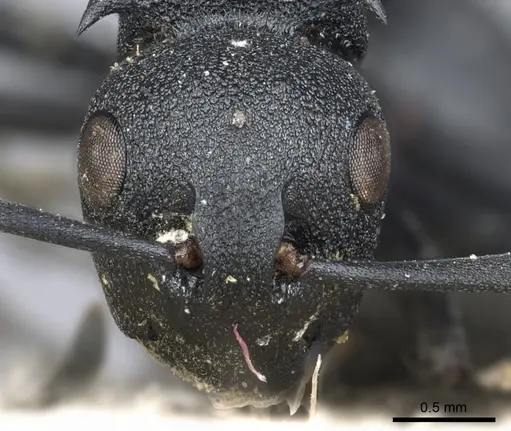
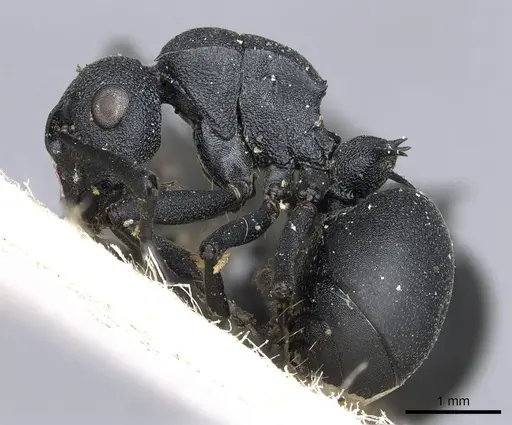
CASENT0905621
View on AntWeb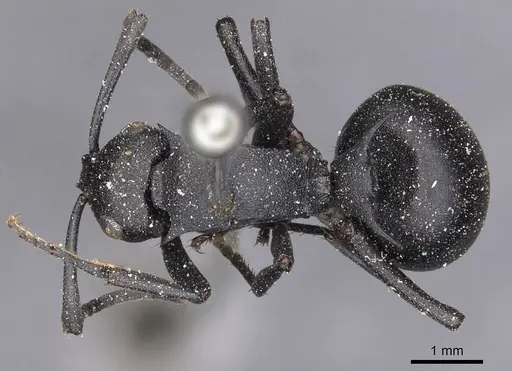
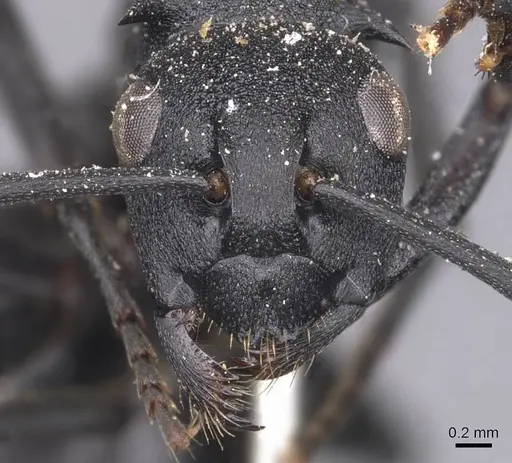
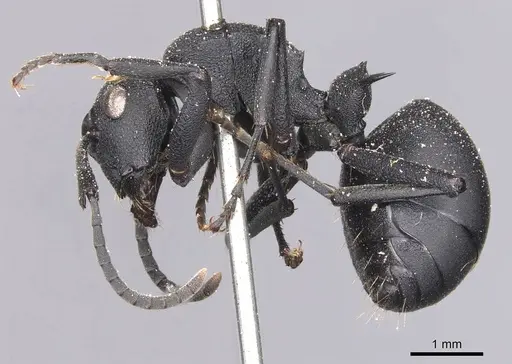
CASENT0912141
View on AntWeb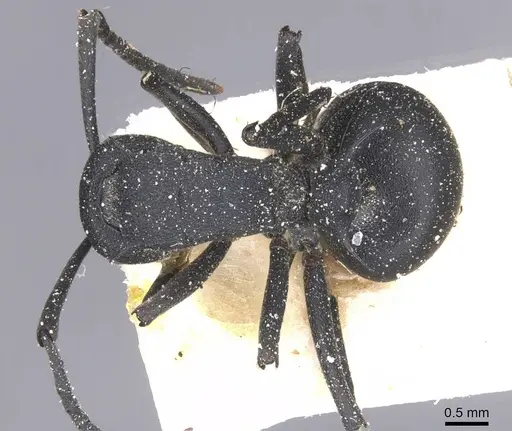
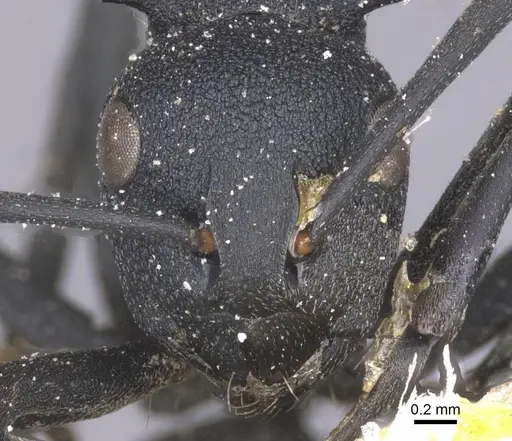
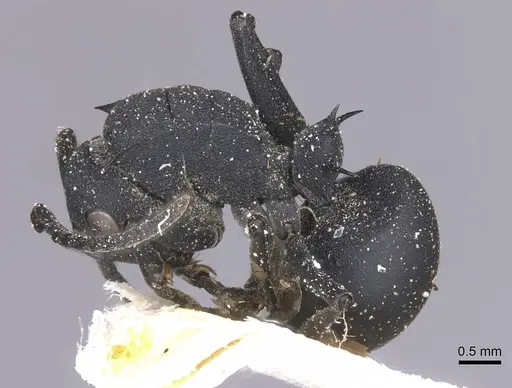
FOCOL2586
View on AntWeb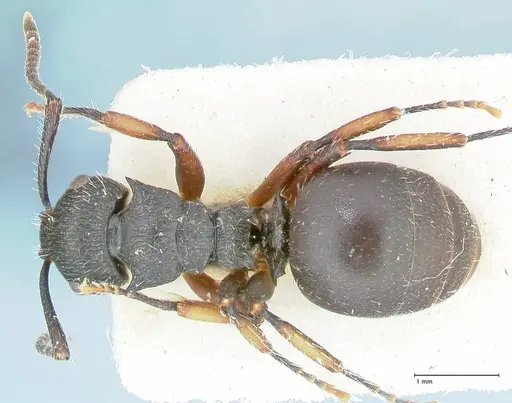
FOCOL2587
View on AntWeb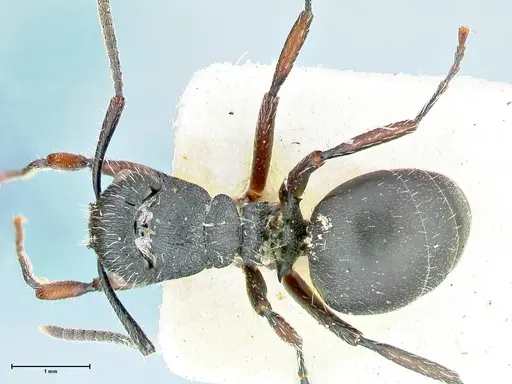
FOCOL2588
View on AntWeb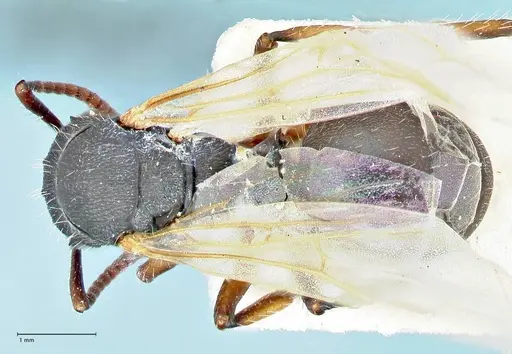
FOCOL2589
View on AntWeb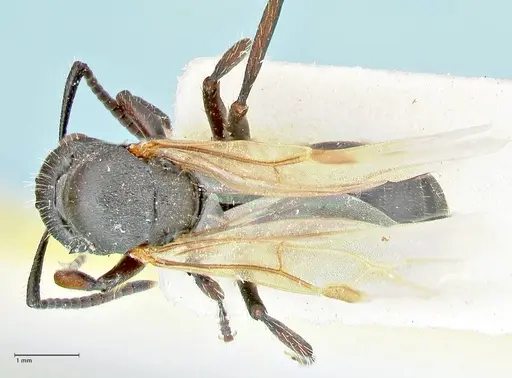
Literature
Loading...Loading products...