

Polyrhachis vindex
- Scientific Name
- Polyrhachis vindex
- Subgenus
- Myrma
- Tribe
- Camponotini
- Subfamily
- Formicinae
- Author
- Smith, 1857
- Distribution
- Found in 1 countries
Polyrhachis vindex Overview
Polyrhachis vindex is an ant species of the genus Polyrhachis. It is primarily documented in 1 countries , including Malaysia. Detailed taxonomic data and occurrence records can be further explored via authoritative databases such as AntWeb or the Global Biodiversity Information Facility (GBIF).
Polyrhachis vindex
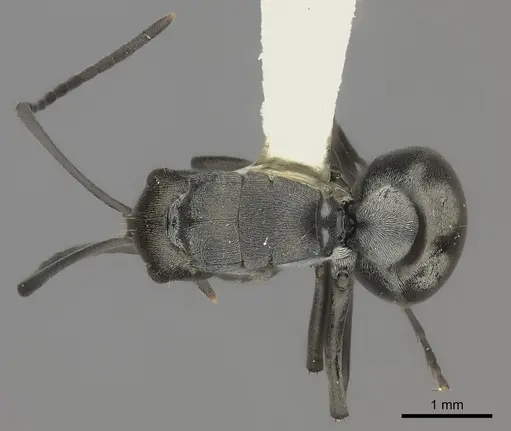
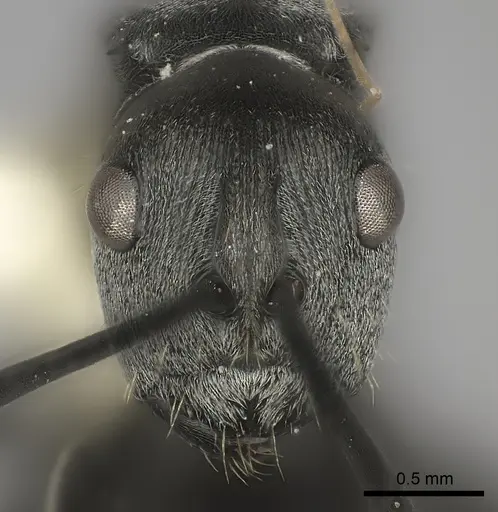
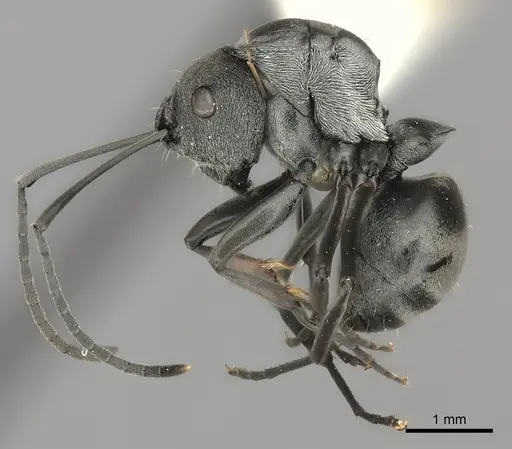
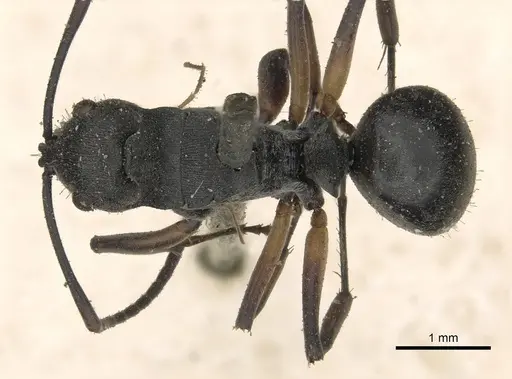
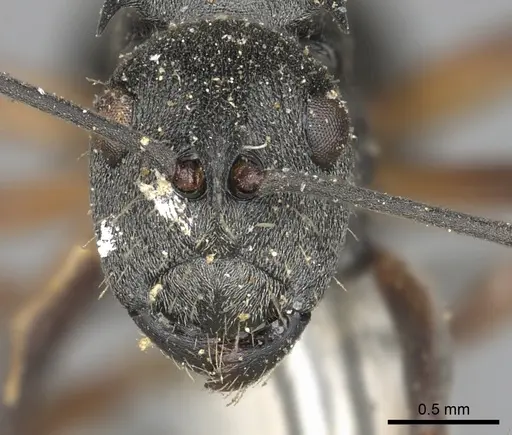
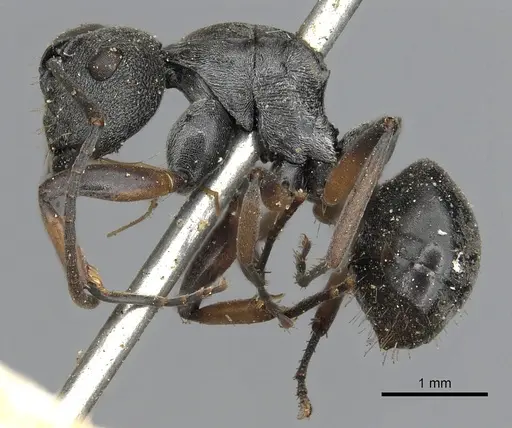
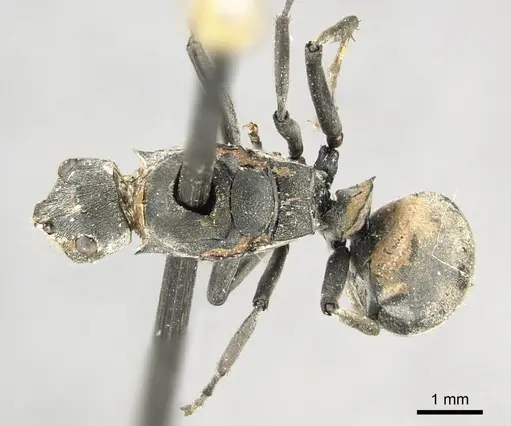
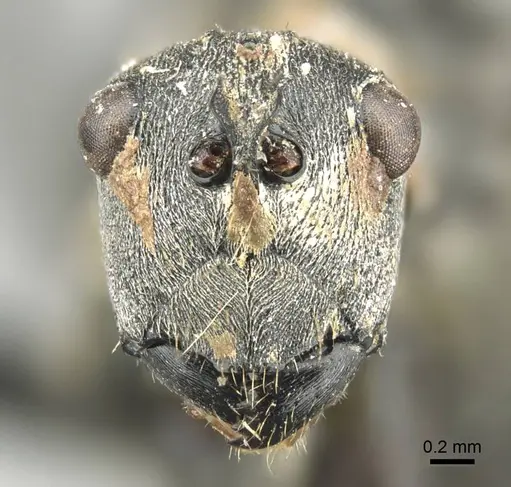
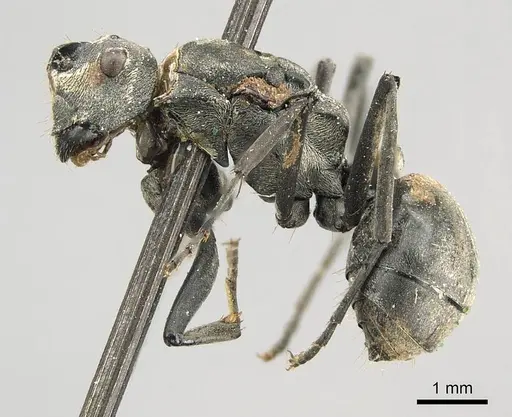
Polyrhachis vindex is a small to medium-sized spiny ant native to Southeast Asia, found across Borneo, Indonesia, Malaysia, the Philippines, and Singapore. Workers measure around 4-5mm and feature distinctive pronotal spines that are roughly twice as long as their basal width, giving them their characteristic spiny appearance. The species belongs to the inermis species-group within the Myrma subgenus and is known for its lignicolous nesting habits, it makes its home in rotting wood rather than soil [1][2]. The pronotum has distinctive, relatively regular striation that helps distinguish it from its close relative P. orsylla [3].
This species is a great choice for antkeepers interested in tropical Formicinae. Unlike many ants in this subfamily, Polyrhachis ants have cocooned pupae, which makes observing their development more rewarding. They are relatively peaceful colony inhabitants that do well in naturalistic setups mimicking their forest floor habitat.
Quick Summary
- Difficulty: Medium
- Origin & Habitat: Tropical Southeast Asia, found in Borneo, Indonesia, Malaysia, the Philippines, and Singapore. They inhabit undisturbed forest environments and nest in rotting wood (lignicolous) [4][2].
- Colony Type: Likely single-queen (monogyne) colonies based on typical Polyrhachis patterns. Colony size reaches up to several hundred workers in mature colonies.
- Colony: Monogyne
- Founding: Claustral
- Size & Growth:
- Queen: Estimated 6-8mm based on genus patterns
- Worker: 4-5mm (approximately 2+ lines) [1]
- Colony: Several hundred workers in mature colonies
- Growth: Moderate
- Development: Estimated 6-8 weeks at tropical temperatures based on related Polyrhachis species (Development is typical for tropical Formicinae, warm temperatures accelerate growth)
- Antkeeping:
- Temperature: Keep at 24-28°C. Being a tropical species from Southeast Asia, they need consistently warm conditions. A heating cable on one side of the nest creates a suitable gradient [2].
- Humidity: High humidity (70-80%). These forest-dwelling ants need moist conditions. Keep the nest substrate damp but not waterlogged, with some drier areas for workers to regulate their own humidity [4].
- Diapause: No true diapause required. As a tropical species, they do not need hibernation. However, a slight reduction in temperature during cooler months may slow activity naturally.
- Nesting: Lignicolous (wood-nesting) species. They do well in Y-tong (AAC) nests, plaster nests, or naturalistic setups with rotting wood pieces. Avoid test tube setups as they prefer wood-based nests. Provide damp wood or cork-style nesting material [2][5].
- Behavior: Generally peaceful and non-aggressive. Workers are active foragers that search for food throughout the nest and outworld. They are not known for biting or stinging aggressively, making them manageable for keepers. Escape prevention should be moderate, while not tiny, they can squeeze through small gaps, so standard barrier methods work well. They accept a variety of foods including sugar sources and protein.
- Common Issues: Wood-nesting requirements mean test tube setups are not ideal, provide appropriate nesting material, Tropical humidity needs can lead to mold problems if ventilation is poor, Warm temperature requirements mean room temperature may be insufficient in cooler climates, Wild-caught colonies may harbor parasites that can cause colony losses, Slow to moderate growth requires patience, do not overfeed or overstress small colonies
Nest Preferences and Housing
Polyrhachis vindex is a lignicolous species, meaning it nests in rotting wood in nature [2][5]. This is one of the most important aspects of their care, they do not do well in test tube setups that many other ant species thrive in. For captive housing, Y-tong (AAC) nests work well, as do plaster nests or naturalistic setups that include wood pieces. The nesting material should be kept consistently moist but not soaking wet. You can use cork-style nesting material, pre-made formicarium wood inserts, or simply provide damp wooden structures within the enclosure. The key is providing something the ants can chew and tunnel into, mimicking their natural rotting wood habitat.
Feeding and Diet
Like most Polyrhachis species, P. vindex is an omnivore that accepts both sugar sources and protein. In captivity, they readily take sugar water, honey, or diluted syrup as an energy source. For protein, offer small insects like fruit flies, pinhead crickets, mealworms, or other appropriately-sized arthropods. Being a tropical forest species, they likely also consume honeydew from aphids if kept in a naturalistic setup. Feed protein 2-3 times per week, and keep a sugar source available at all times. Remove uneaten prey after 24-48 hours to prevent mold issues in the humid environment they require.
Temperature and Heating
Being a tropical species from Southeast Asia, Polyrhachis vindex requires warm temperatures to thrive. Keep the nest area between 24-28°C consistently. In most homes, room temperature alone will not be sufficient, especially in temperate climates. Use a heating cable or heating mat placed on one side of the nest to create a temperature gradient, allowing workers to regulate their own temperature by moving between warmer and cooler areas. Avoid direct heat that could dry out the nest too quickly. Monitor temperatures with a thermometer placed near the nest. Consistent warmth is key, temperature fluctuations can stress the colony and slow development. [2]
Humidity Management
These forest-dwelling ants need high humidity to thrive. Aim for 70-80% relative humidity within the nest area. Keep the nesting material consistently moist by adding water to the nest's water reservoir or misting the substrate when it begins to dry. However, balance is crucial, too much moisture leads to mold growth, while too little causes desiccation. Good ventilation helps prevent stagnant air while maintaining humidity. In naturalistic setups, live plants can help maintain humidity through transpiration. Check the nest daily and rehydrate when the surface begins drying rather than following a fixed schedule. [4]
Colony Development and Growth
Colony growth is moderate rather than fast. The queen lays eggs that develop through larval and pupal stages over approximately 6-8 weeks at optimal temperatures. Unlike some Formicinae, Polyrhachis species have cocooned pupae, which means you can observe the white pupal cases as development progresses [2]. First workers (nanitics) will be smaller than mature workers but should emerge within the expected timeframe. Growth rate depends heavily on temperature, warmer conditions within the acceptable range speed development, while cooler temperatures slow it. Feed the colony appropriately for its size, avoiding excess food that could mold in the humid environment.
Behavior and Temperament
Polyrhachis vindex is generally a peaceful species that does well in colony settings. Workers are active foragers that will search the outworld for food and explore their environment. They are not particularly aggressive toward keepers and do not have a painful sting. The spines that give them their 'spiny ant' common name serve as a defensive adaptation rather than an offensive weapon. They are not known for being escape artists in the same way as tiny ants, but standard barrier methods like Fluon or barrier tape should still be used. Their moderate size and manageable temperament make them suitable for antkeepers with some experience who can meet their specific humidity and temperature needs.
Frequently Asked Questions
Can I keep Polyrhachis vindex in a test tube?
No, test tubes are not ideal for this species. Polyrhachis vindex is lignicolous, meaning it nests in rotting wood in nature. They do much better in Y-tong (AAC) nests, plaster nests, or naturalistic setups with wood pieces they can tunnel into.
What temperature do Polyrhachis vindex ants need?
Keep them at 24-28°C consistently. As a tropical Southeast Asian species, they need warm conditions. A heating cable on one side of the nest creates a suitable temperature gradient.
How long does it take for first workers to emerge?
Expect first workers (nanitics) to emerge in approximately 6-8 weeks at optimal temperatures (24-28°C). Development is typical for tropical Formicinae, warm temperatures speed up development while cooler temperatures slow it down.
Do Polyrhachis vindex ants need hibernation?
No, they do not require hibernation. Being a tropical species from Southeast Asia, they do not enter diapause. However, slight temperature reductions during cooler months may naturally slow their activity.
What do Polyrhachis vindex ants eat?
They are omnivores. Offer sugar water, honey, or diluted syrup as an energy source, and protein like small insects (fruit flies, mealworms, pinhead crickets) 2-3 times per week. Keep sugar available at all times.
Are Polyrhachis vindex ants aggressive?
No, they are generally peaceful and not known for aggressive biting or stinging. Their spines serve as passive defense. They are manageable for antkeepers with some experience.
How big do Polyrhachis vindex colonies get?
Mature colonies reach several hundred workers. Growth is moderate rather than fast, so patience is required when establishing a new colony.
What humidity level do Polyrhachis vindex ants need?
High humidity is essential, aim for 70-80% relative humidity. Keep the nest substrate consistently moist but not waterlogged. These forest-dwelling ants need damp conditions to thrive.
When should I move my colony to a formicarium?
Move them when the colony reaches around 20-30 workers and you see them struggling in the test tube setup. Since they are wood-nesting, provide appropriate nesting material (Y-tong, plaster, or wood inserts) from the start if possible.
Do Polyrhachis vindex ants have cocoons?
Yes, they do. Unlike some Formicinae that have naked pupae, Polyrhachis species wrap their pupae in cocoons, making it easier to observe development stages [2].
References

This caresheet is licensed under CC BY-SA 4.0 .
Literature
Loading...Loading products...