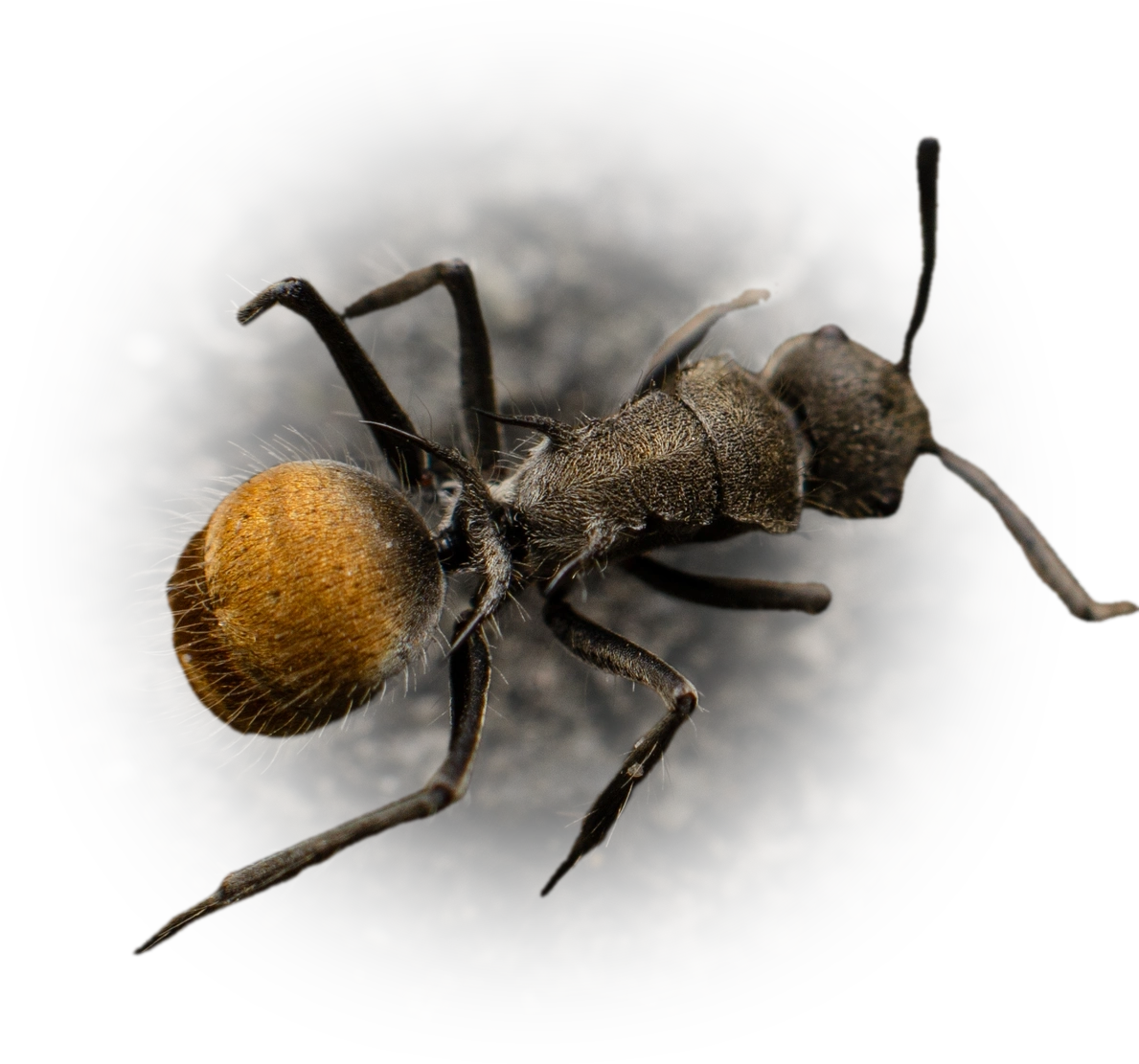

Polyrhachis vermiculosa
- Scientific Name
- Polyrhachis vermiculosa
- Subgenus
- Chariomyrma
- Tribe
- Camponotini
- Subfamily
- Formicinae
- Author
- Mayr, 1876
- Distribution
- Found in 1 countries
Polyrhachis vermiculosa Overview
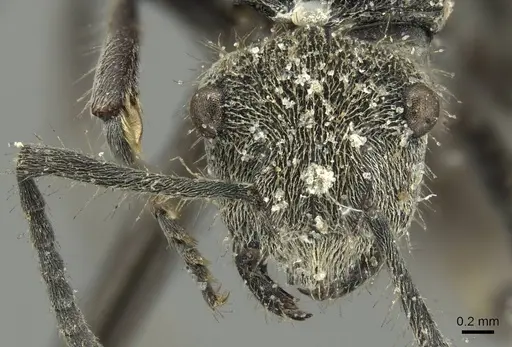
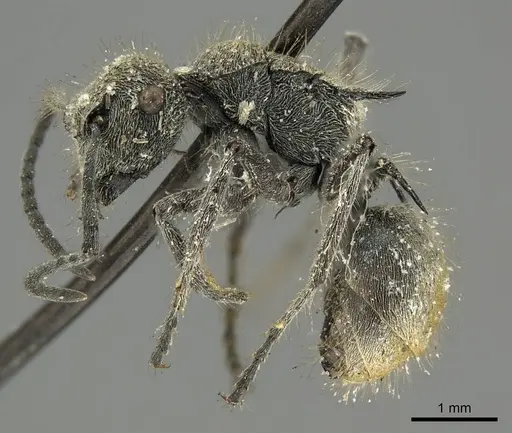
Polyrhachis vermiculosa is an ant species of the genus Polyrhachis. It is primarily documented in 1 countries , including Australia. Detailed taxonomic data and occurrence records can be further explored via authoritative databases such as AntWeb or the Global Biodiversity Information Facility (GBIF).
Polyrhachis vermiculosa
Polyrhachis vermiculosa is an Australian ant species belonging to the Formicinae subfamily, specifically the Chariomyrma subgenus. These ants are medium-sized with workers typically ranging from 5-8mm. They have the characteristic hooked spines on their thorax that give Polyrhachis their common name of 'spiny ants' or 'spider ants'. The species was originally described as a variety of Polyrhachis guerini before being elevated to full species status in 1990.
This species nests underground, typical of the Chariomyrma subgenus, and constructs simple subterranean chambers without additional nesting materials like vegetation or debris [1]. Like all Formicinae, they spin cocoons around their pupae before the adults emerge. P. vermiculosa is endemic to Australia, specifically found in the Australasian region.
Quick Summary
- Difficulty: Medium
- Origin & Habitat: Australia, endemic to the Australasian region. This species nests subterranean in simple underground chambers [1].
- Colony Type: Likely single-queen (monogyne) colonies based on typical Polyrhachis patterns. Colony size likely reaches several hundred workers.
- Colony: Monogyne
- Founding: Claustral
- Size & Growth:
- Queen: Estimated 8-10mm based on genus patterns for medium-sized Polyrhachis
- Worker: Estimated 5-8mm based on genus descriptions
- Colony: Estimated several hundred workers based on typical Polyrhachis colony sizes
- Growth: Moderate
- Development: Estimated 6-10 weeks based on typical Formicinae development at warm Australian temperatures (Development time is estimated from related Polyrhachis species, specific data for P. vermiculosa is not available)
- Antkeeping:
- Temperature: Keep at 22-26°C. Australian species from temperate to subtropical regions can handle a range from 18°C up to 28°C. Provide a gentle temperature gradient if possible.
- Humidity: Subterranean nester requiring moderate humidity. Keep nest substrate consistently moist but not waterlogged. Provide a moisture gradient so ants can self-regulate.
- Diapause: Likely requires a mild winter rest period (diapause) of 2-3 months at 10-15°C, consistent with Australian temperate species. Monitor colony behavior, if they become less active in winter, this indicates diapause needs.
- Nesting: Subterranean nester, works well with Y-tong (AAC) nests, plaster nests, or naturalistic setups with deep soil. Provide enough depth for colony expansion. Avoid dry, airy setups.
- Behavior: Polyrhachis ants are generally non-aggressive and more docile compared to many other ants. Workers are active foragers but not particularly territorial or defensive. They are omnivorous, accepting both sugar sources and protein foods. Escape risk is moderate, use standard barrier methods. They spin cocoons around their pupae, which is characteristic of the Formicinae subfamily.
- Common Issues: colonies may fail if kept too dry, subterranean species need consistent moisture, slow growth compared to faster-developing species may lead to beginner impatience and overfeeding, winter diapause is often needed but timing varies, watch for natural slowing of activity, wild-caught colonies may harbor parasites that can devastate captive colonies, test tube setups may be too shallow for this subterranean species
Nest Preferences and Housing
Polyrhachis vermiculosa is a subterranean nester, meaning they naturally dig chambers underground rather than nesting in vegetation or on surfaces [1]. For captive care, Y-tong (AAC) nests or plaster nests work well because they provide the dark, humid environment these ants prefer. Naturalistic setups with deep soil (at least 5-10cm) also work excellently and allow colonies to expand naturally. The nest should have chambers sized appropriately for their worker size (5-8mm). Avoid shallow setups, these ants need depth. Provide a water chamber or moisture source connected to the nest area to maintain humidity through evaporation.
Feeding and Diet
Like most Polyrhachis species, P. vermiculosa is omnivorous. They accept sugar sources such as honey water, sugar water, or ripe fruit. For protein, offer small insects like fruit flies, small crickets, mealworms, or other appropriately-sized prey. Feed protein 2-3 times per week and keep a constant sugar source available. Remove uneaten prey after 24-48 hours to prevent mold. In the wild, they likely forage for honeydew from aphids and scale insects, plus small arthropods. Observing your colony's preferences will help you fine-tune feeding schedules.
Temperature and Seasonal Care
As an Australian species, P. vermiculosa prefers moderate temperatures in the 22-26°C range. They can tolerate brief periods outside this range but prolonged exposure to temperatures below 18°C or above 30°C should be avoided. A heating cable on one side of the nest can create a temperature gradient, allowing ants to self-regulate. Place the heating on top of the nest, not underneath, to prevent excessive drying.
Regarding diapause: Australian temperate species typically require a winter rest period. During autumn/winter (roughly November-February in the Northern Hemisphere), gradually reduce temperature to around 10-15°C for 2-3 months. Watch your colony's behavior, if workers become less active and cluster together, this signals they need the cooler period. Do not feed during diapause but keep a small water source available.
Behavior and Temperament
Polyrhachis ants are known for their relatively docile nature compared to many other ant genera. Workers are active foragers but are not particularly aggressive or territorial. They are not known for painful stings, while they can sting, their sting is mild and rarely felt by humans due to their small size.
These ants are moderate escape artists. While not as small as some species, they can still squeeze through small gaps. Use standard barrier methods like fluon on the rim of the outworld. They are primarily nocturnal or crepuscular foragers in the wild, so you may see more activity during evening hours. Provide an outworld (foraging area) connected to the nest with enough space for food dishes and debris cleanup.
Colony Development
As a claustral species, the queen seals herself in a chamber during founding and relies entirely on her stored fat reserves to raise the first brood. This means you do not need to feed a founding queen, she will survive without food until her first workers (nanitics) emerge. The founding chamber should be dark and humid. First workers will be smaller than normal workers (nanitics) and will initially tend the brood and expand the nest before foraging begins in earnest.
Colony growth is moderate, expect 6-10 weeks from egg to first worker at optimal temperatures. Once the colony reaches 20-30 workers, growth typically accelerates. A mature colony may reach several hundred workers over several years. Be patient with this species, they are not fast growers like some tropical ants.
Frequently Asked Questions
How long does it take for Polyrhachis vermiculosa to produce first workers?
Expect 6-10 weeks from egg to first worker at optimal temperatures (22-26°C). This is estimated from related Formicinae species since specific development data for P. vermiculosa is not available.
What do Polyrhachis vermiculosa ants eat?
They are omnivorous. Offer sugar water or honey constantly, and protein (small insects like fruit flies, mealworms, or small crickets) 2-3 times per week. Remove uneaten prey after 24-48 hours.
What temperature do they need?
Keep them at 22-26°C. They can tolerate 18-28°C but avoid extremes. A temperature gradient allows them to self-regulate.
Do they need hibernation?
Likely yes, as an Australian temperate species, they probably need a 2-3 month winter rest at 10-15°C. Watch for natural slowing of activity in winter months.
What nest type is best?
Subterranean nesters need depth. Y-tong (AAC) nests, plaster nests, or deep naturalistic soil setups work well. Avoid shallow test tube setups.
Are Polyrhachis vermiculosa good for beginners?
They are rated medium difficulty. They require more humidity and likely need winter diapause, which adds complexity. Their moderate growth rate also requires patience.
How big do colonies get?
Estimated several hundred workers based on typical Polyrhachis colony sizes. Growth is moderate, taking several years to reach maturity.
Can I keep multiple queens together?
Not recommended, Polyrhachis are typically single-queen colonies. Combining unrelated queens has not been documented for this species and may result in fighting.
When should I move them to a formicarium?
Move from a founding setup to a larger nest once the colony reaches 30-50 workers or the test tube becomes crowded. Ensure the new setup maintains similar humidity.
References

This caresheet is licensed under CC BY-SA 4.0 .
CASENT0906749
View on AntWeb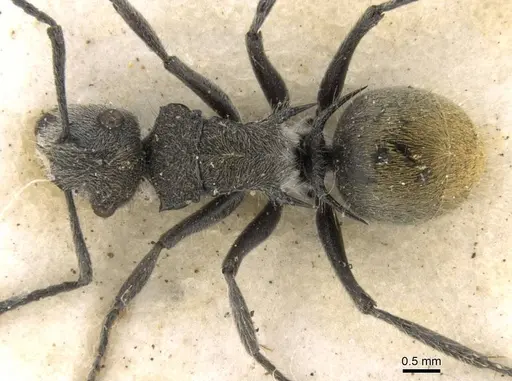
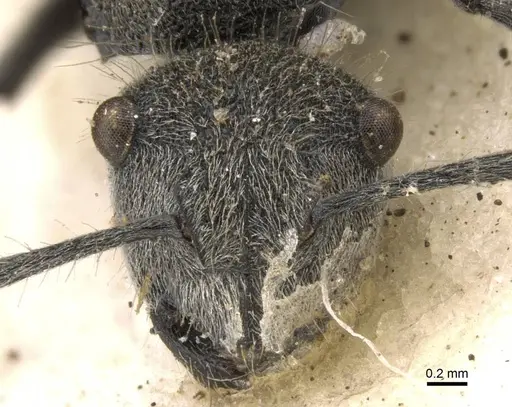
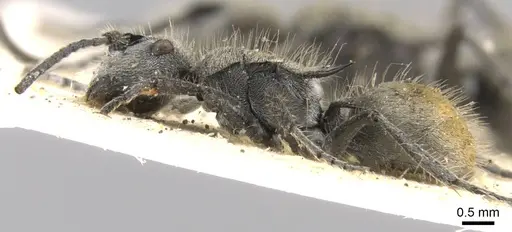
CASENT0915623
View on AntWeb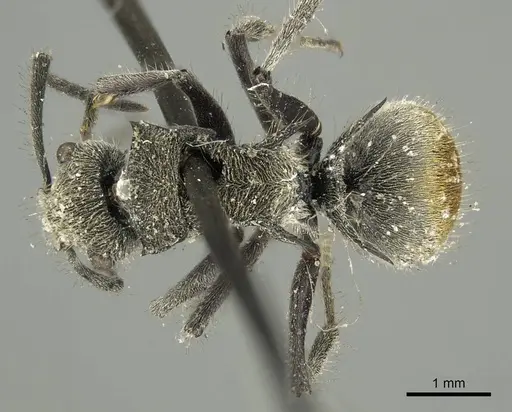
Literature
Loading...Loading products...