

Polyrhachis venus
- Scientific Name
- Polyrhachis venus
- Subgenus
- Myrmhopla
- Tribe
- Camponotini
- Subfamily
- Formicinae
- Author
- Forel, 1893
- Distribution
- Found in 1 countries
Polyrhachis venus Overview
Polyrhachis venus is an ant species of the genus Polyrhachis. It is primarily documented in 1 countries , including Thailand. Detailed taxonomic data and occurrence records can be further explored via authoritative databases such as AntWeb or the Global Biodiversity Information Facility (GBIF).
Polyrhachis venus
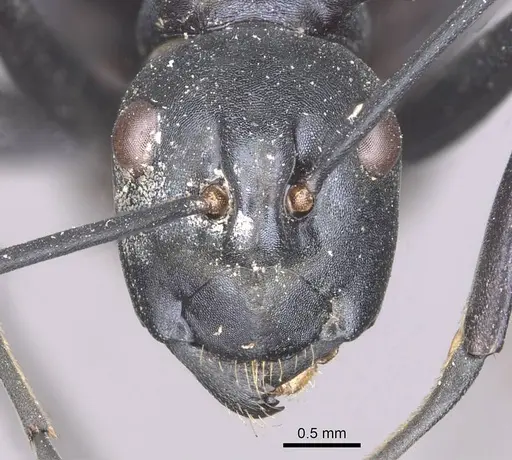
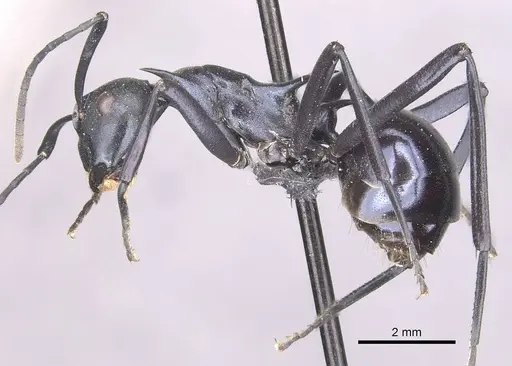
Polyrhachis venus is a tropical ant species belonging to the subgenus Myrmhopla, known for their distinctive spiny morphology and ornate appearance. Workers are moderate-sized ants with characteristic spines on the mesosoma (the middle body section) and often display metallic or iridescent coloration. This species is found across the Indomalaya region, including Myanmar, the Philippines, and Sumatra [1][2]. The genus Polyrhachis contains over 600 species worldwide, many of which are arboreal or semi-arboreal nesters in tropical forests. As a Myrmhopla species, P. venus likely exhibits the typical behaviors of this group: they are active foragers, moderately aggressive when defending their nest, and construct nests in elevated locations such as tree hollows, under bark, or in vegetation.
Quick Summary
- Difficulty: Medium
- Origin & Habitat: Native to the Indomalaya region, documented in Myanmar, the Philippines, and Sumatra. Inhabits tropical forest environments where they typically nest in elevated locations like tree hollows, under bark, or among vegetation [1][2].
- Colony Type: Likely monogyne (single queen colonies) based on typical Polyrhachis patterns. Colony size is estimated at several hundred workers based on related species.
- Colony: Monogyne
- Founding: Claustral
- Size & Growth:
- Queen: Estimated 10-12mm based on genus patterns for Myrmhopla species
- Worker: Estimated 6-9mm based on genus descriptions
- Colony: Estimated several hundred workers based on related species in the genus
- Growth: Moderate, based on typical Formicinae development patterns
- Development: Estimated 6-8 weeks at optimal tropical temperatures (25-28°C), based on typical Polyrhachis development (Development time is inferred from related Polyrhachis species as no specific study exists for P. venus)
- Antkeeping:
- Temperature: Keep at 24-28°C. Tropical species require warm conditions year-round. A heating cable on one side of the nest creates a suitable gradient
- Humidity: Maintain moderate to high humidity (60-80%). These forest-dwelling ants prefer damp conditions but not waterlogged substrate. Provide a water tube for drinking access
- Diapause: No, being a tropical species, they do not require hibernation. Keep temperatures stable year-round
- Nesting: Prefers naturalistic or semi-naturalistic setups that mimic their natural arboreal habitat. Y-tong nests, plaster nests with moisture reservoirs, or setups with access to elevated areas work well. They appreciate multiple chambers and vertical space
- Behavior: Active and alert foragers with moderate aggression when their nest is threatened. Workers are quick-moving and will readily defend the colony. They are not particularly large but can deliver a mild sting if handled roughly. Escape prevention is important, use standard barriers. They forage individually and may tend honeydew-producing insects in captivity. Unlike some Polyrhachis species, they do not construct elaborate silk nests but will use existing cavities
- Common Issues: tropical species requires consistent warmth, cold temperatures can slow or stop brood development, humidity must be maintained but avoid waterlogging, mold can develop in overly damp conditions, colonies may be slow to establish initially, patience is needed during the founding phase, escape prevention is important though they are not extreme escape artists like some tiny species, wild-caught colonies may carry parasites, quarantine and monitor new colonies
Housing and Nest Setup
Polyrhachis venus is a tropical ant that prefers naturalistic or semi-naturalistic setups. In the wild, these ants typically nest in elevated locations such as tree hollows, under bark, or among vegetation, so replicating these conditions in captivity works best. Y-tong (acrylic) nests with narrow chambers or plaster nests with moisture reservoirs are both suitable options. The nest should have multiple chambers connected by tunnels, and you should provide some vertical space since they naturally prefer elevated nesting sites. A water tube connected to the nest helps maintain humidity and provides drinking water. For the outworld, include some climbing structures like twigs or artificial plants since they are active foragers that like to explore.
Feeding and Diet
Like most Polyrhachis species, P. venus is an omnivore that accepts a variety of foods. In captivity, they readily consume sugar sources such as honey water or sugar water (offer these constantly in a small container). For protein, offer insects such as mealworms, small crickets, or other small arthropods. They will also likely accept honeydew, which they collect in the wild by tending aphids or scale insects. Feed protein sources 2-3 times per week, and keep sugar water available at all times. Remove any uneaten prey after 24-48 hours to prevent mold issues. Fresh water should always be accessible.
Temperature and Seasonal Care
Being a tropical species from the Indomalaya region, P. venus requires warm temperatures year-round. Keep the nest area at 24-28°C (75-82°F) for optimal brood development. A heating cable placed on one side of the nest can create a temperature gradient, allowing the ants to regulate their own temperature by moving between warmer and cooler areas. Avoid temperatures below 22°C as prolonged cool conditions can slow or halt brood development and weaken the colony. Unlike temperate species, they do not require a diapause or hibernation period, maintain consistent temperatures throughout the year. Room temperature within this range is acceptable if your home stays warm enough.
Colony Establishment and Growth
Founding colonies start with a claustral queen who seals herself in a small chamber and raises her first workers (called nanitics) using stored fat reserves. This process typically takes 6-8 weeks under optimal conditions. The first workers are usually smaller than normal workers but will quickly begin foraging to support the growing colony. Once the first workers emerge, you can begin regular feeding. Colony growth is moderate, expect several months to reach 20-30 workers, and a year or more to reach 100+ workers. The queen is long-lived and can produce workers for many years. Be patient during the founding phase as it can be the most vulnerable time for the colony.
Frequently Asked Questions
How long does it take for Polyrhachis venus to produce first workers?
Expect first workers (nanitics) to emerge in about 6-8 weeks after the queen lays her first eggs, assuming temperatures are kept at 24-28°C. This timeline is based on typical Polyrhachis development patterns.
What temperature do Polyrhachis venus ants need?
Keep them at 24-28°C (75-82°F). Tropical species like this require warm conditions year-round. A heating cable on part of the nest can help maintain these temperatures.
Do Polyrhachis venus ants need hibernation?
No, they do not require hibernation. Being a tropical species from Myanmar, Philippines, and Sumatra, they need consistent warmth year-round. Do not expose them to cold temperatures.
What do Polyrhachis venus ants eat?
They are omnivores. Offer sugar water or honey constantly, and provide protein (insects like mealworms or small crickets) 2-3 times per week. They will also likely accept honeydew if available.
Are Polyrhachis venus good for beginners?
They are rated as medium difficulty. They require warm, humid tropical conditions which can be challenging to maintain consistently. If you have experience with other tropical ant species, they can be a rewarding species to keep.
How big do Polyrhachis venus colonies get?
Based on related species, colonies likely reach several hundred workers over several years. They are not among the largest Polyrhachis species but can still form substantial colonies.
Can I keep multiple Polyrhachis venus queens together?
This species is likely monogyne (single queen). Combining unrelated queens is not recommended as they likely will fight. Only keep one queen per colony.
Why is my Polyrhachis venus colony not growing?
Check that temperatures are warm enough (24-28°C) and humidity is adequate. Cold temperatures or overly dry conditions can significantly slow or stop brood development. Also ensure the queen is still alive and laying eggs.
References

This caresheet is licensed under CC BY-SA 4.0 .
CASENT0217807
View on AntWeb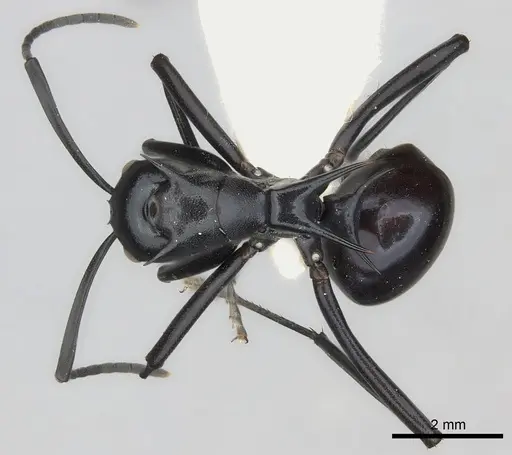
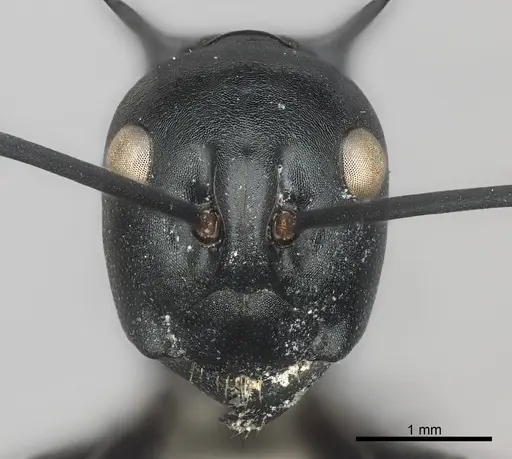
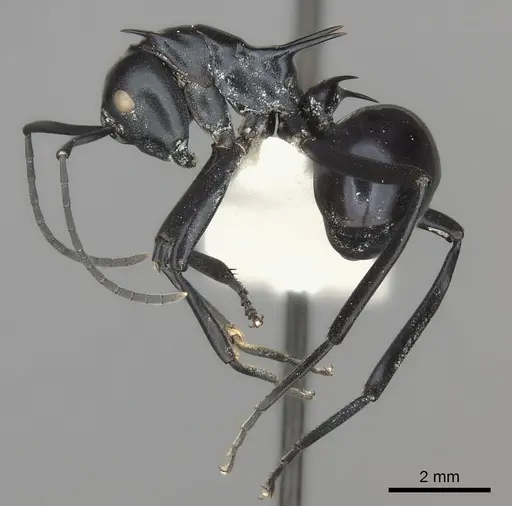
CASENT0910877
View on AntWeb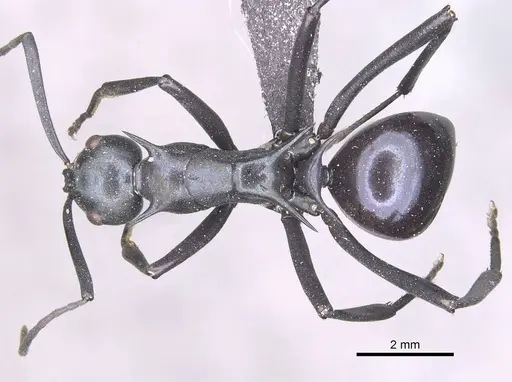
Literature
Loading...Loading products...