

Polyrhachis tyrannica
- Scientific Name
- Polyrhachis tyrannica
- Subgenus
- Myrma
- Tribe
- Camponotini
- Subfamily
- Formicinae
- Author
- Smith, 1858
- Distribution
- Found in 2 countries
Polyrhachis tyrannica Overview
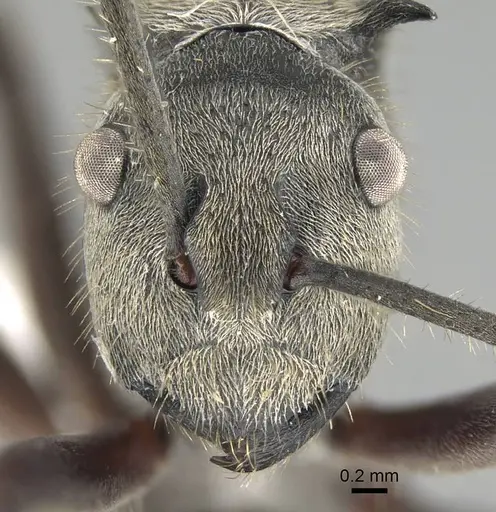
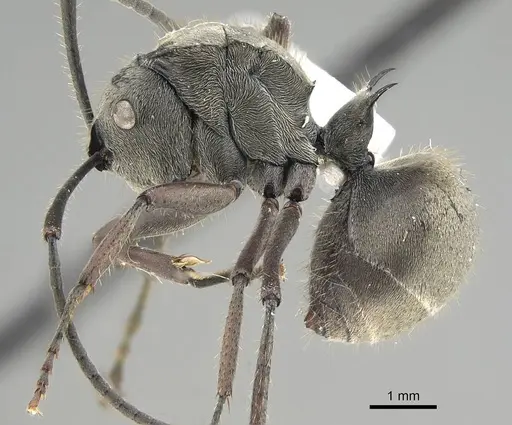
Polyrhachis tyrannica is an ant species of the genus Polyrhachis. It is primarily documented in 2 countries , including China, Hong Kong. Detailed taxonomic data and occurrence records can be further explored via authoritative databases such as AntWeb or the Global Biodiversity Information Facility (GBIF).
Polyrhachis tyrannica
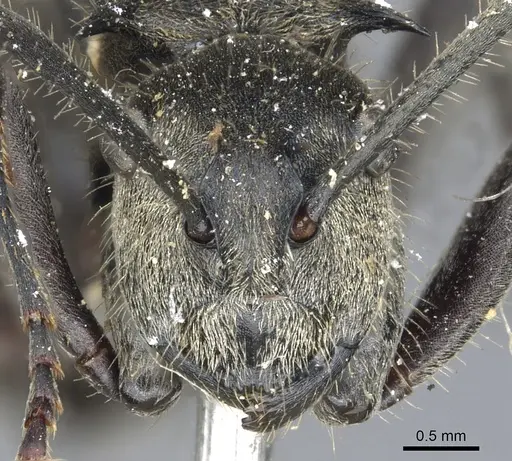
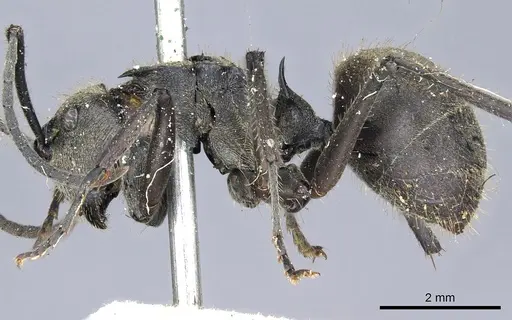
Polyrhachis tyrannica is a medium-sized ant species belonging to the subgenus Myrma, characterized by its dark coloration and distinctive spines on the thorax. Workers measure approximately 6-7mm and feature the characteristic spiny protrusions that give Polyrhachis ants their common name of 'spiny ants.' This species is found across a broad geographic range spanning the Indomalaya region (Borneo, Indonesia, Malaysia, Nepal) into southern China, indicating adaptability to various tropical and subtropical environments [1].
Unlike many ground-nesting ants, P. tyrannica shows arboreal tendencies, having been collected primarily from tree trunks in Bornean forests rather than the forest floor. This makes them an interesting species for keepers interested in observing natural arboreal foraging behavior. The species was only recently confirmed in Nepal (2020) and continues to be documented in new areas through ongoing biodiversity surveys.
Quick Summary
- Difficulty: Medium
- Origin & Habitat: Native to the Indomalaya region including Borneo, Indonesia, Malaysia, and Nepal, with populations extending into southern China. Found in tropical and subtropical forests, particularly on tree trunks and in forested areas [2][3].
- Colony Type: Colony structure is not well-documented in scientific literature. Based on typical Polyrhachis (Myrma) patterns, likely single-queen (monogyne) colonies with moderate worker populations.
- Colony: Monogyne
- Founding: Claustral
- Size & Growth:
- Queen: Approximately 8-10mm (estimated based on genus patterns for Myrma subgenus)
- Worker: 6-7mm [4]
- Colony: Likely several hundred workers based on typical Polyrhachis colony sizes
- Growth: Moderate, estimated based on genus patterns
- Development: 6-10 weeks (estimated based on typical Formicinae development at tropical temperatures) (Development timeline is estimated, no direct species-specific studies found. Tropical species typically develop faster than temperate species.)
- Antkeeping:
- Temperature: Keep between 24-28°C. These are tropical ants that prefer warm conditions. A heating cable on one side of the nest creates a temperature gradient they can regulate themselves.
- Humidity: Moderate to high humidity (60-80%). Provide a moist nest substrate but ensure good ventilation to prevent mold. Mist occasionally but avoid waterlogging.
- Diapause: No, as a tropical species, they do not require hibernation. Maintain consistent temperatures year-round.
- Nesting: Prefers nesting in rotting wood, under bark, or in tree hollows. In captivity, a naturalistic setup with wood pieces or a Y-tong/plaster nest works well. They do well with some vertical space and climbing structures.
- Behavior: Generally calm and non-aggressive compared to many ant species. Workers are active foragers that will search for food both on the ground and up vertical surfaces. They are not known for stinging and pose minimal threat to keepers. Their arboreal nature means they are good climbers, escape prevention should focus on sealing gaps at the top of enclosures rather than just the bottom. They accept a varied diet including sugars and proteins.
- Common Issues: tropical temperature requirements mean colonies can suffer in cool rooms or during winter without heating, arboreal nature means they need climbing structures and vertical space to thrive, limited scientific data means care recommendations are based on genus patterns rather than species-specific studies, escape prevention is important due to their climbing ability, ensure enclosures have tight-fitting lids, slow founding phase typical of claustral queens requires patience during colony establishment
Housing and Nest Setup
Polyrhachis tyrannica does well in naturalistic setups that mimic their natural arboreal habitat. A formicarium with wood pieces, bark, or cork bark provides ideal nesting sites. The Y-tong (acrylic) nests also work well, especially when paired with an outworld that includes climbing branches or vertical surfaces. Given their tree-trunk foraging behavior in the wild, providing opportunities to climb will encourage natural activity patterns.
The outworld should be spacious enough for foraging but not so large that workers struggle to find food. Include some vertical structures like twigs or cork bark pieces. A water test tube should always be available. Because they are good climbers, apply fluon or barrier gel to the upper edges of the outworld to prevent escapes. [2]
Feeding and Diet
Like most Polyrhachis species, P. tyrannica is omnivorous and will accept a varied diet. Offer sugar water or honey as a constant energy source. For protein, provide small insects like fruit flies, small crickets, or mealworms. They will also consume nectar and honeydew if available.
Feed them small prey items 2-3 times per week, adjusting based on colony size and consumption rate. Remove any uneaten prey after 24-48 hours to prevent mold. Sugar water can be provided in a test tube with a cotton wick or on a small sponge. A varied diet supports healthy colony growth and reproduction.
Temperature and Heating
As a tropical species from Southeast Asia and southern China, Polyrhachis tyrannica requires warm temperatures to thrive. Keep the nest area between 24-28°C. Room temperature may be sufficient in warm climates or heated rooms, but a heating cable or heat mat on one side of the nest can provide additional warmth if needed.
Place the heating element on top of the nest rather than underneath to avoid evaporating moisture too quickly. Create a temperature gradient so workers can move between warmer and cooler areas as needed. Avoid temperatures below 22°C for extended periods, as this can slow development and weaken the colony.
Humidity and Water
Maintain moderate to high humidity (60-80%) in the nest area. Polyrhachis species generally prefer conditions that mimic tropical forests. Keep the nest substrate moist but not waterlogged. A water test tube connected to the formicarium provides a constant water source.
Good ventilation is important to prevent mold growth while maintaining humidity. If you see excessive condensation or mold, increase ventilation and reduce misting. The substrate should feel damp to the touch but not release water when squeezed.
Colony Establishment and Growth
Queen founding is likely claustral, the queen seals herself in a chamber and raises the first workers alone using stored fat reserves. This means you do not need to feed the founding queen. The initial nanitic (first) workers will be smaller than normal workers.
Colony growth is moderate. Expect 6-10 weeks from egg to first worker at optimal temperatures. Once the first workers emerge, you can begin offering small food items. Growth rate depends on temperature, feeding frequency, and colony size. Be patient during the founding phase, many colonies are lost when keepers overfeed or disturb the queen too often.
Frequently Asked Questions
How long does it take for Polyrhachis tyrannica to produce first workers?
Expect 6-10 weeks from egg to first worker at optimal temperatures (24-28°C). This is an estimate based on typical Formicinae development, no species-specific studies exist for this species.
What do Polyrhachis tyrannica ants eat?
They are omnivorous. Offer sugar water or honey for energy and small insects (fruit flies, small crickets, mealworms) for protein. They will also consume nectar and honeydew if available.
What temperature do Polyrhachis tyrannica ants need?
Keep them warm between 24-28°C. These are tropical ants that suffer in cool conditions. A heating cable on one side of the nest can help maintain appropriate temperatures.
Can I keep Polyrhachis tyrannica in a test tube?
Test tubes work for founding colonies, but given their arboreal nature, they will do better in a formicarium with climbing structures once established. A naturalistic setup with wood or bark pieces mimics their natural habitat.
Do Polyrhachis tyrannica ants need hibernation?
No. As a tropical species from Southeast Asia and southern China, they do not require hibernation. Maintain consistent warm temperatures year-round.
How big do Polyrhachis tyrannica colonies get?
Based on typical Polyrhachis colony sizes, expect several hundred workers at maturity. No specific colony size data exists for this species.
Are Polyrhachis tyrannica ants good for beginners?
They are rated as medium difficulty. They are more forgiving than some tropical species but require warm temperatures year-round. Their calm temperament makes them manageable for those with some antkeeping experience.
When should I move my Polyrhachis tyrannica colony to a formicarium?
Move them when the test tube becomes crowded or the colony has 20+ workers. Ensure the new setup includes climbing structures and appropriate nesting material like wood or cork.
Why is my Polyrhachis tyrannica colony not growing?
Check temperature (should be 24-28°C), humidity (should be moist but not wet), and food availability. Slow growth can also be normal, these ants have moderate growth rates. Avoid disturbing the queen during founding.
References

This caresheet is licensed under CC BY-SA 4.0 .
CASENT0903442
View on AntWeb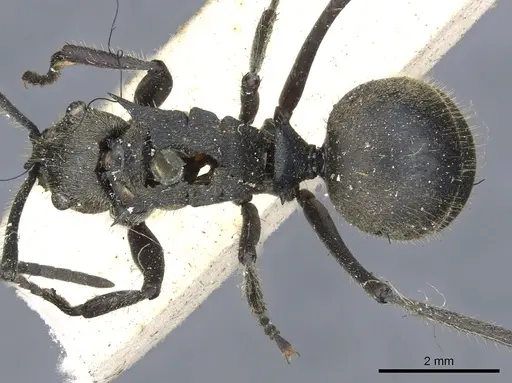
CASENT0919916
View on AntWeb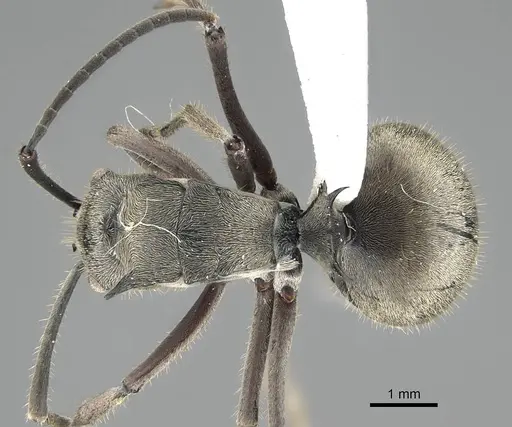
Literature
Loading...Loading products...